
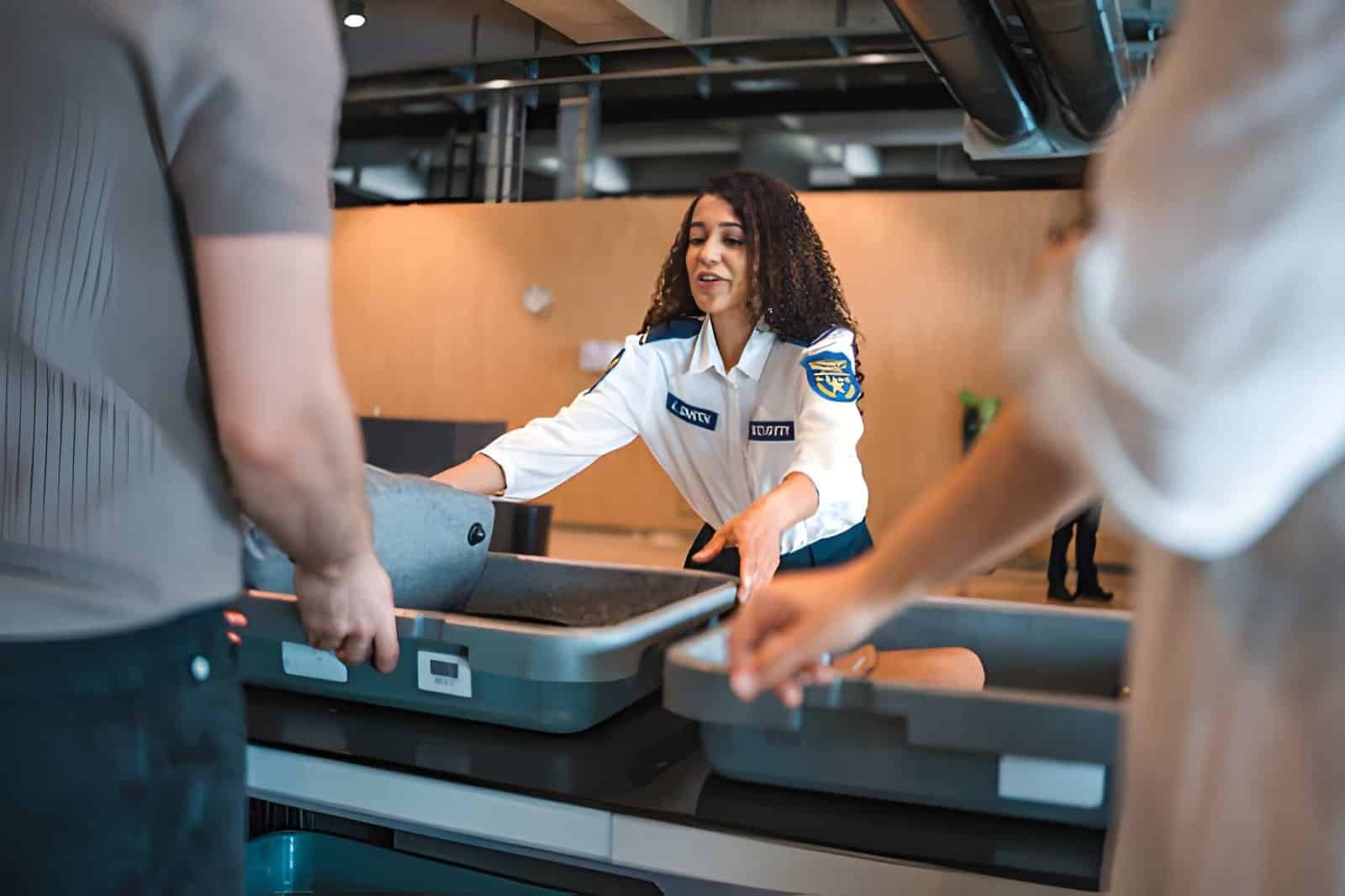
Security lines don’t fall apart because of complicated rules. They fall apart because a few travelers show up unprepared and expect the system to bend around them.
After decades of flying for work and for points-funded trips, I’ve learned that airport screening runs surprisingly well when people follow basic steps. It unravels when someone decides the rules don’t apply to them or simply didn’t think ahead.
Here’s who clogs the checkpoint most often and how to avoid being that person.
The Passenger In The Wrong Lane
Large airports often separate screening lanes. There’s the standard queue, expedited traveler lanes, and in some terminals, biometric or touchless options. Each has different eligibility.
Jumping into a lane you don’t qualify for forces staff to pull you out. That moment of confusion slows everyone behind you. It also adds stress to your own departure.
Before stepping into line, read the overhead signs. Confirm which lane matches your boarding pass and status. If you’re unsure, ask an officer at the entrance instead of guessing.
Ten seconds of awareness prevents five minutes of disruption.
The Traveler Racing The Clock
Late arrivals cause tension. Tension leads to mistakes.
When someone shows up twenty minutes before boarding, they start rushing through document checks and unloading bags in a panic. That frantic energy spreads to the people around them.
Build in time for parking, shuttle buses, airline counters, and security screening. Many airports publish typical wait times based on historical data. Check them before you leave home.
Security moves efficiently when travelers aren’t trying to outrun their departure time.
The Person Who Didn’t Review The Rules
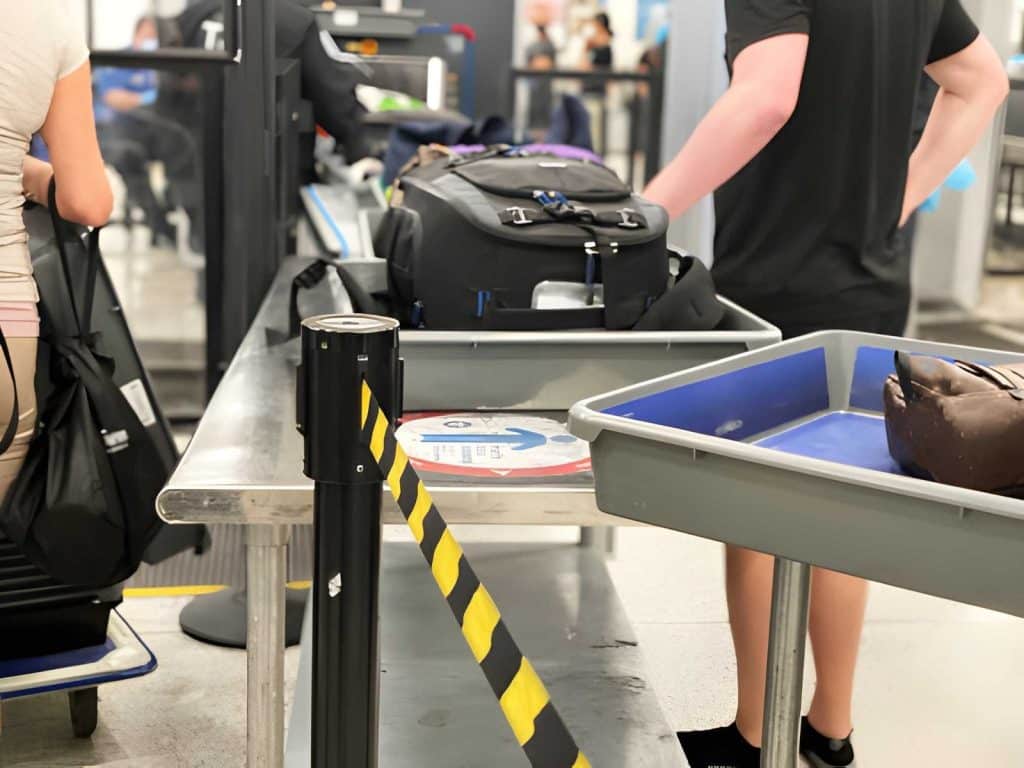
Most screening delays aren’t acts of rebellion. They’re oversights.
Travelers forget what counts as a restricted item. They assume a full-size bottle of sunscreen will slide through. They forget about a pocket knife buried in a side compartment from a previous trip.
Every oversized liquid triggers a bag search. Every prohibited item requires removal and re-screening. That slows the belt for everyone.
Before packing, take five minutes to review what belongs in a carry-on and what must go in checked luggage. If you can spill it, spray it, pump it, spread it, or pour it, it falls under the liquid limits for cabin bags.
Pack liquids together in an easy-to-reach pouch. When requested, pull it out without digging through layers of clothing.
Organization is the difference between a clean scan and a manual inspection.
The Overstuffed Carry On
An overpacked roller bag creates bottlenecks at the conveyor belt.
When laptops are buried under sweaters and chargers tangle with metal objects, you end up reorganizing your suitcase in front of the scanner. That slows the line and attracts secondary screening.
Before you reach the front, prepare.
Have identification and a boarding pass ready. Empty pockets into your bag rather than into a tray scattered with loose items. Position electronics so they can be removed quickly if required.
Think of it as staging your bag for a smooth X-ray pass.
The Argument About Shoes
Screening procedures evolve. In many situations, shoe removal is no longer required. In other cases, additional checks may prompt an officer to ask for them.
Debating the request rarely changes the outcome. It just pauses the line.
Wear footwear that’s easy to remove if needed. Slip-on styles make this painless. If asked, comply and move forward.
Security checkpoints operate on consistent processes. Cooperation speeds things up.
The Person Who Tries To Outsmart The System
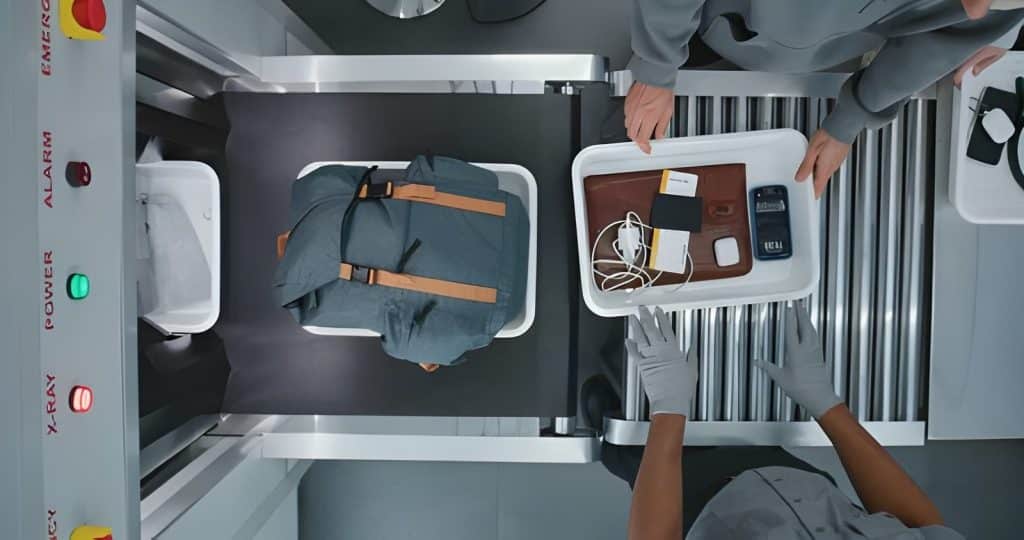
Every so often someone attempts to bend the rules. They hide liquids at the bottom of a bag. They attempt to bypass identification checks. They try to jump ahead in line because they’re “in a hurry.”
That behavior almost always backfires.
Officers are trained to notice irregular patterns. When something looks unusual, it triggers additional screening. What was meant to save time often doubles it.
Follow the process as designed. It exists to move high volumes of travelers safely and efficiently.
How To Glide Through Screening
Security becomes manageable when you treat it like a structured routine rather than an obstacle.
Arrive with time to spare. Confirm you’re in the correct queue. Keep documents accessible. Pack liquids properly. Remove metal objects from your pockets before stepping forward.
These steps are not complicated. They are practical habits that experienced travelers build over time.
Airports are busy environments. A single delay compounds quickly across hundreds of passengers. When each traveler handles their part smoothly, the entire system works better.
Security will never be the highlight of your trip. It doesn’t need to be. It just needs to be efficient. And efficiency starts with preparation.
Make The Airport The Easiest Part Of Your Trip
Security works best when you treat it like a system, not a surprise. The same mindset applies to the rest of your travel strategy.
Inside the community, we break down how to structure flights, boarding groups, connections, and airport timing so your entire travel day feels controlled instead of reactive.
And if you’re building a smarter travel setup for lounge access, priority boarding, or better trip protections, compare options using the smart card match tool to see what fits your patterns.
Airports move smoothly when travelers prepare. Your broader travel plan should work the same way.