
Most flight frustrations don’t start in the air.
They start during booking.
A traveler spends hours comparing ticket prices, departure times, and connection options. Then, when it’s time to choose a seat, they click the first available option and move on.
Several hours later, they’re squeezed into a noisy row beside a restroom, staring at a blank wall instead of a window, or wishing they had paid a little more attention to the seat map.
The surprising part is how many of these problems are completely avoidable.
A few smart decisions before departure can make a short flight more comfortable and a long-haul journey far more enjoyable.
Choosing a Seat Without Studying The Cabin Layout
Many travelers glance at the seat map for only a few seconds.
They see a window seat available, select it, and assume the job is done.
Unfortunately, aircraft cabins are full of small details that don’t become obvious until boarding.
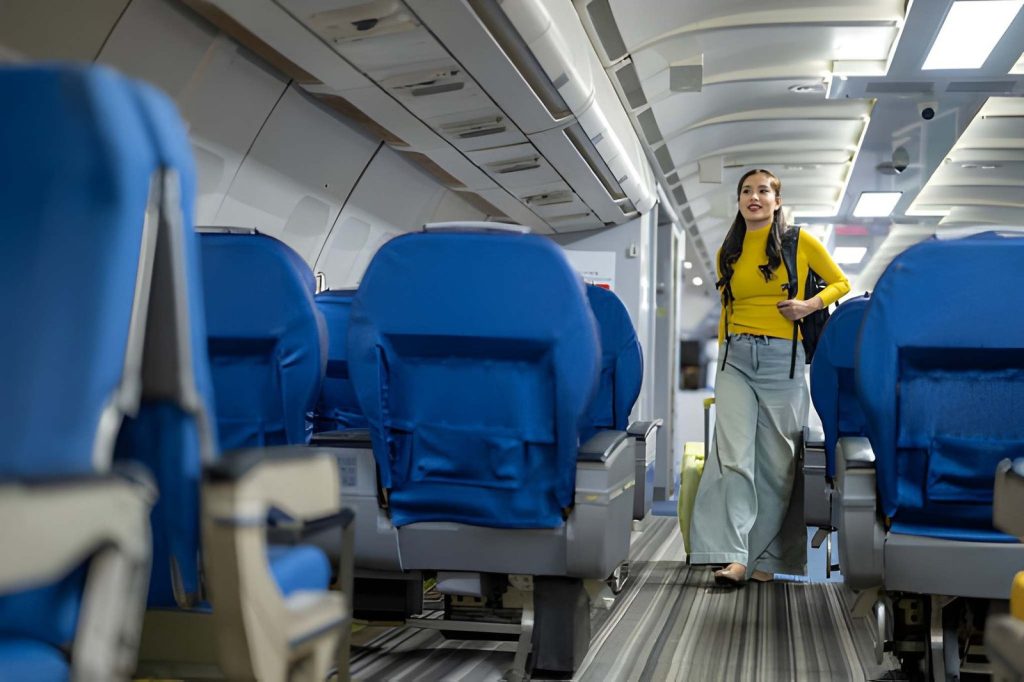
That attractive window seat might sit beside a lavatory wall. An aisle seat could be located next to a busy galley where crew members prepare meals throughout the flight. A seemingly quiet row may experience constant foot traffic from passengers waiting for the restroom.
Spending a few extra minutes examining the cabin layout often reveals these trouble spots before they become your problem.
Seat maps aren’t just for finding empty seats. They’re useful tools for spotting potential annoyances.
Assuming Every Window Seat Is The Same
Window seats are among the most popular choices in air travel.
People choose them for the views, privacy, and ability to lean against the aircraft wall while sleeping.
But not every window seat comes with an actual window.
Depending on the aircraft type and row placement, some seats align poorly with the window openings. Others may have partially blocked views because of structural sections within the cabin.
Few things are more disappointing than settling into a long flight only to discover you’re staring at a blank panel instead of clouds, mountains, or city skylines.
A quick aircraft-specific seat search before booking can often prevent this surprise.
Waiting Too Long To Revisit Your Seat Assignment

Many travelers treat seat selection as a one-time decision.
They choose a seat during booking and never look at it again.
That’s often a missed opportunity.
Airlines frequently release additional seats as departure approaches. Travelers cancel flights, upgrade cabins, or change itineraries, creating new seating options that weren’t available earlier.
Checking your reservation periodically can sometimes uncover better seats without spending extra money.
The same strategy applies when online check-in opens. New seat choices often appear during the final 24 hours before departure.
The travelers who pay attention usually have more options than those who wait until boarding.
Falling For Seats That Look Better on Paper
Extra legroom sounds fantastic. Bulkhead rows sound spacious. Exit rows seem like obvious upgrades. Sometimes they are. Sometimes they aren’t.
Seats with extra space often come with trade-offs that travelers don’t discover until after boarding. Fixed armrests can reduce flexibility. Limited recline may affect comfort on longer flights. Storage restrictions during takeoff and landing can become annoying when you need access to personal items.
The best seat isn’t always the one with the biggest advertised benefit. Comfort comes from evaluating the entire experience, not just one feature.
Forgetting That Aircraft Matter
One of the biggest mistakes travelers make is assuming every airplane offers the same seating experience.
Aircraft vary dramatically.
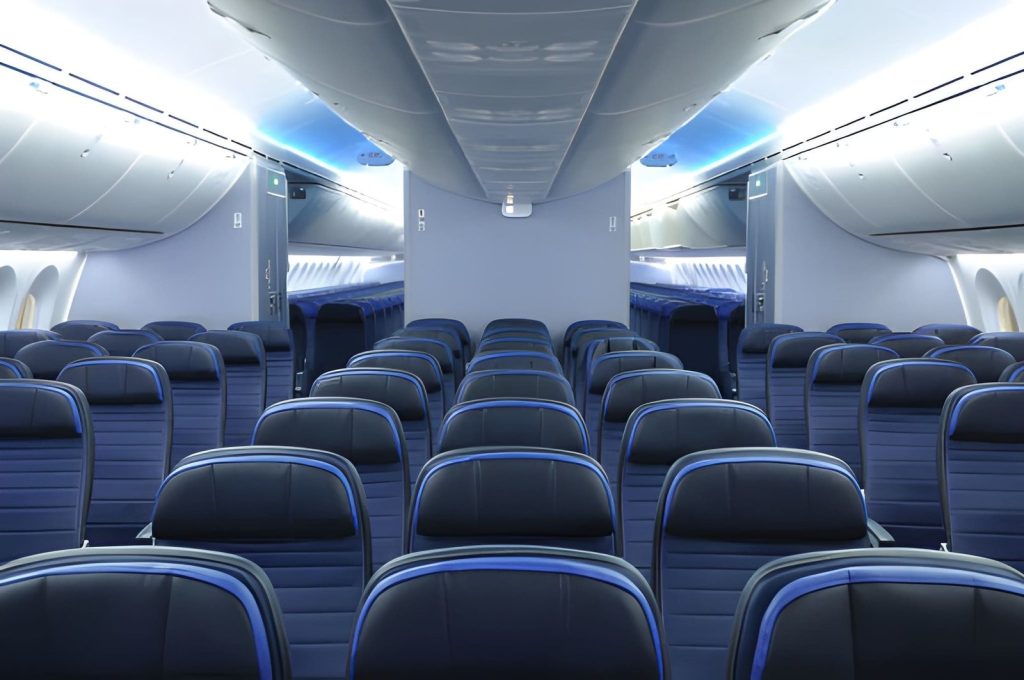
A seat that’s considered excellent on one plane may be far less desirable on another. Legroom, seat width, cabin layout, galley placement, and restroom locations can all change depending on the aircraft model.
Two flights operated by the same airline may feel completely different despite having identical seat numbers.
Frequent travelers often check the aircraft type before choosing a seat because they know the details matter.
A few minutes of research can reveal valuable information that isn’t obvious during booking.
A Better Seat Can Change The Entire Flight
Most travelers can’t control turbulence, delays, weather, or crowded airports. Seat selection is one of the few parts of the travel experience that they can influence.
That doesn’t mean spending extra money every time you fly. It means paying attention.
Review the seat map carefully. Check your assignment before departure. Research the aircraft when possible. Look beyond marketing terms like “preferred” or “extra legroom.”
A comfortable seat won’t guarantee a perfect flight.
But the wrong seat can make a perfectly good flight feel much longer than it needs to.
Frequent travelers know that choosing the right seat often comes down to experience and a little research. Inside the Points & Miles Insider community, members share airline tips, seat-selection strategies, and practical advice for making flights more comfortable.
The right travel card can also improve your overall flying experience through valuable perks and travel benefits. The Smart Search tool helps you find travel cards that align with your goals, making future trips more rewarding from takeoff to landing.