
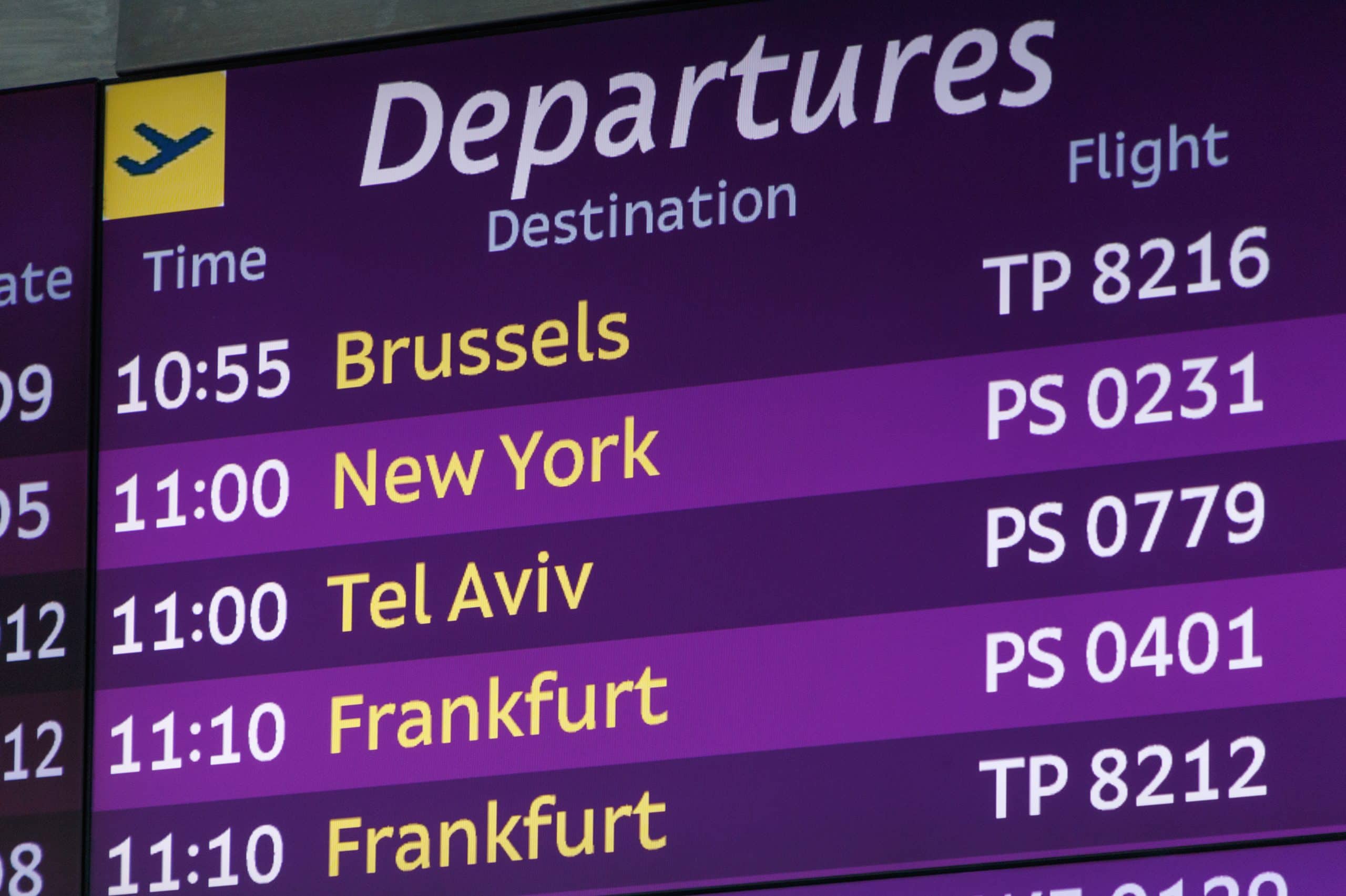
If you fly with any frequency, you have almost certainly dealt with airline schedule changes. You might plan the perfect trip, only to have the timing shift, the aircraft swap, or a segment get removed. While schedule changes feel like a nuisance for most travelers, we view them as an opportunity in the right circumstances, especially when you know how to respond quickly and take full advantage of the airline’s rebooking policies.
In this post, we take a closer look at airline schedule changes – why they happen, and how you can make the most of them.
Why Airlines Make Schedule Changes
Airline scheduling is a complex and constantly evolving operation. Teams evaluate demand to each destination, aircraft utilization, crew pairing and legality, maintenance needs, slot and gate availability, connection building, seasonal trends, airspace restrictions, and more.
As a result, airlines frequently tweak their schedules. While many carriers start selling flights roughly a year in advance, those long range timetables function more like planning placeholders than firm commitments. Schedules generally solidify as the departure date gets closer and operational details firm up.
For domestic travel, most people book within about two months of departure, and at that point schedules are usually more reliable. The further out you book, the higher the odds that you will see a change before you fly. In practice, most flights experience at least some adjustment between the date they become bookable and the day they operate.
Always Monitor Itineraries for Schedule Changes
In theory, airlines notify customers about changes by email, and sometimes by phone or app alerts. In practice, notices are not always timely or consistent. If you book a flight, monitor your reservation as the departure date approaches.
Do more than look for timing changes. Confirm that your seat assignments or extra legroom selections remain intact, verify connection times, and recheck terminal and gate information as you get closer to travel. If you book far in advance, review your itinerary every couple of weeks. If you book within weeks of departure, look every few days so you catch issues early.
Use Schedule Changes to Secure Better Flights or Get a Refund
A schedule change does not have to be a bad thing. Many of us welcome a meaningful change because it can unlock flexibility at no extra cost.
- If you experience a significant schedule change, airlines usually allow you to move to another available flight without paying a fare difference.
- If you have a significant schedule change and no longer want to travel, you may be entitled to a cash refund. The threshold that qualifies as significant varies by airline and route, so always review the carrier’s current terms before requesting changes or refunds.)
With a qualifying change, you can often improve your trip at no additional cost:
- You can rebook on a flight with more convenient timing, even if that option was priced higher when you first booked.
- You can rebook onto a more comfortable aircraft layout. For example, if you purchased a premium cabin ticket, you may be able to switch to a flight that offers a better seat configuration.
- You can adjust your connection point or buffer to something that works better for you, such as choosing a single connection instead of two or opting for a longer layover in a busy hub.
Do not expect major flexibility for a tiny shift. A two minute nudge usually will not qualify for a broad reroute. When the change is significant, however, most airlines will work with you to find a solution that meets your needs.
Maximizing Schedule Changes on Award Tickets
Schedule changes on award travel can be the best or the most frustrating part of planning, depending on how your ticket is issued.

When you redeem points directly with the same airline operating your flight, schedule changes can sometimes work to your benefit. The airline can sometimes place you on an alternate flight that would have required more points originally, or it can open space specifically to accommodate the new timing when it otherwise would not have been available.
The situation becomes more complicated with partner awards. If you redeem through one loyalty program but fly on a different airline, and a change creates a misconnect or removes a segment, the reservation may auto update with new flights. However, you usually will not have the same flexibility you would have if you had booked through the operating airline’s own program. One program cannot normally force another airline to release award space. Liaison teams can make reasonable accommodation requests, but the back and forth often takes time and is not instant. It can take many days, or even weeks, for a resolution.
It’s often best to avoid booking very complex partner itineraries far in advance, since cascading changes can be difficult to adjust later. We are comfortable booking simple partner journeys with reasonable connection times, and we recommend monitoring them closely so you can intervene early if a misconnect appears. When necessary, document the exact change, propose specific alternatives, and ask the issuing program to escalate.
Turn Schedule Changes into Better Trips
Airline schedule changes happen, and the further in advance you book, the more likely you are to have one. These shifts can be inconvenient if you designed your plans around a particular set of flights, but you can also turn them into a positive. A significant schedule change often lets you switch to better timings, a more comfortable aircraft, or even request a refund without extra cost. With proactive monitoring and a clear understanding of your options, you can protect your trip and sometimes end up with an even better itinerary than you started with.
