
You check a fare, hesitate, then come back hours later, and it’s gone. Not slightly higher. Sometimes double. That pattern isn’t luck or bad timing. It’s a system designed to move prices quietly as seats sell.
Airlines don’t price flights like retail products. They manage inventory in layers, adjusting what you see based on what’s already been sold and what they expect will sell next. Once you understand how that mechanism works, the price swings start to make sense.
How Airlines Split One Flight Into Many Prices

A single seat isn’t tied to one price. It’s tied to a category that sits inside a pricing ladder.
On a typical narrow-body aircraft, there might be 120 economy seats, but those are divided into multiple groups. The cheapest group could have only 6 to 10 seats. Once those are booked, the next group becomes the lowest available option.
That’s why a fare can jump even when most seats are still empty. The system isn’t reacting to total capacity. It’s reacting to how many seats remain in each pricing group.
Why Two Passengers Pay Completely Different Fares
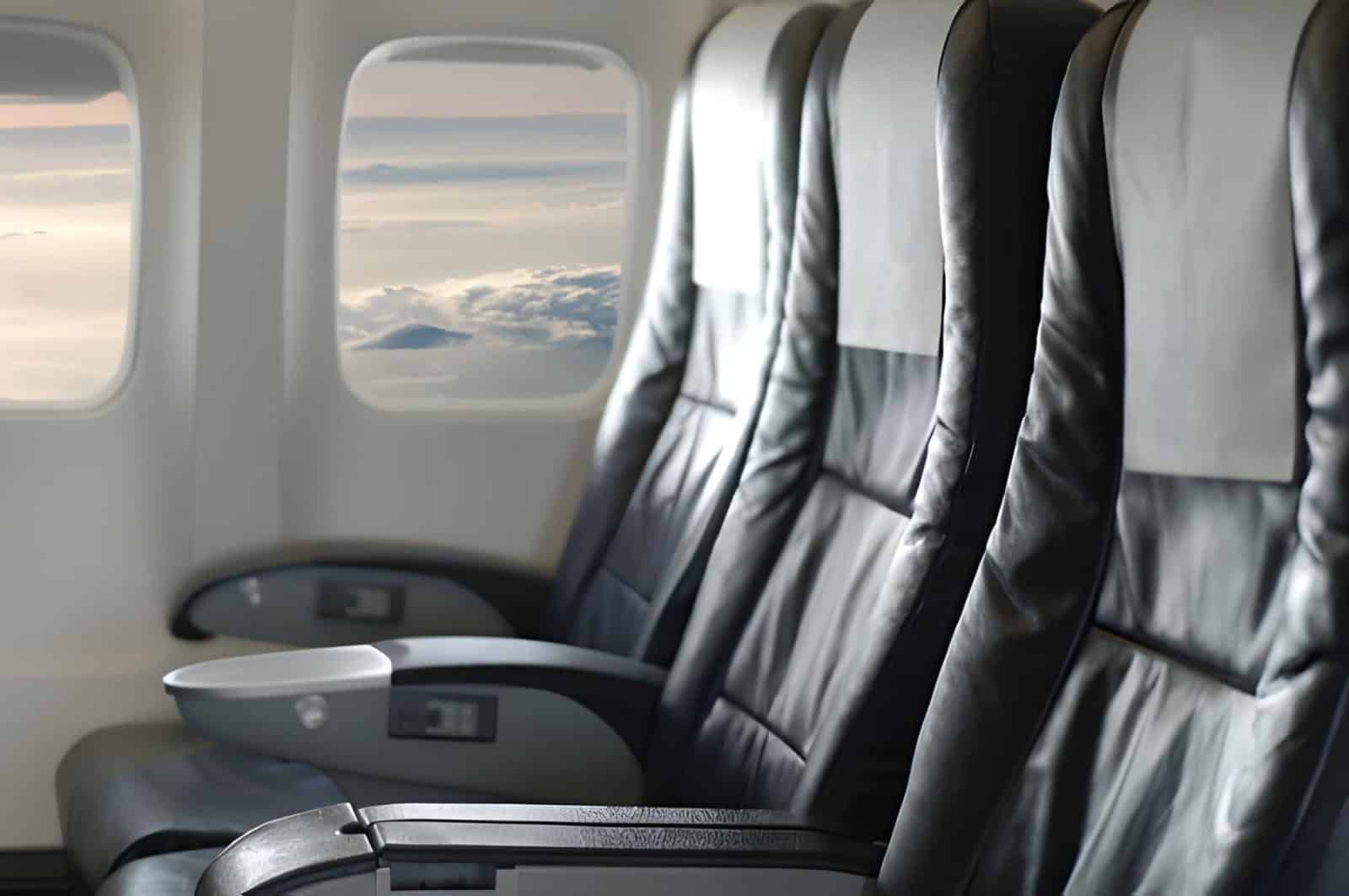
Sit in row 18 and ask the person next to you what they paid. The difference can be hundreds of dollars.
One traveler booked early when lower pricing tiers were still open. Another booked later, after those tiers disappeared. Both tickets look identical, but they were pulled from different parts of the pricing ladder.
That difference isn’t unfair. It’s how airlines manage revenue on every flight.
Why Prices Rise Even Without High Demand
Many travelers assume higher prices mean strong demand. That’s only part of the story.
A fare can increase simply because a small batch of lower-priced seats sold quickly. Even if the rest of the plane remains open, the system has already moved on to the next pricing tier.
For example, if a flight releases eight seats at $350 and those sell within a few hours, the next visible price might jump to $480. Nothing changed externally. The cheaper layer just ran out.
How Airlines Predict When to Raise Fares
Pricing isn’t static. Airlines monitor booking patterns constantly.
If a route is filling faster than expected, the system restricts cheaper tiers earlier. If sales slow down, lower tiers may reopen temporarily to encourage bookings.
This is why you sometimes see prices drop after rising. It’s not random. It’s a correction based on how the flight is performing compared to expectations.
Why Last-Minute Tickets Are So Expensive

As departure gets closer, airlines shift strategy.
They assume remaining seats will be purchased by travelers who need to fly, not those hunting for deals. That group is less sensitive to price, so only higher-priced tiers remain available.
This is why a ticket can climb from $500 to $1,100 within a few days. The system isn’t just reacting to demand. It’s deliberately removing cheaper options.
Why Popular Travel Dates Cost More Than You Expect
Timing plays a huge role in how fast pricing tiers disappear.
Flights during holidays, long weekends, and school breaks move through lower-priced inventory much faster. That pushes the visible price up earlier compared to off-peak travel.
Even shifting your trip by one or two days can place you back into a lower pricing tier. That small adjustment often saves more than any promo code.
How Fare Rules Quietly Affect Price
Not all tickets come with the same conditions.
Lower-priced options often include restrictions like no changes, no refunds, or limited baggage. Higher-priced tiers usually include flexibility, better seat options, or upgrade eligibility.
That’s why two tickets on the same flight can differ beyond just price. The rules attached to each tier also change the value.
Why Watching Prices Too Long Can Backfire

Waiting for a perfect deal is one of the most common mistakes.
When you see a strong price, it usually means lower tiers are still open. Waiting too long risks losing those tiers completely, especially on busy routes.
Price drops can happen, but they are not guaranteed. Once a flight crosses a certain booking threshold, it rarely returns to earlier pricing levels.
Practical Ways to Stay Ahead of Pricing
Start tracking flights early, even before you’re ready to book. That helps you understand the typical range for your route.
Check nearby dates and alternate airports. Small changes can expose lower pricing tiers that are already gone on your original plan.
When you find a price that sits on the lower end of the range you’ve observed, that’s often the moment to act. Waiting for something slightly cheaper can cost far more later.
Why This Changes How You Think About Booking
Flight pricing isn’t random, and it’s not designed to reward hesitation.
Once you see it as a layered system instead of a single price, your approach changes. You stop chasing the lowest possible fare and start recognizing when a good one is in front of you.
That shift is what separates occasional travelers from those who consistently avoid overpaying.
Flight Prices Make Sense Once You Understand the Layers
Airfare is not random. It moves through pricing tiers that disappear as seats sell, which is why hesitation often leads to higher costs. Once you recognize how fare buckets work, you stop guessing and start spotting good prices when they appear.
If you want to see how experienced travelers use this understanding to book at the right time, the Skool community is where those strategies are shared. You can learn how others read pricing patterns, avoid overpaying, and make faster decisions with confidence.
When you are ready to plan your next trip, use the Smart Search Tool to match your travel goals with the right earning and booking strategy. It helps you quickly find better options so you can act before lower fare tiers disappear.