
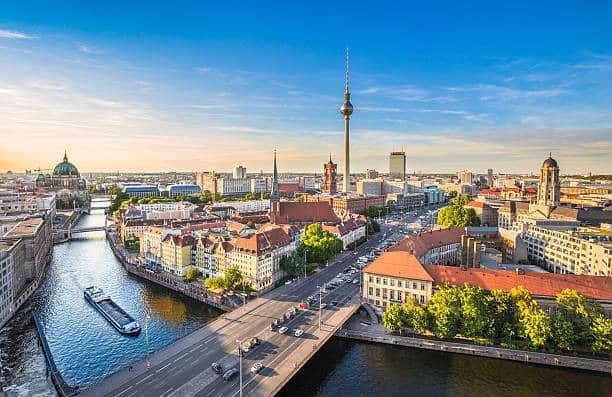
Europe still has cities and coastal corners where prices stay reasonable, crowds stay manageable, and flights don’t require perfect timing or luck. These places aren’t obscure for the sake of it. They’re simply overlooked because they don’t sit on the usual first-time itinerary. That’s exactly why they work so well if you care about value, pace, and substance over hype.
At-A-Glance Comparison
| Destination | Typical Flight Access | Best Time To Go | Daily Cost Level | Why It Stays Affordable |
|---|---|---|---|---|
| Brasov, Romania | Fly to Bucharest + train | April–May, Sept–Oct | Low | Cheap local transport and dining |
| Kroreza Beach, Albania | Tirana or nearby island + ferry | June–September | Low | Minimal development and low demand |
| Dubrovnik, Croatia | Seasonal direct or 1 stop | May, late Sept | Medium | Shoulder season pricing drops fast |
| Ennis, Ireland | Regional airport access | May–June | Medium | Lower lodging than major cities |
| Leipzig, Germany | Connect via large hubs | April–June, Sept | Medium | Culture without capital-city pricing |
| Ljubljana, Slovenia | Nearby hubs + short transfer | May–September | Medium | Compact city, low transit costs |
Brasov
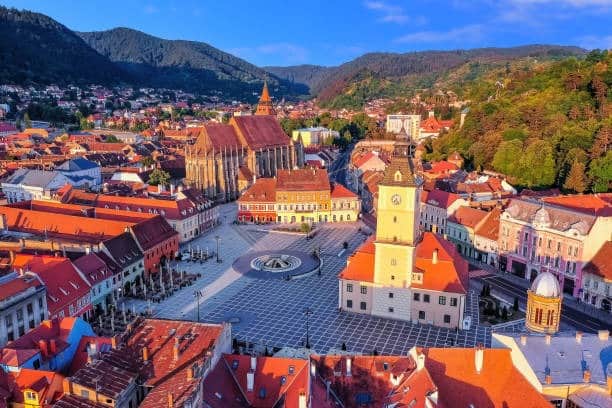
Brasov sits in central Romania, surrounded by forested mountains and stitched together with medieval streets that feel lived-in rather than staged. The old town revolves around a broad square filled with cafés, bakeries, and locals passing through on their way home. You can walk everywhere, linger without pressure, and still feel like you’re somewhere with weight and history.
Flights typically route through Bucharest, which keeps airfare competitive most of the year. From there, trains run frequently and cost very little. Once in Brasov, daily expenses stay low. Meals are filling and affordable, local transport costs almost nothing, and many of the best experiences involve walking the old fortifications or hiking nearby trails. Spring and early fall offer cool air, clear views, and fewer tour groups.
Kroreza Beach
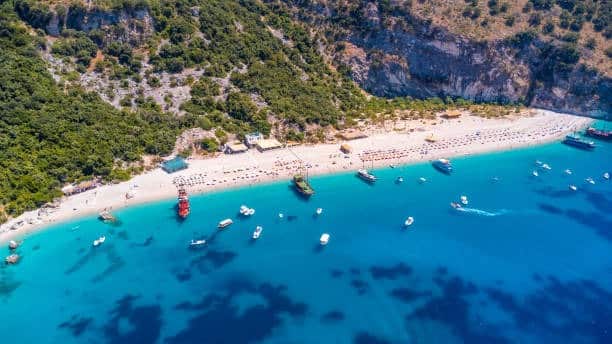
Kroreza Beach sits along Albania’s southern coast, far enough from major towns to stay quiet but close enough to reach in a day. The shoreline is wide and calm, the water stays clear, and development remains limited. You won’t find big resorts or nightlife blocks here, which is exactly the appeal.
Most travelers fly into Albania’s main airport or arrive via a nearby island, then continue south by bus or ferry. Flights can vary, but once you arrive, costs drop quickly. Simple meals, boat rides, and lodging stay well below Mediterranean averages. Kroreza works best if you’re comfortable with slower travel and flexible planning. Bring cash, pack lightly, and plan to stay longer than you think you need.
Dubrovnik
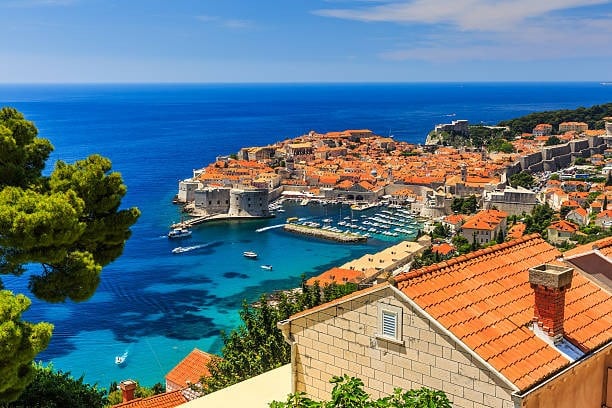
Dubrovnik is no secret, but timing changes everything. Outside the busiest summer stretch, the city becomes walkable, calm, and surprisingly reasonable. The old stone streets feel quieter early in the morning and after sunset, when cruise crowds disappear, and the city returns to its own rhythm.
Flights tend to price better in late spring and early fall, especially with one connection. Lodging costs soften once summer ends, and day trips to nearby islands become easier to manage. You don’t need guided tours here. Walk the walls early, swim at small beaches just outside the old town, and eat where locals gather rather than near main gates.
Ennis
Ennis offers Ireland at a human scale. The town center is compact, music spills out of pubs most nights, and locals treat visitors like neighbors rather than customers. Streets curve instead of grid, which encourages wandering without a plan.
Flights into western Ireland often cost less than routes into larger cities, and transport from the airport stays simple. Ennis makes a good base for day trips to coastal cliffs and rural villages, all without the hotel premiums you’ll find elsewhere. Food is hearty, prices stay steady year-round, and evenings revolve around conversation and music rather than ticketed attractions.
Leipzig
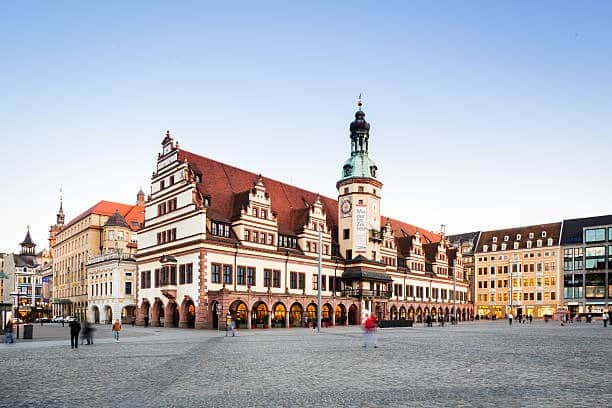
Leipzig doesn’t try to impress. It doesn’t need to. The city balances history, art, and everyday life in a way that feels organic. Old industrial buildings now hold galleries and cafés, while the historic center remains practical and easy to navigate.
Flights usually connect through larger European hubs, which keeps fares within reach most of the year. Public transport works well, but much of the city can be explored on foot. Museums are affordable, concerts don’t require premium pricing, and neighborhoods like Plagwitz reward curiosity. Leipzig suits travelers who want culture without ceremony and cities that function rather than perform.
Ljubljana
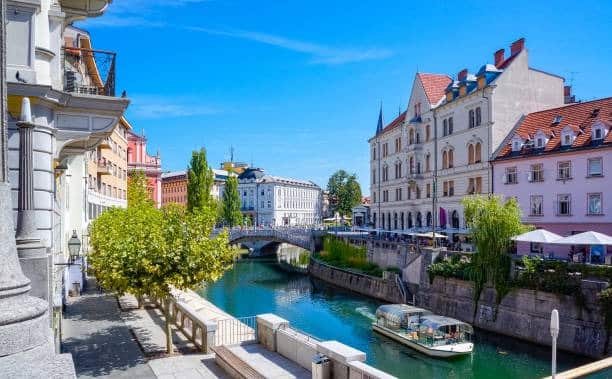
Ljubljana is compact, green, and unusually calm for a capital. The river curves through the center, lined with outdoor seating and bridges designed for walking rather than traffic. Cars fade into the background, replaced by bikes and conversation.
Flights often route through nearby countries, and ground connections from neighboring cities make arrival flexible. Once there, costs remain moderate. Food focuses on seasonal ingredients, lodging stays are accessible, and most attractions sit within walking distance. Day trips to alpine lakes and quiet countryside are easy and affordable, making Ljubljana a strong choice for travelers who prefer balance over intensity.
How To Keep Flights Affordable
Cheap flights don’t come from guessing. They come from flexibility and patience. Midweek departures often cost less, and shoulder seasons bring better pricing without sacrificing comfort. Nearby airports matter too. Flying into a neighboring country and continuing by train or bus can reduce airfare significantly.
Booking windows matter most for smaller cities. Six to eight weeks ahead works well for many routes, while less frequent destinations benefit from earlier planning. Watching prices over time helps you recognize when a fare drops below its usual range instead of reacting to one-day sales.
Choosing Value Over Volume
These places work because they don’t require rushing. You can stay longer, spend less, and still leave feeling like you experienced something meaningful. None of them demand expensive tours or constant reservations. They reward walking, conversation, and curiosity.
Europe hasn’t become unaffordable. It’s just uneven. Pick places where daily life still matters more than marketing, and the numbers tend to follow.
Travel Europe With Better Timing Instead of Guesswork
Our group at The Miles Academy focuses on finding places like these before prices harden. Members see how flights into secondary cities usually behave, which seasons stay forgiving, and when a fare is actually worth booking instead of hoping it drops later. That context makes trips like Romania, Albania, or Slovenia far easier to plan without stress.
Once a good flight appears, this card finder tool helps you decide how to pay without slowing down. It narrows options fast, so you are not stuck comparing tabs while prices move. That matters most on routes where deals do not last long.
