
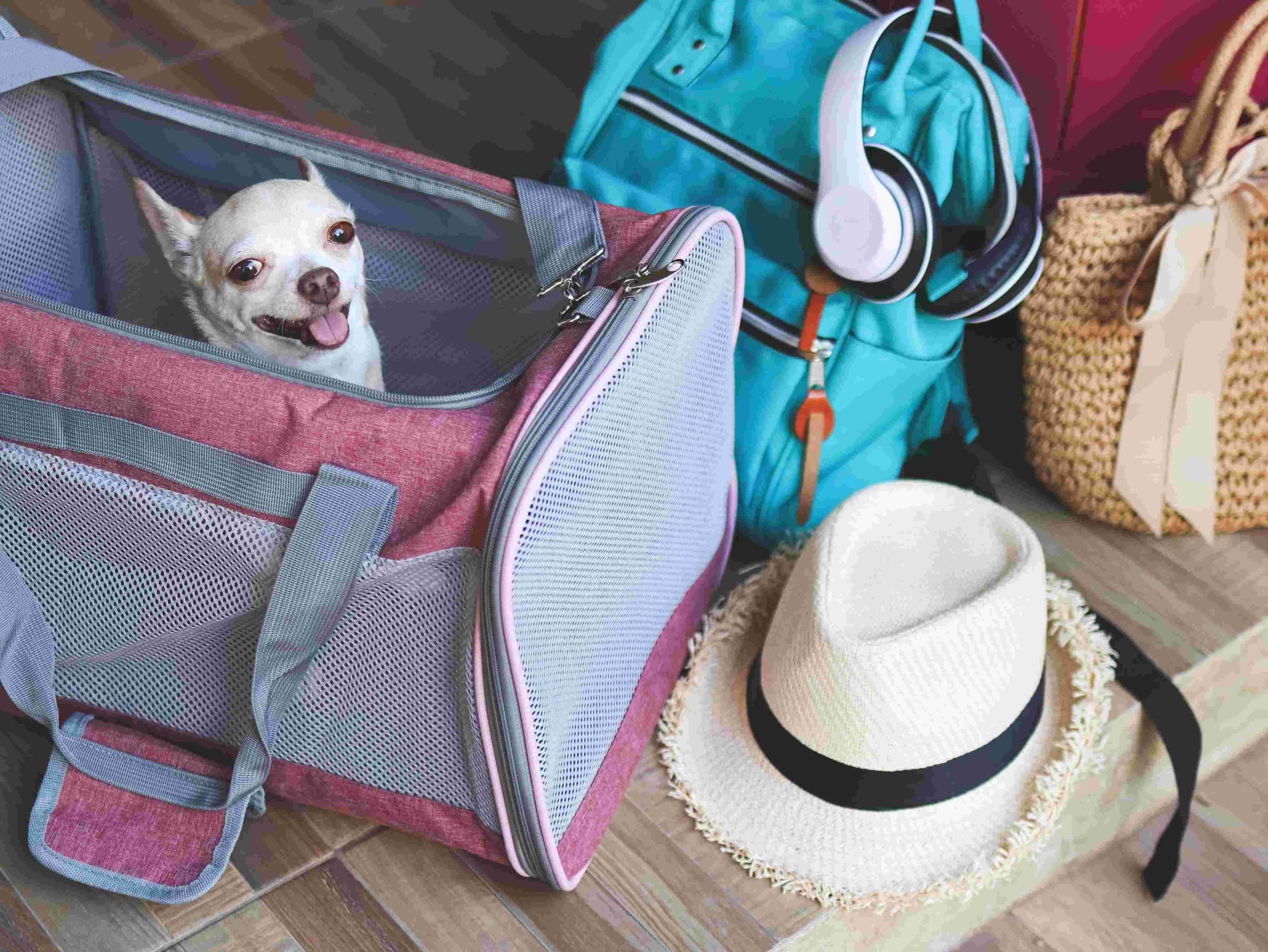
Traveling with a pet, especially the first time, can feel huge and stressful for both you and your furry buddy. You are trying to follow rules, keep schedules and stay calm while your pet has no idea why everything suddenly changed. That is why we usually suggest that you only bring a pet when you truly need to and when you can plan things out well.
Some animals handle new places and long trips easily. Others get nervous, carsick or scared by loud sounds. Just like people, every pet has its own personality, history and comfort level. Whether your pet is taking its very first trip or already has a long list of adventures, our tips will help you get ready and make the journey easier and safer for both of you.
Before The Trip Starts
Before you book tickets or reserve a room, make sure your pet is actually able to handle travel. Some animals should not be on the road or on a plane at all because of age, illness, injury or temperament. Very young animals, senior pets, pets with breathing problems or pets that bite or panic easily may be better off staying home with a trusted sitter.
If you feel unsure, talk with your veterinarian. Your vet knows your pet’s medical history and can help you decide if travel is safe right now. This is also a good time to ask about vaccines, flea and tick prevention, motion sickness, anxiety and any medicine your pet might need while you are away. (Check current health guidelines before you travel.)
ID That Actually Helps
Next, make sure your pet can be identified quickly if you get separated. Start with a sturdy collar and a clear ID tag. The tag should list your home address and your mobile number so people can reach you fast. For trips where you stay in a hotel or rental, add a temporary tag with the name, address and phone number of the place where you will be staying.
If your pet is not microchipped yet, consider doing that before your trip. A microchip is a tiny device placed under the skin that gives your pet a permanent form of ID that cannot slip off like a collar. If your pet already has a chip, log in to the registry or call the company and double check that your phone number, email and address are correct and up to date.
Take a few clear, recent photos of your pet from different angles and save them on your phone. If your pet gets lost, these pictures will help shelters, vets and local animal groups know exactly what your pet looks like.
Health Records And Travel Paperwork
Now gather your pet’s medical information so you have it ready if something happens on the road. Take photos or scans of your pet’s vaccination records, recent checkup notes and any prescription details. Save these on your phone and in a cloud folder so you can pull them up even if you lose your bag.
Some states and regions have strict rules for animals that cross borders. They may require proof of rabies shots, an Official Health Certificate or a Certificate of Veterinary Inspection signed by a vet. You might need a visit shortly before your trip so your vet can examine your pet and complete the forms. Requirements can change, so always check the latest rules from official sources or ask your vet to guide you. (Check current regulations before you travel.)
If you plan to move around inside certain regions often, such as within parts of Europe, it can be helpful to get your pet a standard travel booklet used in those areas. This kind of pet travel document can keep vaccines, microchip details and vet visits together in one place and may make future trips smoother.
Picking The Right Gear
The carrier or crate you choose has a huge impact on your pet’s comfort and safety. It should be strong, well ventilated and large enough for your pet to stand, sit, turn around and lie down in a natural way. If the space is too small or stuffy, your pet may overheat or feel trapped.
Introduce the crate or carrier at home long before the trip. Place it in a quiet room with the door open and put a blanket and a few treats inside. Let your pet explore at their own pace. Once they feel safe going in on their own, you can start closing the door for a few minutes at a time so they learn that the carrier is a cozy den, not a punishment.
Before you buy anything new, look carefully at the current size rules and design requirements from the airline or train company you plan to use. Many have exact measurements for carriers that go under the seat or in the cargo area. Choose a soft sided or hard sided carrier that meets those rules and still gives your pet room to move. If you are not sure, reach out to the company and ask for details before you spend money. (Check current travel policies before you buy gear.)
It also helps to pack a simple pet travel kit. Include collapsible bowls, extra food, water, waste bags, a spare leash, any medicine your pet takes, grooming wipes and a favorite toy or two. Keeping everything in one small bag makes it easier to care for your pet during the trip.
Getting Ready To Move
No matter how you travel, one of the easiest ways to keep your pet calm is to help them burn off energy before you leave. A long walk, a game of fetch or a big play session before the trip can help your pet feel relaxed and ready to nap once you start moving.
Inside the crate or carrier, place a soft blanket or bed that smells like home. You can also add a T shirt or cloth you have worn. Familiar smells can comfort a nervous pet and remind them that they are safe with you.
Safe Road Trips With Pets
1. Practice Time In The Car
Before you plan a long drive, give your pet time to get used to being in a car. Start by sitting together in a parked car with the engine off so your pet can sniff and explore without feeling the car move. When your pet seems relaxed, turn on the engine for a short time while staying in place.
After that feels normal, take very short drives around your neighborhood. Go somewhere fun, such as a park or a quiet walking area, instead of heading straight to the vet. This helps your pet connect car rides with good experiences. Offer treats and calm praise after each ride. Over time, slowly make the trips longer so your pet learns that staying in the car is safe.
2. Keeping Your Pet Secure
Pets need safe seating just like people do. Your pet should ride in the back seat in a secure setup. You can use a travel crate that is strapped in, a special harness that connects to the car’s seat belt or a pet car seat for small animals. The goal is to keep your pet in one safe spot.
Do not drive with your pet on your lap. A sudden stop can throw your pet into the steering wheel or dash, and even a calm pet can panic, jump down and get caught near the pedals. It is also risky to let your pet ride in the front seat because airbags are designed for humans, not animals.
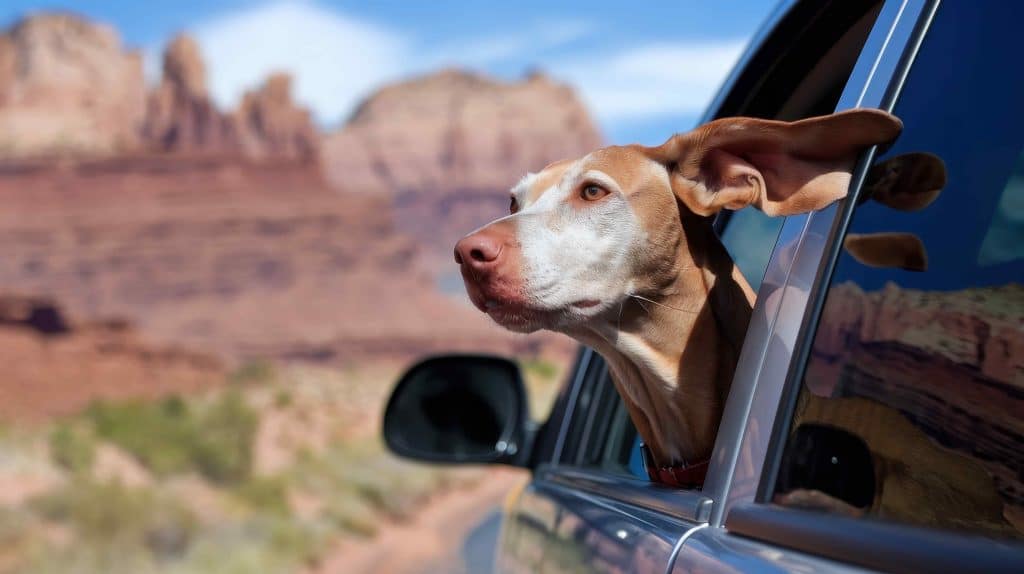
Try to keep paws, noses and ears inside the car. Many pets love to stick their heads out of the window, but rocks, insects and tree branches can cause painful injuries. You can open the window a little for fresh air while keeping your pet safely inside and secured.
3. Food, Breaks And Temperature
Feed your pet a light meal at least four hours before you start a long trip. Avoid big meals right before or during the drive unless your vet tells you otherwise. This lowers the chance of motion sickness and upset stomach.
Plan to stop every two to three hours during long drives. Use these breaks to offer water, give your pet a chance to use the bathroom and let them stretch their legs. Parking in a quiet spot away from traffic can make these breaks less stressful. If your pet is known for marking or having accidents, use a waterproof seat cover, a crate liner or rubber mats to protect your seats and floors.
Watch the temperature closely. Make sure air flows to the back so your pet does not get too hot or too cold. In very warm weather, touch the area where your pet is riding to check if it feels comfortable. Loud music and strong bass can also bother sensitive ears, so try to keep the sound lower in the space where your pet is sitting.
One rule is firm. Never leave your pet alone in a parked car. On a hot day, the inside of a car can reach dangerous temperatures in minutes, even if the windows are slightly open. In cold weather, the car can also get too cold very quickly. It is safer to bring your pet with you or leave them at home with someone you trust than to risk their health.
Flying Together In The Cabin
When Small Pets Can Fly With You
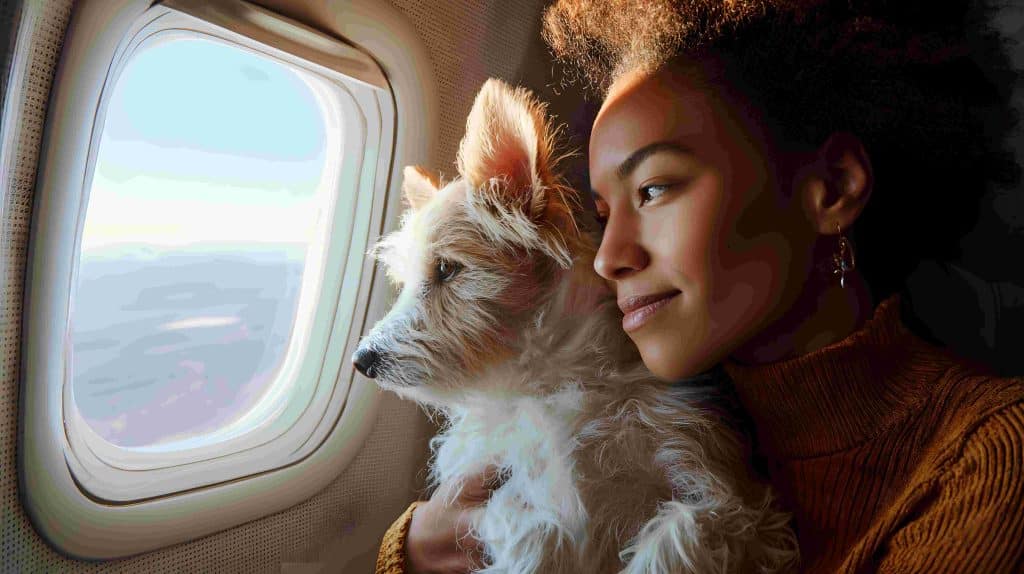
Many airlines allow smaller pets, often around 20 pounds or less including the carrier, to fly in the cabin with an adult passenger. There is usually a limit on how many pets can be in the cabin on each flight, so contact the airline early to add your pet to your booking.
If you have some flexibility, try to choose midweek flights. These are often less crowded than weekends or major holidays, which can make the experience calmer for both you and your pet.
Plan For The Airport And Delays
Try to avoid flying with your pet during big holiday periods when airports are packed. When possible, choose nonstop routes so your pet deals with fewer takeoffs, landings and gate changes. If you must have a layover, check whether your airports have pet relief areas. Many large airports now offer indoor or outdoor spots where pets can walk and use the bathroom.
Always pack a small pet kit in your carry on bag, not in checked luggage. Include extra food, treats, a collapsible bowl, waste bags and a small toy or chew. If your checked bag is delayed or lost, you will still have what your pet needs.
Once you board the plane, place the approved carrier under the seat in front of you or in the spot the crew tells you to use. Some seating layouts have special rules for where pet carriers can go, so follow the directions the crew gives you while still keeping your pet’s safety in mind. One thing you should not do under any circumstance is put your pet in an overhead bin, even if someone suggests it.
During takeoff, you can offer a small amount of water or an ice cube for your pet to lick. Swallowing can help ease pressure changes in their ears as the plane climbs.
When Pets Have To Fly In Cargo
We generally do not recommend using the cargo hold for pets unless there is no other real option. However, larger animals that cannot fit safely in the cabin may have to travel this way.
Airlines have very different rules for pets in the cargo area. Some do not allow pets in the hold at all. Others restrict certain breeds, especially short nosed dogs and cats, because they can have more trouble breathing. Always check the most recent pet policies with the airline before you book, and confirm again as your trip gets closer.
Try to avoid cargo travel during extremely hot or very cold times of year. Even if the cargo hold is temperature controlled during the flight, your pet will face outside air when the crate is moved on and off the plane. Early morning or late evening flights in summer and midday flights in winter can sometimes be safer choices. Nonstop flights are also better because they reduce the number of times your pet is handled.
Getting The Crate Ready
Prepare your pet’s crate carefully before you head to the airport. Label it clearly with a large “live animal” sign and your contact details, including your name, mobile number, home address and the address and phone number where you will be staying. If you are flying to a country where a different language is used, adding a translation of “live animal” can help ground crews understand quickly.
Pick a sturdy crate with a strong door, often metal, that lets your pet stand fully and turn around with ease. Make sure there is good ventilation on several sides and that the bottom is solid and waterproof. Use secure locks or latches so the door cannot pop open while staff are moving the crate.
Place an absorbent pad or liner inside the crate along with a familiar blanket or towel so your pet has something soft and comforting. For water, you can freeze a shallow bowl or use a special spill resistant crate bowl. As the ice melts, your pet will have water without it splashing out during loading.
At the airport, ask the gate agent to confirm that your pet has been loaded on the plane and is listed correctly. When you board, let a crew member know that you have a live animal in the hold so they can keep that in mind while monitoring cargo conditions.
Pet Friendly Places To Stay

Finding The Right Place
Before you confirm any booking, spend some time checking which hotels, rentals or serviced apartments are truly pet friendly. Many places welcome animals, but their rules and fees can be very different. Some only allow small dogs, others allow multiple pets and some limit animals to certain floors or specific rooms.
Read the pet policy closely. Look for details about extra charges, cleaning fees, deposits, size limits and rules about leaving pets alone in the room.
Making The Room Comfortable
If you can, ask for a room on the ground floor near an exit or grassy area. This makes bathroom breaks easier early in the morning and late at night. Many properties do not allow pets on the furniture, and you should respect the rules. Still, if you know your pet tends to hop on the bed or chairs, place an extra towel or blanket over those spots to help protect them from fur, scratches and stains.
Even well trained pets can have accidents in new places. New smells, sounds and routines can make animals nervous. To avoid problems and extra cleaning costs, put down a pee pad or waterproof mat in one corner of the room where your pet can go if they need to. Bring your pet’s normal bed, regular food and a favorite toy so the room feels more familiar.
Being A Good Guest With Your Pet
Finally, remember that you and your pet are sharing the space with other guests. Keep your pet leashed in hallways and common areas, and try to prevent constant barking or loud noises, especially at night. Always pick up after your pet during outdoor walks and dispose of waste properly.
When we travel thoughtfully with our animals, it becomes easier for more hotels and rentals to welcome pets in the future. With some planning, patience and the right gear, you and your furry friend can enjoy the journey together instead of just worrying about the next step.
Keep Learning With TheMilesAcademy
Traveling with pets adds extra layers to every trip, from choosing the right routes to finding animal friendly places to stay. If you want more help making smart travel choices, you can join our free TheMilesAcademy community. We share simple, step by step tips to help you plan trips, stay safe with your pet and stretch your travel budget.
If you also want guidance on which cards might fit your travel style, you can use our free card finder tool. You just answer a few quick questions about how you travel, and we point you toward options that can help you earn more rewards and organize your spending. When you combine better planning, a strong travel routine and the right tools, it becomes much easier to enjoy future adventures with your pet.