
In December 2024, the United States Department of Transportation (DOT) introduced the idea for a new rule that could have changed how airlines treat you when a trip goes off the rails. The basic promise was simple to understand. If your flight was badly delayed or canceled for a reason the airline could control, the airline would have to give you money, help you get to your destination, and cover basic needs like food and a place to sleep. The goal was to move closer to the kind of clear passenger protections that already exist in parts of Europe and the United Kingdom.
The problem was timing. This plan showed up near the end of one presidential term, so the DOT did not have enough time to finish the full legal process before the next administration came in. By law, the agency first had to ask for public comments, look at all the responses, and then turn the draft into a final rule. That takes many months.
Because of that slow process, the proposal carried over into the next administration, which had a very different opinion about how strictly airlines should be regulated. The new leaders at the DOT signaled early that they did not want to keep pushing this project. That warning has now turned into a final decision. The proposed rule has been dropped, and the idea of guaranteed cash compensation for delayed and canceled flights in the United States has been put aside for now.
Given the political shift and how strongly many airline executives fought the plan, we are not shocked by this outcome, even though we are disappointed by it.
How The Earlier DOT Plan Was Supposed To Help Travelers
To understand what has been lost, we need to look at what the DOT under the earlier administration actually proposed in December 2024. The draft rule was designed to protect you when an airline’s own choices or systems left you stuck.
The core idea was straightforward. If a disruption was caused by something within the airline’s control, the airline would have to take care of you in several specific ways. Under the proposal, airlines would have been required to:
- Provide cash compensation to passengers when the disruption was caused by the airline
- Rebook affected travelers on the next available flight at no extra cost
- Pay for meals, overnight lodging, and transportation between the airport and the hotel when people were stuck overnight
These protections would have applied when the cause of the disruption was something like a mechanical issue, an internal crew scheduling mistake, or a breakdown in the airline’s own computer systems. The rule was not aimed at delays caused by storms, natural disasters, or air traffic control restrictions.
So if a flight was delayed because an airline did not schedule enough staff, had preventable maintenance problems, or let its own technology fail, you would have had clearly defined rights. The airline would not just be “sorry.” It would owe you something real.
What The Rule Tried To Fix For Stranded Passengers
The DOT was also aiming at a problem you have probably felt personally: confusing and vague rules that leave you guessing what you are actually owed. Right now, airlines create customer service plans and contracts of carriage that are packed with legal language and often leave big gaps.
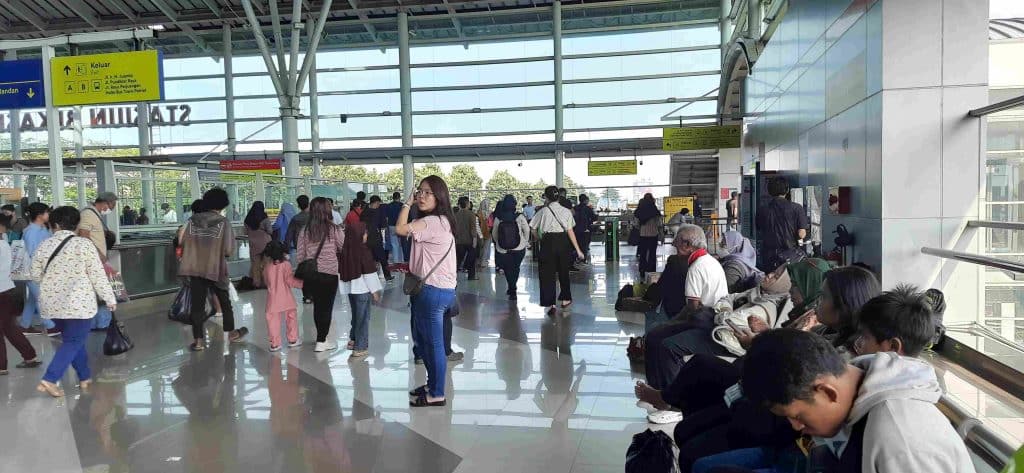
There is usually no strong requirement for an airline to clearly tell you what support you qualify for when your flight is delayed or canceled. You often have to stand in a long line at a service desk or wait on hold while many other frustrated travelers do the same thing.
Frontline employees may not know whether a delay officially counts as “within the airline’s control.” They may not have enough meal or hotel vouchers for everyone. They may not have the authority to offer what the fine print hints at. Because of all this, many passengers end up paying out of pocket for food, hotels, and transport simply because it feels easier than arguing.
Making Reimbursement Rules Easier To Understand
On top of that, airlines do not always clearly explain how reimbursement works if you cover costs yourself. Policies can be buried deep in their websites and may not say how much you can expect back, what kinds of expenses count, or how long reimbursement might take. It is easy to miss out on money you should have received.
The DOT’s rulemaking was meant to close these gaps and set a basic national floor for what airlines must provide when travelers are stranded for reasons that are at least partly within the airline’s control. The idea was that no matter which airline you flew, you would have simple, clear expectations for how you would be treated when things went wrong on the airline’s side.
How The Proposal Would Have Handled Cash, Meals, And Hotels
Under this proposal, carriers would have been required to pay cash compensation when trips were seriously disrupted and the cause was within their control. Regulators discussed using a tiered system for domestic flights based on the length of the delay.
The draft ranges they talked about looked something like this:
- Around 200 to 300 dollars for delays of roughly three to six hours
- About 375 to 525 dollars for delays of roughly six to nine hours
- Around 750 to 775 dollars for delays of nine hours or more
These figures were examples raised during the rulemaking process, not final rules. They would have been refined through more analysis and public feedback. (Check current terms before relying on any specific amounts.) The main idea was that the longer your delay from an airline-controlled problem, the higher the compensation you would receive.
The DOT also asked for feedback on whether smaller airlines should have slightly different requirements from the largest carriers and whether compensation should still be required if you received notice of a major schedule change a week or two before your trip. Those details were still open questions when leadership changed.
Support You Should Get Beyond Cash
Beyond direct cash payments, the proposal focused on the basics you need when you are stuck for hours or overnight. It aimed to create clear standards for:
- Meal support when you are delayed for several hours at the airport
- Overnight lodging that meets basic comfort and safety levels
- Ground transportation between the airport and your hotel, including both the ride to the hotel and the trip back

The DOT even explored the idea of automatic minimum reimbursements. Under that kind of system, if an airline failed to provide services upfront and you did not send in receipts, the airline could still have been required to pay at least a standard minimum amount per eligible service, up to a cap. The goal was to make sure you did not have to fight for every snack, taxi ride, or basic expense when the airline caused the problem.
How Rebooking Rules Would Have Helped During Airline Meltdowns
Another big part of the proposal dealt with what happens when an airline’s schedule completely unravels. Many of us have seen those days in huge airports like Atlanta, Chicago, or Dallas where a carrier has a meltdown, flights cancel in waves, and the lines at customer service desks snake around the terminal.
Under the draft rule, if a delay or cancellation was within an airline’s control, that airline could have been required to move you to the next available flight operated by any carrier it had a commercial agreement with, not just its own flights. That single change could make a huge difference in your actual travel experience.
Imagine that you are stuck in Atlanta after your original flight is canceled because of a preventable computer outage. Your airline has no open seats until three days later. Without strong rules, the agent might tell you that your only choices are to wait several days or take a refund and figure everything out yourself.
With a strong rebooking rule in place, the airline would have to look at partner carriers and move you to another airline’s flight if there was space. That could mean getting home the same day or the next morning instead of losing half a week in the terminal or spending a lot of money to buy a last-minute ticket.
The DOT’s proposal tried to make that kind of protection a clear federal standard instead of leaving it to scattered, confusing, and easily changed company policies.
Why The New DOT Team Pulled The Plug On The Rule
In January 2025, a new presidential administration took office. That meant a new Transportation Secretary and a new leadership team at the DOT. Along with these changes came a different way of thinking about regulation. The new leaders focused more on reducing what they saw as extra costs and paperwork for airlines than on adding new obligations to protect passengers.
When this new team reviewed the draft rule, they chose not to move it forward. In public statements, the DOT described the proposal as creating unnecessary regulatory burdens. Airline industry leaders had already been strongly against the idea of mandatory cash compensation and strict support rules, and under the new leadership, their view won.
For now, this decision means there is no federal rule in the United States that requires airlines to pay cash when a flight is delayed or canceled for reasons they can control. There is also no new national rule that clearly forces airlines to pay for meals and hotels in a predictable way or to rebook you on another carrier when their own operation falls apart.
Many travelers are not only disappointed about losing the chance for stronger rights. They also worry that some of the protections that already exist could be weakened in the future. Airlines have argued that they should have more freedom to set their own rules and that fewer limits will somehow create a new golden age of air travel.
When Getting Rebooked Matters More Than Cash
Cash compensation can take away some of the sting of a long delay, but many times what you really need is to actually get where you are going. That is why rules about rebooking on other airlines are so important.
Picture this situation. You are set to fly home from a busy airport. At the last minute, your flight is canceled because of a preventable problem, such as an airline’s internal computer failure or a crew scheduling mistake. You stand in line at the desk, finally reach an agent, and hear that the next available seat on your airline is two or three days away.
You can wait those extra days and take the new flight, or you can accept a refund and try to rebuild your trip on your own. At the same time, other airlines may have open seats later that same day or early the next morning.

Without strong rules, your original airline might not feel much pressure to buy you a ticket on another carrier, even if that would fix your problem quickly. The cost and stress shift to you instead.
A clear rule that forces airlines to move you to another carrier when the disruption is clearly within their control and other flights have space would completely change that situation. You would have a much better chance of getting home close to your original schedule instead of losing days of your life inside an airport.
Figuring Out When A Delay Is The Airline’s Fault
The hard part is deciding what really counts as “within the airline’s control.” Airlines are often quick to blame weather or air traffic control issues, even when the full story is more complicated. For strong protections to work, there would need to be a fair and transparent way to decide whether a delay or cancellation was truly caused by the airline.
That might involve better tracking of delay causes, more detailed reporting to regulators, or clear ways for passengers to challenge an airline’s claim about why a flight was late. Without that kind of system, carriers could point to outside factors for almost every problem, and the rules would not have much force.
Join Our Free Community To Handle Flight Disruptions Better
If all of this feels complicated, you are not alone. Most travelers do not have the time or energy to read every rule, track every change, or dig through long documents when they are already stressed at the airport. That is one of the reasons we created our free TheMilesAcademy community. Inside, we walk you through real travel situations, share simple checklists, and show you how to speak up calmly and clearly when your trip is disrupted.
In our community, we talk about how to keep backup options in mind, what to ask at the desk when your flight is delayed, and how to stay organized with your receipts and records. You can learn from other travelers, see what has worked for them, and get ideas you can use on your next trip so you are not starting from zero when things go wrong.
We also give you access to our free card finder tool so you can explore different types of travel cards in a simple, non-branded way. You can sort options by the kinds of trips you want to take, the spending you already do, and the rewards you care about most. That way, when you plan your future travel, you are not only more prepared for delays and cancellations, you are also in a better position to earn and use points for flights, hotels, and other costs.
Our goal is to help you feel less powerless when airline operations fall apart. By understanding your rights, planning smarter, and using tools that match your travel style, you can protect more of your time, money, and sanity every time you fly.