
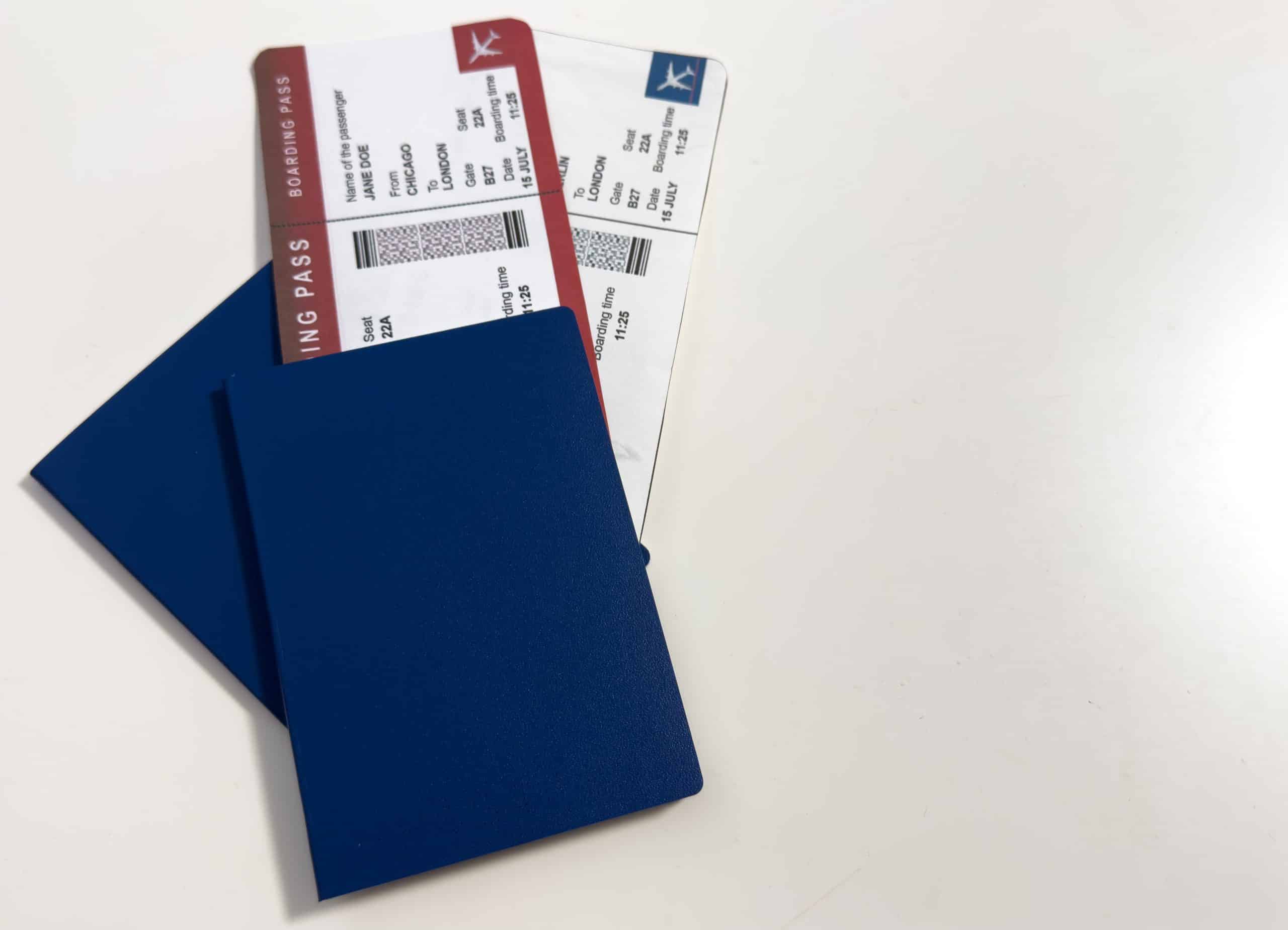
Airline prices can be confusing, but that confusion sometimes creates chances to save money. In this article, we explain hidden city ticketing in simple terms. We cover why prices look strange, what this tactic is, how people try it, and the risks you should understand before you decide if it is worth it.
Airline Pricing Is Unbelievably Complex
Airlines try to earn as much as they can on every flight. A seat is like fresh food. If the plane takes off with an empty seat, the chance to sell it is gone. Because of that, prices are based on demand, not on the exact cost of flying one person. When more people want a seat, the price goes up. When fewer people want a seat, the price can go down.
In simple terms, airlines separate travelers who can pay more from travelers who want the lowest price. People who must arrive at a set time, like for work or an event, often pay more. People who can be flexible, like vacationers with open dates, often pay less. Here are common patterns you will notice:
- Nonstop flights usually cost more, especially when one carrier controls the route. Many travelers pay extra for the time savings.
- Connecting trips can be cheaper, even if you fly farther or spend more time. Extra time is the tradeoff for the lower price.
- Prices reflect what people are willing to pay. Some tickets have large profit margins, and some are sold very close to the airline’s costs. Filling a seat for a small profit is still better than leaving it empty.
- Timing matters. Early-morning and Sunday-evening flights often cost more, while midday or late-night flights can cost less.
- The calendar matters. School breaks, big events, and holidays can raise prices because more people are traveling.
Big picture, moving passengers is a tough, low-margin business. Many costs add up, like fuel, staff, and maintenance. Planes cost a lot to buy and to keep in good shape. Airports and air traffic systems also add fees. Airlines try to balance all of this with smart pricing. For our goals here, remember this: prices come from demand and competition, not a simple cost formula.
What Is Hidden City Ticketing?
Hidden city ticketing, also called throwaway ticketing, is when you buy a ticket that goes past the city you really want to visit because that longer ticket is cheaper. You fly to the connection city you actually need, then you do not take the last leg. This takes advantage of pricing patterns that can make longer trips cheaper than short ones.
Here is an easy example. Think about a short flight from a small city to a large hub. Many people want that nonstop, so the price can be high. But a ticket from the small city through the hub to a very popular destination may be cheaper, because there is more competition on the longer route. With hidden city ticketing, you would get off at the hub, which is your true destination, and skip the final flight.
Why can a longer trip cost less? The pricing system balances competition and traveler behavior. The hub-to-big-city market is competitive and price-sensitive. The short nonstop into the hub may be dominated by one carrier and used by people who value time more than price. That mix can make the longer ticket cheaper. In short, you are buying a fare designed for another market and only using the part you need.

How People Usually Try It, Step by Step
- Pick the city where you truly want to stop, often a large hub.
- Search for trips that continue past that city to a bigger or more competitive place.
- Compare prices and choose the ticket where the total cost is lower than the short nonstop.
- Plan to carry only a small bag and exit at the connection city without boarding the later leg.
You can find these deals by testing different starting cities and destinations, trying flexible dates, and using general fare search tools. This overview is for general education only. Do not request airline staff assistance for this type of plan, as most tickets prohibit it.
What Are the Risks of Hidden City Ticketing?
Airlines do not like this practice, and most contracts of carriage do not allow it. Hidden city ticketing is not illegal, but it can break the ticket rules you agreed to. If an airline detects a recurring pattern, it may take administrative or account-related action.
Before you try it, review these risks and limits:
- Checked bags will not work. Checked luggage is tagged to the final city on your ticket, not the connection city. You usually cannot pick it up at the layover on a domestic trip. For some international trips into the United States, you claim bags at first entry, but do not count on this as a workaround. Airport procedures can vary.
- Gate-checked bags may still go to the final city. If bins are full and you must gate-check, that bag usually goes to the endpoint on the ticket, not the place you plan to exit. Use a small personal item that fits under the seat to reduce this risk.
- Skipping one flight cancels the rest. If you miss or skip a leg, the system normally cancels all later segments. On round-trips, that can include your flight home. If you plan to try this, separate one-way tickets give you more control.
- Flight changes can break your plan. Weather, mechanical issues, or schedule changes can move you to a different route that skips your intended stop. If that happens, the hidden city plan may not be possible. Have a backup plan and a budget for a last-minute ticket if needed.
- Loyalty account problems. The airline could remove miles, deny credit, freeze or close a profile, or refuse future travel if it believes the behavior is repeated and intentional. Results differ by carrier. Check current terms before you assume what will happen.
- Extra charges. In some cases, the airline may try to collect the difference between what you paid and the price it thinks matches the route you actually flew.
- Patterns raise flags. Doing this often, using the same profile, or often dropping the last leg can make it easier to spot.
- Starting in the middle will not work. If your plan is to skip the first leg and join later, the system cancels the rest after you miss the first flight.
This practice does not carry legal penalties, but airline penalties or disruptions can be stressful and expensive. Only try this if you understand and accept the trade-offs. Think about the full trip, your baggage plan, and what you will do if plans change.
Our Take on Hidden City Ticketing
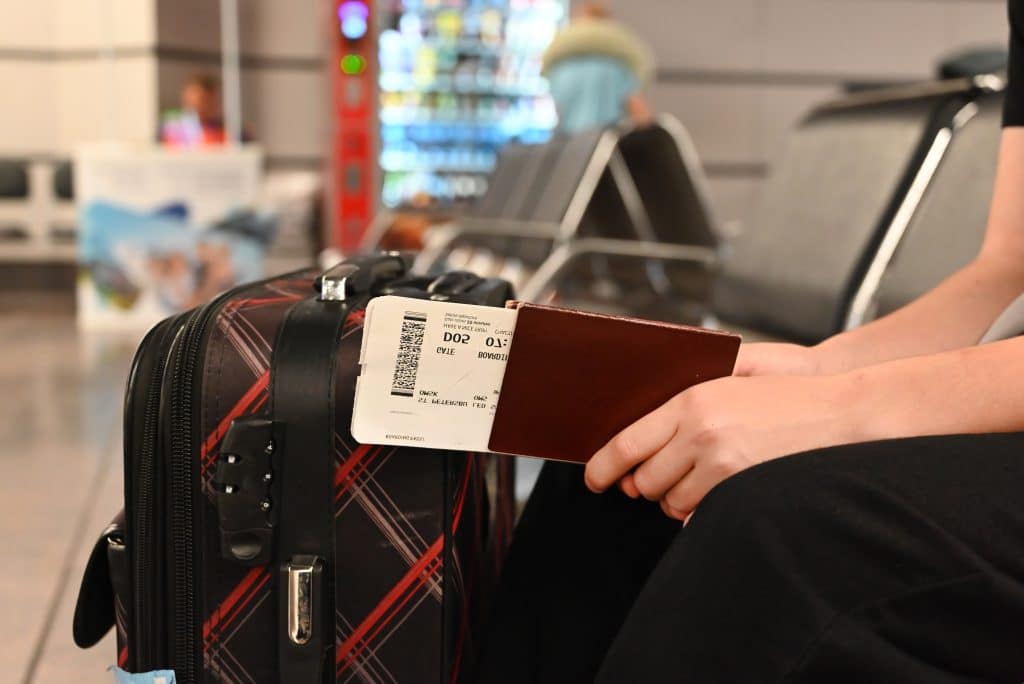
We understand why you might think about this. Saving money matters. Still, we want you to know what could happen. Paying for a trip and skipping a flight segment is not the same as leaving food on your plate. Airline systems track each flown part of a ticket, and skipping one can trigger automatic changes. Agents and systems are trained to follow the rules in the ticket, not the plan in your head.
For our own travel, we generally avoid using hidden city tickets. We try to follow the rules and explain how things work so you can choose wisely. If you decide to test this approach, do it with care:
- Use it rarely. Once in a while is less risky than making it a habit.
- Avoid adding your loyalty number. If you want to lower your profile, skip earning points on these trips.
- Do not check bags. Use a small personal item that fits under the seat so you are less likely to gate-check.
- Buy one-way tickets when you can. If you skip a leg on a round-trip that is on one record, the rest of the trip can be canceled. Separate tickets give you more control.
- Print or save your boarding pass early. If a change happens, you will have proof of your booked route and times.
- Sit near the front when possible. That helps you exit quickly at the connection if time is tight.
- Keep plans private. Avoid discussing any off-itinerary plans with airline staff, as that could violate ticket terms.
We also hear a common view: because some fares are high, using this trick is fair. We get the feeling. Air travel costs a lot to run and changes with the economy. Many seats are priced low to fill planes. A smaller group of last-minute or less flexible travelers often pays more. The same system that can feel unfair also gives us surprise sales and budget-friendly fares in other markets. Sometimes the rules that make one route expensive are the rules that make another route affordable.
In short, be practical. If a long trip is not very cheap, that may reflect real costs like fuel, staff, planes, and airports. If you want savings without rule risk, try flexible dates, nearby airports, or different times of day. Simple changes like flying midweek or taking the first or last flight of the day can cut costs without breaking ticket rules.
Considering Hidden City Ticketing? Know the Risks First
Hidden city ticketing refers to booking a longer itinerary and exiting at the connection city instead of the final destination. It is not illegal, but it usually breaks ticket rules and can lead to account issues, extra charges, or canceled later flights. We do not love how confusing prices can be, but the same price system also creates the big discounts many of us enjoy.
If you try this, do it rarely, know the risks, and protect your plans by traveling carry-on only and staying flexible. Also consider safe alternatives first, like adjusting travel dates, using nearby airports, watching for sales, and booking early when you can. These steps can deliver steady savings without the stress of breaking ticket rules.