
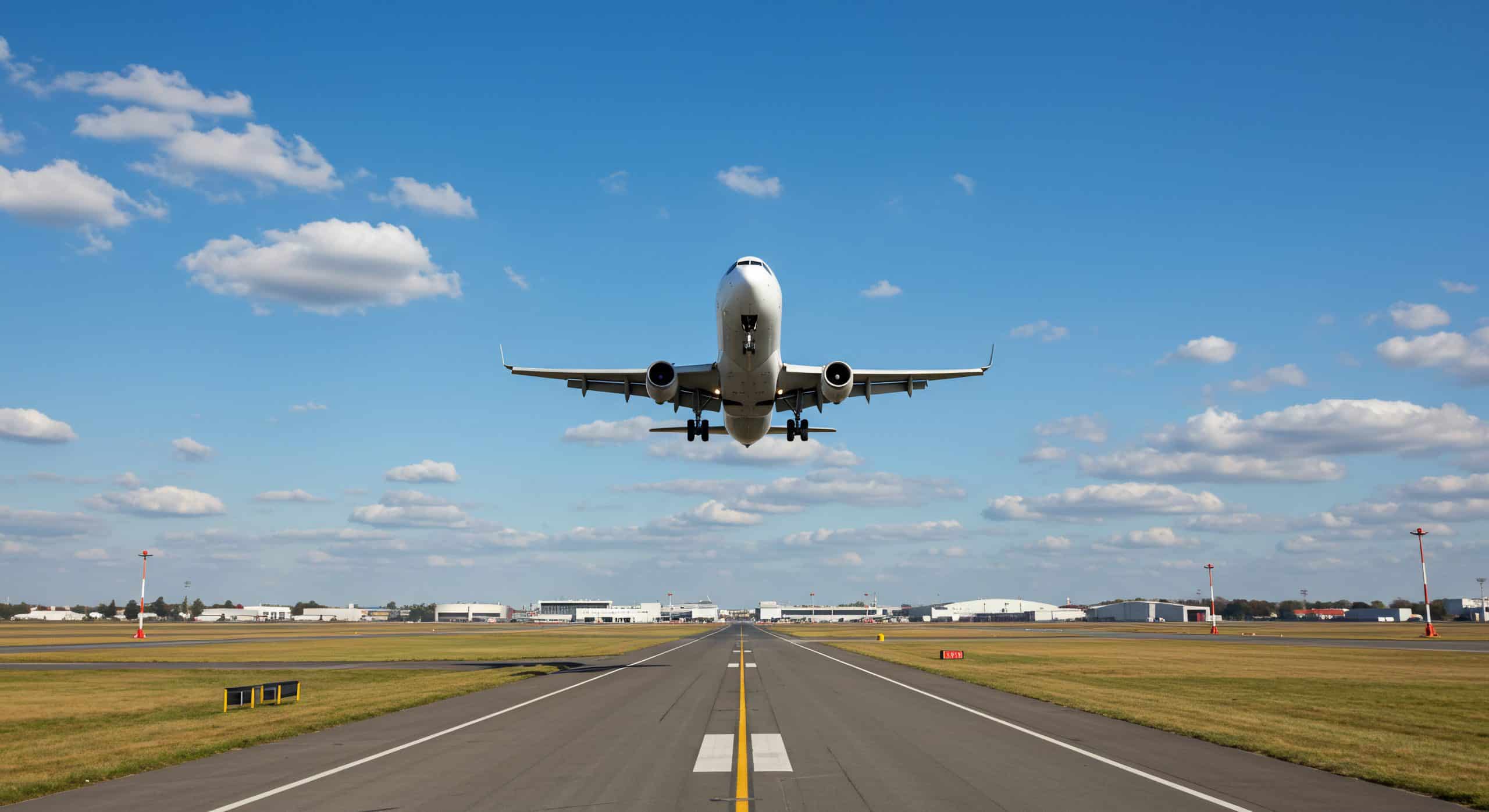
Is there a difference between a nonstop flight and a direct flight? Many people assume they are the same. Frequent travelers know they are not. In this guide, we explain the difference in plain language so you can read your ticket with confidence. We start with nonstop flights, then we explain direct flights, and we show how airlines use both terms in schedules and booking tools.
What is a Nonstop Flight?
A nonstop flight is one trip from takeoff to landing with no stops in between. You board the plane, it leaves your city, and it flies straight to your destination without touching down along the way. A trip from Tampa to Chicago, New York to Tokyo, or Los Angeles to Paris with no stop is a nonstop flight.
Nonstop flights matter because they usually save time and lower the chance of delays. When you skip extra takeoffs, landings, and ground time, the total journey is often faster and easier to plan. You also avoid problems in other cities because you are not passing through them. The plan is simple from start to finish, your seat and overhead space stay the same, and checked bags are handled fewer times, which can reduce the risk of a late or lost bag. Many travelers also find the day less stressful with only one climb and one descent.
There are a few things to remember. Nonstop flights are common on busy routes, but you will see fewer of them on smaller routes, and the schedule can change by season. Fares for nonstop trips can be higher than options with a stop, so compare prices and decide if the time saved is worth it. Early‑morning nonstop flights are often less affected by same‑day delays because the aircraft starts the day at your airport, though weather can still change plans. Some nonstop flights operate overnight and can help you arrive early the next day.
What is a Direct Flight?
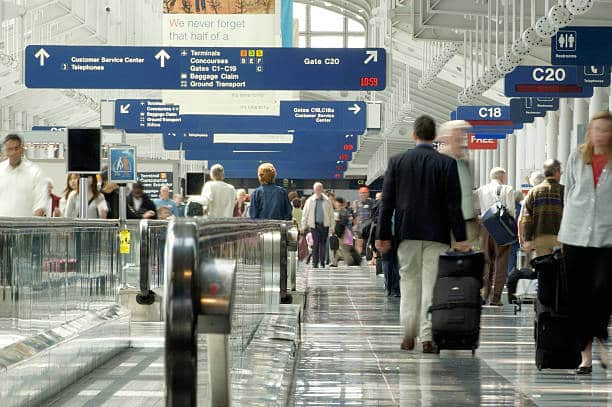
Direct sounds like nonstop. In airline schedules, direct means something different. A direct flight has one flight number for the whole trip, but the plane may land one or more times before the final city. Sometimes you stay on the same aircraft after the stop. Sometimes the airline keeps the same flight number but switches you to a new aircraft. It is still considered direct because the number does not change. Review the flight details on your booking confirmation so you understand the timing and stop information for your travel date.
When you book a direct flight, you will see the same flight number from your first city to your last city even if there is a stop along the way. The same airplane often continues after the stop, which lowers the chance of missing the next part of your trip compared with a true connection that uses a second flight number. Rules during the stop can change. You might be asked to get off the plane for cleaning, crew changes, or security, then get back on, or you may be allowed to stay on board.
Direct Flights Vs. Connections
This depends on the airline, the airport, and local rules, so check your ticket and listen to announcements. If your travel rewards are based on distance flown, some programs calculate mileage only between your first and final cities rather than including any stopovers. Policies can change, so review the most up-to-date program terms before you plan around them. Seat assignments can also shift if the airline changes aircraft at the stop, so it helps to check your reservation after booking and again the day before you fly.
This is not the same as a normal connection. A connection usually has two or more flight numbers, often with different planes, and there is a real risk of missing the second flight if the first one is late. With a direct flight, the single number ties the journey together even if you land once in the middle.
What a Stop Looks Like on a Direct Flight
In real life, a stop on a direct flight can look three ways. The ground time might be short while some travelers exit, new travelers board, the cabin is checked, and you take off again, and you may stay seated the whole time. Or everyone may be asked to get off for cleaning or security, you bring your things, wait in the gate area, and board again when called. In some cases, the airline keeps the same number but assigns a different aircraft for the next part, which means you board a new plane after a short wait.
Direct flights in search results are easy to spot once you know where to look. Most tools show one flight number with a note that the plane stops in a listed city or that there is one stop and the same plane. Some tools also add a change‑of‑plane message even when the flight number stays the same. If you see that note, plan to gather your things and board again after the stop. The ground time can be short, such as 30 to 45 minutes, or longer than an hour, so choose what fits your day.
Why do Airlines Use Direct Flights with Stops?
Airlines set up direct‑with‑stops flights for several practical reasons. Stopping to pick up or drop off passengers can make a route work better and help serve more city pairs with one flight number, which can also fill more seats on each part of the journey. On very long routes, stopping once can be the only realistic way to fly the trip with today’s planes, cargo limits, and weather.
An intermediate airport can also be a safe option when winds are strong or temperatures are extreme. A single flight number can feel easier for you and can lower worry about missing a connection, and it helps schedules look simpler in search tools. A stop also supports operations such as crew changes, quick checks, timing at busy airports, and legal rest, which keeps the fleet moving. Local rules matter too. In some places, travelers can begin or end their trip at the stop city if rules allow it. In other places, local rules do not allow that, so the airline designs the stop around those rules.
For travelers, there are clear trade‑offs. One flight number often means the same plane and a lower chance of a missed connection, and many families like keeping the same seats and overhead space from start to finish. If you are nervous about changing planes, a direct trip can remove one step and reduce the number of gates and signs you need to follow.
On the other hand, you might still need to get off the plane, total travel time is usually longer than a true nonstop, and onboard service may pause during the stop. Some points programs may not count extra miles beyond the first city to the final city, and weather at the stop city can still affect your day. Even with one number, cleaning or catering delays can push back your second takeoff.
Are Nonstop Flights also “Direct”?
This question confuses people. In normal language, a nonstop flight is direct because it does not stop. In airline language, direct means one flight number and it may include a stop. The easiest way to keep it straight is to be specific. Saying a nonstop flight is direct is not wrong in everyday speech, and most listeners understand what you mean.
For clear planning, say nonstop when there is no stop, and say direct with stops when there is one flight number but the plane lands on the way. When you shop for flights, look at total travel time, the notes about stops, and any change‑of‑plane messages. These small details tell you what your day at the airport will really feel like.
Choose Nonstop for Speed or Direct for Simplicity
In airline use, nonstop and direct do not mean the same thing. A nonstop flight goes from one airport to another without stopping. A direct flight keeps one flight number from start to finish but may include one or more stops. Unlike a normal connection with separate flight numbers, a direct trip usually keeps you on the same plane. That can cut down on the stress of changing planes and lower the chance of missing the next part of your
trip. For the smoothest day, choose a nonstop when speed is your top goal. Choose a direct with stops when keeping one seat and one flight number matters more to you. If you remember this simple difference while you search, your choices will match what you expect when you get to the airport.