
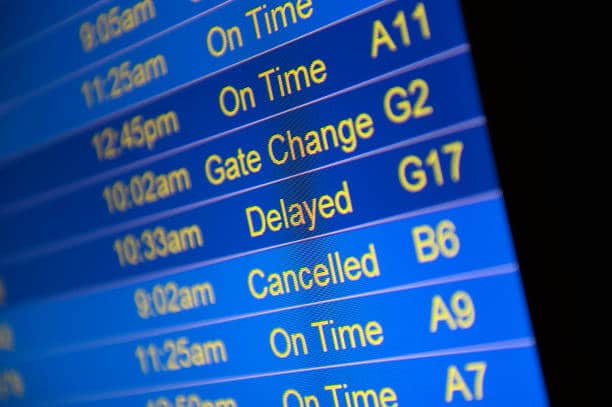
We have all felt that sinking moment at the gate when boarding starts soon and your next terminal sits far across the airport. Tight layovers look fine on paper, yet real airports bring crowds, delays, and surprise gate changes. We want you to plan smart so you are not sprinting through the concourse with a backpack and crossed fingers. Use this guide to set safer buffers, pick better hubs, and glide from flight to flight.
What Is Minimum Connection Time
Minimum connection time, or MCT, is the shortest layover an airline allows on a single ticket. Airlines set these limits, not regulators, and booking systems will not sell an itinerary that falls below them. Legal does not equal comfortable, because real world variables can turn a 35 minute dash into a missed flight. Treat MCT as the floor, then add a cushion that reflects the airport you are crossing.
How Airlines And Airports Decide MCT Rules

Airport operators and airlines agree on baseline values that industry bodies publish as station standards. Individual airlines then file specific exceptions, sometimes shorter, for routes, hubs, partners, and controlled transfer flows. Behind the scenes there is a lot of fine tuning. For you the key is simple, on a through ticket the operating airline is responsible for protected connections and for moving your checked bags to the next flight.
What Really Affects Your Connection Time
- Airport layout, terminal distances, and people movers
- Domestic versus international direction, including Schengen versus non Schengen in Europe
- Typical timing for deplaning, boarding, baggage transfer, and crew operations
- Terminal changes, immigration, customs, and security queues
- Mobility needs, traveling with kids, and last minute gate changes
Connection Factors You Should Plan Around
Connection Buffers By Major Hubs
These are realistic buffers that reflect published guidance, carrier data, and our team’s frequent flyer experience. Use them to avoid gambling on the legal minimum for a short layover or tight connection. When in doubt, add time, then add a little more if terminals change or immigration is involved.
| Airport (Hub) | Domestic → Domestic | Domestic → International (or Schengen → Non‑Schengen) | International → Domestic |
|---|---|---|---|
| Atlanta (ATL) | 60 min | 90–120 min | 120–150 min |
| Dallas/Fort Worth (DFW) | 60 min | 90 min | 120–150 min |
| Denver (DEN) | 60 min | 120 min | 120–150 min |
| Chicago O’Hare (ORD) | 75 min | 120 min | 135–150 min |
| New York (JFK) | 60–75 min | 120–135 min | 150–180 min |
| Newark (EWR) | 60–75 min | 120 min | 150–180 min |
| Detroit (DTW) | 60 min | 90–120 min | 135–150 min |
| Los Angeles (LAX) | 75 min | 120–150 min | 150–180+ min |
| San Francisco (SFO) | 75 min | 120 min | 150–180 min |
| Miami (MIA) | 75 min | 120 min | 150–180+ min |
| Houston (IAH) | 60–75 min | 90–120 min | 135–150 min |
| London Heathrow (LHR) | 90 min | 150 min | — |
| Amsterdam Schiphol (AMS) | 75 min | 120 min | — |
| Frankfurt (FRA) | 90 min | 135 min | — |
| Paris (CDG) | 90 min | 150 min | — |
| Singapore Changi (SIN) | 60 min | 90 min | — |
| Tokyo Haneda (HND) | 60 min | 120 min | — |
| Hong Kong (HKG) | 75 min | 120 min | — |
| Bangkok (BKK) | 75 min | 135 min | — |
What Frequent Flyers Actually Recommend
Experts often suggest 60 to 90 minutes for U.S. domestic connections and closer to two hours for international transitions. At JFK, the typical international to domestic minimum is about 120 to 135 minutes, but boosting your buffer to 2.5 to 3 hours is wise when terminals change or immigration is involved. Our team has learned that extra cushion lowers stress and improves your odds during irregular operations.
Making U.S. International To Domestic Connections Easier
Arriving from abroad and connecting onward in the United States adds steps that eat time quickly. You will clear immigration, collect and recheck checked bags, and pass through security again before returning airside. Terminal changes are common at hubs like JFK, LAX, MIA, and SFO, so a 90 minute legal connection can feel razor thin during peak hours. Plan extra time and book earlier inbound flights to build a safety net.
Quick Moves When You Miss A Connection

Even perfect planning can fall apart because of weather, air traffic constraints, or a late inbound aircraft. Open the airline app immediately to scan alternatives, then walk to the gate podium to work with an agent while you still hold a place in line. Use self service rebooking tools, stay calm, and be politely persistent with your request for the next workable option.
- Search same-day options on alternative airlines and nearby airports
- Ask for meal vouchers or a hotel when policy triggers are met
- Keep all receipts for claims, and note agent names and times
Why Extra Layover Time Beats Sprinting
Airlines and airports design MCT rules around what is technically possible under ideal conditions. Real travel brings crowds, irregular operations, immigration lines, and long walks that make a short layover risky. Give yourself a healthy buffer, understand hub specific realities, and keep reliable travel protection coverage so an unexpected snag becomes a minor detour, not a ruined vacation.
More Ways to Protect Your Trips
Join Our Free TheMilesAcademy Community
You do not have to plan smarter connections alone, our free community can help you every step of the way. We trade real airport intel like current immigration wait times, terminal shortcuts, and realistic buffers for tricky hubs. You will learn proven reroute plays, sample messages for agents, and how to use trip delay coverage without stress.
We also share weekly alerts on schedule changes that affect connections, plus travel-booking tips to rebuild disrupted trips. You can post your itinerary before booking, and we will sanity check your layovers with fresh, on‑the‑ground feedback. Join free today, save yourself a sprint, and turn tight connections into smooth, confident travel.