
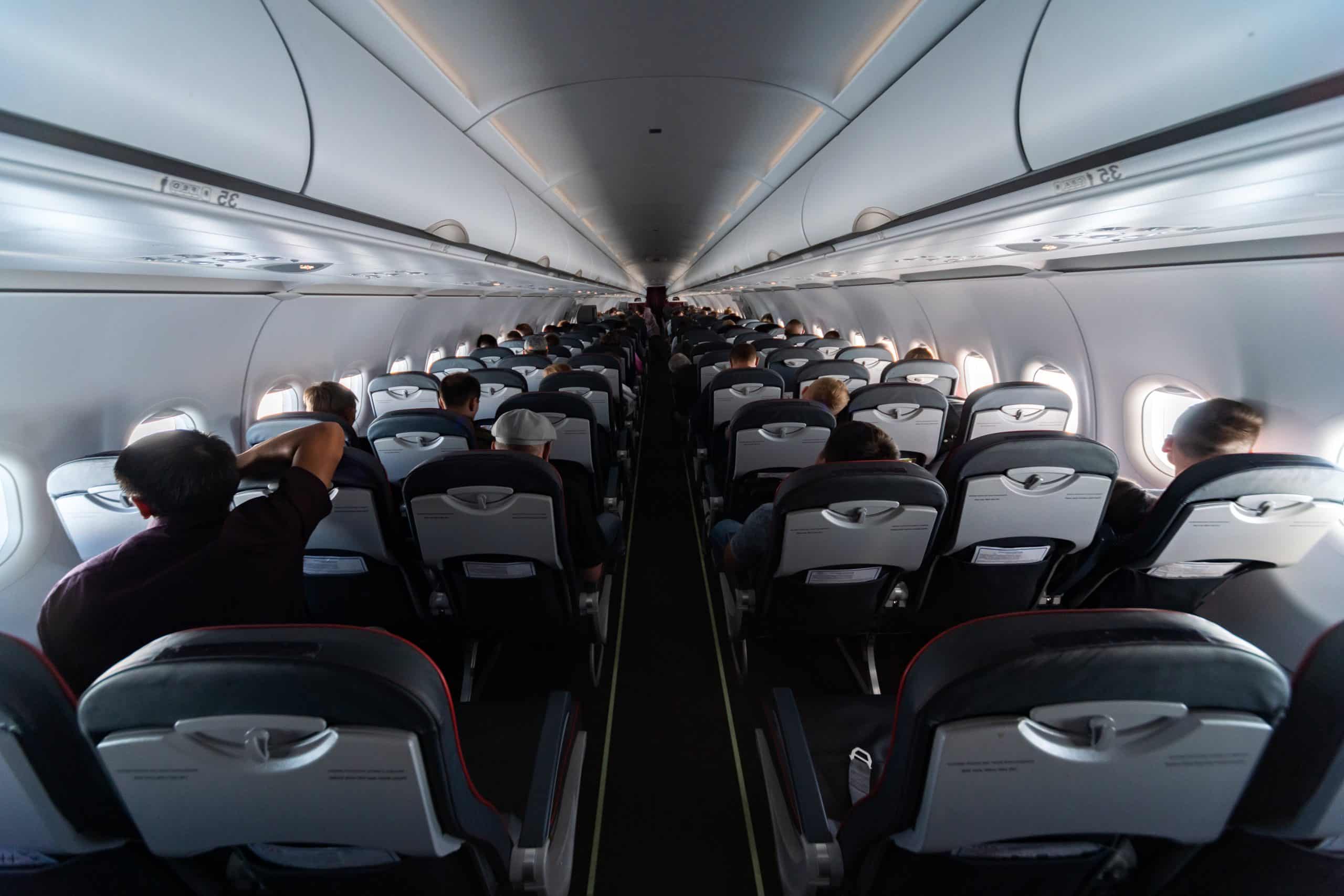
If nonstop flights fit your plans, we always choose them first because they remove risk and save time. Sometimes schedules, prices, or routes force a connection, and that is perfectly fine when you plan it right. We will show you practical strategies that raise your odds of making every connection smoothly.
Experienced travelers avoid risky itineraries because weather, crew timing, and air traffic issues can cascade across the day. You can still win the connection game by choosing smarter schedules, packing light, and knowing how airlines handle misconnects. Use these tips to control the variables you can, then handle the surprises with confidence.
1) Give Yourself Realistic Connection Time
Airlines often sell tight layovers that meet the airport Minimum Connection Time, but minimum does not equal comfortable. Big hubs, terminal changes, immigration, and re clearing security can stretch a legal 35 minutes into a sprint you do not want. As a rule of thumb, we like 60 to 90 minutes for domestic connections and 2 to 3 hours for international transfers.
Check the airport map and look for airside trains, shuttle buses, or long walking paths before you book. If you are arriving from abroad, confirm whether you must claim bags and clear customs before re checking, since that adds real minutes. When possible, choose same terminal connections or pick an earlier inbound into the hub to build a buffer.
2) Stick With One Ticket And One Airline When You Can
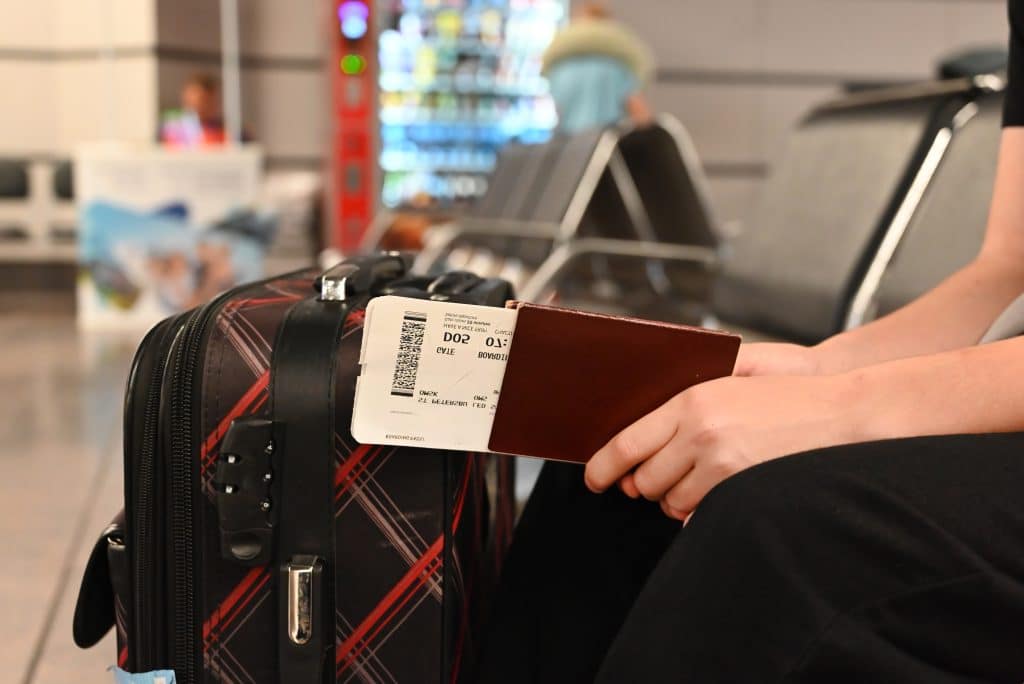
Booking your entire trip on a single ticket keeps your connection protected, which means the operating carrier will rebook you at no extra cost if irregular operations make you miss it. Codeshares are common, so verify who actually operates each leg, then make sure your bags are checked through to the final city. Staying on one carrier or alliance keeps your booking visible across systems, making rebooking faster when plans change.
If a schedule change or cancellation breaks your trip and you decline the alternative, you may be entitled to a refund, so keep all notifications and receipts. When you fly in or out of regions with passenger protection rules, longer delays on one ticket can trigger compensation, which is another reason to keep flights on a single booking. When in doubt, ask an agent to confirm your connection is protected and your bag is tagged to the final destination.
Explore Current Travel Savings Opportunities
3) Choose First-Wave Departures For Fewer Cascading Delays
Morning flights leave before crews and planes fall behind, which reduces rolling delays across the network. If you miss an early connection, you usually have several backup flights throughout the day instead of one last departure at night. We also avoid the final bank of departures from hubs when connections are tight.
Look at historical on time stats for your first leg and your hub, then pick flights with better performance. Weather patterns matter, so consider winter hubs for snow and summer hubs for thunderstorms when you set buffers. If you can take an even earlier inbound to the hub, you buy yourself a larger safety net.
4) Go Carry-On Only To Keep Control Of Your Trip

Checked bags turn tight connections into gambles, since your body can run faster than baggage belts. A carry on roller and a personal item let you change gates quickly, swap to an earlier or later flight, and skip baggage claims entirely. We pack versatile layers, quick dry fabrics, and a compact toiletries kit to stay light.
Use packing cubes, a small laundry kit, and a neutral color palette so pieces mix and match. Put a tracker in any bag you gate check, and keep meds, chargers, and travel documents on your person. If you must check a bag on the outbound, consider carrying on for the return or for the leg where your connection is tightest.
5) Ask For Help Early And Use Your Tools
If your first flight runs late, tell the flight attendants you have a tight connection and ask for a front of cabin deplane. Crews can radio ahead, ask other passengers to let connectors off first, and share the latest gate info so you avoid the departure board crowd. Use your travel app to see inbound aircraft status, gate changes, and same day confirmed or standby options while you are still in the air.
If the connection becomes impossible, get in multiple lines at once. That means the service desk queue, the callback line on your phone, and the chat inside the app. Ask agents to check partner flights, nearby airports, and legal re routes that keep your ticket within fare rules. Save digital copies of your itinerary and receipts so you can claim meal vouchers, hotel coverage, or refunds when policies apply.
6) Dress And Position Yourself For A Fast Transfer

Comfortable shoes, light layers, and a hands free bag make crossing a big airport much easier. Pick a seat near the front on your first leg, and keep essentials under seat so you can exit quickly without wrestling overhead bins. Know the airport layout, follow connection signs, and skip impulse stops until you reach your next gate.
Speed also comes from small decisions you make before boarding. Charge your phone fully, download airport maps, and keep boarding passes and IDs ready for spot checks. If international, enroll in a trusted border program or use mobile passport tools where available to shorten queues when you re enter a country.
Explore Top Airline Savings and Travel Options
7) Use Priority Lanes And Trusted Traveler Programs
Security and passport queues can crush a tight layover, so use expedited screening and Fast Track lanes whenever possible. Many carriers include priority screening with elite status or premium cabins, and several hubs maintain dedicated transfer lanes for international connectors. Enroll and set up your traveler profiles before departure so the benefits attach to your booking.
For border control, trusted traveler programs and mobile passport options can reduce wait times dramatically. Some airports support digital ID and reservation based security appointments, which let you schedule a screening slot during peak periods. Keep documents, boarding passes, and your device ready to speed through eGates and checkpoints.
8) Build Backup Plans Before You Fly

Create a backup plan by listing earlier or later flights, nearby airports, and alliance partners on the route. Same day confirmed changes and standby lists can save a trip when delays stack up, and knowing your options helps agents help you faster. Review fare rules and elite benefits for change fee waivers that open additional rebooking paths.
Store airline phone numbers, app chat links, and support options so you can reach help from the jet bridge. If a misconnect looks likely, message the carrier from the air using Wi Fi and ask to be protected on a backup flight. Carry a power bank and keep essentials handy so you can pivot quickly without slowing down.
Join Our Free Community For Smarter Connections
We invite you to join our free community so you can make smoother airport connections on every trip. You will get time reroute strategies, lounge access advice, and award travel tips that help you recover faster when delays strike. Members share on time performance insights, elite status shortcuts, and practical packing checklists that turn tight layovers into calm transfers.
Inside the group, we post fare alerts, award chart updates, and transfer partner news that help you book better routings and protect your connections. You can ask questions, compare airport layouts, and learn proven check in and security strategies from travelers who connect every week.
Join now for free, start learning new travel strategies today, and make your next connection on time.”
Simple, compliant, and keeps your rhythm intact.