
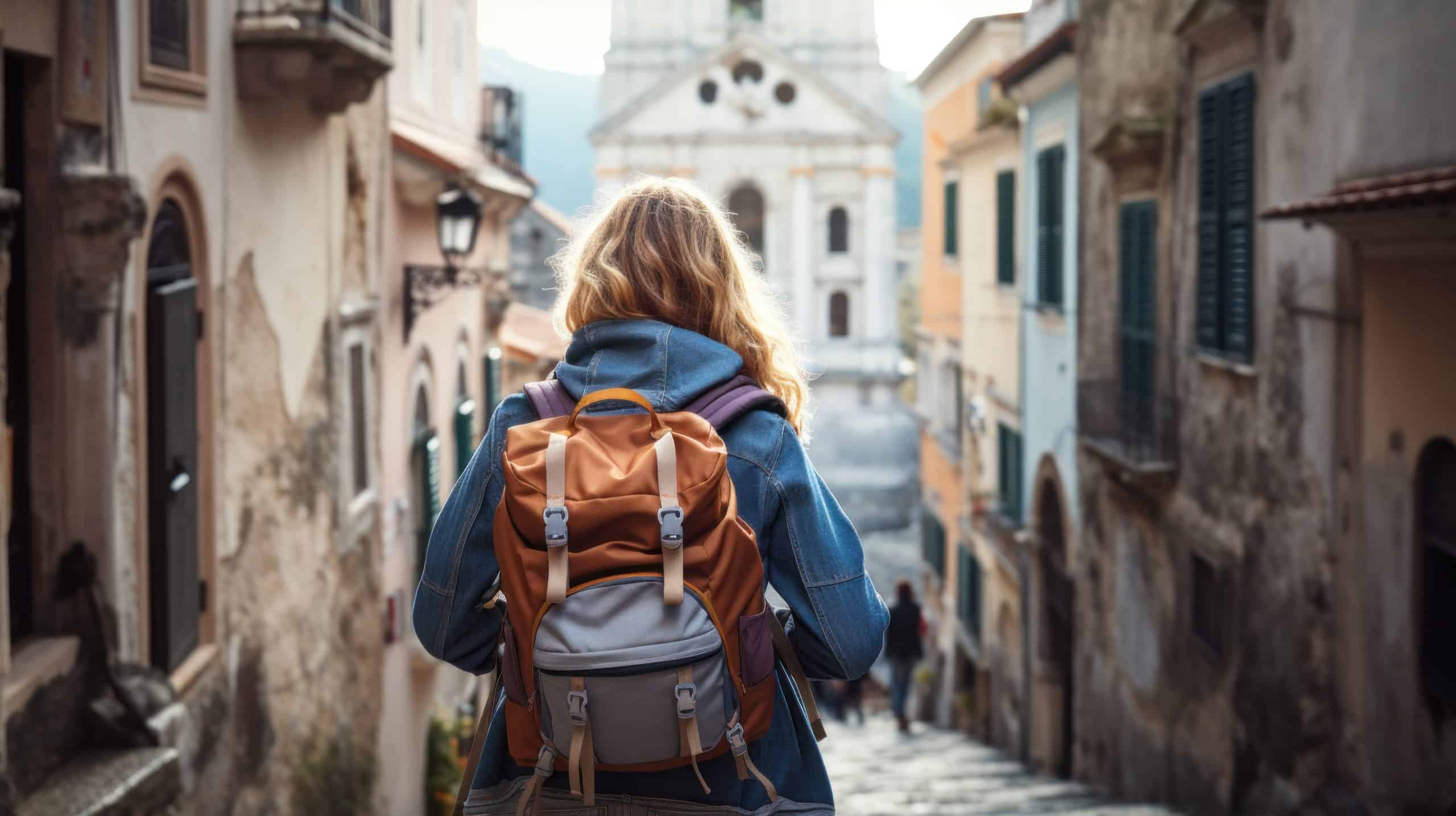
Solo female travel is growing fast, and many of you are planning big trips abroad with curiosity and courage. We want you to feel empowered, so we focus on practical safety habits that keep you confident from takeoff to touchdown. With smart prep, a clear plan, and the right tools, you can explore independently and enjoy the journey.
We speak from experience across busy cities and remote towns, and we know your top question is how to stay safe without losing the joy of discovery. Our goal is to help you make good choices, reduce risk, and still say yes to the moments that make travel special. Use these solo female travel safety tips as a checklist you can rely on anywhere in the world.
We also encourage you to mix research with intuition, because both matter on the road. You will never control everything, but you can control how you prepare, what you carry, and who knows your plans. The more prepared you are, the more present and relaxed you will feel during your trip.
Tip 1: Research Your Destination Thoroughly
Every country and city has its own customs, norms, and unspoken rules, so a little research goes a long way. Look up dress codes, tipping etiquette, local transport options, and how to get a local SIM or eSIM for reliable data. Check current events and official travel advisories, then join women travel communities to gather recent, on the ground insights.
Read forums and destination reports to spot neighborhood specifics, common scams, and seasonal changes that affect safety. We also suggest checking embassy pages for entry rules, health requirements, and registration programs like STEP for U.S. travelers. When you arrive informed, you move with calm, and people usually respond to that energy.
As you build your plan, save maps, pin safe taxi stands, and mark late night pharmacies and hospitals. Learn how the metro works, what rideshare apps locals use, and where to buy tickets legitimately. With the basics locked in, you will avoid friction and protect more time for the experiences you came for.
Tip 2: Get Bundled Travel Insurance
Travel insurance protects you from costly surprises, and it gives you a clear plan when things go sideways. We look for bundled coverage that includes emergency medical care, medical evacuation, trip cancellation or interruption, and baggage protection. Choose a policy that matches your itinerary, your activities, and the true value of your prepaid costs.
Before you purchase, check preexisting condition rules (look-back periods and any waiver requirements when you buy soon after your first trip payment) and confirm exactly which adventure sports are covered. Review your travel tool protections for trip delay, trip interruption, baggage delay, and emergency evacuation or assistance, because these benefits can complement a standalone policy. Understand how benefits coordinate, since insurers may reduce payouts and cards may pay secondary after other coverage.
Keep both digital and printed copies of your policy, the 24-hour assistance number, and your membership or policy ID. For example, a weather delay could trigger your card’s trip delay benefit for meals and lodging, while your separate policy reimburses a canceled tour or prepaid activity. Confidence follows a clear plan, and a clear plan keeps you focused on the memories.
Tip 3: Share Your Itinerary With Someone You Trust
Tell a trusted person where you will be, when you will move, and how to reach you quickly. We recommend a simple shared note or calendar that lists flights, hotels, tours, and confirmation numbers. If plans shift, update the note so your contact can help you fast in an emergency.
Use real-time location sharing when it adds safety, especially for solo hikes, first nights in new cities, or long rides. Apps like Find My and Life360 make it easy to set time boxed sharing that you can pause later. Even if you only use it occasionally, it gives your support system a way to assist you quickly.
If you meet locals or new friends, set personal rules for what you share and when. Keep hotel names private until you feel secure, and meet in public places you have chosen. When your boundaries are clear, your communication stays simple and safe.

Tip 4: Blend In With Local Norms
You may stand out sometimes, and that is okay, but small adjustments help you move with ease. Dress in ways that reflect local expectations, especially in conservative areas, and carry a light scarf for flexible coverage. When in doubt, choose loose, breathable layers that keep you comfortable and respectful.
Learn a few key phrases in the local language, then practice them with a smile. Simple greetings, please, thank you, and directions build goodwill and open doors quickly. People often respond kindly when you show effort, and kindness makes travel safer and warmer.
Watch how locals move, pay, and queue, then mirror that rhythm. Keep valuables subtle, and avoid flashy logos that attract attention in crowded places. Blending in reduces friction, and friction is what you want to avoid.
Tip 5: Trust Your Instincts And Set Boundaries
Your intuition is a safety tool, so treat it with respect. If a person or place feels off, step away, call a ride, or change plans without second guessing. You do not owe strangers an explanation, you owe yourself comfort and safety.
Say no when an invitation, ride, or detour does not feel right, and say it early. We often accept friendly group invites from women or families, especially when they come through trusted connections. If you want to socialize, ask your network for introductions and meet during the day first.
Practice clear phrases that close conversations and create distance. Phrases like I am running late, my friend is waiting, or I have an early tour tomorrow work well. Rehearsal builds muscle memory, and muscle memory helps in tense moments.

Tip 6: Be Smart About Technology
Your phone is a safety hub, so set it up before you leave home. Use a strong screen lock, enable Find My, note your IMEI, and store your eSIM QR and key documents offline in a secure app. Download offline maps, save emergency contacts, and keep digital copies of your passport, visas, and insurance.
Buy a local SIM or eSIM in advance when possible, because steady data makes navigation and messaging easier from the airport. Install the rideshare apps locals actually use, such as Grab in Southeast Asia, Bolt in parts of Europe, DiDi in China, and Careem in MENA. Verify plates and driver names before you get in, use in app safety features like trip sharing and emergency assistance, and sit in the back seat with your bag by your feet.
Plan for low signal moments with printed backups of tickets and key addresses, and save your hotel name in the local language for taxi drivers. Learn the local emergency number and save it to favorites, for example 112 in much of the EU, 999 in the UK, and 911 in the United States and the Philippines. Mark embassy or consulate locations on your map so you can find help fast, because removing guesswork removes stress and keeps you safer.
Tip 7: Keep Emergency Essentials Handy
Carry physical copies of your passport photo page, visas, insurance details, and a card with emergency numbers. Store a secure digital backup in an encrypted app, and email copies to yourself for easy retrieval. If your phone or wallet goes missing, you will still have what you need to move forward.
Split cash and cards across two or three places, and keep a spare card in your hotel safe if available. Use a crossbody bag that zips, keep it in front in crowds, and avoid setting it on the floor. Small habits prevent big problems, and prevention is the simplest safety strategy.
Know where to go for help before you need it. Save your hotel desk, a nearby clinic, and the local emergency number in your favorites. Quick access matters, and seconds often make the difference in stressful moments.
Tip 8: Go Out At Night With A Simple Safety Plan
Daytime streets can feel different after dark, so choose well lit areas and plan your route home before you head out. Tell someone your general plan, carry a charged phone, and bring only what you need, one card and some cash. Trust your read of a place, and change direction quickly if the vibe shifts.
If you drink, set a personal limit and order directly from the bar. Keep your drink in hand, never leave it unattended, and do not accept open beverages from strangers. Many venues now offer testing covers and staff support, and you should use both if you feel unsure.
Clubs and festivals can be great solo, as long as you keep control of your movement. Stand near exits when crowds build, and keep earplugs for awareness and comfort. Choose rides you requested yourself, and confirm the route on your map while in the car.
Tip 9: Choose Safe Accommodations And Rooms
Pick neighborhoods with good lighting, transit access, and plenty of foot traffic at night. Read recent reviews from solo women, look for 24 hour front desks, keycard elevators, and visible security cameras. Map the walk from transit to the entrance, then plan your arrival for daylight when possible.
Request a room on a higher floor between two and six, and close to the elevators if that feels better. Check the door viewer, the deadbolt, and the security latch as soon as you enter the room. Carry a small door stop, then use it at night for an extra layer of protection.
Keep your room number private at check in, and write it down instead of saying it out loud. Hang the Do Not Disturb sign, keep curtains closed when you leave, and store valuables out of sight. If anyone knocks unexpectedly, call the front desk to confirm before opening the door.

Tip 10: Embrace Detours And Build Flexibility
Perfect plans do not exist, and small hiccups are part of the story you will tell later. A wrong turn might lead to a hidden café, a local market, or a neighborhood parade you never expected. When surprises happen, pause, breathe, and adjust your plan with care.
We grow as travelers when we solve problems calmly and ask for help when needed. Keep extra time in your schedule, add a little buffer money, and treat changes as information rather than failure. Flexibility keeps you safer because you are not rushing or forcing decisions.
Use each trip to refine your personal safety playbook. Write down what worked, what felt tricky, and what you want to try next time. The more you learn, the easier it becomes to move through the world with confidence.
Travel Boldly, Stay Smart
Solo travel as a woman is empowering, and your safety plan can be simple and strong. Research the basics, carry insurance, share your itinerary, and use tech tools that keep you connected. Stay aware of your surroundings, protect your energy, and make choices that keep you in control.
When you prepare well, you open space for spontaneity and joy. You notice more, you meet people on your terms, and you return home proud of your independence. Travel boldly, stay smart, and give yourself the trip you have been dreaming about.
Join Our Free Points And Miles Community
Ready to travel smarter with a supportive crew behind you? Join our free Points and Miles community, where we share real-time award alerts, destination intel, and safety checklists tailored for women traveling alone. You will learn how to use flexible points bookings, travel insurance, and backup routes to keep your itinerary safer and more adaptable.
Inside, you can ask questions, compare plans, and get practical feedback from travelers who just returned from the places you want to visit. We host weekly Q&As, starter guides on eSIM, insurance, and award bookings, plus printable checklists for hotel safety and night-out planning.
Jump in, say hello, and let us help you plan a confident, low-stress solo trip.