
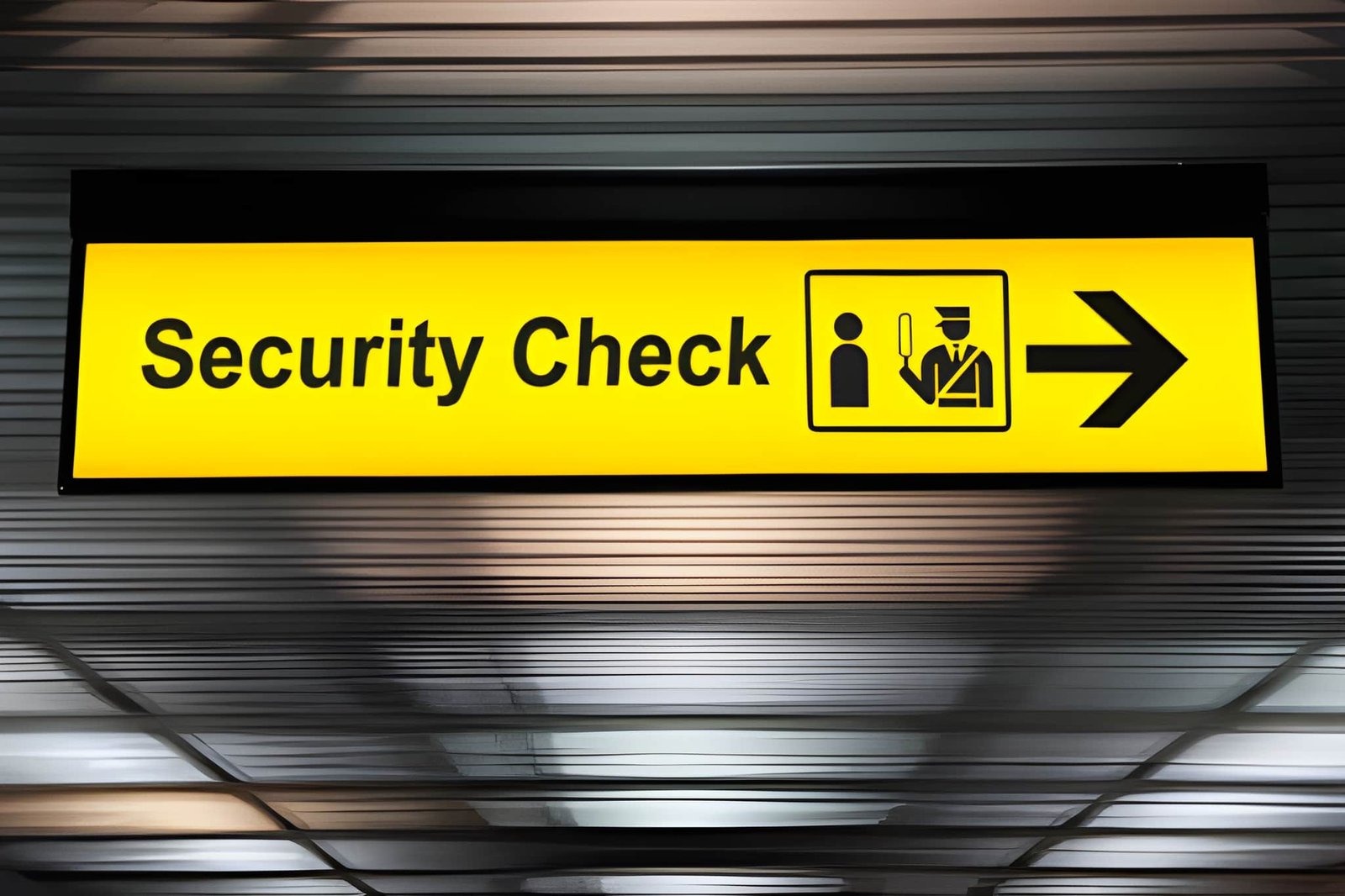
Getting through U.S. immigration may soon become even faster for Global Entry members.
At several major airports, travelers are now being cleared by a new camera system before they ever reach a kiosk. Instead of stopping to scan a passport or pose for a photo, some passengers are being identified while walking through the arrivals area. By the time they reach a Customs and Border Protection officer, the hard part is already done.
For anyone who flies several times a year internationally, that could shave valuable minutes off every trip home.
You May Not Even Notice It Happening
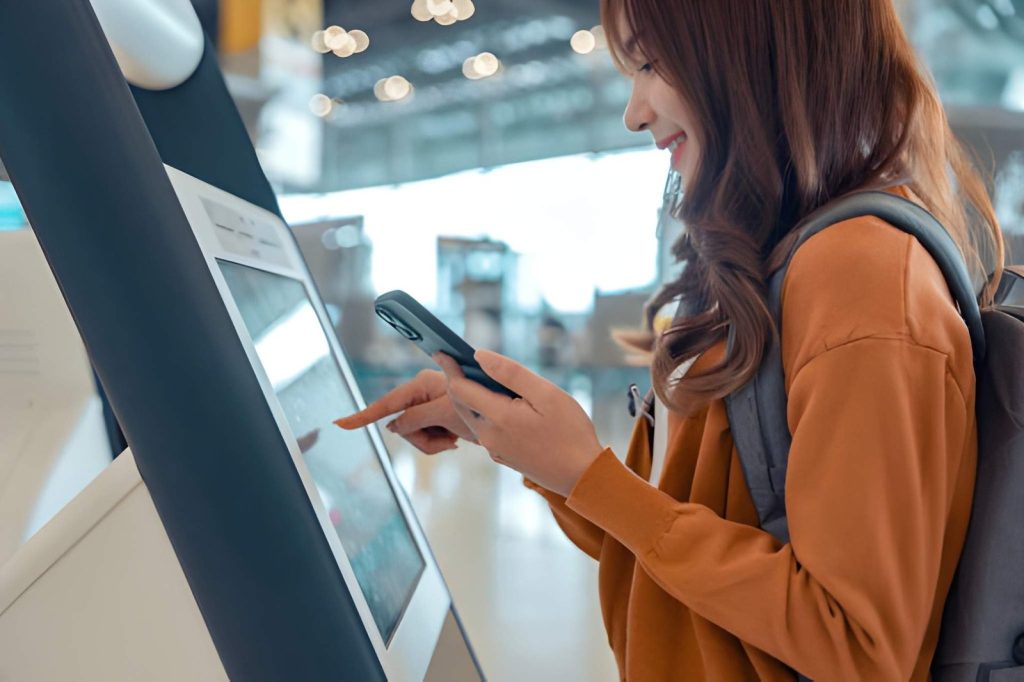
Most airport technology makes its presence obvious. You scan something, tap something, or stand in front of a camera.
This new system works differently.
Customs and Border Protection is testing camera capture technology that verifies Global Entry members as they move through a designated area. Travelers don’t need to stop, touch a screen, or interact with a machine.
In some cases, the process is so seamless that passengers don’t realize they have already been identified until an officer calls them forward.
That might sound futuristic, but it is simply the next step in a process that has been moving toward automation for years.
The Goal Is Simple
Anyone who has landed after a long international flight understands the frustration of watching hundreds of passengers funnel into the same inspection hall.
Even efficient systems create bottlenecks when every traveler must stop at the same point.
The new setup removes one of those pauses.
Instead of creating a line at kiosks, passengers continue moving toward passport control while the system works in the background. Customs officers can then focus on final verification rather than waiting for travelers to finish a separate check-in step.
The result is less congestion and a smoother arrival process during busy travel periods.
These Airports Are Testing The Technology
The trial is currently operating at six major U.S. international gateways:
- Boston Logan International Airport
- Dallas Fort Worth International Airport
- John F. Kennedy International Airport
- Philadelphia International Airport
- Seattle-Tacoma International Airport
- San Francisco International Airport
These airports handle enormous numbers of international arrivals every year, making them useful testing grounds for new passenger-processing systems.
Travelers flying through one of these hubs may already encounter the technology without knowing it.
Global Entry Has Quietly Become Much Faster
Longtime members will remember how different Global Entry looked years ago.
Earlier versions required passport scans, fingerprint checks, touchscreen questions, and printed receipts that travelers carried to an officer.
Most of those steps have disappeared.
Fingerprint requirements became less common. Paper slips vanished. Facial recognition took over much of the identity verification process.
Each update may have seemed minor on its own, but together they dramatically reduced the amount of time travelers spend standing in line after an international flight.
This latest change continues that trend.
Why Frequent Travelers Should Pay Attention
Saving five or ten minutes may not sound like much until you multiply it across multiple trips every year.
Those minutes matter when you’re racing to catch a connection. They matter when you’re arriving late at night after crossing several time zones. They matter when customs halls are packed because three international flights landed within minutes of each other.
One reason Global Entry remains popular is predictability.
Members know they can usually avoid the longest queues and get moving quickly. Removing kiosk stops creates an even more streamlined experience.
For business travelers, families, and anyone who spends significant time in airports, fewer delays add up over time.
The Privacy Conversation Isn’t Going Away
Any expansion of biometric technology naturally raises questions.
Some travelers are comfortable with facial recognition. Others prefer traditional document checks and remain cautious about automated identity systems.
It’s important to remember that Global Entry has relied on biometric verification for years. Members already provide information and photographs as part of the enrollment process.
The difference here is timing.
Instead of standing in front of a kiosk camera after landing, travelers may be identified while approaching passport control.
Participation in Global Entry remains voluntary, and travelers who prefer traditional processing options can continue using standard immigration lanes.
Airports Are Moving Toward A Stop-And-Go-Free Future

This pilot program reflects a larger shift happening across the travel industry.
Airports are investing heavily in systems that reduce the number of checkpoints where passengers must stop and wait. Security screening, boarding procedures, baggage tracking, and immigration processing are all becoming more automated.
The long-term objective is straightforward: keep passengers moving.
That doesn’t mean security becomes less important. If anything, technology allows airports and government agencies to process more information while reducing friction for approved travelers.
The most successful systems are often the ones passengers barely notice.
Why Global Entry Keeps Getting More Valuable
Global Entry already saves travelers significant time when returning to the United States. Membership also includes access to TSA PreCheck, making departures easier as well.
Many travelers recover the enrollment fee through travel card benefits, while others find the convenience alone justifies the cost.
Now there is another reason the program continues to stand out.
If these airport trials expand nationwide, the immigration process could become even faster than it is today. Instead of stopping at a kiosk and waiting for instructions, travelers may simply walk toward the exit while the technology handles much of the work in the background.
For frequent international flyers, that’s exactly the kind of airport upgrade worth paying attention to.
Frequent travelers know that programs like Global Entry can save countless hours over the course of a year. Inside the Points & Miles Insider community, members share airport strategies, travel tips, and ways to make international travel faster and less stressful.
The right travel card can help offset the cost of programs like Global Entry while providing additional travel benefits. The Smart Search tool helps you find cards that align with your goals, making it easier to maximize rewards and valuable travel perks.