Extra legroom can make a long flight much more comfortable.
That’s why exit row seats are often among the first to disappear during booking. Travelers happily pay extra for the added space, especially on cross-country and international routes.
What many people don’t realize is that airlines aren’t selling extra legroom. They’re assigning passengers to seats that come with specific safety duties.
Before every flight, crew members check those rows carefully, and if someone doesn’t qualify, they can lose the seat, even after boarding.
Those Seats Come With a Job
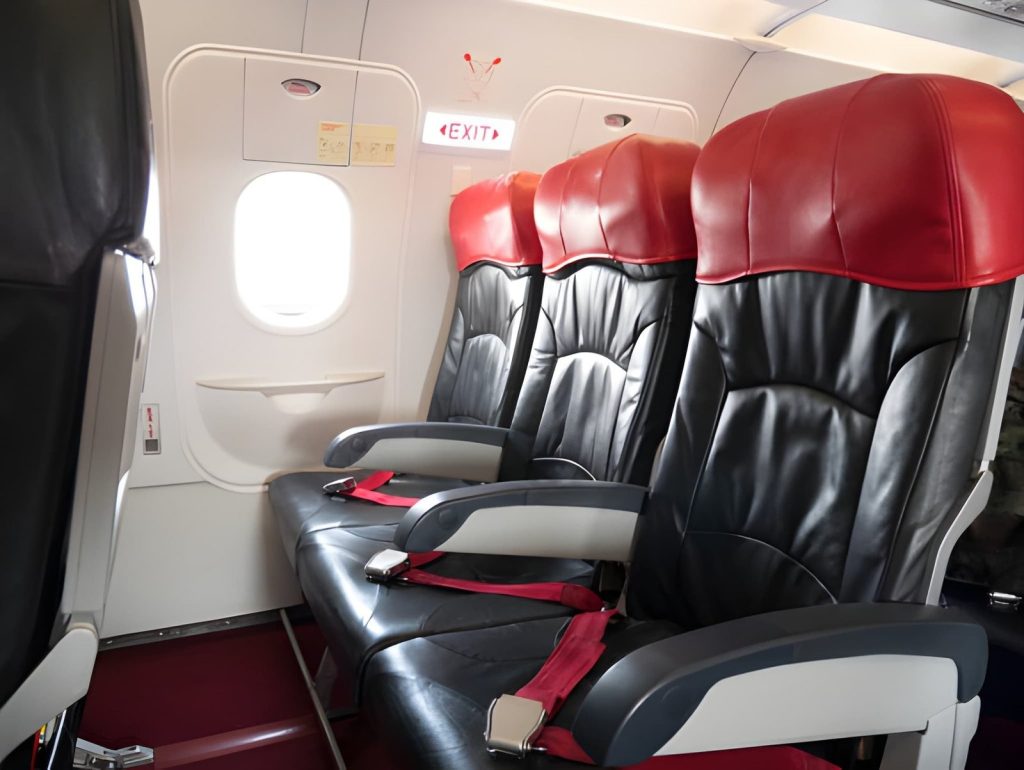
Most airline passengers view exit rows as premium seats.
Flight attendants view them differently.
In an emergency, the people sitting closest to the exits may be asked to assist with opening doors, assessing outside conditions, directing passengers, and helping evacuate the aircraft.
Modern airplanes can carry hundreds of people. If an evacuation becomes necessary, delays of just a few seconds can create bottlenecks inside the cabin.
That’s why airlines want capable, attentive passengers sitting in those rows.
The extra space is simply a benefit that comes with the responsibility.
Why Flight Attendants Ask So Many Questions
Some travelers get annoyed when crew members repeat questions they already answered online during booking.
There is a reason for it.
When passengers select exit row seats, airlines typically ask them to confirm they meet the requirements. Flight attendants still need to verify those qualifications in person because circumstances can change between booking and departure.
Someone may have suffered an injury before the trip. Another passenger may not fully understand the language used for emergency instructions. Others simply may not realize what they’re agreeing to when they select the seat.
The final decision always belongs to the crew.
Not Everyone Qualifies for an Exit Row
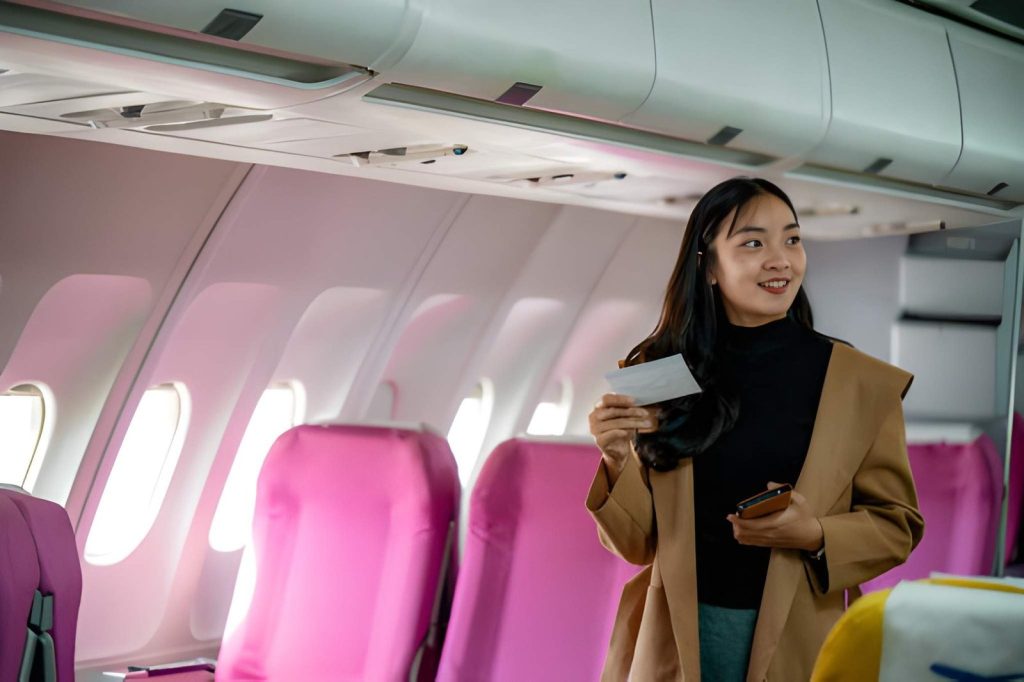
The eligibility requirements are stricter than many travelers expect.
Passengers need to be physically capable of performing emergency duties if required. They must also be able to understand crew instructions quickly and communicate effectively during an evacuation.
Travelers under certain age limits cannot sit there. Passengers assisting young children generally cannot occupy those seats either.
Temporary conditions can also matter.
A sprained ankle, a medical brace, limited mobility, or anything that could slow movement during an emergency may lead to reassignment.
Flight attendants aren’t judging passengers. They’re evaluating whether someone could safely perform the required tasks if the unexpected happens.
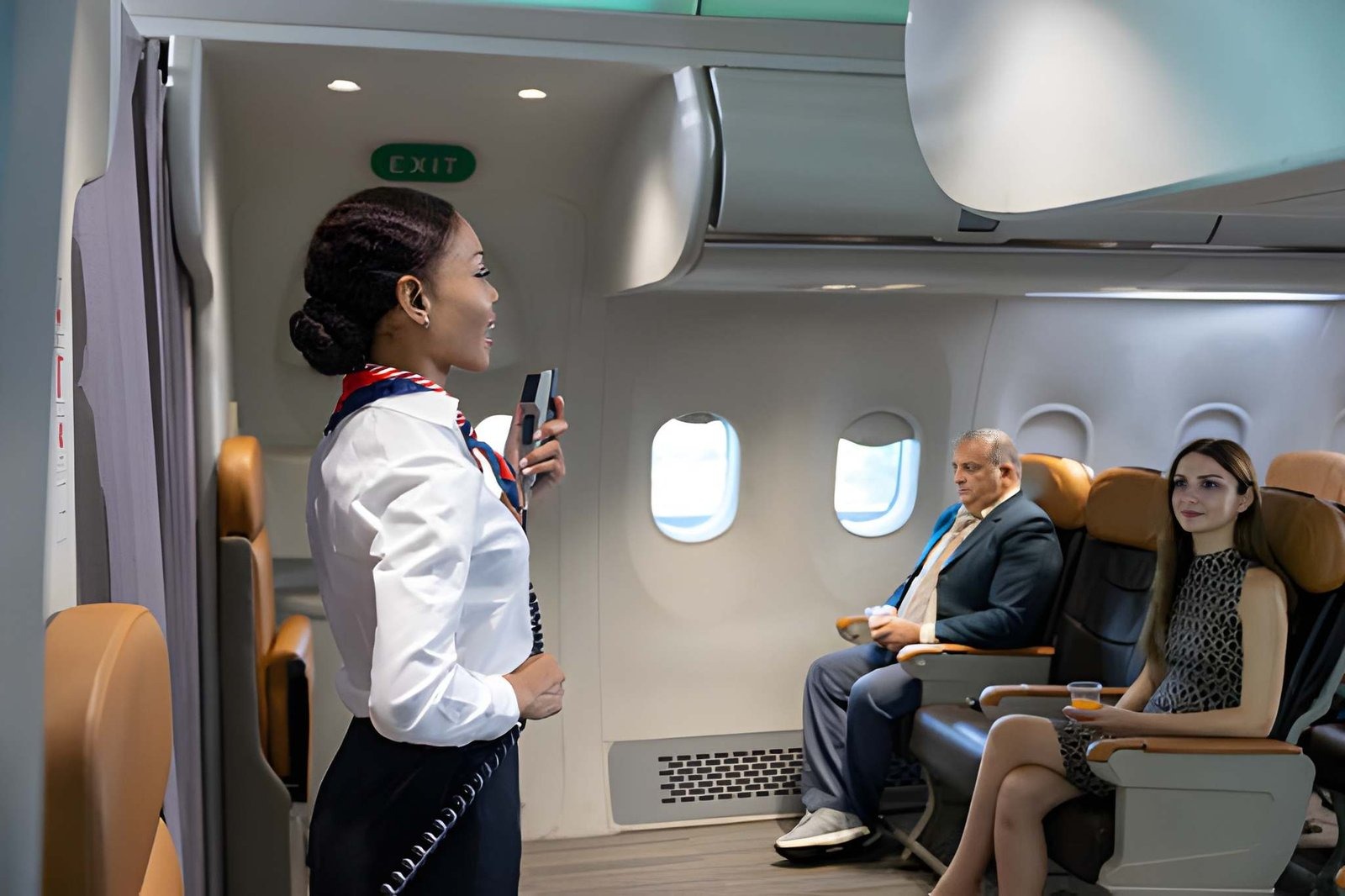
The Safety Briefing Is Not Optional
One of the easiest ways to attract a flight attendant’s attention is to ignore the exit row briefing.
Many travelers put on headphones, continue texting, or barely acknowledge the instructions.
That approach doesn’t work in an exit row.
Crew members need verbal confirmation that passengers understand their responsibilities and are willing to assist if necessary.
If someone refuses to engage, appears distracted, or seems uncomfortable with the responsibility, the crew may move them elsewhere.
From a safety perspective, uncertainty creates risk.
Flight attendants would rather resolve concerns before departure than discover them during an emergency.
The Best Exit Row Isn’t Always the One You Think
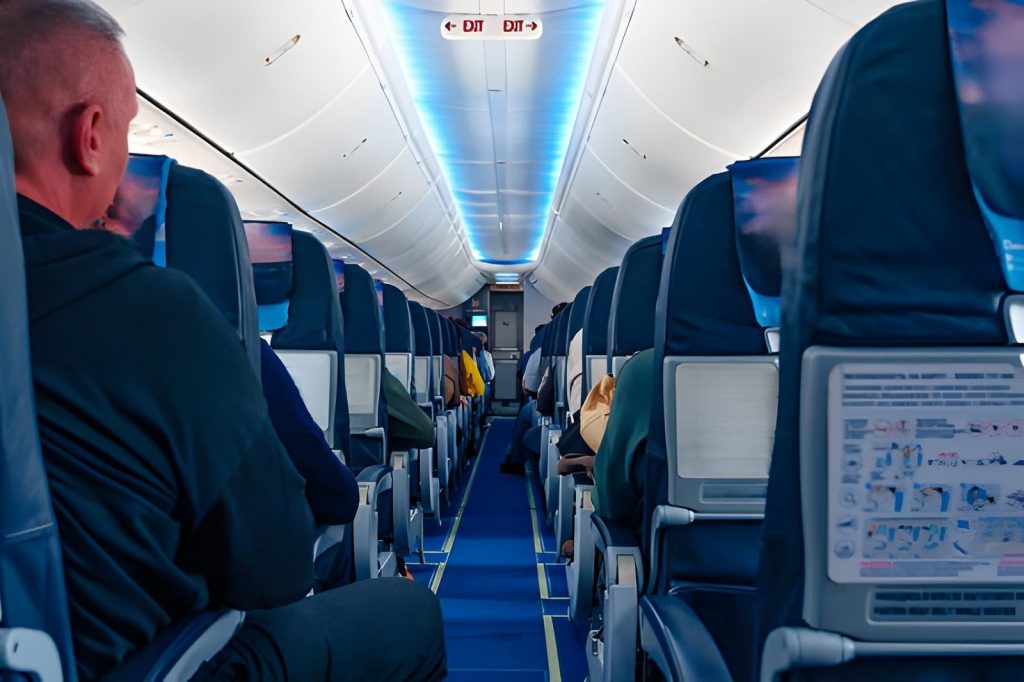
Travelers often assume every exit row offers the same experience.
Aircraft layouts tell a different story.
Some exit row seats provide excellent legroom but limited recline. Others have fixed armrests that make the seat feel less spacious. Certain rows may sit near busy galley areas where crew activity continues throughout the flight.
On some aircraft, seats directly in front of exit rows lose recline entirely because the space behind them must remain clear.
Experienced travelers research specific aircraft configurations before selecting seats rather than relying solely on the words “exit row.”
What Flight Attendants Check Before Departure
Before the aircraft leaves the gate, crew members inspect far more than passengers realize.
They verify that emergency exits remain unobstructed. They confirm safety equipment is properly positioned. They ensure carry-on items aren’t blocking evacuation routes.
Just as importantly, they observe the passengers themselves.
Flight attendants look for signs that someone is alert, attentive, and comfortable with the responsibilities of the seat.
A traveler who appears confused, unwilling, or physically unable to assist may be relocated before takeoff.
The goal isn’t enforcement for its own sake.
The goal is to ensure that every seat closest to an emergency exit is occupied by someone prepared to help if needed.
The Extra Legroom Comes With Expectations
Exit row seats remain some of the best seats in economy.
For taller travelers, they can dramatically improve comfort on long journeys. The additional space often makes eating, sleeping, and moving around far easier.
But unlike most seats on an airplane, these come with expectations attached.
When you choose an exit row, you’re accepting a small role in the aircraft’s safety system.
Most flights will end exactly as planned, and you’ll never think about the emergency exit beside you.
Flight attendants still prepare for the rare moments when preparation matters most. That’s why they check those rows before every single flight.
Understanding how airlines operate can help travelers make more informed decisions when choosing seats and planning flights. Inside the Points & Miles Insider community, members share practical airline tips, travel insights, and real-world experiences from frequent flyers.
A better travel experience often starts with the right strategy before you even board the plane. The Smart Search tool helps you find travel cards that align with your goals, making it easier to earn rewards and enjoy valuable travel benefits on future trips.