
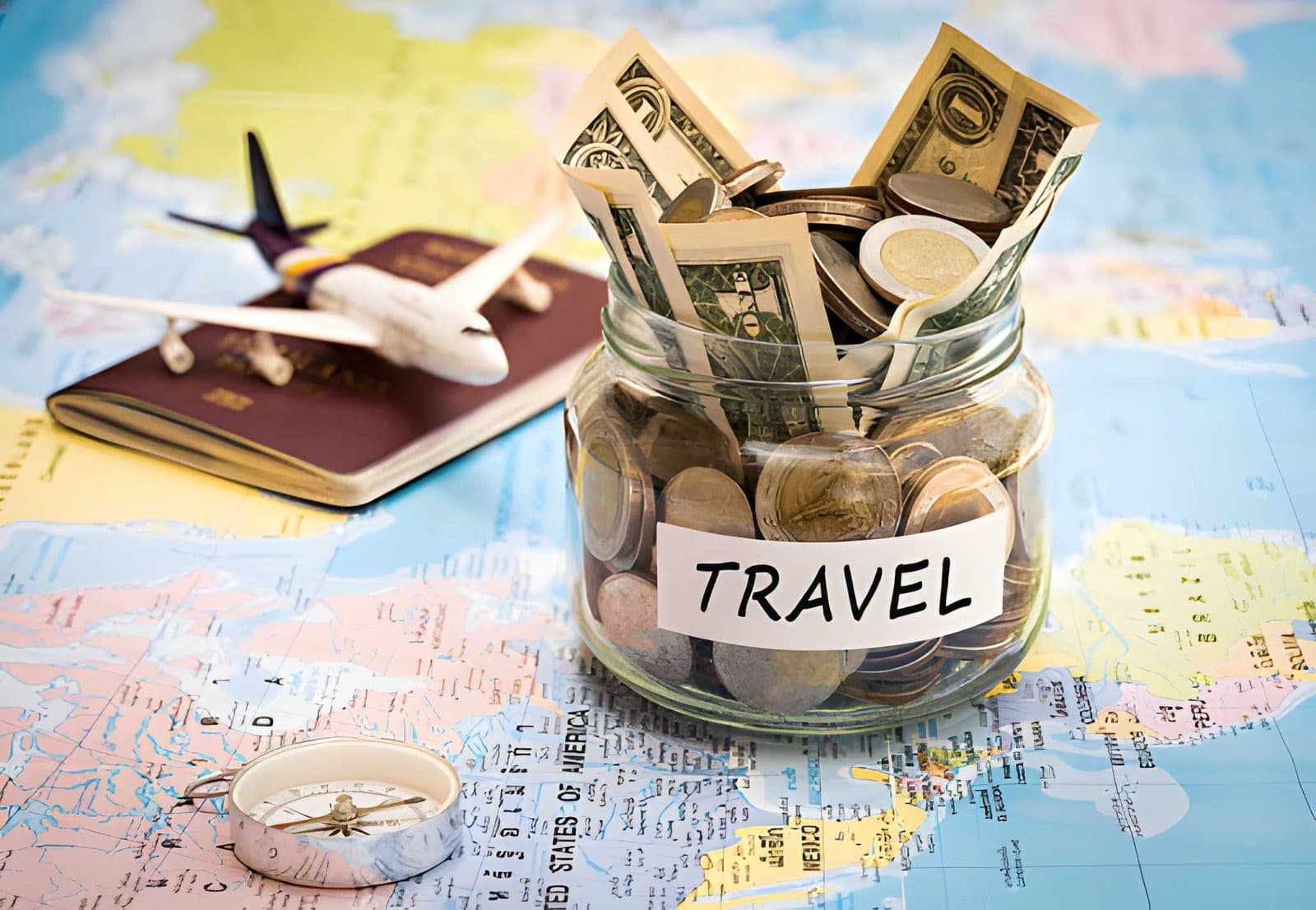
Almost everyone has a trip they talk about constantly but never actually book.
Japan during cherry blossom season. A month in Italy. Northern lights in Iceland. A long European train trip after work becomes less busy. The destination changes, but the pattern stays remarkably familiar.
Years quietly pass while the trip remains trapped inside screenshots, bookmarked hotels, saved videos, and unfinished itineraries.
The strange part is that many people postponing these trips are fully capable of traveling. Some already have enough points. Some have the budget. Some regularly spend large amounts on everyday conveniences without much thought. Yet when it comes to booking the trip they genuinely care about, hesitation suddenly appears.
That hesitation usually has less to do with logistics than people think. Most delayed trips are emotional decisions disguised as practical ones.
The Brain Treats Big Trips Like Big Risks

Meaningful travel sounds exciting, but the brain often processes it as uncertainty.
Large trips usually involve:
- Spending noticeable amounts of money
- Leaving familiar routines
- Taking time away from work
- Managing complicated logistics
- Entering unfamiliar environments
- Giving up a sense of control temporarily
The brain naturally prefers predictability because predictable routines feel safe.
A weekend getaway feels manageable because the emotional stakes stay low. A dream trip attached to years of anticipation suddenly feels much heavier. Once flights become nonrefundable and hotel reservations lock into place, the fantasy stops being harmless imagination and becomes commitment.
That shift creates psychological discomfort even for people who desperately want the experience.
Future Life Always Looks Easier
People constantly imagine future versions of life with more flexibility.
The reasoning usually sounds practical:
- “Next year should be calmer.”
- “After work slows down.”
- “Once finances improve a little.”
- “When flights become cheaper.”
- “After things settle down.”
Life rarely settles permanently.
Responsibilities simply evolve into different forms. Careers shift. Family obligations change. Unexpected expenses appear constantly. Energy levels fluctuate. The brain keeps imagining an ideal future moment where traveling finally feels easy and uncomplicated.
That perfect window almost never appears.
The longer people wait for ideal conditions, the easier postponement becomes psychologically.
Dreaming About Travel Feels Comfortable
Planning imaginary trips creates emotional rewards without requiring risk.
People spend hours researching hotels, watching travel videos, reading restaurant guides, building itineraries, and comparing flights. The brain receives excitement from the idea of travel without forcing commitment.
Booking changes the emotional equation immediately.
Once money leaves the account and dates become fixed, the trip suddenly carries vulnerability. Flights can get delayed. Weather can disappoint. Plans can change. Hotels may not match expectations. Exhaustion becomes possible.
Fantasy travel stays flawless because nothing can go wrong inside imagination.
Actual travel always contains imperfect moments.
Some people unconsciously prefer protecting the fantasy instead of risking disappointment through action.
Social Media Quietly Raised the Pressure

Modern travel culture makes vacations feel strangely high-stakes.
Trips no longer feel like simple escapes for many travelers. They now feel like performances requiring optimization:
- Perfect hotels
- Perfect itineraries
- Perfect restaurants
- Perfect timing
- Perfect photos
- Perfect experiences every day
That pressure creates anxiety before the trip even begins.
Many travelers spend months trying to engineer flawless itineraries for destinations they barely understand yet. Instead of excitement, the process becomes mentally exhausting.
The strange result is paralysis.
When every trip feels like it must become life-changing, the brain becomes terrified of making imperfect decisions.
People Fear Wasting Money More Than Wasting Time
Travel spending feels emotionally different from buying physical things.
Flights, hotels, transportation, and meals disappear once the trip ends. There is no object sitting at home afterward proving the money existed. That creates resistance because experiences feel less tangible psychologically.
Meanwhile, smaller everyday spending often escapes scrutiny:
- Frequent food delivery
- Streaming subscriptions
- Impulse purchases
- Constant online shopping
- Upgraded electronics
- Daily convenience spending
Over time, those small expenses quietly equal major vacations.
Yet many people hesitate intensely over meaningful travel because the emotional visibility of the expense feels larger.
Years later, travelers rarely regret the flight price nearly as much as they regret delaying the experience endlessly.
Energy Changes Faster Than Expected
One uncomfortable truth about travel is that the ability to travel changes quietly over time.
People assume future versions of themselves will always enjoy:
- Overnight flights
- Long walking days
- Tight sightseeing schedules
- Backpack travel
- Multi-city itineraries
- Physically demanding adventures
That assumption often fails.
Financial stability sometimes arrives later in life precisely when physical energy, flexibility, or curiosity begins changing. Trips that once sounded exciting start feeling exhausting instead.
This does not mean people should travel recklessly or ignore responsibilities.
It simply means “someday” becomes less guaranteed than the brain likes to imagine.
Small Obstacles Become Emotional Shields

Interesting psychological patterns appear whenever people delay meaningful trips. Minor obstacles suddenly gain enormous importance:
- Passport renewals
- Slight airfare increases
- Minor scheduling conflicts
- Planning fatigue
- Language concerns
- Fear of long flights
On the surface, these sound practical. Underneath, they often function as emotional shields protecting people from uncertainty and commitment.
The brain prefers manageable excuses over admitting fear directly.
Once trips finally get booked, many travelers later realize the anticipation anxiety felt worse than the trip itself.
The Best Trips Rarely Happen During Perfect Timing
Many memorable trips happen during imperfect seasons of life.
Busy careers, uncertain finances, stressful transitions, complicated schedules, and emotionally messy periods do not automatically prevent meaningful travel experiences. In many cases, those imperfect periods create even stronger memories because the trip interrupts difficult routines at exactly the right moment.
Waiting endlessly for flawless timing usually delays important experiences indefinitely. Travel rewards action far more often than perfection.
“Someday” Trips Usually Get Delayed Emotionally, Not Logistically
Most travelers postponing meaningful trips are not blocked entirely by money, points, or logistics. The bigger obstacle is usually uncertainty, timing anxiety, perfectionism, or the emotional discomfort that comes from turning a dream into a real commitment with fixed dates and real decisions.
If you want practical strategies that help turn “someday” trips into real itineraries without overcomplicating the process, join the Skool community. Travelers inside regularly share booking strategies, points planning, realistic trip pacing, and ways to finally move from endless research into actual travel experiences.
Before planning your next big trip, use the Smart Search Tool to compare smarter flight options, better earning strategies, and practical travel setups that make meaningful trips feel easier to book instead of endlessly postponed.