
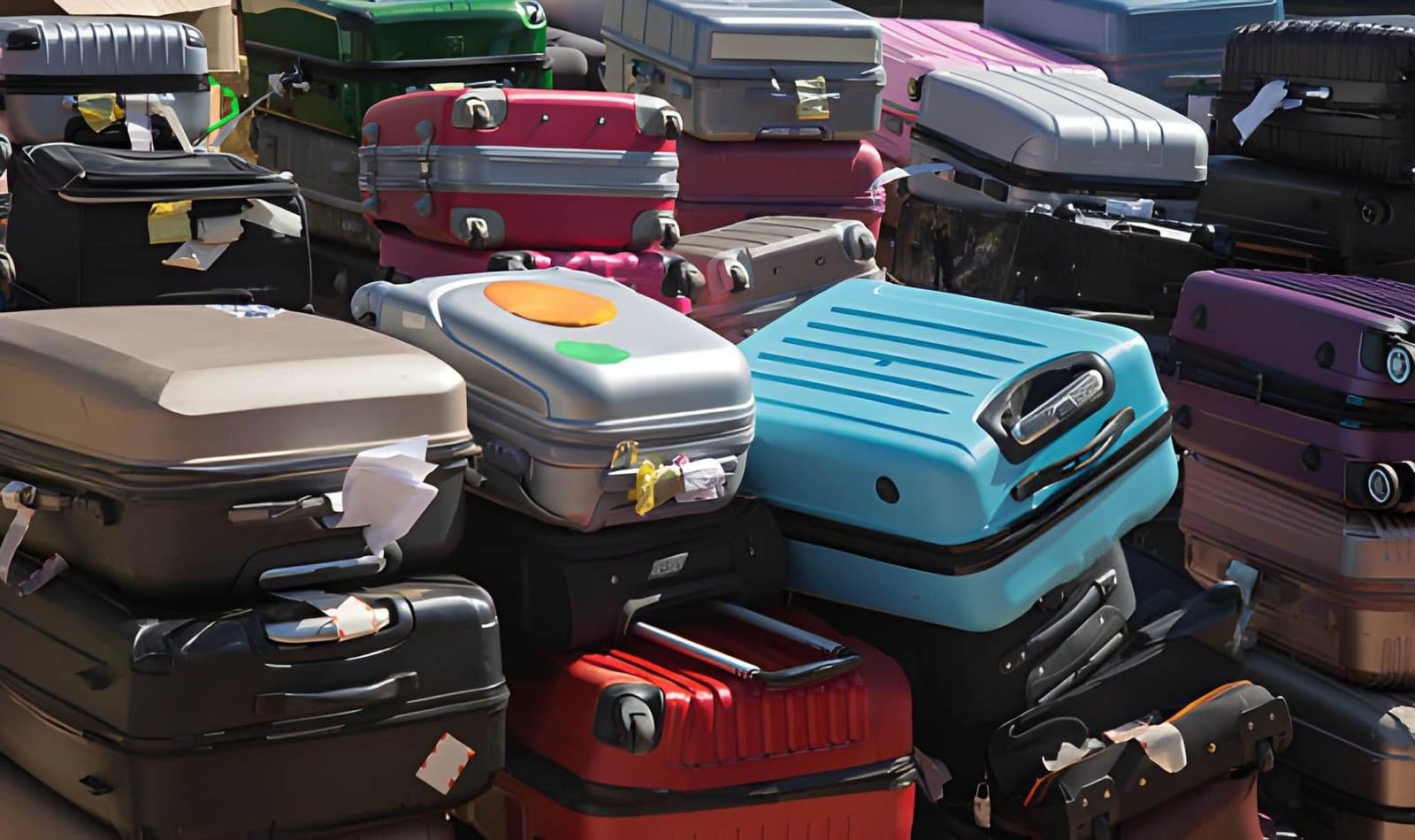
Standing beside an empty baggage carousel after a long flight changes the mood of a trip immediately. Travelers go from thinking about dinner reservations and hotel check-ins to wondering where their clothes, medication, chargers, and personal items disappeared.
Airlines move millions of bags every year, and most arrive without problems. But when luggage gets delayed, damaged, or lost completely, many travelers make the situation worse by reacting emotionally and missing important steps during the first hour after landing.
The people who handle baggage problems best are usually the travelers who stay calm, organized, and practical while everyone else starts panicking at the carousel.
Most Missing Bags Are Delayed, Not Gone Forever
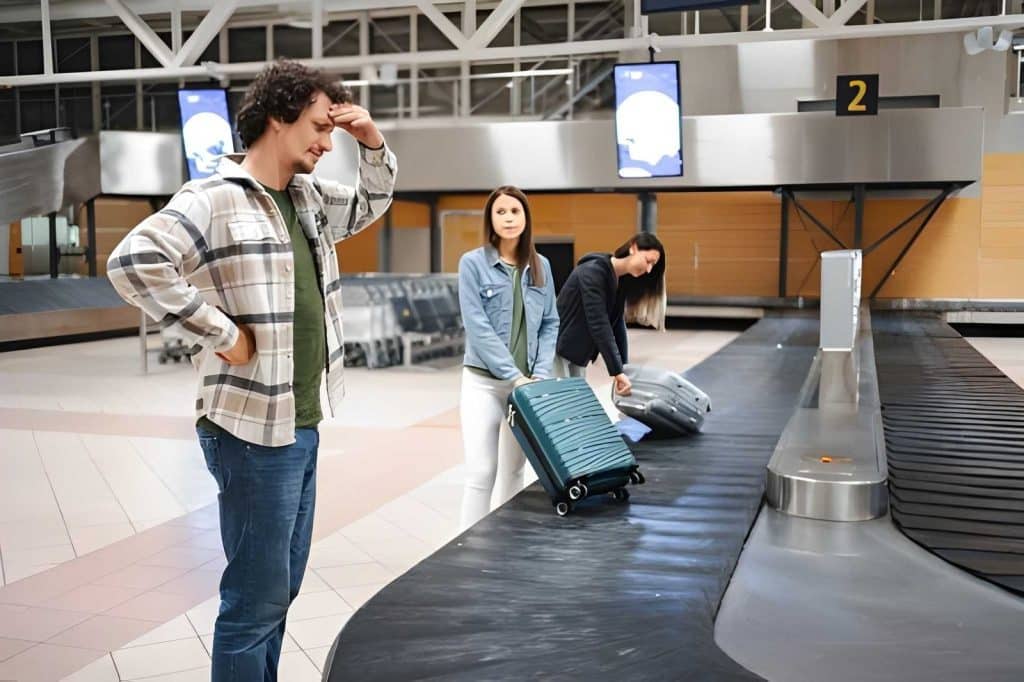
The good news is that most “lost” luggage is not permanently lost. It usually gets delayed somewhere between transfers, aircraft swaps, or connecting flights.
This happens constantly during:
- International layovers
- Tight flight connections
- Weather disruptions
- Busy holiday travel periods
- Airline partner transfers
A passenger may successfully sprint between gates while the checked suitcase never makes the connection downstairs.
Many delayed bags simply arrive on the next available flight later that day or the following morning. International routes can take longer because baggage systems between airlines and airports do not always communicate smoothly, especially during multi-country itineraries.
That is why experienced travelers avoid booking dangerously short layovers whenever possible. Saving 40 minutes on paper can create two days of baggage headaches later.
The First Hour Matters More Than Travelers Think
One of the biggest mistakes travelers make is leaving the airport before filing a baggage claim report.
Always go directly to the airline baggage desk before leaving the terminal. Waiting until the next day creates unnecessary complications because airlines want the issue documented immediately after arrival.
The baggage staff will create a tracking file connected to your boarding pass and baggage tag. That reference number becomes important later for:
- Compensation claims
- Status updates
- Insurance filings
- Delivery coordination
Travelers should also keep their baggage tag receipts until the trip fully ends. Many people throw them away too early without realizing those stickers are tied directly to the tracking system.
When staff ask for a bag description, vague answers slow everything down. Saying “large black suitcase” describes thousands of bags moving through airports daily.
Specific details help far more, especially things like:
- Bright luggage straps
- Airline stickers
- Unique scuffs
- Hard shell colors
- Attached ribbons or tags
The more detailed the description becomes, the easier the recovery process usually gets.
Smart Travelers Photograph Their Bags Before Every Trip
Frequent travelers often take quick photos of their luggage before heading to the airport. That habit sounds excessive until something goes wrong.
Those photos help prove:
- The condition before departure
- The bag’s appearance
- The size and brand
- Existing contents packed inside
This becomes especially helpful during damage disputes.
Airlines regularly classify scratches and wear as “normal travel damage.” Travelers who documented the suitcase beforehand have much stronger leverage when wheels snap off or hard-shell corners crack during handling.
A quick phone photo takes seconds and can save hours later.
Damaged Luggage Needs Immediate Attention
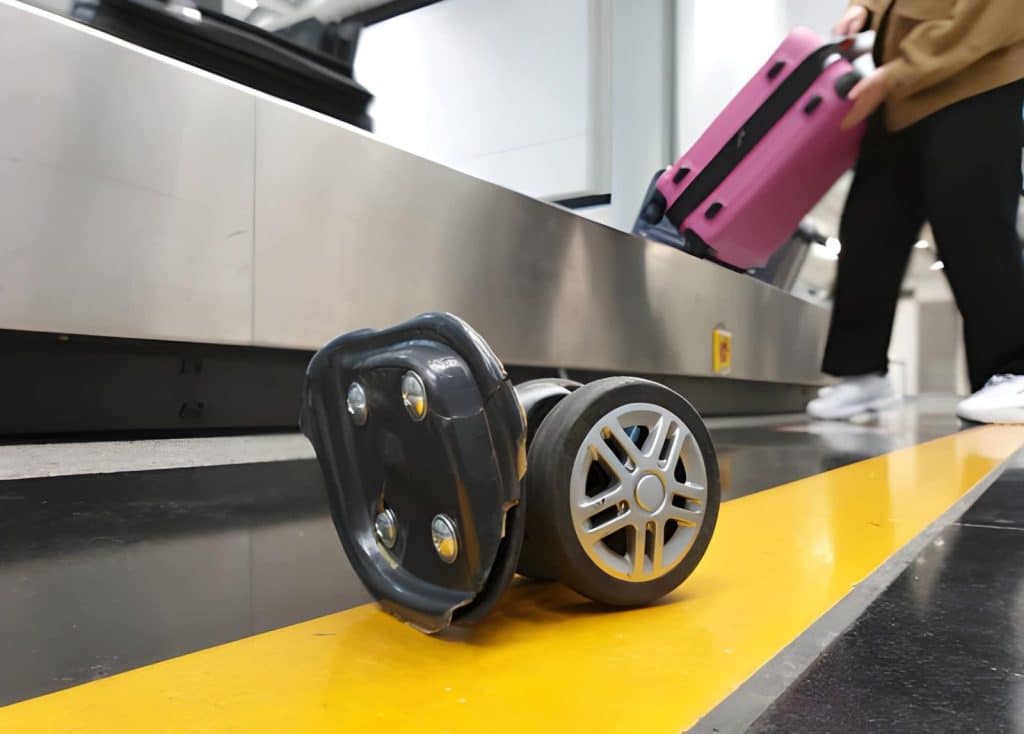
Travelers often focus so heavily on finding the bag that they forget to inspect it carefully after pickup.
That mistake matters because damaged luggage claims become harder once passengers leave the airport. Always check:
- Wheels
- Handles
- Zippers
- Hard shell corners
- Telescoping handles
before exiting baggage claim.
Airlines typically separate damage into cosmetic wear versus functional damage. Small scratches usually do not qualify for compensation because airlines consider them normal signs of travel.
Broken handles, shattered wheels, ripped seams, or cracked shells usually qualify because they affect usability directly.
Taking clear photos immediately strengthens the claim significantly.
Delayed Bags Become Expensive Quickly
A delayed suitcase sounds manageable until travelers suddenly need to replace basic items immediately.
Someone arriving in another country without luggage may suddenly need:
- Clean clothing
- Toiletries
- Phone chargers
- Work attire
- Medication
- Weather-appropriate layers
Those expenses add up fast, especially in expensive cities where travelers have limited shopping options nearby.
Airlines usually reimburse practical emergency purchases, but there is a major difference between reasonable replacement spending and emotional shopping.
Buying basic clothes for two days is usually acceptable. Purchasing designer outfits because the airline delayed a bag usually creates reimbursement problems later.
Keeping every receipt organized matters enormously during this process.
Tracking Devices Quietly Changed Travel
Small luggage trackers changed baggage recovery dramatically over the past few years.
Many travelers now know exactly where their missing luggage sits:
- Another airport terminal
- A transfer hub overseas
- A baggage storage room
- A completely different country
That visibility changes conversations with airlines immediately.
Instead of receiving vague responses like “we are still investigating,” travelers can sometimes provide precise baggage locations themselves. Some airline agents now even ask passengers for tracking screenshots during recovery investigations.
Tracking devices do not prevent luggage problems, but they reduce uncertainty significantly during stressful situations.
Budget Airlines Handle Problems Differently
Not all airlines manage baggage issues equally.
Some low-cost carriers outsource parts of their baggage handling systems and customer support operations more aggressively than larger international airlines. That can create:
- Longer response times
- Smaller airport staffing teams
- Slower compensation reviews
- More rigid reimbursement policies
Travelers flying budget carriers should document everything carefully from the beginning, including receipts, photos, claim numbers, and written communication.
Organization becomes extremely important once delays stretch beyond the first day.
Travel Insurance Helps More Than People Expect

Many travelers buy travel insurance without understanding what baggage coverage actually includes.
Some policies reimburse delayed baggage expenses after only a few hours. Others require longer waiting periods before coverage activates. Some plans cover electronics generously while others cap payouts aggressively.
That is why experienced travelers read:
- Delay time requirements
- Electronics limits
- Per-item reimbursement caps
- Documentation rules
before assuming insurance will solve everything automatically. The most expensive items inside checked luggage often receive the strictest limitations.
Calm Travelers Usually Get Better Results
Airport baggage staff deal with angry travelers constantly. The passengers who stay calm and organized usually receive faster and more helpful assistance.
That does not mean accepting poor service quietly. It means staying practical under pressure.
The most effective travelers usually:
- Save every receipt
- Document conversations carefully
- Ask direct questions
- Follow up consistently
- Keep claim numbers accessible
Panic tends to slow decision-making down.
Most delayed luggage eventually returns because airline tracking systems improved dramatically over the years. The travelers who recover fastest are usually the ones who treat the situation methodically instead of emotionally during those first stressful hours at the airport.
Lost Luggage Feels Worse When You’re Unprepared
Most missing bags are delayed, not permanently gone, but the first few hours after landing often decide how stressful the situation becomes. Travelers who document everything, file claims immediately, and stay organized usually recover faster and receive better compensation than those reacting emotionally at the carousel.
If you want practical travel strategies that help you avoid baggage mistakes, tighter connections, and airport problems before they happen, join the Skool community. Travelers inside regularly share smarter packing habits, airport tactics, and real-world experiences that make stressful travel situations easier to handle.
Before your next trip, use the Smart Search Tool to build a smoother travel setup, compare better flight options, and reduce the risks that often lead to baggage delays and chaotic airport connections.