
That low fare at the top of your search results is doing exactly what it’s designed to do. It pulls you in with a number that feels like a win, then slowly rebuilds the price as you move through the booking process.
The basic economy didn’t appear to make travel cheaper. It appeared to reshape how airlines charge you.
Why Airlines Created Basic Economy

Traditional airlines needed a way to compete with ultra-low-cost carriers without lowering their main ticket prices. Instead of cutting fares across the board, they introduced a stripped-down option that could sit at the bottom of search results.
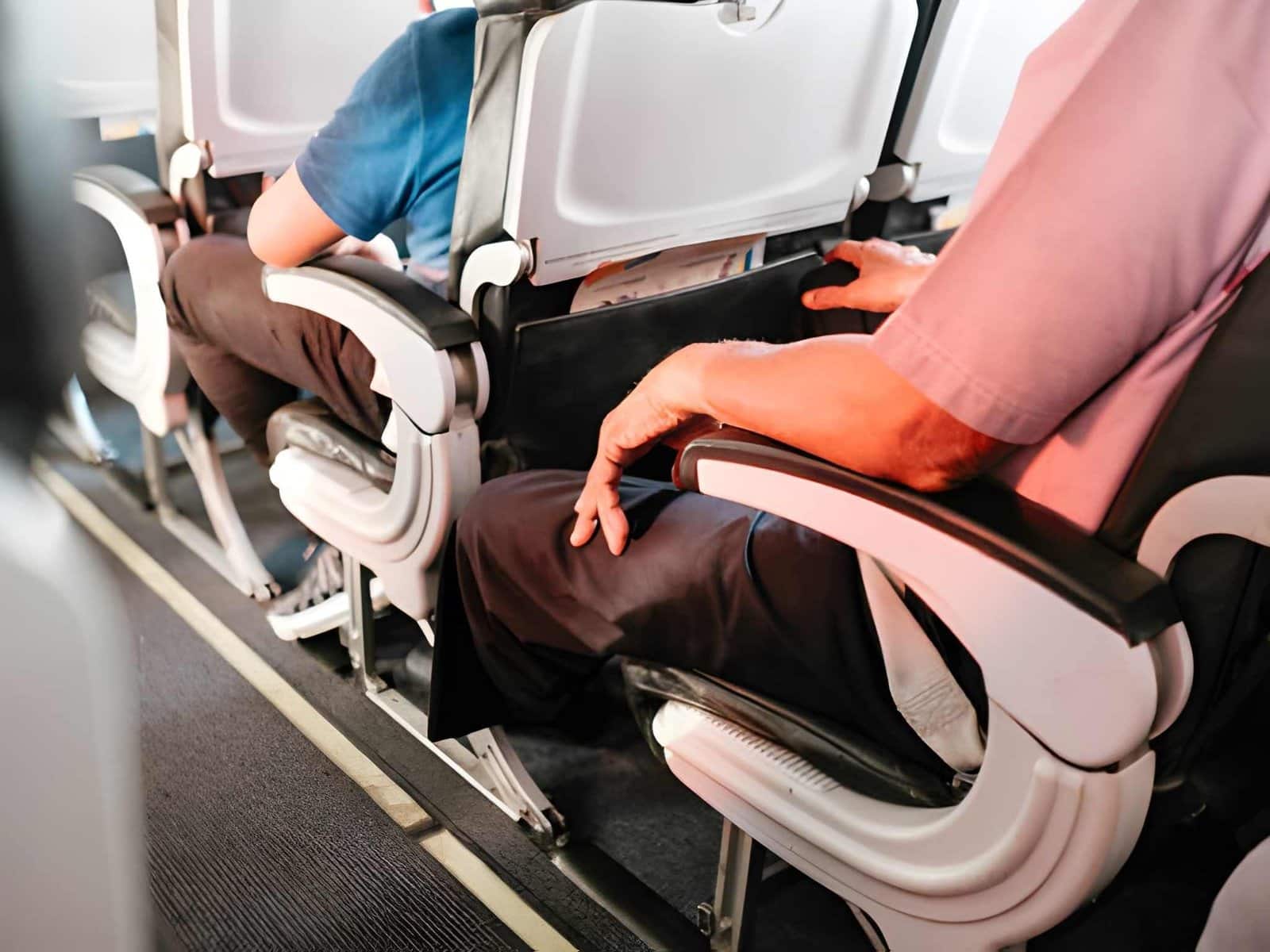
Same flight, same seat size, but fewer included benefits.
This gave airlines two advantages. They could advertise a lower price to stay competitive, and they could separate travelers based on how much flexibility and comfort they were willing to pay for. That separation is where the money comes from.
What You Give Up Without Noticing
Basic economy removes features that used to be standard, but the impact doesn’t hit until later in the process.
Seat selection is usually locked. You either accept whatever is assigned at check-in or pay extra, often at a higher rate than if you booked a standard fare from the start.
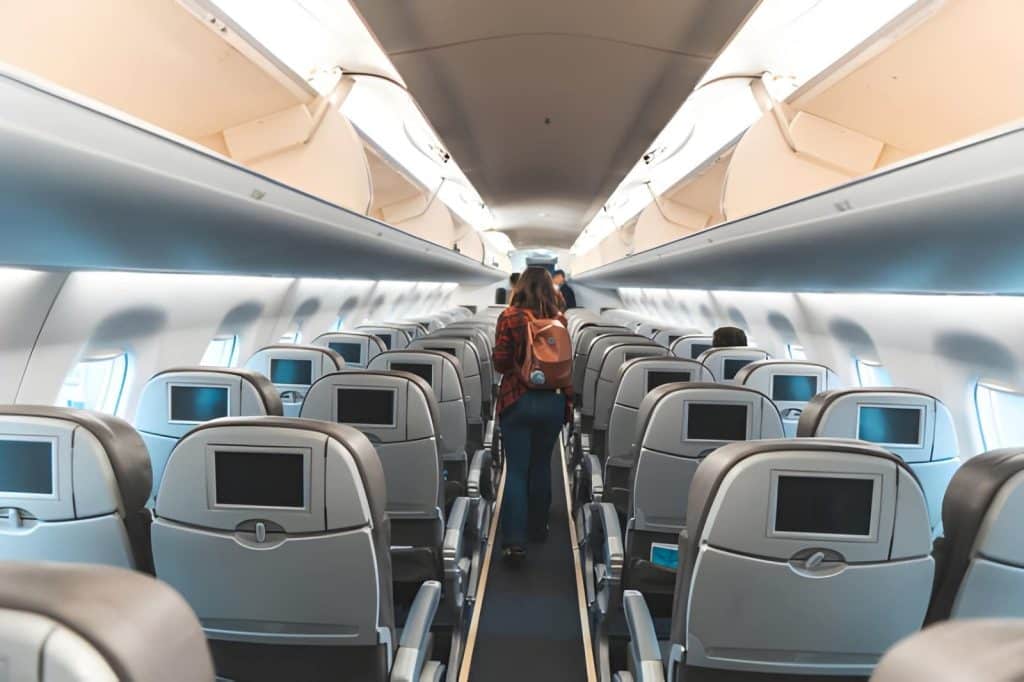
Boarding position drops to the final group. That increases the chance of running out of overhead space, which can force you to check your bag at the gate.
Changes and cancellations are heavily restricted. If plans shift, you may lose most or all of the ticket value.
Each restriction looks small on its own. Together, they limit flexibility in ways that can cost more later.
How The Pricing Funnel Works
Basic economy acts like an entry point, not a final product.
Once you click into that low fare, the system starts presenting upgrades. Better seats, earlier boarding, baggage options, and flexible fares all appear step by step.
Each add-on feels optional. Each price increase feels manageable.
By the time you finish, the total can match or exceed the next fare class. The difference is that you didn’t see that full number upfront.
That gradual build is intentional. It makes higher spending feel like a series of small decisions instead of one large one.
A Simple Example That Happens Often
- Take a short domestic flight priced at $110 in basic economy and $150 in standard economy.
- Add a carry-on for $35. Add seat selection for $25. You’re now at $170.
The cheaper ticket is no longer cheaper, and you still don’t have the same flexibility.
This happens frequently on longer routes as well. International flights amplify the effect because baggage fees and seat upgrades are higher.
When Basic Economy Still Makes Sense
There are cases where it works well.
Short trips with a single personal item are the easiest example. If you don’t need overhead space and don’t care about seat location, the stripped-down fare can deliver solid savings.
It also works when your plans are fixed. If there’s no chance of changing dates or routes, the restrictions matter less.
Another common use is positioning flights. When you’re simply getting to another airport for a separate long-haul trip, keeping costs low can be the priority.
The key is knowing exactly what you’ll need before you book.
Why Frequent Travelers See It Differently
Frequent flyers often experience fewer downsides because status perks can offset some restrictions.
Priority boarding, free seat selection, or included baggage can bring a basic fare closer to a standard experience. That changes the value equation significantly.
Without those benefits, the same ticket becomes much less flexible and often more expensive once add-ons are included.
That gap is why occasional travelers tend to feel the impact more.
How Airlines Keep Expanding This Model

Airlines earn a growing share of revenue from add-ons rather than base fares. Basic economy strengthens that model by breaking the ticket into multiple pieces.
Instead of one bundled price, every decision becomes a separate charge. Seat, bag, boarding position, and flexibility all turn into revenue opportunities.
This approach also allows constant testing. Airlines adjust pricing based on what travelers accept, keeping the structure flexible while maintaining the overall strategy.
How To Decide Before You Click Buy
Start by listing what you’ll actually use on the flight. If you know you’ll bring a bag and want a specific seat, calculate those costs before comparing fares.
Don’t rely on the first number you see. Build the full price yourself and compare that instead.
Tracking fares over time helps as well. Tools like Dollar Flight Club highlight deals where the gap between fare types narrows, which can make a better ticket worth the small difference.
Booking earlier can also reduce the gap. When demand is lower, the price difference between fare classes is often smaller.
The Shift That Changes How You Book
Basic economy isn’t about cheaper travel. It’s about changing how prices are presented. Once you start looking at total cost instead of the first number you see, the decision becomes clearer and you avoid paying more through add-ons later.
If you want to see how experienced travelers compare fare classes, avoid pricing traps, and consistently choose better-value tickets, join the Skool community. You’ll learn how others break down pricing before booking so the final cost actually makes sense.
When you’re ready to search, use the Smart Search Tool to compare real totals, find better fare combinations, and avoid getting pulled into low prices that don’t hold up at checkout.