
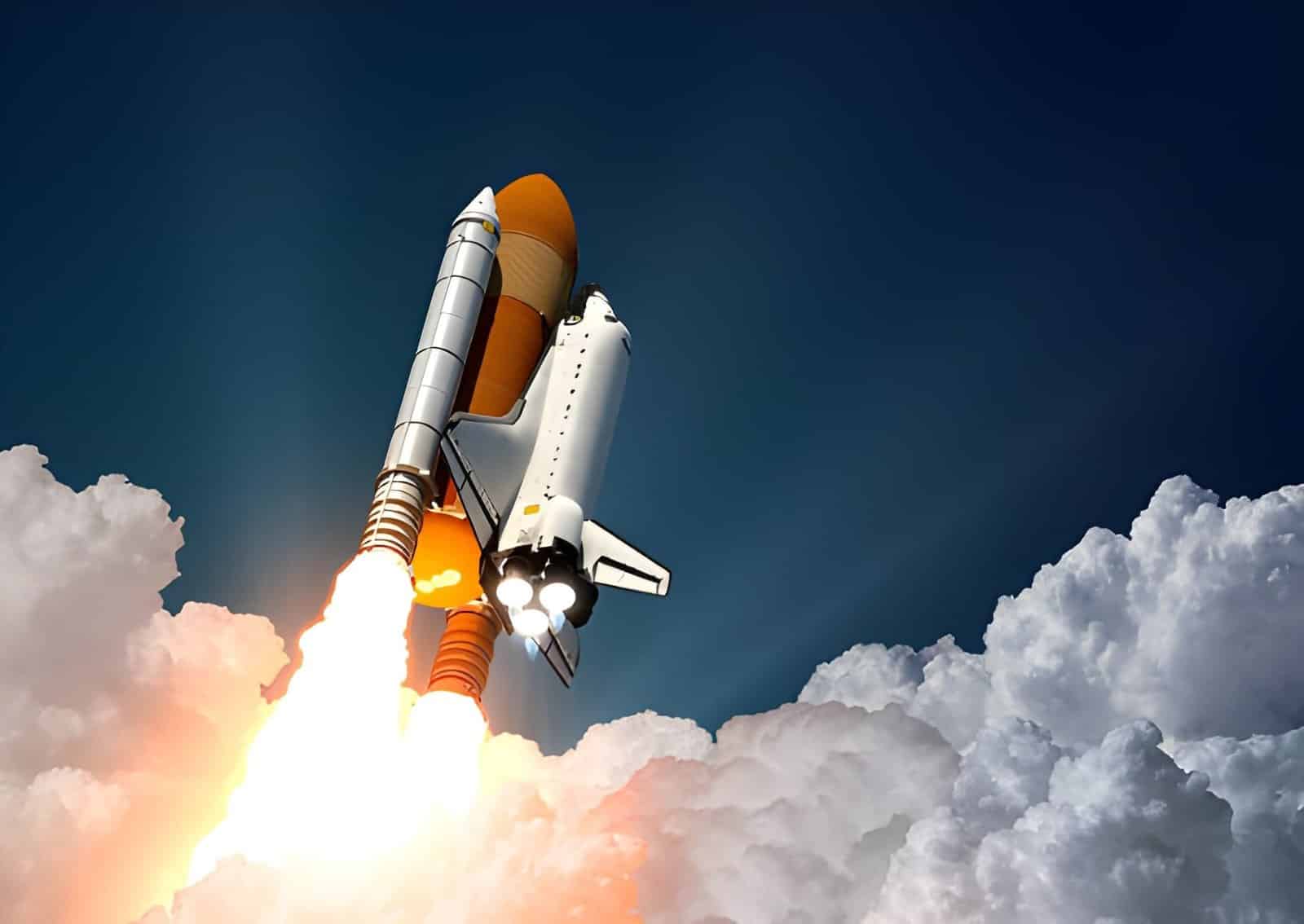
Watching a rocket leave the ground is one of those experiences that resets your sense of scale. The sound hits your chest before your ears catch up, and even from miles away, the ground can shake under your feet. Not every launch site gives you that kind of access, though. Some are tightly restricted, while others are surprisingly easy to visit if you plan it right.
Here are the places where you can actually see a launch clearly, without needing special credentials or insider access.
Cape Canaveral Feels Like the Front Row

Kennedy Space Center in Florida is still the most reliable place to watch launches without overthinking logistics.
The advantage here is infrastructure. There are designated viewing areas, organized bus tours, and clear updates on launch timing. You are not guessing where to stand or whether you are allowed to be there.
If you want the closest legal view, NASA’s official viewing packages place you a few miles from the pad. For a simpler setup, beaches like Cocoa Beach and Playalinda Beach offer wide-open views with no ticket required. The trade-off is distance, but you still get the full sound and visual impact.
One tip that makes a big difference is timing your arrival. Roads back up quickly, especially for high-profile launches. Getting there early is not optional if you want a clean view and an easy exit.
Vandenberg Offers Clear Coastal Launch Views
Vandenberg Space Force Base on the California coast gives you a completely different experience.
Instead of humid air and flat beaches, you get cliffs, cooler temperatures, and a cleaner horizon. Launches here often take place at sunset or night, which creates a bright trail across the sky that can be seen for miles.
Public viewing is less structured compared to Florida. There are no large visitor complexes for launches, so you need to pick your own viewing spot. Places like Lompoc and nearby coastal areas give strong visibility without being too far away.
Because launches here often head south over the Pacific, you get a long, uninterrupted view of the rocket’s path after liftoff. That makes it one of the better locations for photography.
Baikonur Is Remote but Unmatched for History
Baikonur Cosmodrome is where human spaceflight began, and that history still defines the experience.
Watching a launch here feels different. You are not surrounded by large crowds or modern tourist setups. The environment is quiet, remote, and built around decades of space operations.
Access is controlled, and you usually need to book through an authorized tour. Once you are in, though, you get closer to the launch pad than most public sites allow.
The setting adds to the experience. Flat desert terrain stretches in every direction, and when a rocket lifts off, there is nothing blocking your view from ground to sky.
Tanegashima Blends Nature With Precision
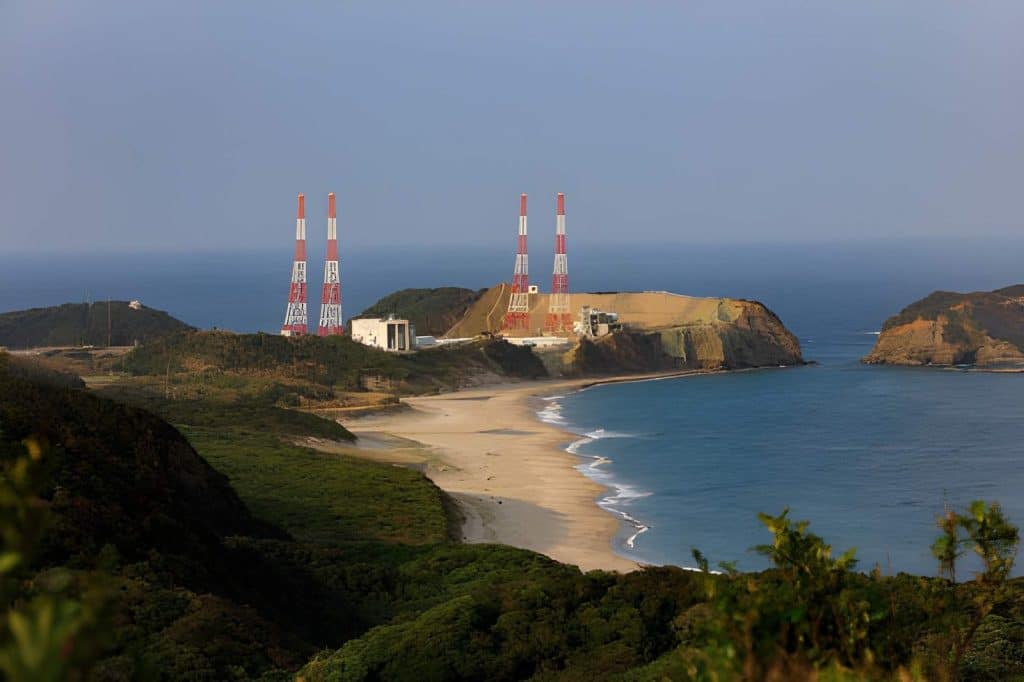
Tanegashima Space Center sits on a small island in southern Japan and is often overlooked by international travelers.
What stands out here is how clean and organized everything feels. Launch viewing areas are well managed, and the surrounding coastline gives you wide, unobstructed sightlines.
The environment also changes the experience. You are watching a highly technical event surrounded by beaches, greenery, and ocean views. It does not feel industrial, even though the operations are extremely precise.
Launch schedules here can shift more than expected, so building flexibility into your trip helps.
French Guiana Gets You Close to the Equator Advantage
Guiana Space Centre in French Guiana is one of the most strategically located launch sites in the world.
Its position near the equator allows rockets to take advantage of Earth’s rotation, which improves efficiency for certain missions. That is why many European launches happen here.
For visitors, the benefit is proximity. Viewing areas can place you relatively close to the launch pads compared to other sites. Organized tours and observation zones make planning straightforward once you are in the area.
The challenge is getting there. Travel logistics are more complex than Florida or California, so this location works best if you are building a trip around the launch itself.
Sriharikota Gives a Different Kind of Access
Satish Dhawan Space Centre offers a more limited but still worthwhile viewing option.
Public access is controlled, and viewing opportunities are not always open. When they are, they tend to be organized events rather than open-access viewing areas.
Nearby towns like Sullurpeta give you a chance to see launches from a distance. You will not be as close as in some other countries, but the scale of the launch is still clear, especially during night launches.
This location works best if you already plan to travel in India and want to align your visit with a scheduled launch.
Kennedy vs Everywhere Else Comes Down to Ease
Each launch site offers something different, but the biggest difference is how easy it is to plan around them.
Florida stands out because everything is built for visitors. You get clear updates, multiple viewing options, and predictable access.
Places like Kazakhstan or French Guiana offer a more immersive experience but require more planning and commitment. You trade convenience for proximity and atmosphere.
Timing Matters More Than Location
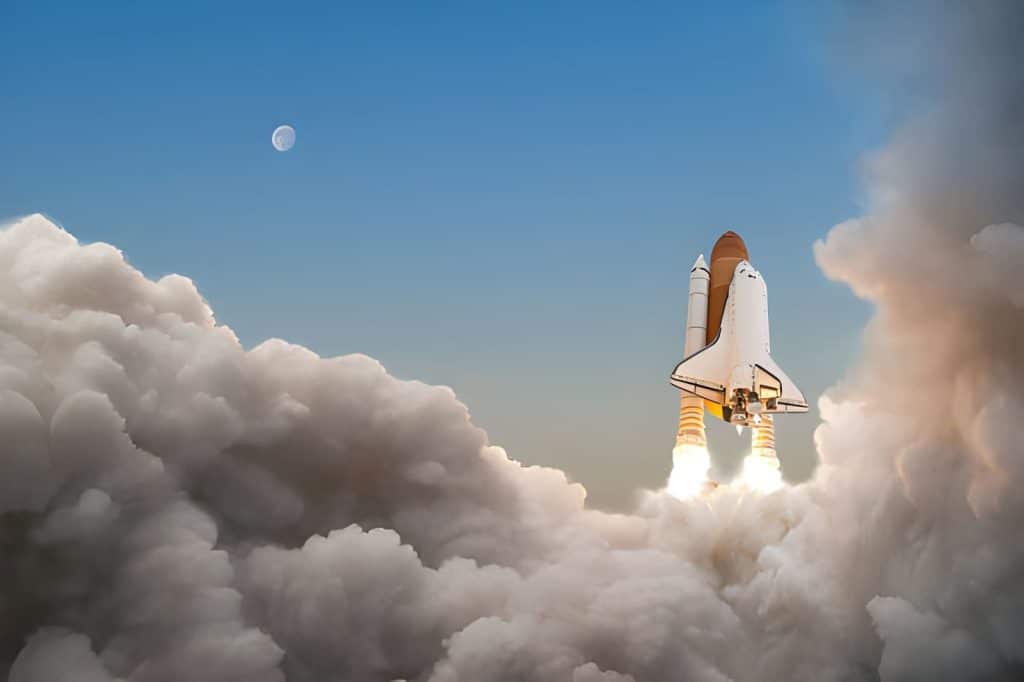
Where you stand matters, but when you go matters more.
Launches can be delayed for weather, technical checks, or range safety issues. Even a perfect forecast can shift within hours of the scheduled time.
Building flexibility into your trip helps avoid frustration. If possible, plan to stay at least a day or two beyond the scheduled launch window.
Night launches are often more visually striking, while daytime launches give you clearer detail on the rocket itself. Choosing between the two depends on what kind of experience you want.
What Makes a Launch Worth the Trip
Distance, visibility, and atmosphere all play a role, but the most important factor is clarity of view.
A clean line of sight with minimal obstructions matters more than being slightly closer. A well-positioned beach or open field can offer a better experience than a crowded official viewing area.
Sound also changes with distance. Being within a few miles lets you feel the vibration of the engines. Farther away, you still hear the roar, but with a delay that makes the experience feel more cinematic.
Why People Travel Just for This
Rocket launches are not frequent enough in one place to treat them as casual events. Planning around one turns it into a destination in itself.
Each location adds a different layer. Florida gives you access and convenience. California offers dramatic lighting and coastal views. Kazakhstan brings history. Japan delivers precision in a natural setting.
Once you see one launch up close, it changes how you think about distance, speed, and scale. That is why people keep coming back, often planning entire trips around a single moment that lasts just a few minutes.
The Best Launch Trips Happen When You Plan Around One Moment
Rocket launches are not everyday events, and that is what makes them worth building a trip around. When you choose the right location, give yourself time for delays, and secure a clear viewing spot early, the experience becomes something you do not rush or miss.
If you want to see how experienced travelers plan trips like this around timing, availability, and logistics, the Skool community is where those strategies are shared. You can learn how others align flights, pick the best viewing windows, and avoid common mistakes when planning around major events.
When you are ready to plan your trip, use the Smart Search Tool to match your travel goals with the right earning and booking strategy. It helps you quickly find better options so you can build your trip around the launch without overpaying or missing key windows.