
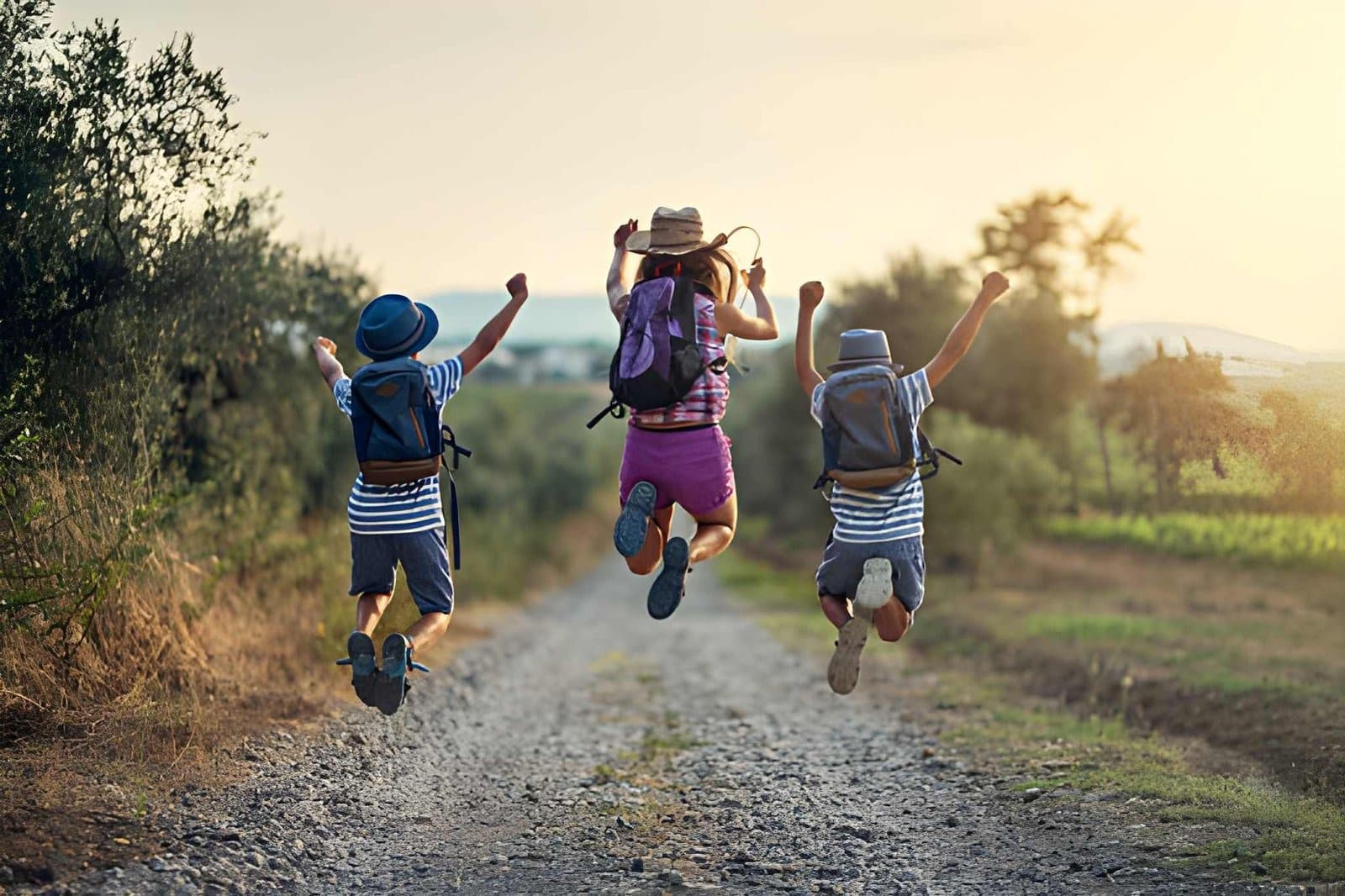
The same group of countries keeps showing up at the top year after year, and that consistency tells you something important. Happiness at a national level is not built on one attraction or one policy. It comes from how daily life works when no one is paying attention.
At the center again is Finland, holding the top position for the ninth straight year.
Why Finland Keeps Staying at the Top
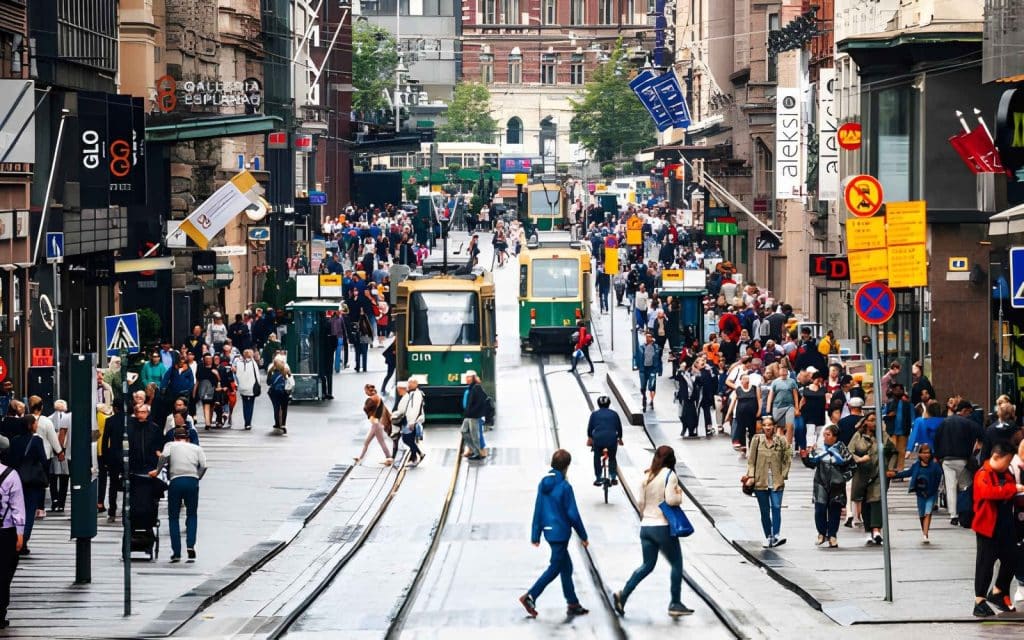
Finland does not rely on big, flashy advantages. The difference shows up in small, everyday details that remove friction from life.
Public systems work the way people expect them to. Healthcare is accessible, education is strong, and services are designed to be used without hassle. That stability reduces the constant background stress that people in many countries carry.
Then there is how people spend their time. Nature is not reserved for weekends or vacations. It is part of the weekly routine. Lakes, forests, and walking paths are easy to reach, and people actually use them.
Sauna culture is another piece that most visitors underestimate. With more than three million saunas across the country, it is less about luxury and more about routine. It functions as a reset, a social space, and a quiet pause built into the week.
In Helsinki, places like Löyly show how that tradition fits into modern life. You move between heat, cold water, and conversation in a setting that feels simple but intentional.
Why the Nordic Region Keeps Showing Up
Right behind Finland, countries like Iceland, Denmark, Sweden, and Norway hold steady positions near the top.
They share a similar foundation.
People trust institutions, which reduces uncertainty. Public spaces are clean and designed for daily use, not just appearance. Work culture leaves room for time off, and that time is protected.
You also see a strong connection to the outdoors. In Iceland, soaking in geothermal pools like the Blue Lagoon is part of normal life. In Sweden and Norway, access to nature is protected by laws that allow people to roam freely across land.
These are not occasional perks. They shape how people live week to week.
What Stands Out Outside Northern Europe
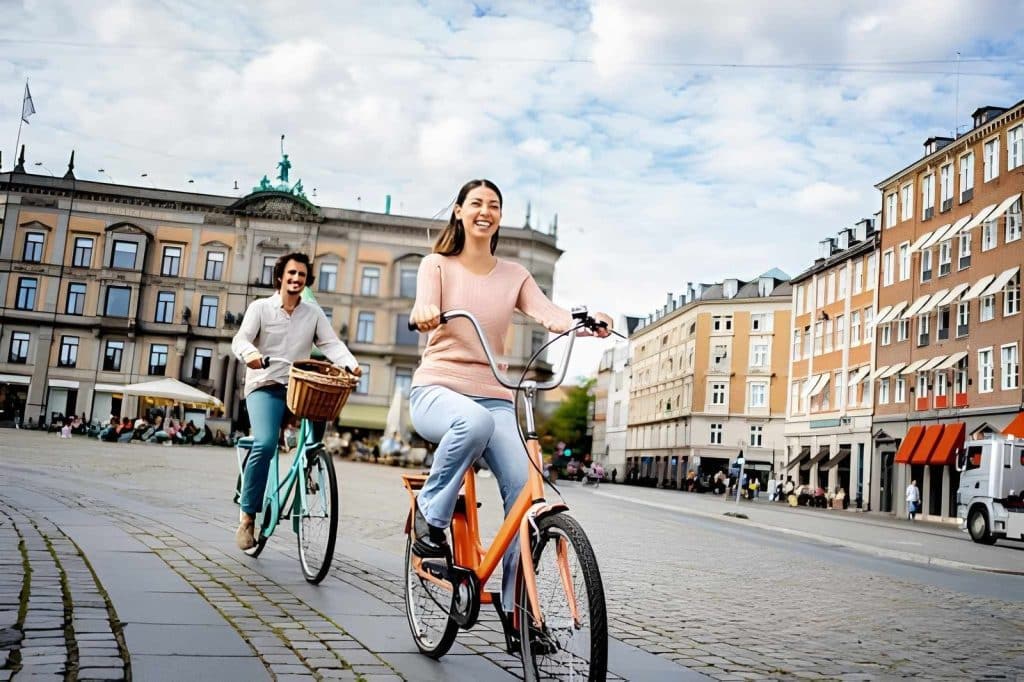
Not every country on the list follows the same model.
Costa Rica ranks high with a different approach. The country focuses on environmental protection and a slower pace of life. Communities tend to be close-knit, and daily routines revolve around time outdoors and family connection.
Mexico shows how strong social ties can influence life satisfaction. Meals are shared, neighborhoods stay active, and family plays a central role in everyday life.
New Zealand combines access to nature with a relaxed pace. Outside major cities, people tend to structure their days around outdoor activity and community events rather than constant work pressure.
These countries highlight a different path. Stability matters, but connection and rhythm matter just as much.
How These Rankings Are Measured
The rankings come from large-scale surveys across more than 140 countries. People rate their own lives on a scale from zero to ten.
That means this is not about tourist appeal or economic output alone. It reflects how people feel about their daily experience.
Several factors shape those scores.
Income plays a role, but social support matters just as much. Knowing someone will help you during a difficult moment has a measurable impact. Life expectancy, freedom to make choices, and trust in institutions also influence the final ranking.
What stands out is how consistent the results are over time. Countries that invest in long-term systems tend to stay near the top.
What Travelers Notice When They Visit
The difference becomes clear quickly once you spend time in these places.
Public transport runs smoothly and predictably. Parks are not decorative, they are used constantly. People walk, bike, and spend time outside as part of their routine.
In Finland’s lake region, known as Finnish Lakeland, daily life slows down in a way that feels intentional. Cabins sit by the water, mornings start quietly, and time is not packed with constant activity.
In Iceland, places like Vatnajökull or Diamond Beach are not distant attractions. They are part of normal travel within the country, even for locals.
These details are not staged. They reflect how people already live.
The Full List of Top Countries
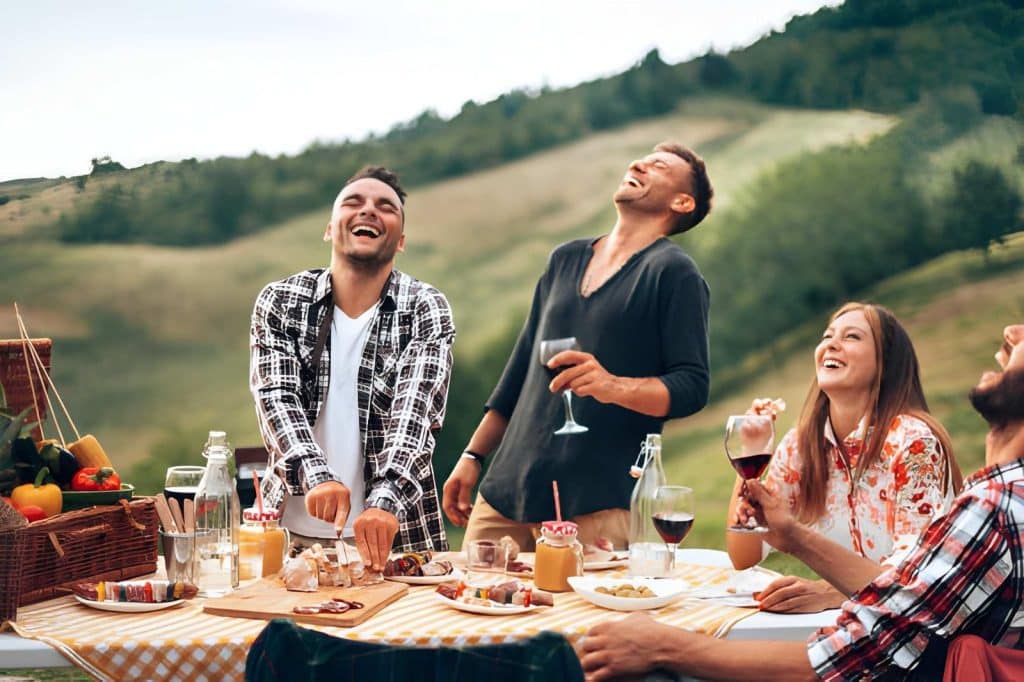
The current rankings based on life satisfaction scores include:
- Finland
- Iceland
- Denmark
- Costa Rica
- Sweden
- Norway
- Netherlands
- Israel
- Luxembourg
- Switzerland
- New Zealand
- Mexico
- Ireland
- Belgium
- Australia
- Kosovo
- Germany
- Slovenia
- Austria
- Czech Republic
What You Can Apply Without Moving Anywhere
You do not need to move countries to take something useful from this list.
Time outdoors shows up in nearly every top-ranking country. That could mean regular walks, time in parks, or planning weekends around nature instead of staying indoors.
Social connection is another constant. Shared meals, regular meetups, and strong relationships have a direct impact on how people rate their lives.
Finally, reducing daily friction matters more than chasing big changes. Simple routines, predictable systems, and fewer small stress points create more space for everything else.
These rankings are not about finding a perfect place. They show what tends to work when people build a life that feels balanced over time.
Happiness Looks Different When Daily Life Actually Works
These rankings are not about chasing a perfect destination. They reflect what happens when systems, routines, and environment support people consistently over time, not just during peak moments.
If you want to see how experienced travelers apply ideas like this into how they choose destinations and structure their trips, the Skool community is where those insights are shared. You can learn how others pick locations that match their pace, plan smarter stays, and travel in a way that feels more balanced.
When you are ready to plan your next trip, use the Smart Search Tool to match your travel goals with the right earning and booking strategy. It helps you quickly find better options so you can travel with more intention, not just more frequency.