
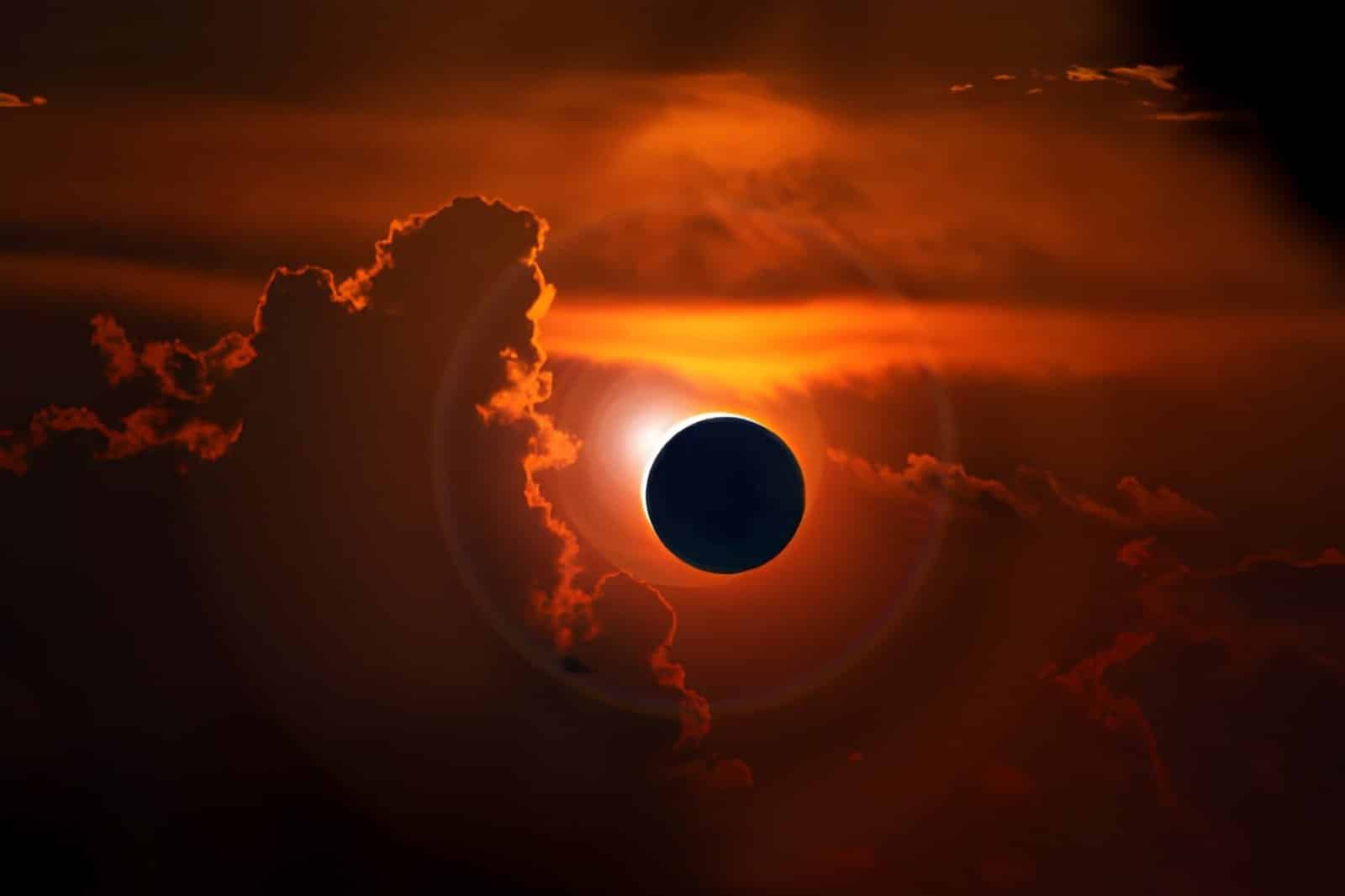
A total solar eclipse stretching over six minutes is not something you casually add to a trip. August 2, 2027, will cut across a narrow band of Europe, North Africa, and the Middle East, and if you stand inside that path, you get a long, uninterrupted window to watch the sky flip from midday brightness into an eerie twilight.
Most eclipses move quickly. You glance up, snap a photo, and it is over. This one gives you time to settle in, notice the temperature drop, hear the shift in sound around you, and actually follow the full sequence from first contact to full darkness.
Why This Eclipse Is Different
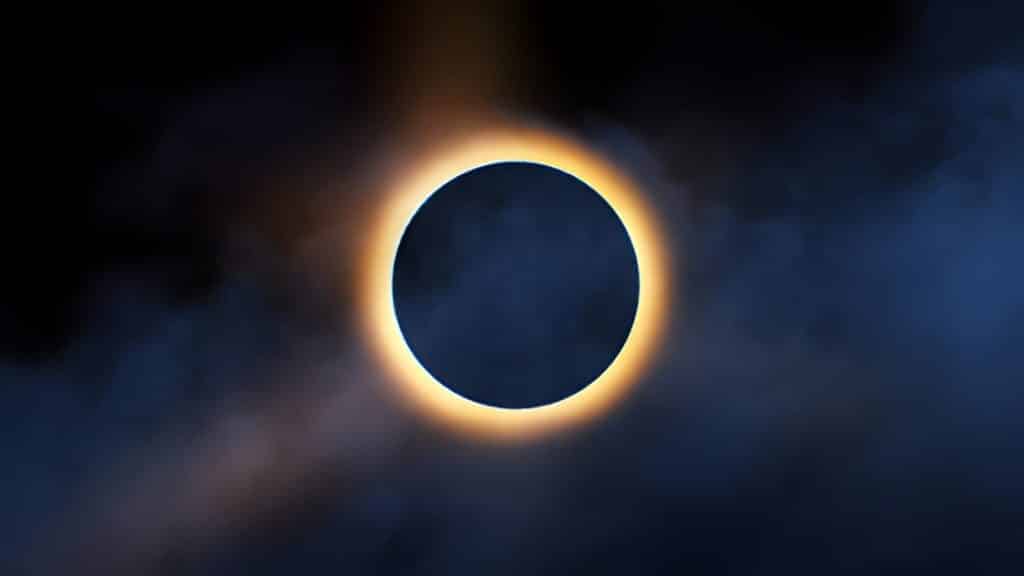
The duration changes everything. Six minutes is enough to observe details that are easy to miss during shorter events.
You can track the shadow racing across the ground, watch the corona stretch outward like thin strands of light, and even notice how colors around you flatten and dim. Landscapes lose contrast. Shadows sharpen. It feels like someone adjusted the brightness dial on the world.
That longer window also means less pressure. You are not scrambling to capture a single moment. You can put the camera down and just watch.
Where the Path Gives You the Best Odds
The path of totality is about 160 miles wide. That sounds large until you realize how quickly conditions change outside it.
Step outside that band, even by a short distance, and you only get a partial eclipse. The sun never fully disappears, and the experience is completely different.
Cloud cover matters just as much. You want places known for clear skies in early August, and that is why southern Europe and North Africa stand out.
Luxor Delivers the Longest Darkness
Luxor sits near the centerline, which means maximum duration.
You are looking at over six minutes of totality here. That is about as long as it gets. The setting also adds weight to the moment. Watching the sky darken over ancient temples and the Nile gives the experience a different kind of scale.
Practical note from experience. August in Upper Egypt is brutally hot. You need shade, water, and a plan to stay put once you claim a viewing spot. Moving around midday is exhausting, and you do not want to be searching for shade when the eclipse begins.
Southern Spain Keeps Things Easy
Costa del Sol offers a much simpler setup.
Flights are frequent, roads are easy to navigate, and accommodation options are wide. Cities like Malaga or Cadiz give you coastal access, which means open horizons and fewer obstructions.
The weather is a major advantage. This region sees consistent sunshine in summer, so your chances of a clear view are high. If you are balancing comfort with a strong viewing experience, Spain is one of the safest picks.
Gibraltar Works if You Plan Early
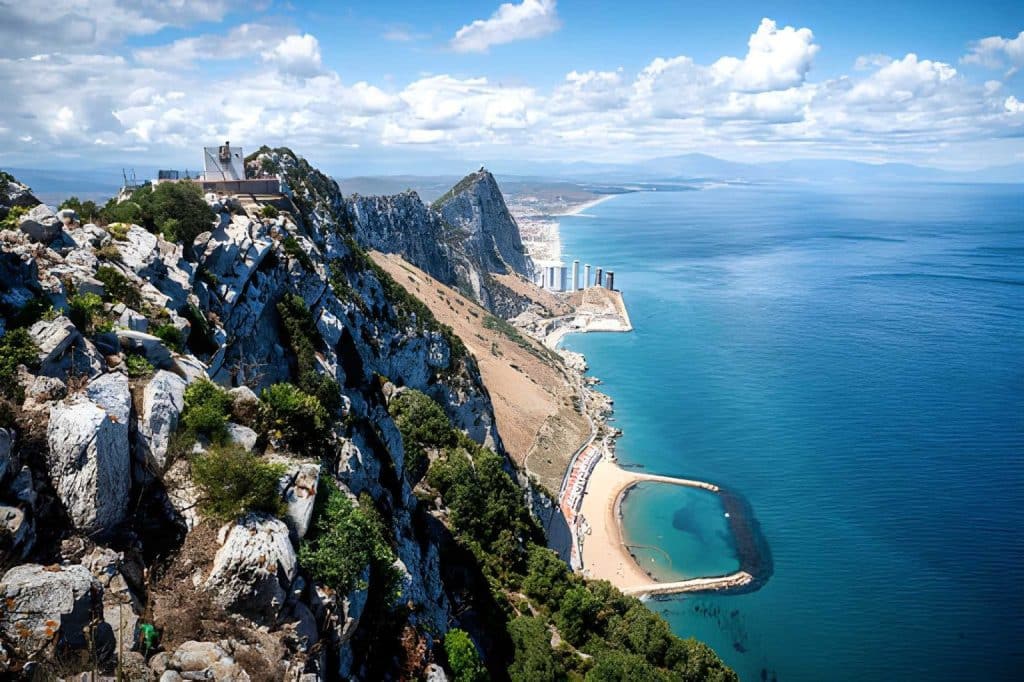
Gibraltar gives you strong viewing conditions in a very compact space.
You can walk from your hotel to multiple viewing points without dealing with long transfers. Elevated spots near the Rock provide wide sightlines, which is exactly what you want.
The challenge is capacity. This is a small destination with limited rooms. Prices will spike, and availability will disappear early. Booking late here is not an option.
Northern Morocco Adds Flexibility
Tangier gives you a mix of coastal views and elevated vantage points.
You can watch from the waterfront or head uphill for a broader perspective. The light over the Strait of Gibraltar during an eclipse creates a layered effect, with water, sky, and distant land all shifting at once.
Transportation takes more planning than Spain. Trains and roads can slow down as the date approaches, so build in extra time for any movement between cities.
Tunisia and Algeria Give You Space
Sfax and Oran fall directly inside the path and will see long periods of totality.
These destinations see fewer international visitors, which can work in your favor. Less crowding means you can find quieter viewing spots without fighting for space.
You trade convenience for that breathing room. Fewer flights, fewer hotels, and less tourism infrastructure mean you need to lock in logistics early and confirm details more carefully.
How to Secure Flights and Rooms Before They Vanish
Eclipse travel follows a pattern. The best locations sell out first, and prices climb steadily as availability drops.
Flights into key hubs will fill weeks, sometimes months, in advance. If you are using points, check award space early and stay flexible with dates and routes.
Hotels usually open bookings about a year ahead. Set reminders for release windows and be ready to book immediately. Waiting even a few days can mean losing the best locations.
Cruises along routes like the Nile are another option. These packages combine lodging and transport, and they tend to sell out quickly because they simplify the entire trip.
How to Choose the Right Viewing Spot
You want a clear line of sight with minimal obstruction.
Open areas like beaches, desert edges, or elevated hills work best. Avoid narrow streets, tall buildings, or anything that blocks your horizon.
Arrive early and stay put. Popular locations will fill hours before the event, and moving around at the last minute is not practical.
Position yourself with the sun high in the sky, not behind a structure or natural barrier.
What to Bring so the Day Goes Smoothly
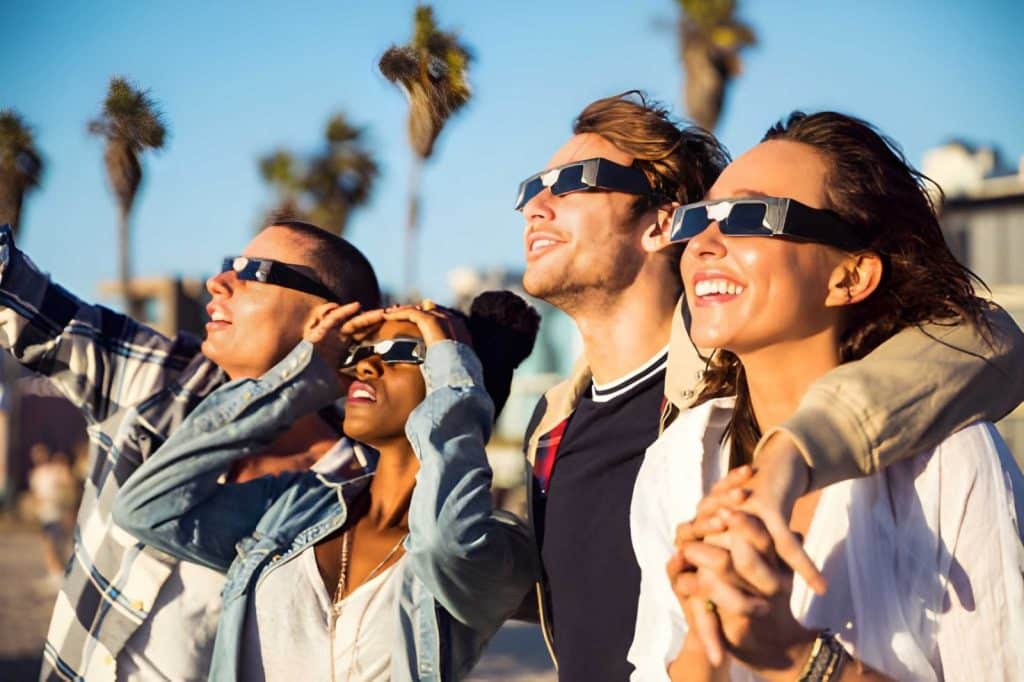
Certified eclipse glasses are essential for the partial phases. You can only look directly at the sun during totality. Outside that window, you need protection.
Pack more water than you expect to drink. Heat and crowds will wear you down faster than usual.
Lightweight clothing, a hat, and sunscreen make a big difference when you are standing outside for hours. A small folding chair or mat helps if you plan to stay in one place.
Why Timing Your Trip Matters More Than Usual
Arriving a day or two early gives you breathing room.
Delays happen, especially when large numbers of travelers converge on the same region. Getting in early means you are not stressed about missing the event due to a flight issue.
Leaving the day after can also be tricky. Flights out of key cities will be packed. If your schedule allows, stay an extra day and avoid the rush.
Why This Is Worth the Effort
You can travel often and still never see something like this.
The length of totality changes how you experience the event. You are not rushing. You are observing. You have time to notice details that most people miss.
Once you see the sky darken in the middle of the day and watch the corona stretch out across the sun, you understand why people plan entire trips around a few minutes.
This one just happens to give you more than a few.
The Best Eclipse Trips Start With One Early Decision
The 2027 eclipse is not just about where you go, but how early you commit. With long-term stability, strong locations, and global demand, the difference between a smooth trip and a stressful one comes down to locking in your plan before availability disappears.
If you want to see how experienced travelers secure trips like this without overpaying or missing key windows, the Skool community is where those strategies are shared. You can learn how others time bookings, choose better locations, and build trips around high-demand events.
When you are ready to plan your trip, use the Smart Search Tool to match your travel goals with the right earning and booking strategy. It helps you quickly find better options so you can lock in flights early and stay ahead of rising demand.