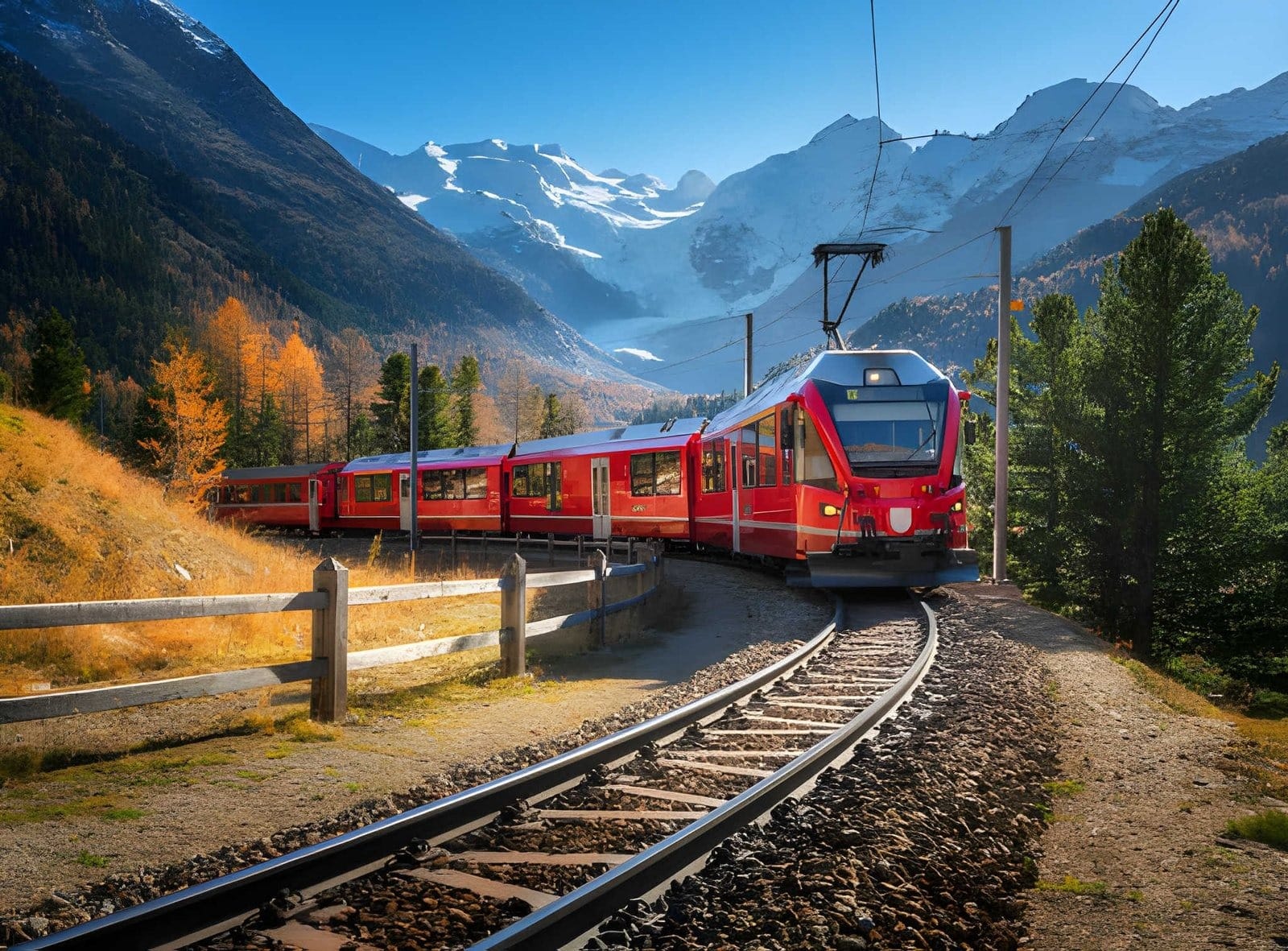
Train travel across Europe looks simple until something small goes wrong. Miss one detail and you lose hours, pay extra, or end up somewhere you did not plan.
After years of riding trains across multiple countries, these are the mistakes that show up most often. Fixing them keeps your trip smooth without adding complexity.
Not Checking Train Type Before Boarding
Two trains can leave minutes apart and feel identical on the platform. One gets you there fast, the other stops in every town along the way.
Always check the train category and duration, not just the departure time. High-speed trains are labeled differently, and the travel time difference can turn a short trip into a long one.
Waiting Too Late to Book Fast Routes
High-speed trains work more like flights than local transit. Seats are assigned, and prices increase as availability drops.
Booking early gives you better seat choices and lower fares. Waiting until the last minute usually means fewer options and higher prices.
Taking Regional Trains at Busy Times
Local trains fill up quickly during commuting hours. You may not get a seat, and standing with luggage becomes uncomfortable fast.
If your timing is flexible, avoid late afternoon departures. Even shifting by an hour can make the difference between a crowded ride and a relaxed one.
Bringing More Luggage Than You Can Handle
Train stations involve stairs, narrow platforms, and quick boarding. Managing multiple large bags slows you down and draws attention in crowded areas.
Stick to one carry-on and a small personal bag. It keeps you mobile and makes it easier to store your belongings within reach.
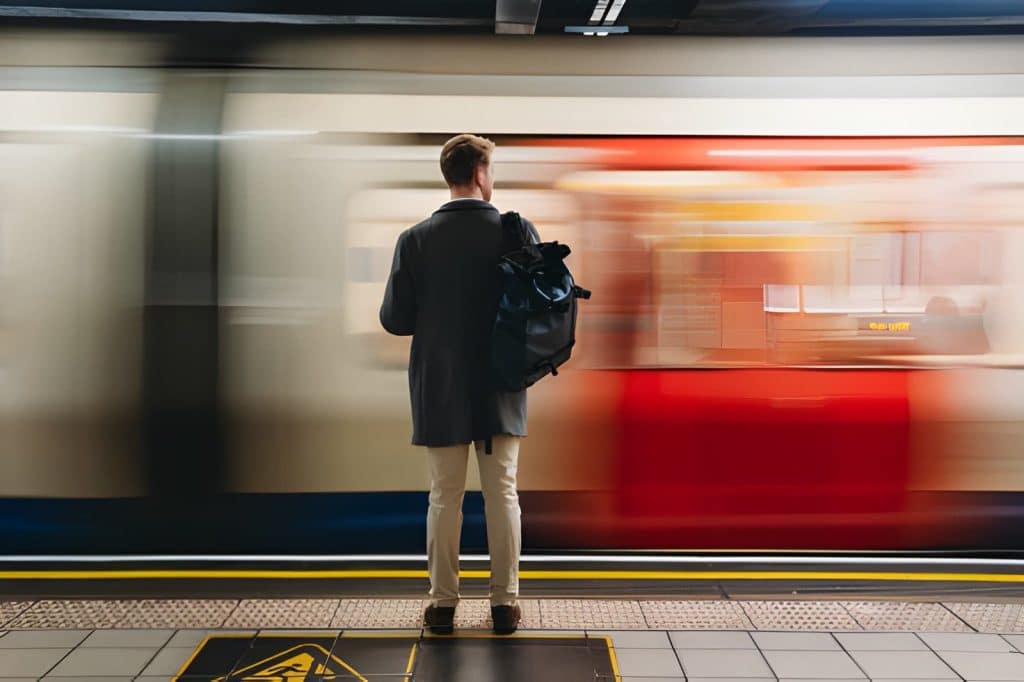
Arriving Without Enough Buffer Time
Platforms are often announced shortly before departure. If you arrive too late, you end up rushing through unfamiliar stations trying to find your train.
Give yourself at least 20 minutes. That gives you time to read the boards, confirm your platform, and board calmly.
Boarding Without Snacks or Water
Not every train offers food service. On shorter or regional routes, there may be nothing available once you are on board.
Pick up something at the station before you leave. Delays happen, and having food with you avoids unnecessary discomfort.
Choosing Tickets With No Flexibility

Cheaper tickets often come with strict conditions. If your plans change, you may need to buy a new ticket instead of adjusting your current one.
Paying slightly more for a flexible option gives you room to adapt. That flexibility matters when connections run late or plans shift.
Misreading Departure Information
Train stations display a lot of information at once. It is easy to look at the wrong screen or focus only on the destination name.
Always confirm the train number along with the platform and time. That extra check prevents boarding the wrong train.
Getting Off Too Quickly After a Mistake
If you board the wrong train, your first instinct may be to get off at the next stop. That can leave you stranded in a place with limited connections.
Find a staff member or conductor instead. They can guide you to a better transfer point and help you recover your route more efficiently.
Overlooking Strike Notices
Rail strikes are common in several countries. They are usually announced in advance, but many travelers only check schedules on the day of travel.
Look up updates a few days before your trip. If a strike is planned, adjusting your route or timing early avoids long delays.
Why Train Travel Works When You Stay Ahead

Most train issues come from small oversights, not major problems. A few checks before boarding prevent hours of inconvenience later.
Once you handle timing, tickets, and basic logistics, train travel becomes one of the easiest ways to move between cities.
Train Travel Works Best When You Stay One Step Ahead
Train travel across Europe is simple when you handle the small details before they turn into bigger problems. Checking train types, booking early, and giving yourself buffer time keep everything moving smoothly without adding extra effort.
If you want to see how experienced travelers handle routes, timing, and last-minute changes without stress, the Skool community is where those strategies are shared. You can learn how others plan smarter connections, avoid common mistakes, and stay flexible when things shift.
When you are ready to plan your next trip, use the Smart Search Tool to match your travel plans with the right earning and booking strategy. It helps you quickly find better options so you can move between cities with less friction and more control.