
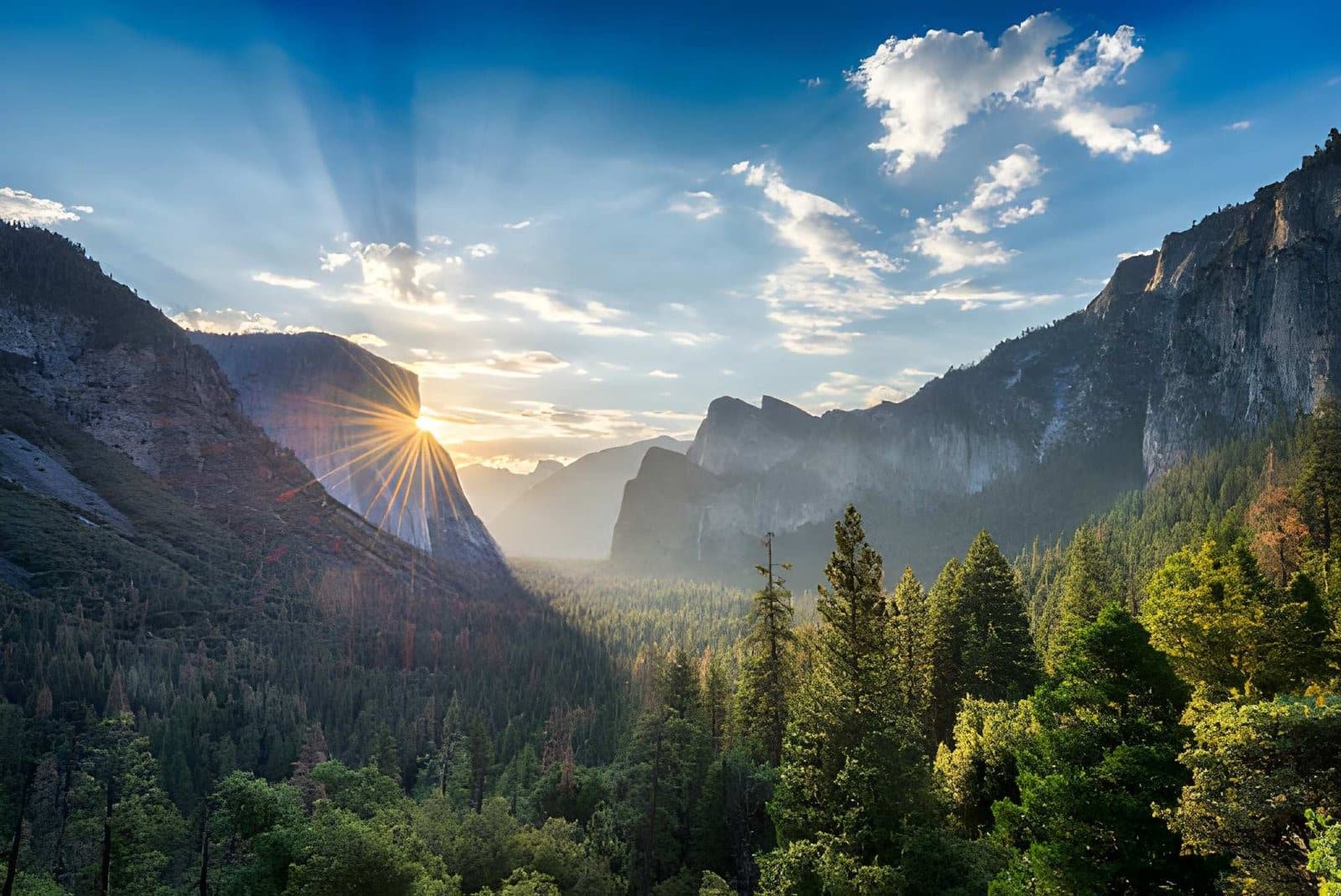
Family trips fall apart when the plan ignores attention spans, heat, and walking distance. The parks below work because they keep things close together, offer quick wins on short trails, and give kids space to move without constant direction. You still get standout scenery, but you are not forcing long hikes just to reach it.
Arches Work When You Keep It Short
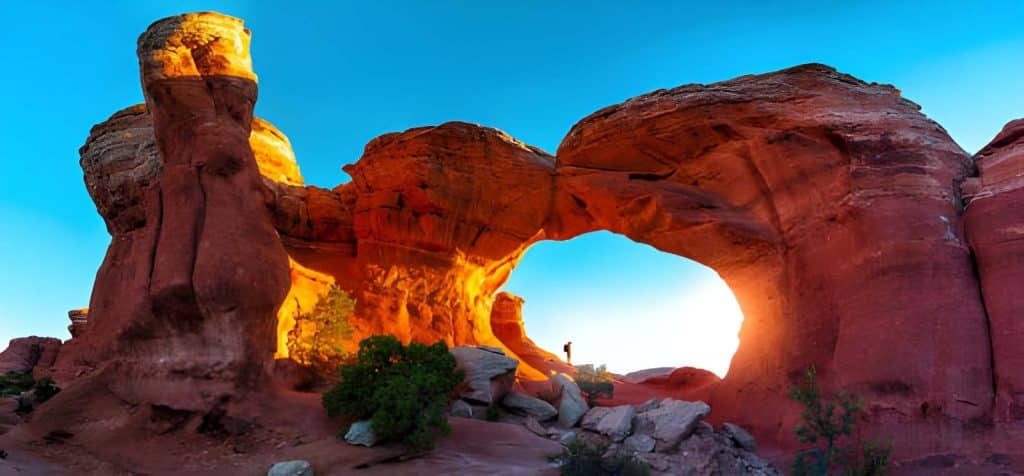
Arches National Park is built for quick stops that feel rewarding right away. Many of the best viewpoints sit a few minutes from parking, which keeps energy steady and avoids long stretches of walking in the heat.
Sand Dune Arch is one of the easiest wins. The approach is short, and the sandy ground gives younger kids room to play instead of feeling like they are on a strict trail.
Balanced Rock adds another simple stop. You park, walk a short paved loop, and get a clear view without climbing or uneven footing.
If your kids want something more active, the Windows area lets them move around rock formations freely. It feels less like a hike and more like exploring, which keeps them engaged longer.
Zion Keeps Logistics Simple
Zion National Park removes one of the biggest pain points for families. You do not drive between stops once you are inside the main canyon, so you avoid parking stress and traffic delays.
The Pa’rus Trail runs along the river and stays flat, which makes it easy for strollers and younger kids. You can walk as far as you want and turn back without committing to a full hike.
The Riverside Walk adds variety without adding difficulty. It leads into a narrow canyon section, and kids can step into shallow water along the way.
Older kids usually enjoy sections of the river more than the trail itself. Letting them move through the water turns the outing into something interactive instead of repetitive.
Yosemite Gives You Strong Views Without Long Hikes
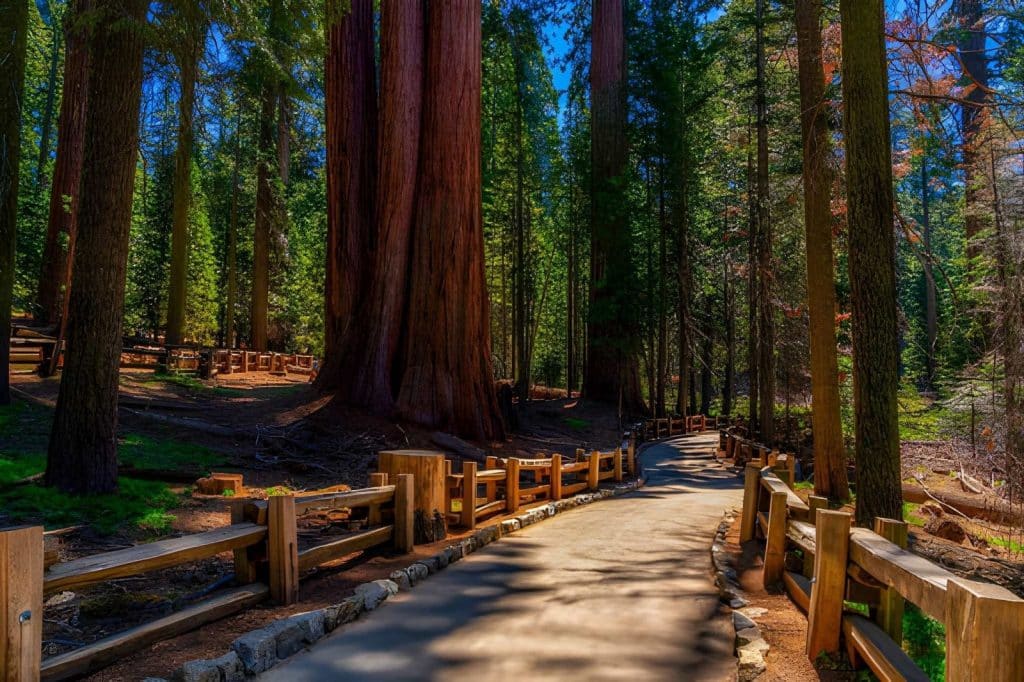
Yosemite National Park can feel large, but most family-friendly areas sit inside Yosemite Valley. That keeps drive times short and lets you visit multiple spots in one day without rushing.
Lower Yosemite Fall is one of the easiest ways to see something impressive quickly. The path is paved, and the loop is short, which works well after a long drive into the park.
Mirror Lake adds a change in pace. In spring, the reflections are clear, and the flat path makes it manageable for most families.
Mariposa Grove offers something completely different. Walking among giant sequoias gives kids a sense of scale that sticks with them long after the trip.
Joshua Tree Turns Stops Into Play Areas
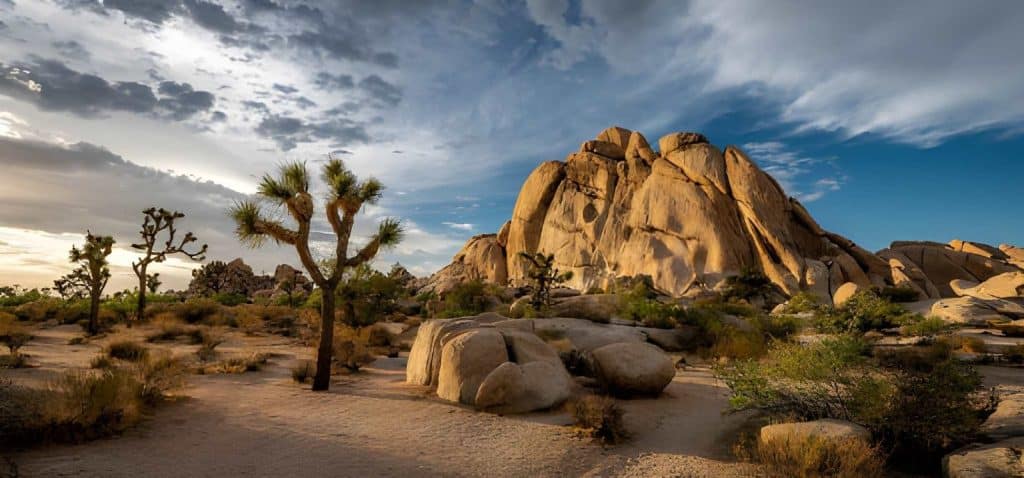
Joshua Tree National Park works best when you stop thinking about trails and start thinking about open space. Many areas allow kids to climb, move, and explore without staying on a fixed path.
Hidden Valley is one of the easiest places to start. The loop is short, but the surrounding rock formations create natural climbing spots that keep kids moving.
Cap Rock is even quicker. You can walk a short distance and let kids explore the rocks without needing a plan.
The desert setting changes how the day feels. Fewer crowds and wide-open views make it easier to move at your own pace.
Bryce Canyon Keeps Kids Interested Without Effort
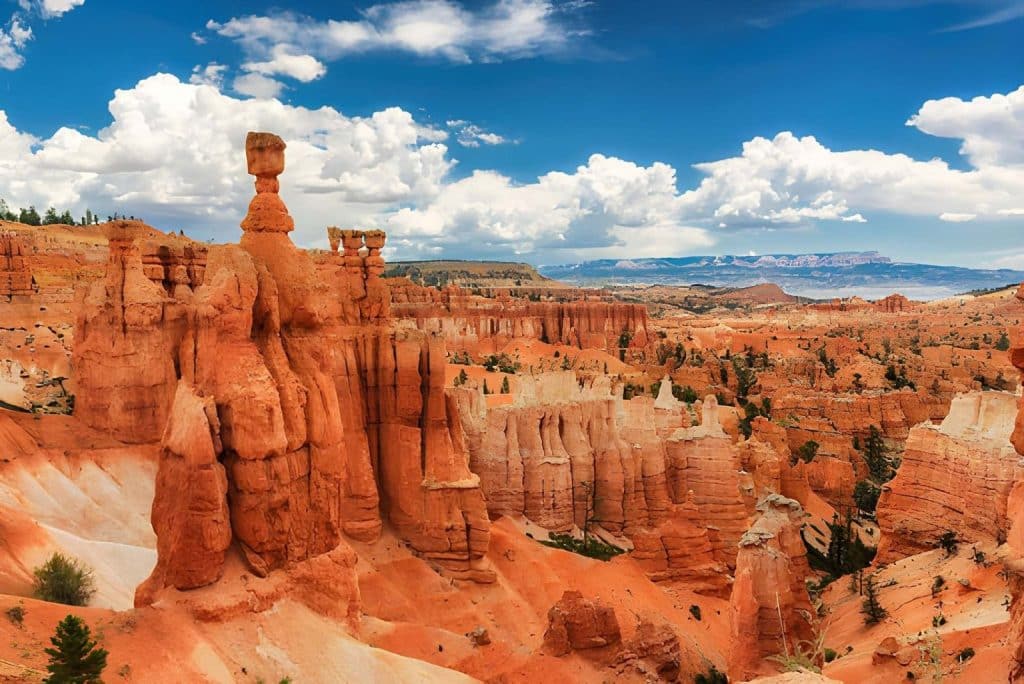
Bryce Canyon National Park stands out because the landscape itself holds attention. The hoodoo formations look unusual enough that kids stay curious without needing much explanation.
The Rim Trail between viewpoints is the easiest way to take it in. It stays mostly flat and gives you constant views, so you do not need to push for a big payoff at the end.
The Queen’s Garden Trail drops into the formations and gives a closer look without turning into a long hike. It adds just enough challenge to keep older kids interested.
Elevation is something to watch here. Taking breaks and drinking water helps avoid fatigue, especially if you arrive from lower elevations.
How to Plan Your Days So Kids Don’t Burn Out
Start early and keep the first activity short. That sets a positive tone and avoids heat, which can turn even simple walks into a struggle.
Build your day around two or three main stops instead of trying to see everything. Leaving room between activities makes the experience feel relaxed instead of rushed.
Keep snacks and water easy to reach. Stopping less often for basic needs keeps momentum going, especially in parks where services are limited.
Where Points and Miles Actually Help on These Trips
Flights into nearby gateway cities like Las Vegas, Salt Lake City, or Los Angeles are usually easier to book with points than smaller regional airports. From there, renting a car gives you access to multiple parks in one trip.
Hotel points work best in towns just outside the parks. Staying nearby reduces drive time and lets you enter early, which makes a noticeable difference during busy seasons.
If you are booking peak travel periods, locking flights and lodging early gives you better availability. Waiting too long often means fewer options and higher redemption costs.
Small Adjustments That Improve the Trip
Arriving before mid-morning helps you avoid parking issues and crowded trails. It also gives you more flexibility if you want to revisit a spot later.
Choosing shorter trails with strong views keeps kids engaged without pushing them too far. It is better to leave them wanting more than to stretch the day until they are done.
Packing layers matters even in warmer months. Temperature swings can catch you off guard, especially in higher elevation parks.
Why These Parks Work Better for Families
Each of these parks offers a mix of easy access, short trails, and open space. You are not forced into long hikes to see something worthwhile, which keeps the experience manageable.
Kids stay interested because they are moving, climbing, or exploring instead of just walking. That difference changes how the entire trip feels.
When the pace works for them, everything else falls into place.
The Best Family Trips Happen When The Plan Matches Their Energy
Family trips work when you build around attention spans, not distance or checklists. When stops are short, views come quickly, and kids have space to move, the entire day feels easier to manage.
If you want to see how experienced travelers plan trips like this without overcomplicating flights or logistics, the Skool community is where those strategies are shared. You can learn how others structure park trips, pick better routes, and use points in a way that actually fits family travel.
When you are ready to plan your trip, use the Smart Search Tool to match your travel plans with the right earning and booking strategy. It helps you quickly find the best options so you can keep costs down while making the trip easier to manage.