
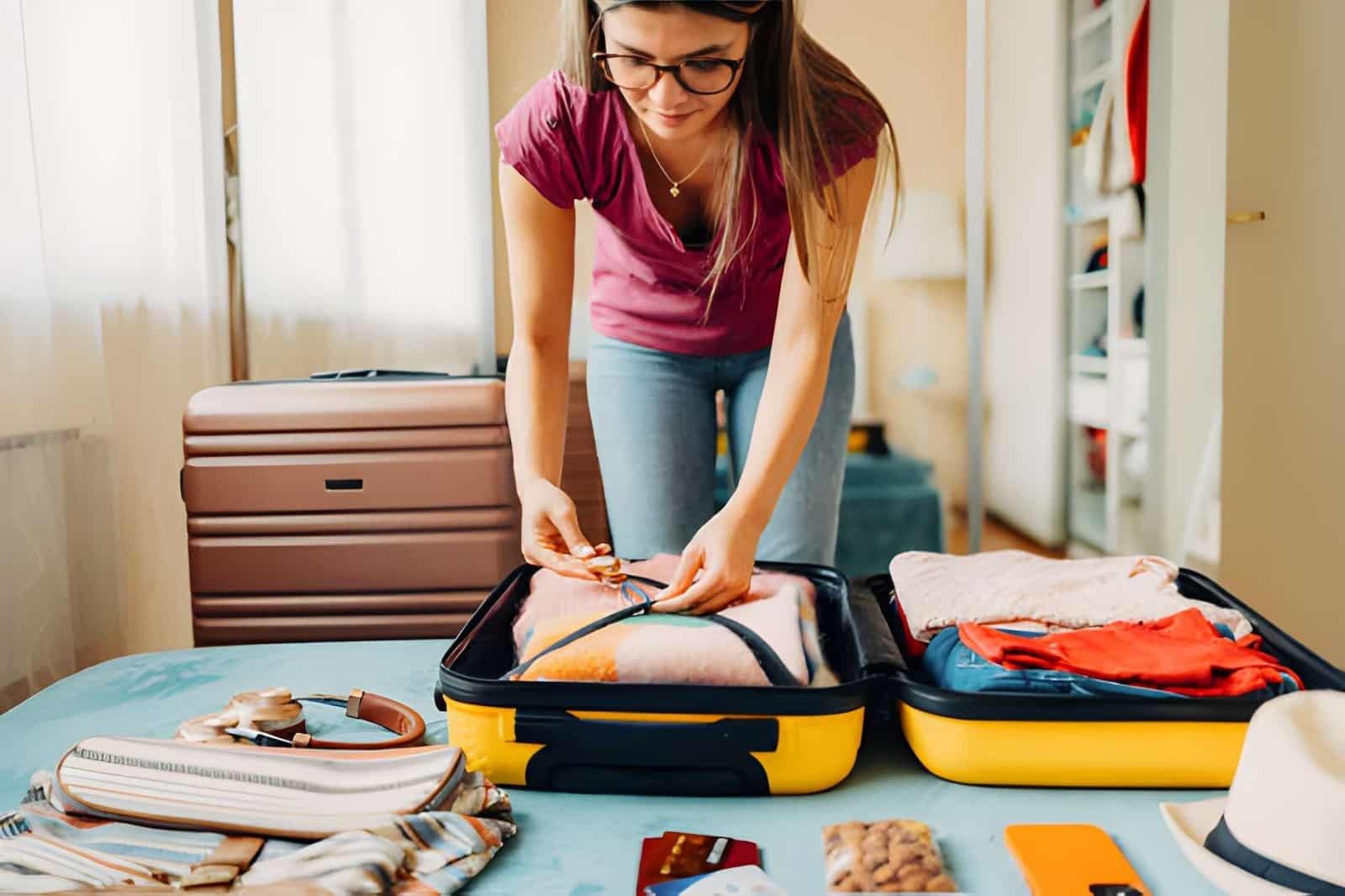
Checked luggage is built for clothes, not valuables. Once your bag disappears behind the belt, you lose control over how it’s handled, where it sits, and who opens it.
Most problems don’t happen often, but when they do, they hit the items people assume are “safe enough” to check. These are the five categories I always keep with me, no matter the trip.
Jewelry Draws Attention Inside Checked Bags
Small valuables are easy to remove and hard to track. Jewelry is one of the first things that goes missing when bags are opened.
Storage matters too. Branded boxes or clear cases signal exactly what’s inside, which makes them an easy target.
Carry jewelry in a compact pouch or a case that looks ordinary. Keep it in your personal item so you always know where it is.
If a piece has sentimental or high financial value, consider leaving it at home. Travel rarely calls for anything you’d struggle to replace.
Electronics Break or Disappear More Than You Think
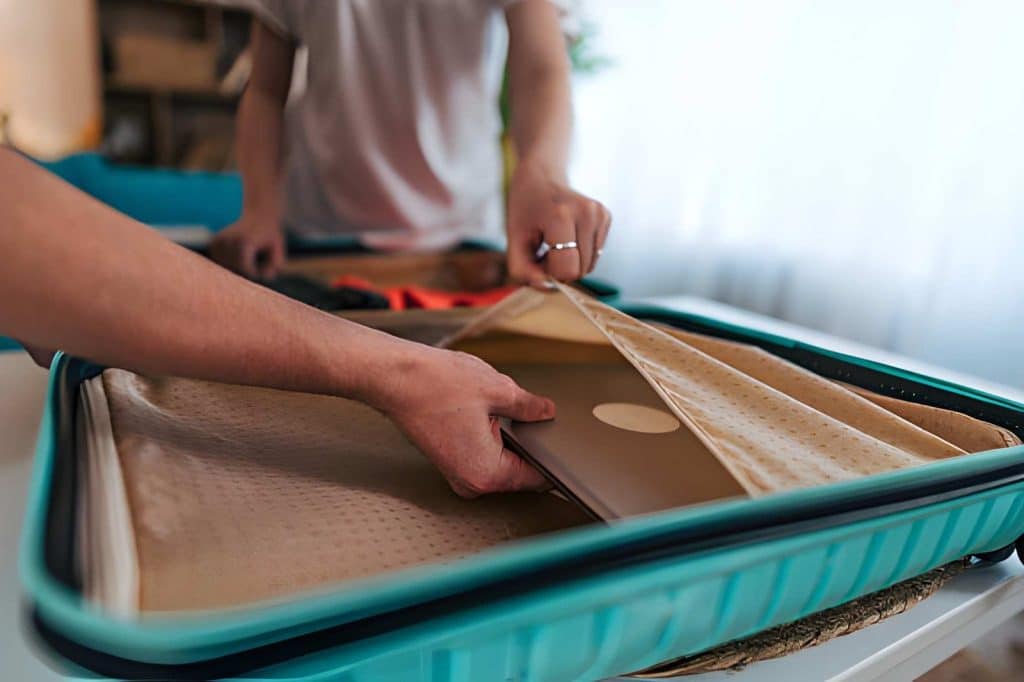
Airline baggage systems aren’t gentle. Bags get stacked, dropped, and shifted quickly, especially on tight connections.
That’s how screens crack, and internal components get damaged without any visible sign on the outside. Theft is another issue on long-haul routes with multiple handling points.
Keep all electronics in your carry-on. Use a bag with padding and separate compartments so items don’t knock into each other during the flight.
A simple habit makes a difference. Before boarding, check that everything valuable is within arm’s reach, not inside your checked bag.
Liquids Leak Under Cabin Pressure
Pressure changes during flights affect sealed containers. Bottles expand slightly, and caps that seemed tight at home can loosen mid-flight.
The result is familiar. Open your suitcase and find shampoo, lotion, or sunscreen spread across your clothes.
Use smaller refillable bottles with secure lids. Place them in a sealed pouch to contain any leaks.
Another practical move is buying larger items at your destination. It reduces weight and avoids the mess entirely.
Hair Tools Can Fail With The Wrong Voltage
Many styling tools are built for one voltage system. Plugging them into a different system, even with an adapter, can damage them instantly.
This happens often in Europe and parts of Asia, where the voltage differs from what many travelers use at home.
Pack only dual-voltage tools if you need them. These are designed to switch safely between systems.
You can also rely on hotel-provided equipment for short trips. It’s one less item to carry and one less risk to manage.
The Wrong Shoes Cost You Entire Days
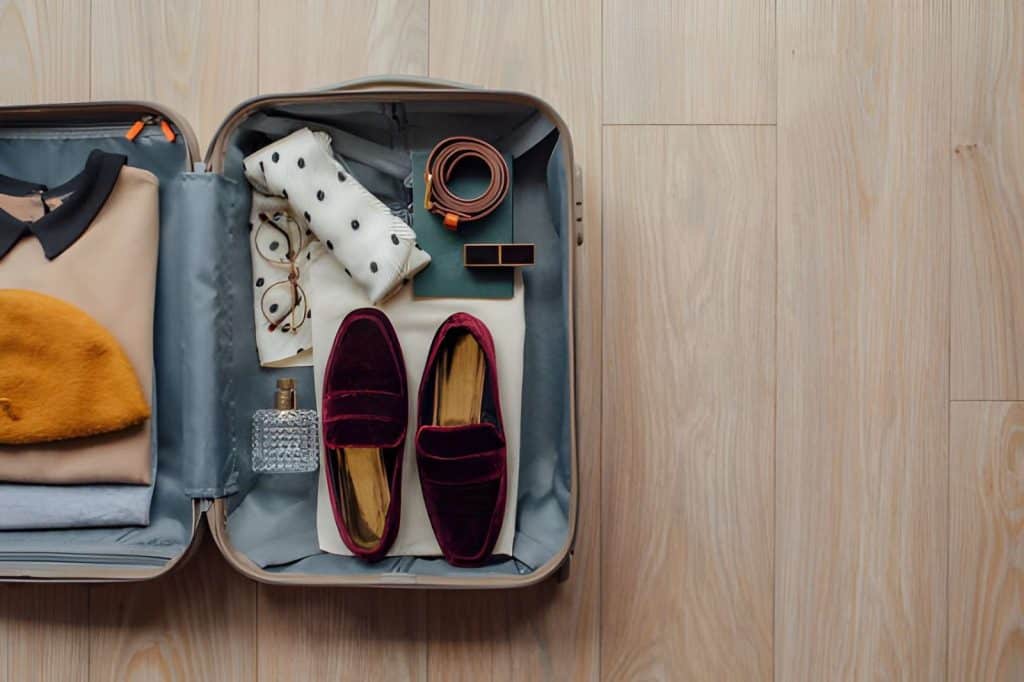
Footwear affects everything from how far you walk to how long you stay out.
Shoes that look fine at home can fail quickly on uneven streets, long distances, and full days on your feet. Blisters and soreness build fast, especially when you’re moving constantly.
Bring shoes you’ve already tested on long walks. One reliable pair for daytime and one versatile option for evenings is usually enough.
Skip anything you’re unsure about. Travel isn’t the place to break in new shoes.
What Stays In Your Carry-on Instead
Your carry-on should hold anything that would disrupt your trip if delayed or lost.
That includes:
- Electronics and chargers
- Travel documents and identification
- Medications and daily essentials
- Jewelry or small valuables
- One change of clothes
This setup gives you flexibility if your checked bag arrives late.
Why This Matters on Longer Trips
The longer the journey, the more chances that something goes wrong. Connections increase handling, and delays become harder to recover from.
If your checked bag misses a connection on an international route, you could be without it for a day or more. That’s manageable if your essentials are with you.
Packing with this in mind keeps your trip moving, even when logistics don’t go as planned.
Protect Your Trip By Packing What Actually Matters
Checked luggage is for replaceable items. Your carry-on is for continuity. The difference between a small inconvenience and a trip disruption usually comes down to what you kept within reach.
Inside the community, we break down practical carry-on systems, airport flow strategies, and the small habits that prevent expensive travel mistakes.
If you want a travel Card setup that includes baggage protection, trip delay coverage, and airport perks that reduce risk when plans shift, compare options using the smart card match tool and align your benefits with how you actually travel.
Control what you can carry. The rest becomes easier to handle.