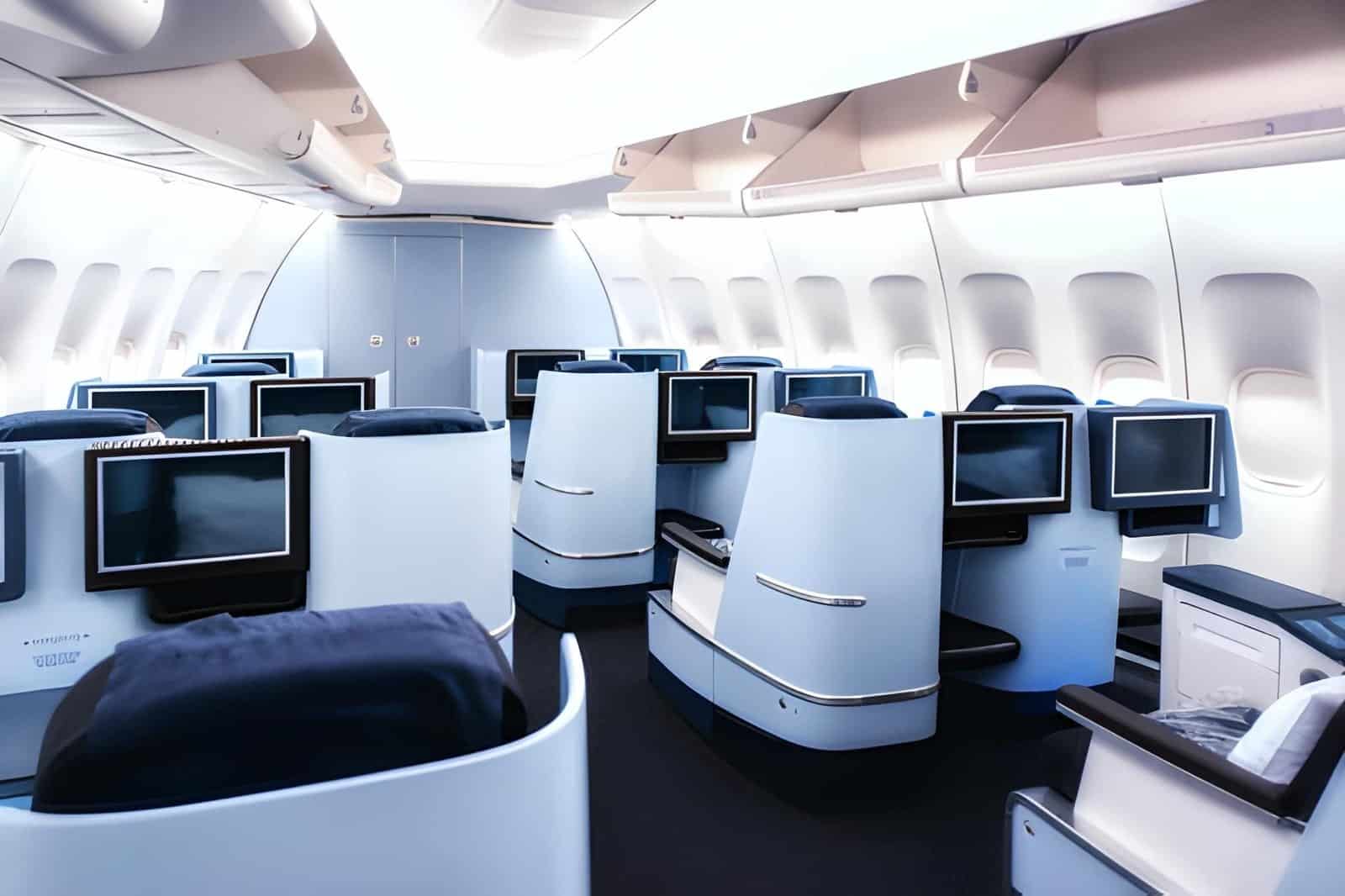
Sit in enough premium cabins and one thing becomes obvious. The label on your ticket tells you less than the actual seat, service, and route you’re flying.
A short domestic “first class” seat can feel basic, while a long-haul business class suite can feel like a private room. The difference only becomes clear when you know what to look for.
Why the Cabin Names Don’t Tell the Full Story
Airlines use “first class” and “business class” differently depending on the region and route.
On US domestic flights, the front cabin is usually called first class, even though it’s a wider recliner seat with no bed. Take that same plane across a short international route, and the exact seat may be sold as business class.
On long-haul international flights, the structure changes. If an airline offers both cabins, first class sits above business class and is treated as a separate tier.
This is the version most people are thinking about when they hear first class. It’s not just a better seat. It’s a different level of service entirely.
How the Airport Experience Sets the Tone
The gap often starts before boarding.
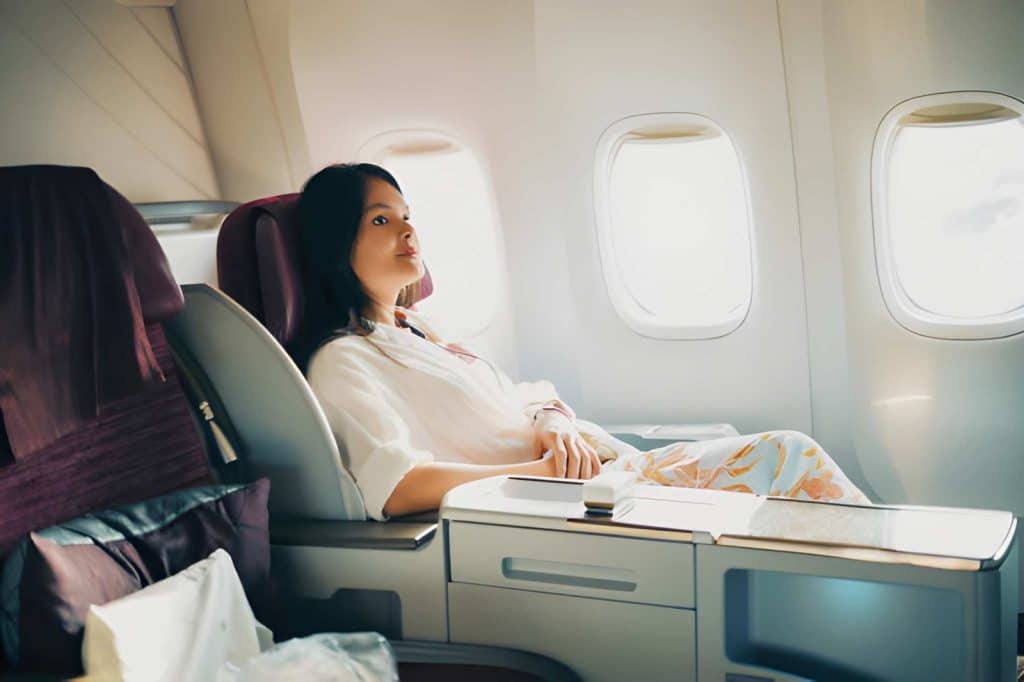
Business class usually gives you priority check-in, shorter security lines, and access to a lounge. These lounges can be comfortable, with food, drinks, and space to sit before your flight.
First class can feel more private. Some airlines offer separate check-in areas, escort services through the airport, and dining that feels closer to a restaurant than a buffet.
In a few cases, you’re taken directly to the aircraft by car instead of walking through the terminal. That kind of handling changes the pace of the trip right away.
Why Space Is the Most Noticeable Upgrade
Space is where the difference becomes obvious once you’re on board.
Business class today often includes lie-flat seats with direct aisle access. That alone makes long flights far more comfortable than economy.
First class builds on that by increasing both width and privacy. Seats turn into wider beds, storage space expands, and you’re often separated from other passengers more clearly.
Some cabins include fully enclosed suites with doors. Once you close that door, the experience shifts from shared space to something closer to a private area.
How Service Changes From Structured to Flexible
Service in business class is designed to handle larger numbers of passengers.
Meals are served in waves, and timing is coordinated so everyone is taken care of efficiently. You can still request items, but there’s a rhythm the crew follows.
In first class, that structure relaxes. Fewer passengers mean the crew can adapt to your pace.
You can eat when you want, adjust the order of courses, or request something outside the standard flow without disrupting anything. It feels less like a scheduled service and more like something tailored to you.
Why Food and Drinks Feel Like a Bigger Step Up
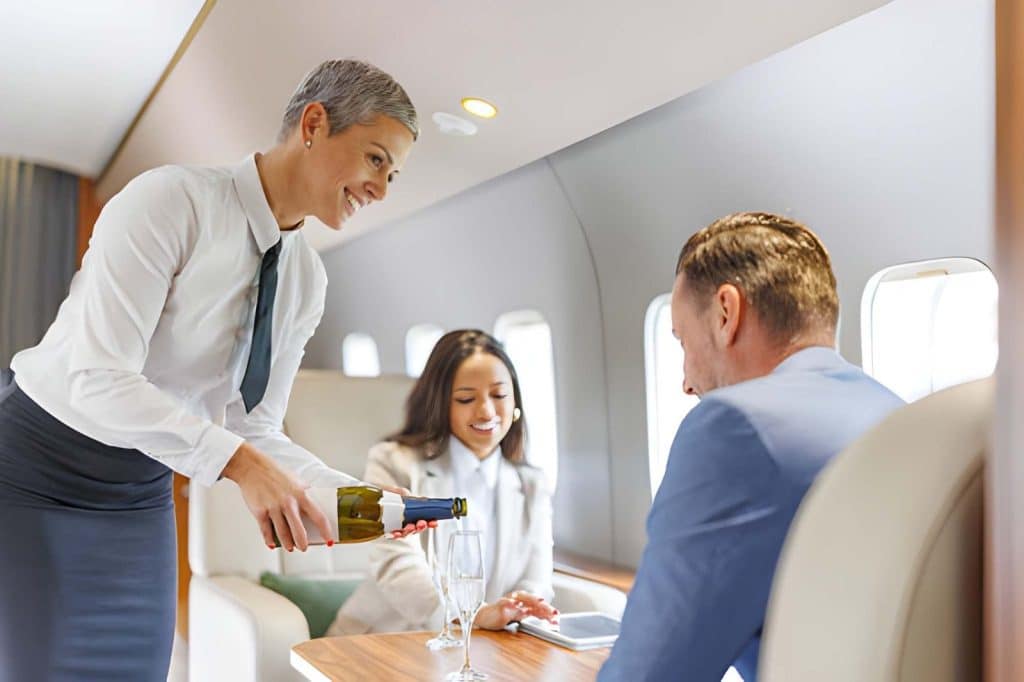
Business class food has improved a lot over the years. On many airlines, you’ll get multiple courses and a solid level of quality.
First class moves closer to a dining experience. Meals are often plated individually, with more options and flexibility in how they’re served.
You’ll also notice differences in ingredients. Items like caviar, higher-end meats, and premium drinks show up more often.
Even if you’re not focused on luxury, the pacing and presentation make the meal feel less rushed and more intentional.
What Amenities Actually Change the Flight
Amenities aren’t just extras. They affect how well you rest and how comfortable the flight feels.
Business class usually includes bedding, headphones, and a standard amenity kit. That’s enough for most people to sleep on long flights.
First class improves the details. Bedding is thicker, sleepwear is often provided, and kits include higher-quality items.
Some aircraft go further with features like onboard showers or lounge areas. These aren’t necessary, but they change how you spend time during the flight
Why the Route Matters More Than the Cabin Name
A five-hour flight and a fifteen-hour flight don’t feel the same, even in the same cabin.
On shorter routes, the difference between business and first class can be smaller. You may not use the bed, and service is compressed due to time.
On longer flights, the gap becomes clearer. Space, service, and comfort have more time to matter, and that’s where first class stands out.
This is why the same cabin can feel very different depending on how long you’re onboard.
How to Decide Which One Is Worth It
Think about what you actually use during a flight.
If your priority is a flat bed, decent food, and privacy, business class already covers that on most international routes.
If you care about space, flexibility, and a more personalized experience, first class becomes more noticeable, especially on longer flights.
The key is to look beyond the label. Check the seat, the aircraft, and the route. That tells you far more than the name printed on the ticket.
Choose The Cabin That Matches The Flight
The name on the ticket matters less than the seat, aircraft, and route you’re actually flying. Once you understand that, you stop chasing labels and start targeting real value.
Inside the community, we break down which premium cabins are truly worth it, how to read seat maps correctly, and when business class delivers nearly the same experience as first for far fewer points or dollars.
If you want a travel Card setup that earns flexible rewards for premium cabin redemptions and helps you access these seats strategically, compare options using the smart card match tool and align your earning strategy with the routes you actually fly.
Cabin names are marketing. Seat design and route length decide the real experience.