Airplanes are noisy. Engines hum, carts rattle, chimes ring. Most of what you hear on board is routine.
Occasionally, though, a phrase cuts through that doesn’t sound like service chatter. It sounds deliberate. Short. Unusual.
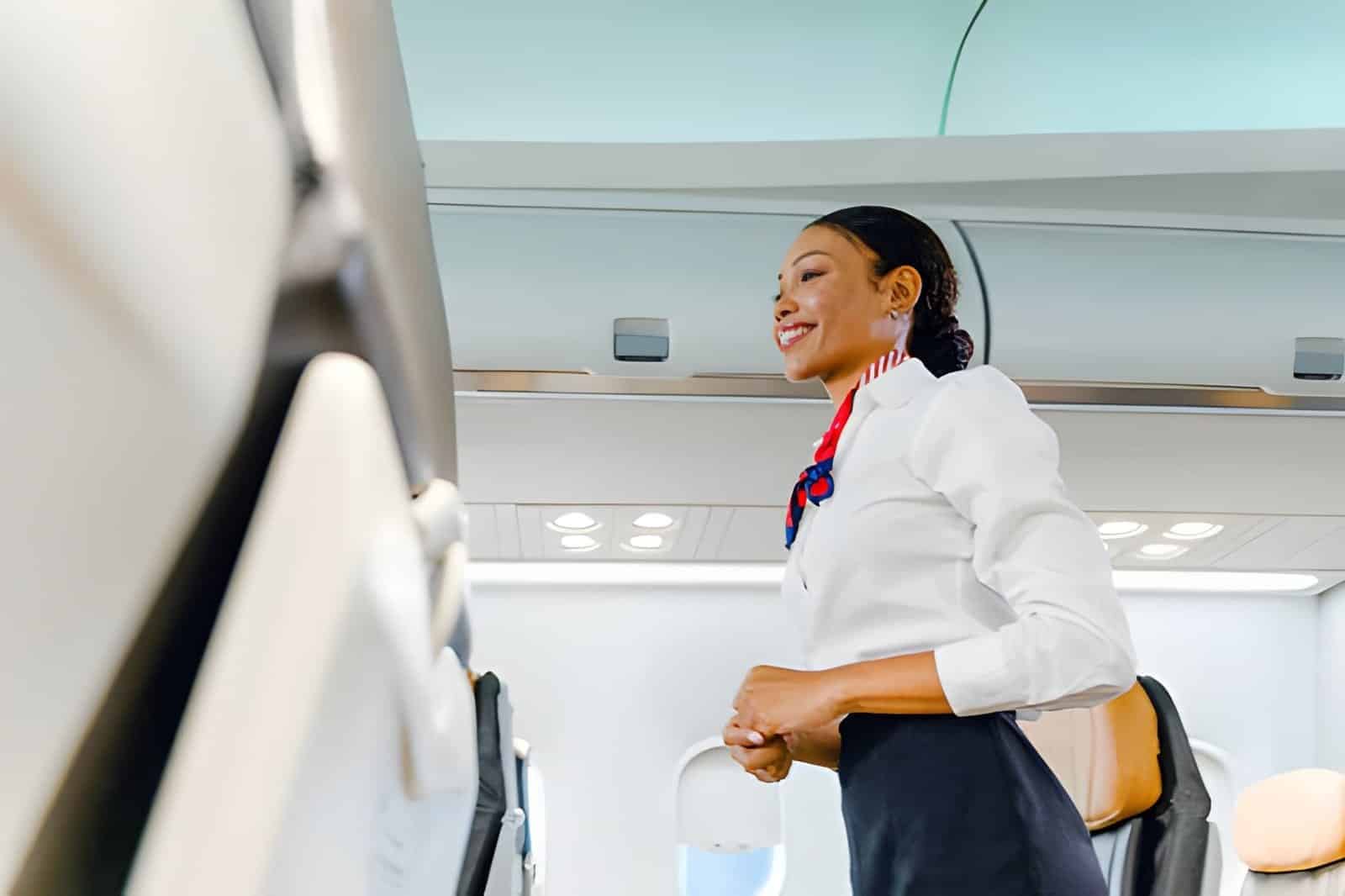
Crew members sometimes use coded language to coordinate serious situations without alarming the cabin. The details vary by airline, but a few phrases pop up often enough that frequent flyers should recognize them.
Here’s what they can mean and how to interpret them calmly.
Code 300 Or Angel
On some carriers, “Code 300” or “Angel” signals a severe medical emergency. In certain contexts, it can refer to a passenger who is unresponsive or has died during the flight.
There is no global standard requiring these exact words. Airlines design their own internal systems. One company’s Code 300 may not exist on another.
The purpose is operational efficiency. Announcing over the main speaker that someone has passed away would create confusion, aisle congestion, and emotional reactions. Quiet shorthand allows flight attendants to reposition, retrieve medical equipment, and coordinate with the cockpit.
If you hear something like this, the takeaway is simple. Stay seated and clear the aisle. The crew needs space, not curiosity.
Code Yellow And Other Medical Signals
Some airlines use “Code Yellow” to flag a minor medical issue. That might mean a fainting passenger, someone feeling dizzy, or a manageable condition that requires assistance but not diversion.
Medical events are common in commercial aviation. Cabin crew receive recurring training in CPR, defibrillator use, and first aid. Most incidents are stabilized quickly.
You may never hear the code directly. Often, it travels through the interphone system between crew members. What you will notice is purposeful movement, a first aid kit in hand, and possibly a request over the speaker asking if a medical professional is on board.
That request is routine. It does not automatically mean the situation is dire.
Pan Pan Is For The Cockpit
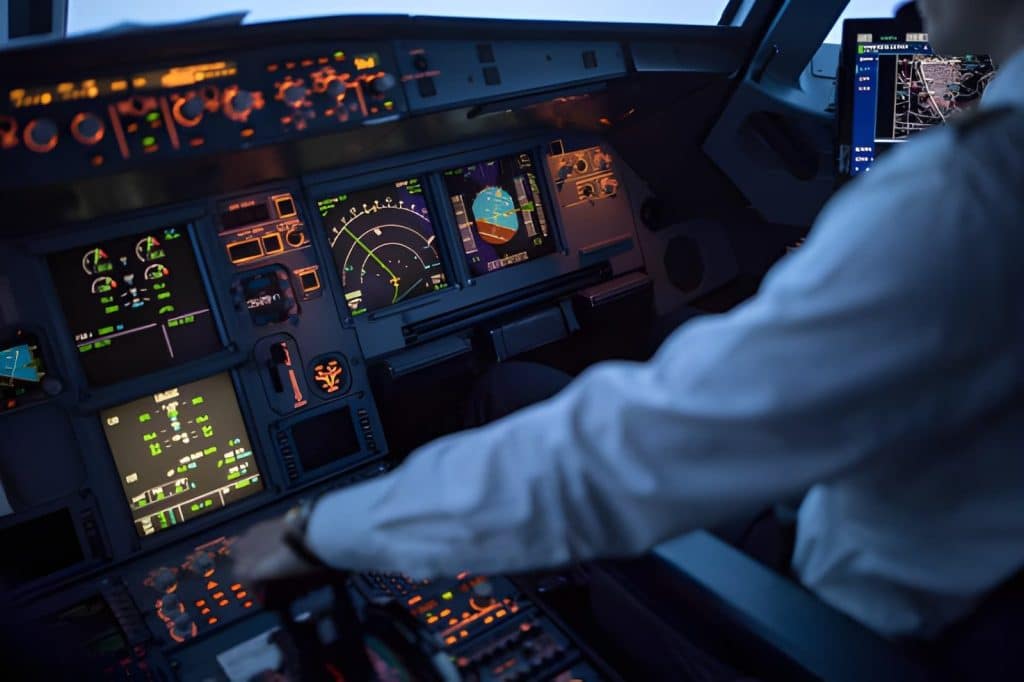
“Pan Pan” is not a cabin phrase. It is an internationally recognized urgency call used between pilots and air traffic control.
It signals a serious issue that is not immediately life-threatening. Think mechanical irregularities, onboard medical problems requiring expedited landing, or system faults that demand priority handling.
Passengers rarely hear this call unless monitoring air traffic frequencies. What you might notice instead is a concise announcement from the captain explaining a change of route, altitude, or destination.
Pan Pan means urgency. It does not mean disaster.
Chimes Tell A Story Too
Words are only part of cockpit communication.
Standard chimes mark predictable phases of flight. One chime might signal the cabin crew after takeoff. Another indicates descent through 10,000 feet.
Multiple rapid chimes in unusual sequences can indicate an urgent situation. Some airlines also use specific knock patterns on the cockpit door to signal the pilots discreetly.
These systems reduce reliance on public announcements. They allow coordination without broadcasting sensitive details.
When something requires attention, listen to the rhythm of the cabin. Crew movement often tells you more than any phrase.
Why Codes Aren’t Universal
Air traffic control phraseology is standardized worldwide. Cabin codes are not.
Security procedures, medical protocols, and emergency coordination methods are often internal and intentionally varied. That reduces predictability and misuse.
If you hear a phrase on one airline and then fly another carrier, do not assume it carries the same meaning. Even experienced pilots and flight attendants switching airlines undergo new training to learn company-specific terminology.
The absence of standardization is by design.
How Crew Manage Information On Board
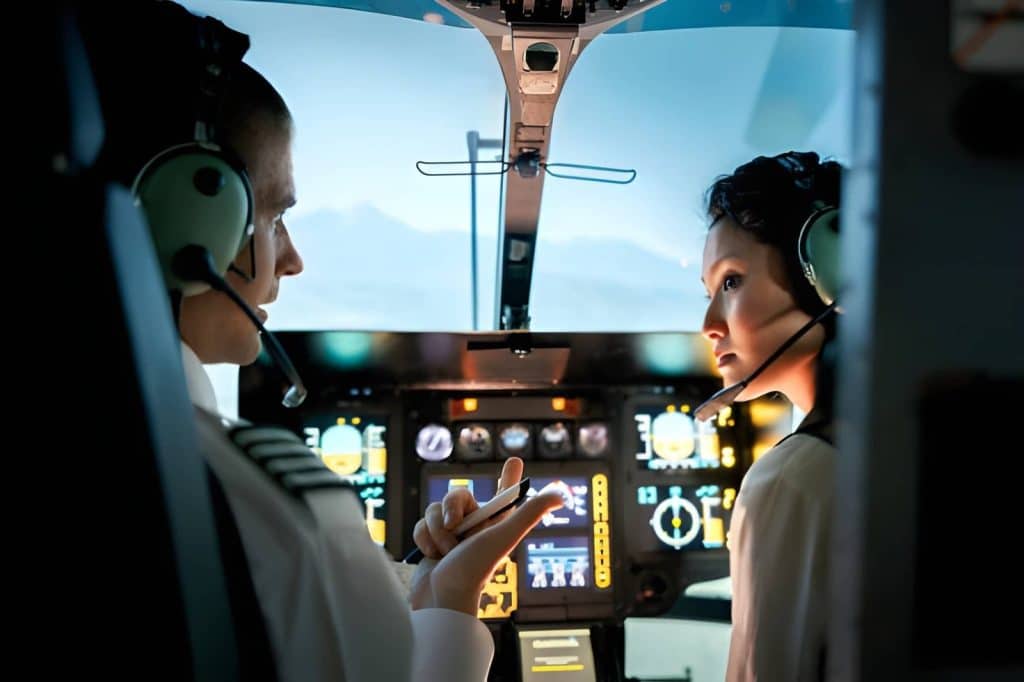
Pilots are direct when passengers need actionable information. If a diversion is required, they will say so. If turbulence is expected, you will hear about it.
Coded language is used for coordination, not concealment.
Clear, calm cabins reduce secondary risks. If people rush aisles or crowd around a medical situation, the crew loses control of space and time. That complicates everything from CPR to landing preparation. Discretion supports order. Order supports safety.
What You Should Do If You Hear One
If you catch an unfamiliar phrase or notice unusual chimes, the best response is restraint.
Remain seated unless instructed otherwise. Keep the aisle clear. Avoid recording or speculating loudly. If a medical professional is requested and you are qualified, identify yourself to the nearest crew member.
Otherwise, your role is simple. Stay calm and follow instructions.
The Practical Perspective
After decades of flying, one pattern stands out. Most coded phrases correspond to situations handled smoothly behind the scenes.
Flights divert. Passengers faint. Systems glitch. The crew responded. Coded language helps them do that efficiently. It isn’t a theater. It’s a workflow.
Listen with awareness, not anxiety. The professionals on board are trained for far more scenarios than most travelers imagine.
Stay Calm And Stay Strategic
Cabin codes exist so crews can work efficiently without creating unnecessary panic. The same mindset applies to how you plan trips. Preparation reduces stress long before anything unusual happens.
Inside the community, we focus on practical travel systems that keep you calm when plans shift, flights change, or unexpected situations arise.
If you want a travel Card setup that includes trip delay coverage, interruption protection, and flexible rewards when itineraries move, compare options using the smart card match tool and align your earning strategy with how you actually travel.
Awareness keeps you steady in the cabin. Strategy keeps you steady on the ground.