

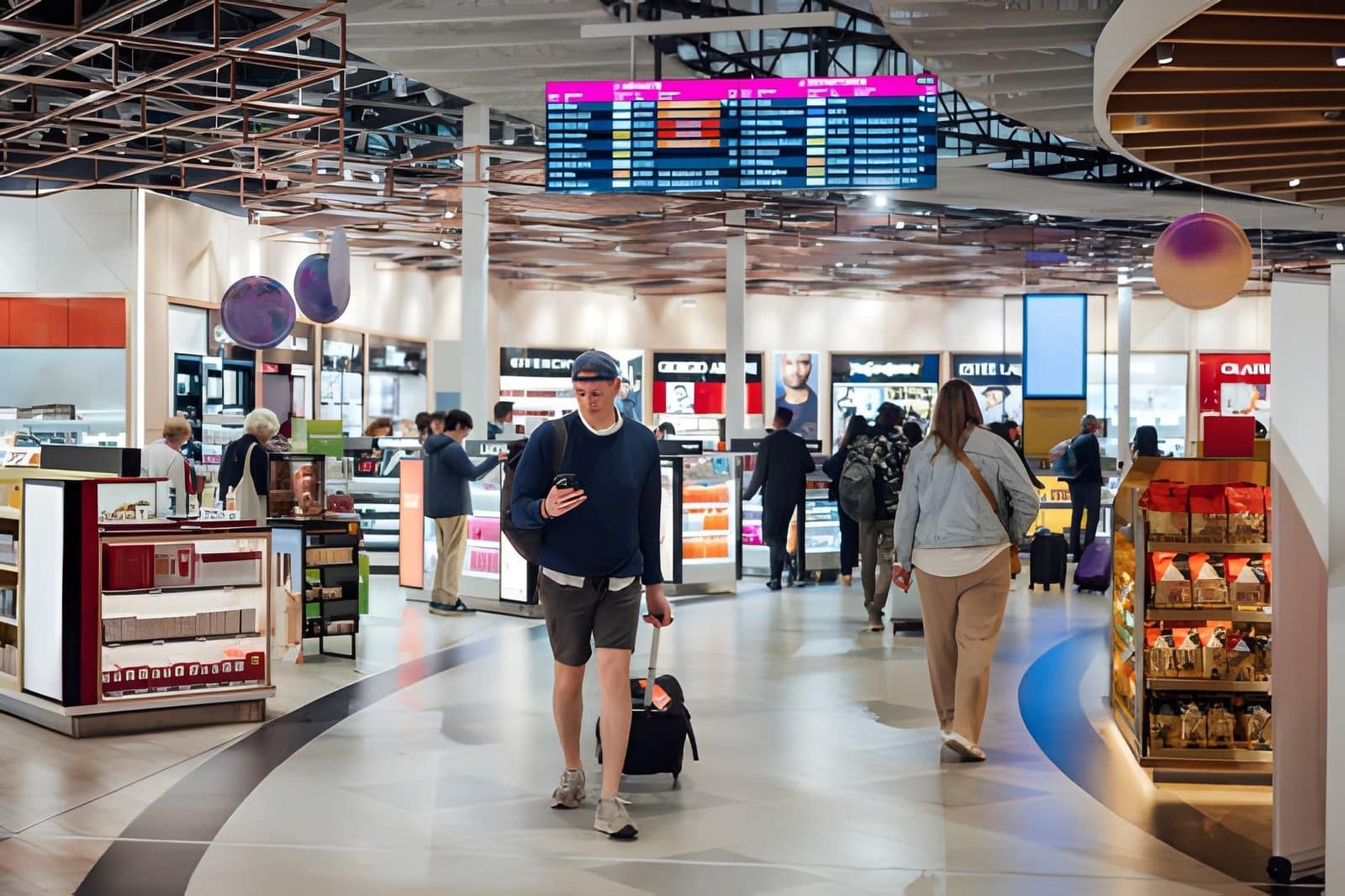
Airports are built for urgency. You’re early for boarding, slightly hungry, phone at 12 percent, and suddenly that $9 bottle of water or $25 neck pillow feels justified.
After decades of flying for assignments, family trips, and mileage runs, we’ve learned something simple. The most expensive airport purchases are almost always avoidable. A small amount of preparation at home protects your wallet and your patience.
Here are eight airport spending traps we consistently see, and what works better.
The Water You Didn’t Need to Buy
Paying premium prices for bottled water is one of the easiest airport mistakes to fix.
Bring a refillable bottle through security empty, then fill it near your gate. Most major airports now have filtered refill stations near restrooms. Even when they don’t, water fountains still exist.
Choose a bottle that collapses or weighs very little. It should fit easily into a backpack side pocket and not become a burden once you’re on board.
Hydration is important. Paying airport markups for it isn’t.
The Neck Pillow Panic Purchase
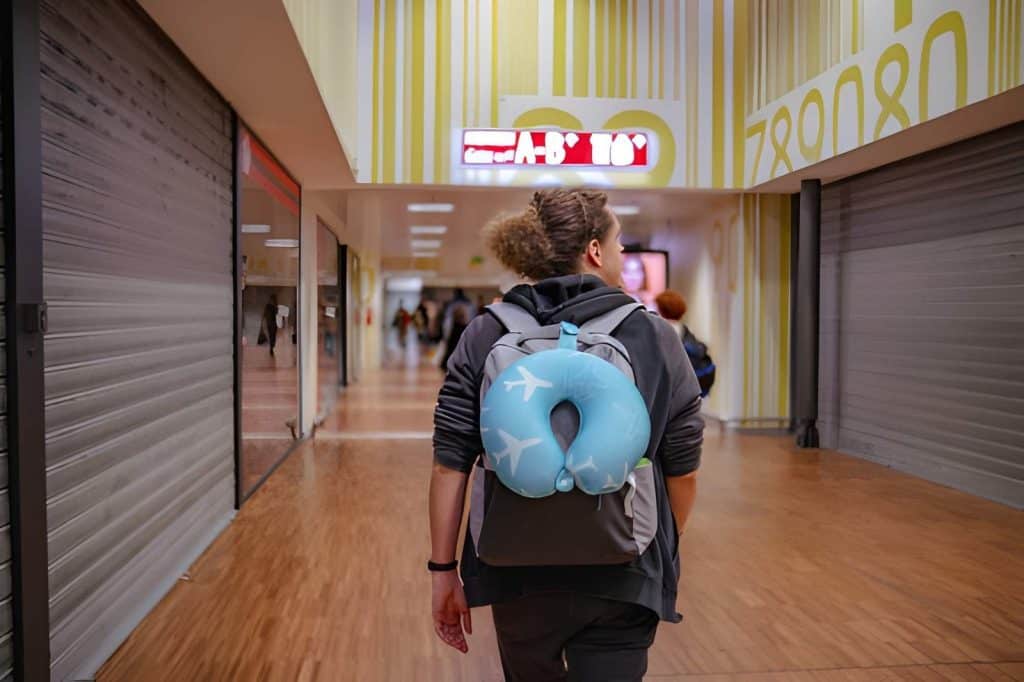
Neck pillows displayed near departure gates are positioned there for a reason. Travelers get tired, boarding is delayed, and suddenly comfort feels urgent.
If you sleep upright often, pack a pillow you’ve already tested at home. A compressible memory foam pillow with a small carry pouch works well. Inflatable options are lighter but require a few breaths to set up.
The key is familiarity. Buying one at the airport means choosing from limited options at inflated prices. Comfort should be deliberate, not impulsive.
The $20 Snack That Could Have Been $4
Airport food pricing rarely reflects quality.
You might spend the cost of a full meal on a small packaged snack and a drink. And on some flights, especially with basic fares, food isn’t guaranteed.
Pack something substantial before you leave home. A sandwich wrapped properly, nuts, fruit, cheese, or a protein bar can bridge delays and long boarding waits. A lightweight insulated pouch keeps food fresh without adding bulk.
You’ll eat better and spend less.
The Emergency Charging Cable
Forgetting a charging cable feels minor until you’re stuck at 5 percent battery before boarding.
Airport electronics shops know this. Basic charging cables and adapters are sold at steep markups because travelers feel they have no choice.
Create a small tech pouch that stays in your travel bag permanently. Include one extra charging cable, a compact wall plug, and a small power bank. Organize them so you’re not untangling cords at security.
Redundancy costs a few dollars at home. It costs much more at the gate.
The Temporary Luggage Tag
Arriving at the check-in counter without a luggage tag leads to awkward improvisation.
Airlines provide paper tags, but they tear easily and expose your personal information. Airport gift shops sell decorative tags at inflated prices because they know some travelers forgot.
Attach durable luggage tags to your bags long before your trip. Use ones with covered address windows for privacy. Keep them on year-round so you’re never scrambling.
Prepared luggage looks different from improvised luggage.
The Single-Dose Medicine Markup
Needing pain relief, allergy tablets, or motion sickness medicine mid-trip is common.
Buying a tiny packet at the airport can cost more than an entire bottle at a pharmacy. It’s a small expense, but repeated over time, it adds up.
Carry a compact pill organizer with the basics you use regularly. Add adhesive bandages and blister treatment strips. These weigh almost nothing and prevent minor discomfort from becoming an expensive inconvenience.
Travel amplifies small problems. Preparation keeps them small.
The Impulse Hand Sanitizer
Hand sanitizer is useful while traveling, especially on long airport days. Buying it in the terminal usually means paying more for a generic product in a rush.
Keep a travel-size sanitizer in your personal bag. Choose one that seals well and doesn’t leak. If you prefer a specific texture or scent, pack that version instead of settling for whatever is available near the checkout counter.
Comfort items are better chosen calmly at home.
The Last-Minute Kid Distraction

Traveling with children increases pressure. A delayed flight plus boredom can quickly lead to expensive airport purchases.
Bring lightweight entertainment in advance. Activity books, small puzzle pads, coloring kits, or downloaded shows on a tablet all work well. Rotate items so something feels new halfway through the journey.
Snacks paired with activities stretch attention spans longer than you’d expect. Planning here protects both your wallet and your sanity.
Airports will always tempt you with convenience. Some purchases are worth it, especially if they improve your experience meaningfully. Most, however, are reactions to poor preparation.
A refillable bottle, organized cables, labeled luggage, simple snacks, and a small health kit eliminate the most common spending traps. That leaves your budget for what actually enhances the trip, a great meal, a memorable experience, or an upgrade you genuinely value.
The airport is a transition space. Treat it like one. Save your splurges for where they count.
Spend Intentionally, Travel Smarter
Airports are designed to separate you from your money in small, emotional moments. Preparation removes those moments. The same logic applies to flights, hotels, and how you earn rewards in the first place.
Inside the community, we focus on practical travel systems that reduce waste, improve flexibility, and help you spend where it actually matters.
If you want a travel Card setup that builds flexible points for real upgrades instead of impulse purchases, compare options using the smart card match tool and align your strategy with how you travel. Preparation protects your wallet. Strategy multiplies it.

