
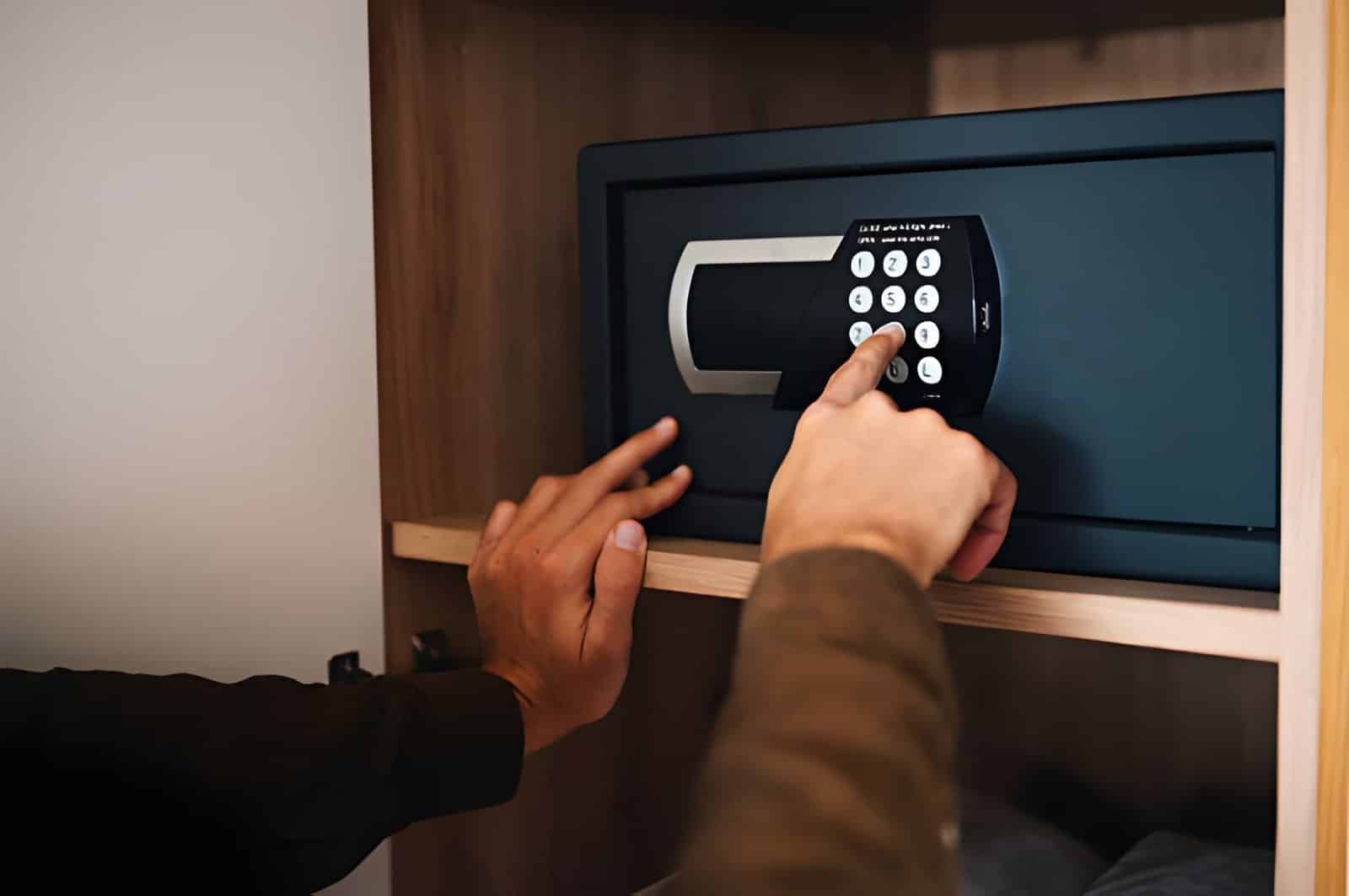
You close the hotel room door, drop your bag on the bed, and instinctively reach for the “safe” spots. Bathroom drawer. Zippered suitcase pocket. Maybe inside a toiletry bag under your moisturizer.
That instinct is exactly what makes those spots risky.
If you travel with jewelry, watches, cash, or important documents, the biggest mistake isn’t bringing them. It’s hiding them where everyone else does.
Why Hotel Layouts Work Against You
Most hotel rooms follow a familiar blueprint. Bed on one wall. Nightstands on either side. A desk. A bathroom with shallow drawers. A closet with a shelf and a luggage rack.
For you, that layout feels convenient. For someone looking to steal, it feels efficient.
Experienced thieves don’t rummage randomly. They move through rooms in a sequence built on probability. They know guests tend to choose places that are close, quick, and out of immediate sight. Out of view does not equal out of reach.
The First Places They Check
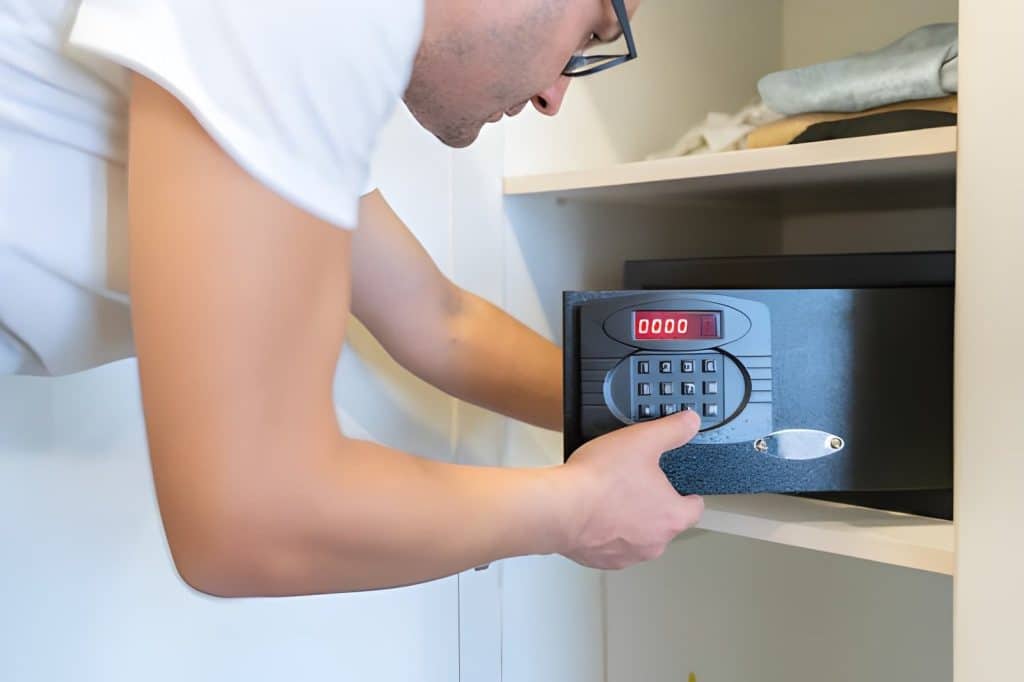
Some hiding spots feel clever until you realize how common they are.
- Bathroom drawers and bedside tables sit at the top of the list. These are standard across nearly every property category, from budget chains to five-star resorts. A thief can slide open each drawer in seconds.
- Zippered compartments inside suitcases offer no meaningful barrier. Luggage is an obvious target because travelers often assume that closing a zipper creates security.
- Front pockets of backpacks fall into the same category. They are easy to access and require minimal effort to inspect.
- Toiletry bags are another frequent choice. Guests assume that mixing valuables with personal items like razors and shampoo makes them less visible. In practice, those bags are among the first things searched because so many people use them as makeshift safes.
- Jewelry cases left on dressers are even more direct. Anything that looks designed to hold something expensive signals value immediately. Predictability is the problem.
Why Speed Drives Everything
Hotel room theft usually happens quickly. The longer someone remains inside, the higher the risk of being interrupted.
That means thieves focus on high-yield locations. They check the spots most guests rely on. They are not methodically emptying every folded shirt.
If your valuables sit in a common hiding place, they are vulnerable within the first minute. Security, in this context, is about forcing extra time and effort.
Smarter Ways to Store Your Items
If you want to reduce risk, think in terms of friction. Add steps. Break patterns.
Use ordinary containers that blend into everyday clutter. An opaque pill box or a plain vitamin bottle does not advertise value. It looks boring. Boring is good.
Separate items into different areas. If you brought a watch, a ring, and extra cash, do not keep them together. Even if one location is discovered, the rest remain elsewhere.
Look for less obvious internal pockets in clothing organizers or packing cubes. Tucking an item inside folded garments in a concealed compartment adds layers that slow down a quick search.
Consider a compact travel lockbox with a steel cable that anchors to a fixed object. It will not defeat determined criminals with tools and time, but it significantly increases effort during a brief intrusion. Each step adds resistance.
The Hotel Safe Question
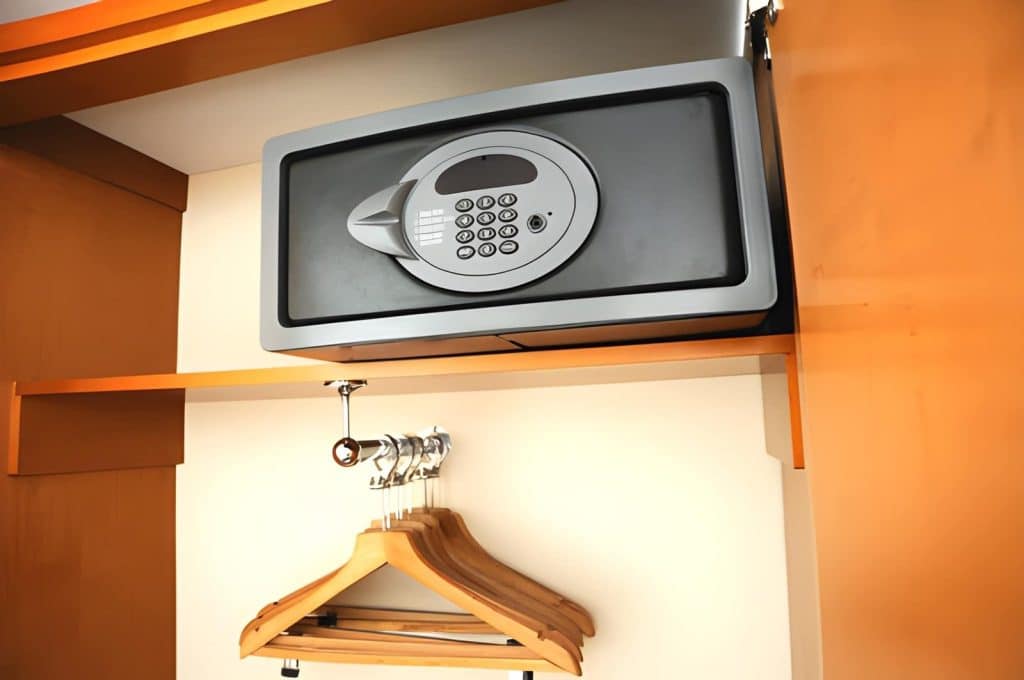
Many rooms include in-room safes, and they are often better than leaving valuables in a drawer. That said, they are not flawless.
Safes can sometimes be accessed by hotel staff with master override codes. They also tend to be installed in predictable places, such as closets or cabinets.
If you use one, avoid leaving all your valuables inside. Combine the safe with distribution. Keep some items secured and others stored discreetly elsewhere. Layered protection beats a single solution.
Bring Less, Worry Less
One of the most practical strategies is simple restraint.
Travelers often pack extra jewelry “just in case” and end up wearing the same few pieces the entire trip. Every additional item increases exposure.
Before you leave home, ask yourself which pieces you will actually wear. Leave sentimental or irreplaceable items behind if they are not essential.
Reducing volume lowers stress.
Sometimes It’s Safer to Keep It With You
Daytime sightseeing is when many room thefts occur. Unoccupied rooms are easier targets.
If you feel comfortable wearing your jewelry while out, keeping it on you may be safer than leaving it unattended. When it stays with you, you control it.
Of course, adjust based on destination and context. Avoid flashing valuables in crowded areas. Balance discretion with comfort.
The point is to avoid assuming that the hotel room is automatically the safest place.
Think Like Someone Who Knows the Pattern
Security improves when you stop thinking like a guest and start thinking like someone scanning for opportunity.
If you were entering a room with limited time, where would you look first? Almost certainly the same places everyone else uses.
Break that pattern. Avoid the obvious. Distribute your valuables. Use plain containers. Add friction.
A few deliberate decisions can mean the difference between a smooth trip and a stressful call to your insurance company.
Protect Your Valuables And Your Travel Strategy
Hotel room security works the same way as airport security and in-flight systems. The safest approach is layered preparation, not assumptions.
Inside the community, we focus on practical travel habits that reduce risk and improve control, from smarter booking decisions to small protective steps that prevent bigger problems.
If you want stronger travel protections and benefits that match how you actually move, compare options using the smart card match tool and align your travel Card setup with your real-world patterns.
Travel feels smoother when you plan for what others overlook.