
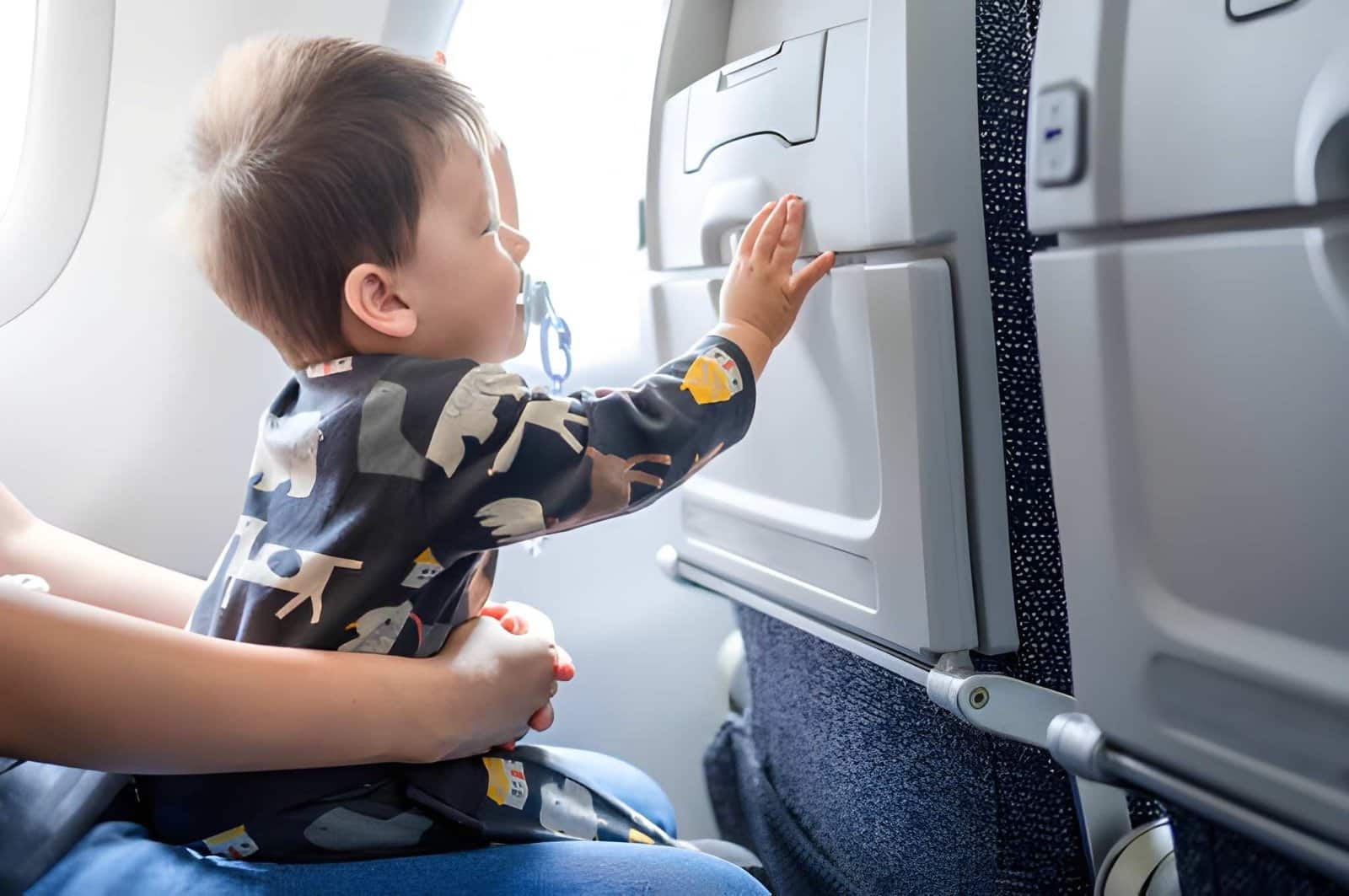
A 12-hour flight with a toddler is not a vacation. It’s logistics at 35,000 feet. When you treat it that way, the experience shifts from chaos to something manageable.
We’ve crossed oceans with kids in diapers, kids in pull-ups, and kids who swore they didn’t need the bathroom until the seatbelt sign turned on. The flights that went smoothly had one thing in common. We controlled the controllable.
Start With The Seats
Seat choice affects sleep, movement, and your stress level more than any toy you pack.
If your toddler still naps reliably, a window seat gives them a wall to lean against and fewer visual distractions. It also prevents constant up-and-down requests triggered by aisle activity.
If your child is energetic and hates confinement, take the aisle. You’ll get quicker bathroom access and easier standing breaks. Just be prepared to shield little arms from beverage carts.
Bulkhead rows sometimes offer bassinets for children under about 20 to 22 pounds. They give you legroom and a designated sleep space, but remember you won’t have under-seat storage during takeoff and landing. Those rows also tend to sit near galleys, which means more light and foot traffic.
We avoid seats directly beside lavatories. Doors slam. People queue. It’s not ideal for naps. A few minutes studying the aircraft map before selecting seats saves hours of discomfort later.
Pack For The Worst Case Scenario
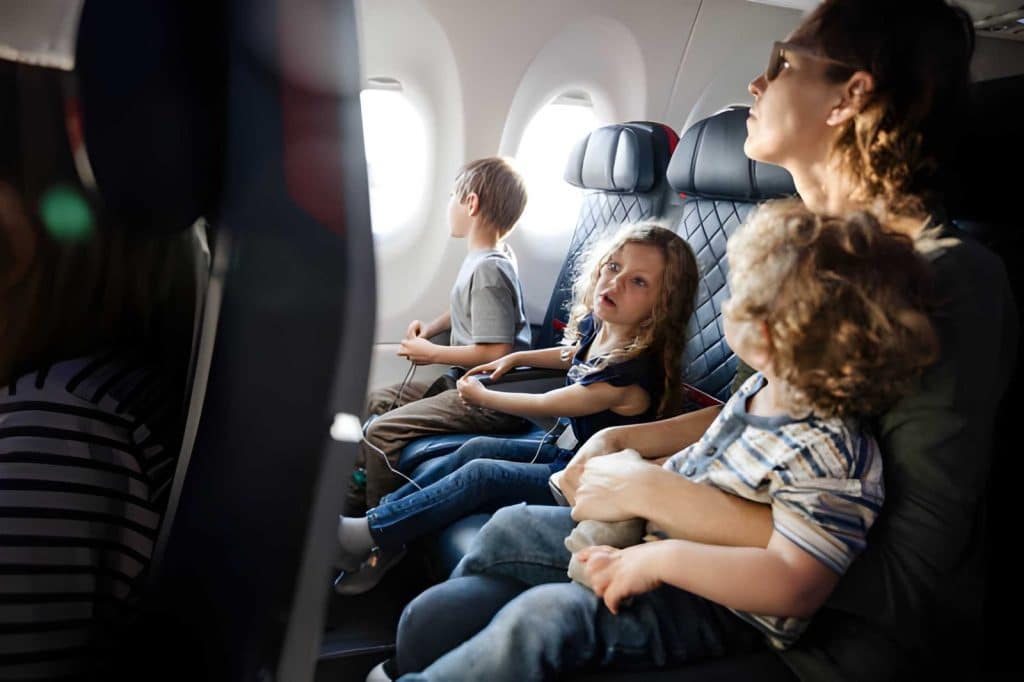
If your flight is scheduled for nine hours, assume it might take eleven.
Bring more diapers than you expect to use. Even potty-trained toddlers regress under stress or turbulence. Pack a full outfit change for them and at least a clean shirt for you. Spills don’t ask permission.
Wipes do double duty. Clean sticky hands and wipe down tray tables, armrests, and seat buckles before your child touches anything.
Medications like fever reducers or allergy relief belong in your carry-on, not checked luggage. Cabin pressure and unfamiliar environments can trigger surprises.
Large resealable bags are underrated. They contain dirty clothes, leftover snacks, and trash without contaminating everything else.
Feed Strategically, Not Emotionally
Food is both fuel and distraction.
Bring familiar snacks that don’t crumble everywhere. Crackers, soft fruit, small sandwiches, cheese cubes, and pouches are reliable. Pack more than you think you need. Delays on the runway can stretch hunger quickly.
For takeoff and landing, give something that requires chewing or swallowing. Applesauce pouches, gummy snacks, or even a simple drink can ease ear pressure.
Two spill-proof cups help. Keep one for water and one for milk or juice. Turbulence happens without warning.
Avoid relying entirely on in-flight meals. Service timing rarely matches toddler hunger cycles.
Rotate Entertainment Like Clockwork
Toddlers lose focus fast. Plan to change activities every 30 to 45 minutes.
Mess-free coloring books, reusable sticker pads, magnetic drawing boards, and small fidget toys work well in tight spaces. We wrap a few new items individually. The act of unwrapping adds built-in suspense.
Everyday objects work too. Painter’s tape for sticking shapes to the tray table. Sticky notes for simple matching games. An empty plastic bottle for sound play.
If you bring a tablet, download everything before leaving home. Assume Wi-Fi will not cooperate. Child-safe headphones prevent volume battles with neighboring passengers.
On ultra-long flights, we relax screen limits. A calm cabin matters more than rigid rules.
Sleep Requires a Plan
Night departures often work best. A flight that leaves around your toddler’s bedtime gives you a chance at several uninterrupted hours.
Recreate your bedtime cues. Change into pajamas in the lavatory. Read a short book. Dim overhead lights if possible. Familiar routines signal that it’s time to settle down.
If sleep doesn’t happen, avoid forcing it. A quiet, content child watching a show is better than escalating frustration. Toward the end of the flight, sometimes keeping them awake helps reset bedtime at your destination.
White noise apps or small portable sound machines can soften cabin chatter.
Movement Prevents Explosions
Small bodies struggle with confinement.
When the seatbelt sign is off, walk the aisle. Let them stretch near the galley if the crew allows it. Even five minutes upright resets energy.
Turn movement into a game. Count seat numbers. Spot colors. Look for wings through windows.
Short bathroom visits can interrupt a building meltdown. New environment, different lighting, a few buttons to press. It buys time.
When A Meltdown Hits
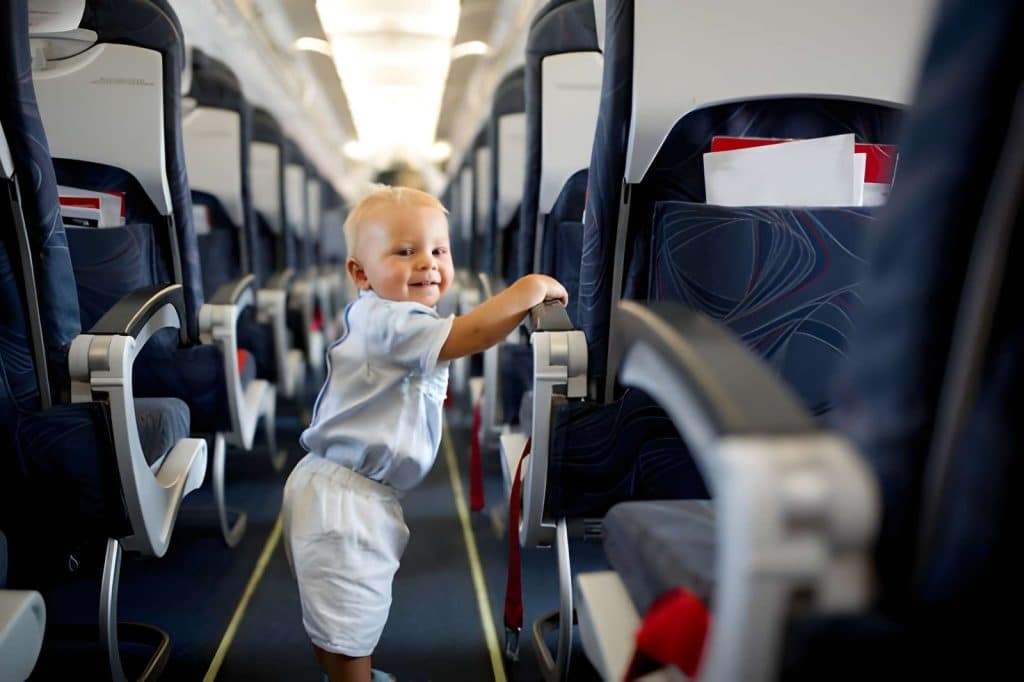
It will happen. Accept that before you board.
Toddlers are managing engine noise, pressure changes, fatigue, and overstimulation. Emotional overload is common.
Keep your voice low. Offer a snack. Introducing a new toy. Walk if permitted. Simple phrases like “You’re safe” and “I’m here” work better than long explanations.
If you’re traveling with a partner, rotate breaks. A few quiet minutes alone near the back of the cabin help you reset.
Ignore side glances. Most passengers either sympathize or tune it out quickly.
Choose Flight Timing Wisely
Early morning departures often run on schedule and reduce cascading delays. Evening flights align better with natural sleep.
Direct flights reduce transitions, which means fewer chances for exhaustion. Tight connections with toddlers are rarely worth the risk.
If you must connect, allow generous layover time. Rushing through terminals with a tired child is a fast way to raise stress before the long segment even begins.
Small Details That Make A Difference
Change diapers or use the restroom right before boarding. Encourage one last bathroom visit even if your toddler says they don’t need it.
Board strategically. Some families prefer early boarding to secure overhead space. Others wait until the last call to minimize seated time.
Keep essentials in an easy-access pocket. Digging through a packed backpack during turbulence adds pressure you don’t need.
A soft carrier helps in airports and on board when walking the aisle.
The Flight Is A Bridge
The plane ride is not the trip. It’s the bridge to it.
Treat it like a structured challenge rather than something to conquer perfectly. Prepare thoroughly. Stay flexible. Adjust expectations.
You’ll land tired. That’s normal. What matters is that you land together, intact, and ready for whatever adventure waits beyond the jet bridge.
Each long-haul flight builds experience. The second one feels easier than the first. By the third, you’ll know exactly what works for your family.
Make Long-Haul Family Travel Work In Your Favor
Flying long-haul with a toddler is logistics, not luck. The smoother trips usually come down to preparation, smart seat selection, and booking choices that reduce unnecessary friction.
Inside the community, we share practical family travel strategies, from choosing better aircraft layouts to booking nonstop routes that protect nap schedules and minimize connection stress.
And if you’re planning more long-haul trips with kids, the right travel Card setup can help offset taxes, seat assignments, and positioning flights. Use the smart card match tool to compare options based on how your family actually travels.
The flight is temporary. A smarter strategy makes every future one easier.