
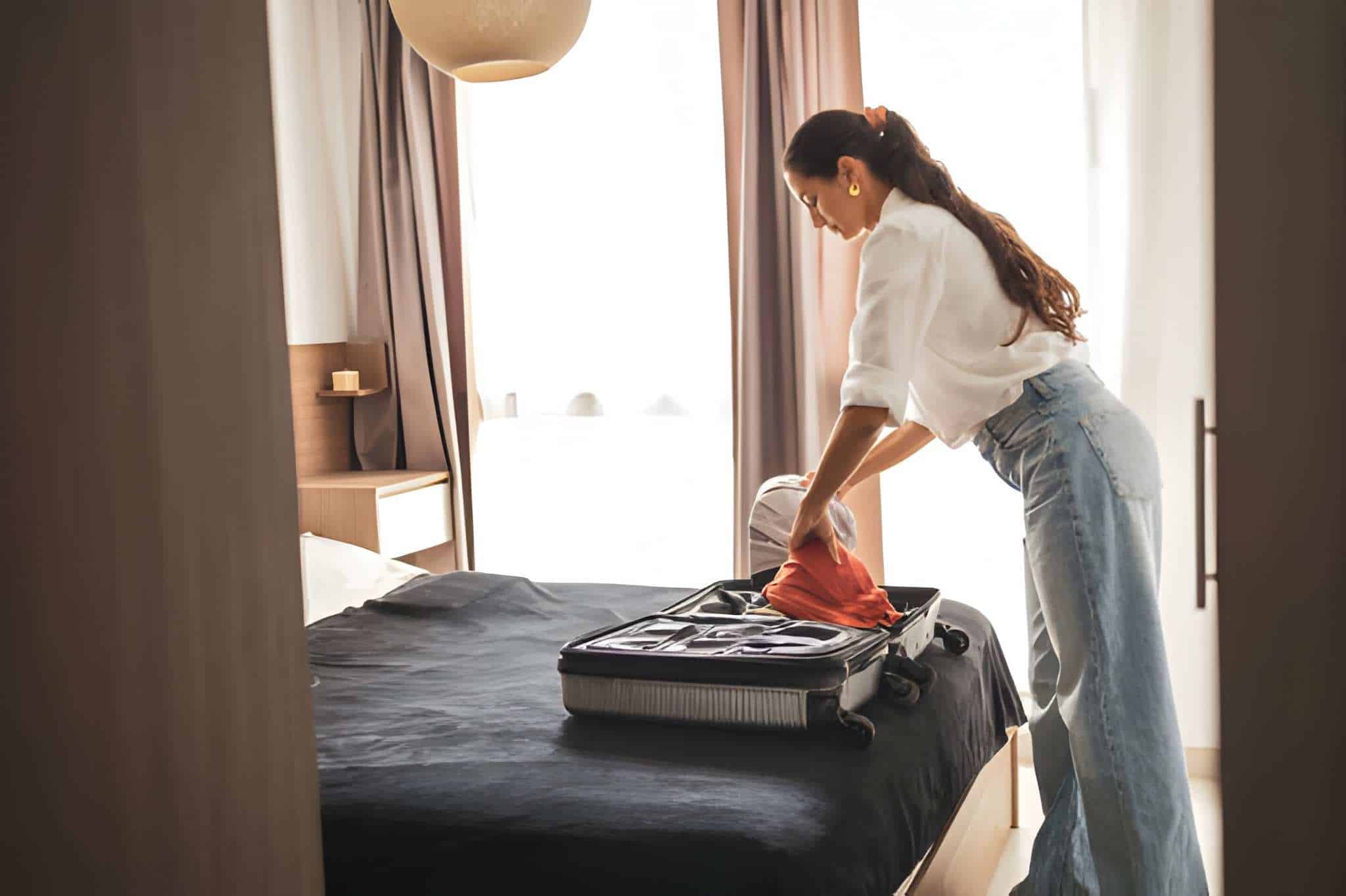
Airport security rewards preparation and punishes chaos. Every delay you see at the checkpoint usually traces back to one small decision made at home. The bag was too full. An item was buried. Something set off the scanner. None of this is dramatic, but it adds up fast when hundreds of travelers repeat the same mistakes every hour.
After decades of flying through busy hubs and quiet regional airports alike, the pattern is consistent. People don’t get slowed down because security is complicated. They get slowed down because their packing doesn’t match how screening actually works.
Here are six packing mistakes that quietly cost you time, plus what to do instead.
1. Overstuffing Your Carry-On Until It Becomes One Solid Block
A tightly packed bag feels efficient when you zip it shut. At security, it does the opposite. Dense bags create cluttered X-ray images where objects overlap, and edges blur together. When officers can’t identify items quickly, the bag gets pulled aside.
This isn’t about weight. It’s about density. Shoes pressed against chargers, clothes wrapped around toiletries, and accessories filling every gap all blend into one mass on the scanner.
A better approach is to leave space on purpose. Pack fewer items, or move bulky gear into checked luggage. Clothing folded into loose groups scans cleaner than clothing compressed into tight rolls. A bag that can flex slightly almost always clears faster than one packed like a brick.
2. Hiding Electronics Under Layers of Clothing
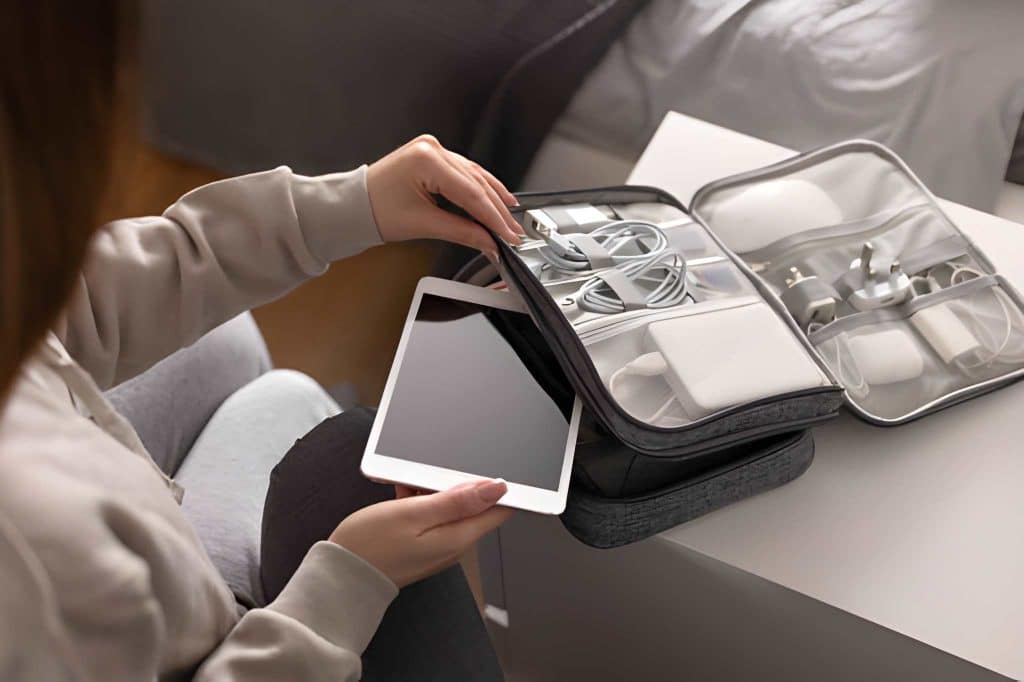
Electronics slow people down more than almost anything else. Not because they’re suspicious, but because they’re often hard to reach. When a laptop sits under three days of clothes, you end up unpacking at the belt while everyone waits.
Security expects electronics to come out smoothly. If you need to dig, untangle cords, or reshuffle items, the process stalls.
Keep laptops, tablets, and cameras near the top of your bag or in a dedicated sleeve. You want one clean motion from bag to bin. If you need two hands and a pause, your layout needs work.
3. Scattering Liquids Across Multiple Pockets
Liquids are simple to screen when they’re grouped together. They’re a headache when they’re scattered. Toiletries stuffed into side pockets, makeup bags, and jacket sleeves almost guarantee extra attention.
Security officers look for a clear liquid pouch they can inspect quickly. When they see bottles spread across the bag, they slow down to verify each one.
Put all liquids in one clear pouch and place it where your hand naturally goes first. Outer pockets or the top layer work best. If you wouldn’t find it instantly with your eyes closed, it’s not accessible enough.
4. Wearing Shoes And Accessories That Complicate Everything
What you wear through security matters more than most people expect. Lace-up boots, thick soles, metal buckles, layered jewelry, and heavy belts all add steps. Each extra step adds time.
The slowest moments at checkpoints often come from travelers juggling shoes, bins, bags, and jackets at the same time. When footwear takes effort to remove and put back on, the line backs up quickly.
Slip-on shoes and minimal accessories move through faster. Choose layers that unzip or lift off easily. You can always put effort into your outfit after security, when space and time aren’t scarce.
5. Packing Items That Trigger Secondary Screening
Some items aren’t banned, but they confuse scanners. Dense foods, large powders, tightly wound cables, tools, and compact metal objects often prompt closer inspection.
When something looks unusual on the X-ray, officers open the bag to confirm what it is. That inspection takes time and usually requires repacking afterward.
If you know an item often raises questions, ask whether it needs to be in your carry-on at all. Checked luggage is better for dense or awkward gear. If it must stay with you, keep it grouped and visible so it’s easy to identify.
6. Letting Your Bag Turn Into a Junk Drawer
Loose items are the quiet enemy of fast screening. Coins rolling in pockets, chargers floating freely, hair accessories wedged between compartments, all add visual noise.
X-ray machines read shapes and edges. When everything overlaps randomly, clarity disappears. That’s when manual checks happen.
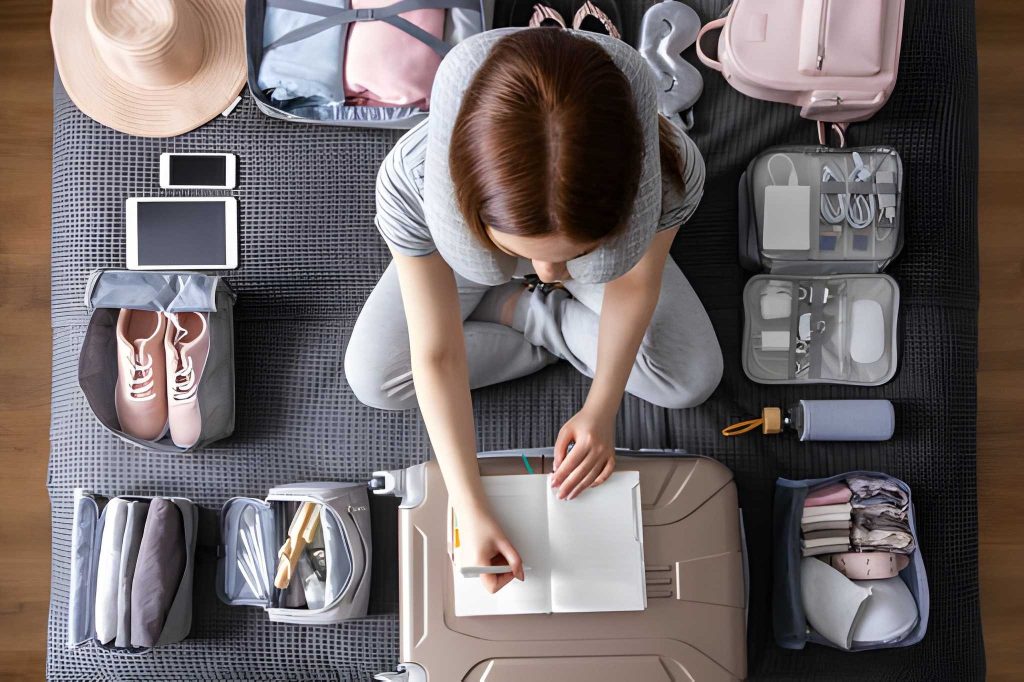
Simple organization fixes this. Group similar items together. Use small pouches to keep cables contained. Give every category a place. A bag with structure scans faster than one filled with loose odds and ends.
Why These Mistakes Slow Everyone Down
Security screening depends on speed through repetition. Officers process thousands of bags by recognizing common patterns. When a bag breaks those patterns, the system pauses.
Every manual check creates a ripple. One bag pulled aside delays the person behind it. That delay stacks across the lane. What feels like a personal inconvenience becomes a line-wide slowdown.
Packing with screening in mind isn’t about privilege or special access. It’s about making your bag easy to understand at a glance.
A Practical Way To Pack For Security
A few habits make the biggest difference:
- Keep electronics and liquids accessible
- Leave space so items don’t overlap
- Wear footwear and layers that remove easily
That’s enough. You don’t need special bags or complicated systems. You need a layout that matches how screening works.
Common Packing Habits And Faster Alternatives
| Packing Habit | What Happens At Security | Faster Alternative |
|---|---|---|
| Carry-on packed to capacity | Manual bag inspection | Leave space between items |
| Electronics buried | Delays at the belt | Top-load or sleeve storage |
| Liquids scattered | Extra screening | One clear pouch |
| Heavy shoes and belts | Slower walk-through | Slip-ons and minimal metal |
| Loose cables and accessories | Unclear X-ray images | Grouped in small pouches |
| Dense or unusual items | Bag opened | Check or isolate them |
Small Adjustments That Save The Most Time
The biggest gains come from reducing friction at the belt. That means fewer movements, fewer decisions, and fewer surprises.
Before you leave home, run a quick mental test. Can you remove shoes, liquids, and electronics in under ten seconds without rearranging anything? If the answer is no, change the layout.
At the airport, confidence helps too. Move with purpose. Place items flat in bins. Don’t stack electronics. Simple, deliberate motions keep things flowing.
Packing Smart Makes The Airport Predictable
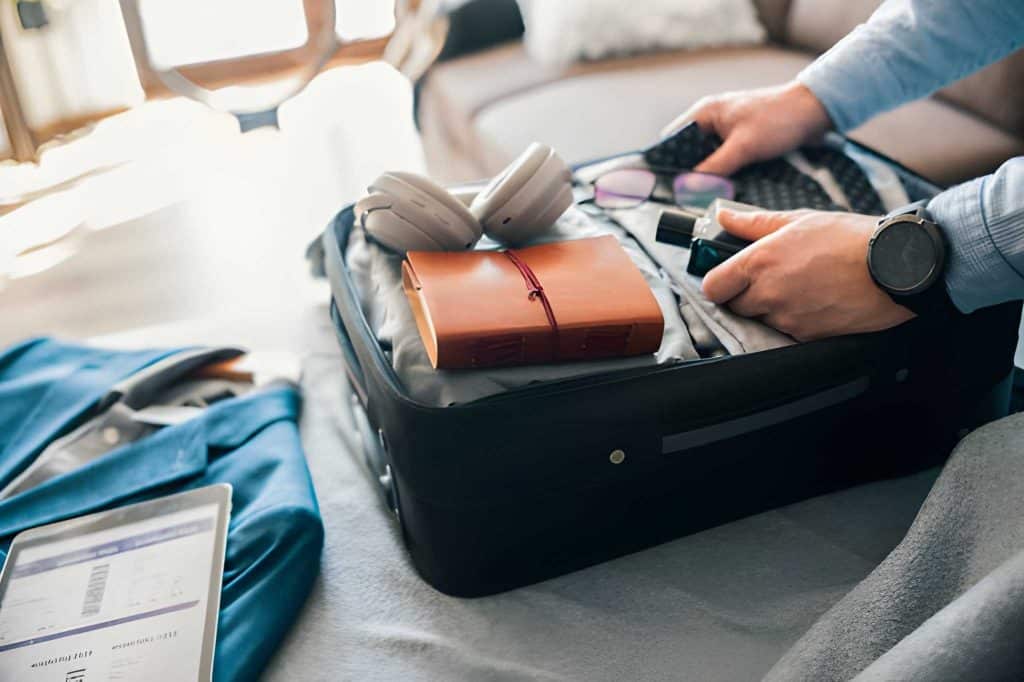
Airports feel stressful when the process feels unpredictable. Smart packing removes that uncertainty. You know where everything is. You know what needs to come out. You know nothing in your bag will cause confusion.
That calm shows. You move faster. Officers move faster. The line moves faster.
Security doesn’t need to be a bottleneck. When your bag works with the system instead of against it, the checkpoint becomes a brief pause instead of a hurdle.
Pack Smarter So Airport Security Stops Slowing You Down
Packing mistakes rarely look serious at home, yet small layout problems create most checkpoint delays travelers experience. When electronics stay accessible, liquids stay grouped, and bags avoid dense clutter, screening becomes predictable instead of stressful. Small adjustments made before leaving home remove friction at the belt and keep your trip moving smoothly from the very first step.
Inside our Skool community, travelers regularly share real checkpoint strategies, carry-on layouts, and airport workflow tips that reduce delays across different airports worldwide. Learning how experienced travelers organize bags, prep electronics, and move through screening helps you build habits that save time on every trip.
When your packing system is ready, the smart search card finder helps you quickly choose the right payment setup for bookings, upgrades, and travel expenses so you can move through airport processes without last-minute friction. Having the right earning and redemption structure ready keeps your overall travel flow simple from booking to boarding.