

New York City moves fast, but it doesn’t reward rushing. The travelers who enjoy it most aren’t the ones trying to squeeze in everything. They’re the ones who understand how the city flows and plan around that rhythm instead of fighting it. Once you do that, New York becomes far easier to navigate and far less expensive than its reputation suggests.
This city rewards smart timing, short walks, and knowing when to slow down. If you get those basics right, everything else starts to fall into place.
When To Go If You Want The City To Cooperate
Timing affects New York more than almost any other destination.
- Late spring and mid-fall tend to be the sweet spots. You get comfortable walking in the weather, parks that feel alive, and crowds that are busy without being overwhelming. Hotel prices are still high, but not at their worst, and flights usually sit in a more reasonable range.
- Summer stretches days longer, which helps with sightseeing, but heat and humidity slow everything down. Walking becomes tiring faster, and popular areas feel packed by midday.
- Winter brings a quieter city after the holidays, and prices soften noticeably, especially in January and February. The trade-off is cold weather and shorter days, which can limit how long you want to stay outside.
If you enjoy walking and wandering, shoulder seasons make the city feel manageable instead of exhausting.
Getting Around Without Making It Complicated

New York’s transit system looks intimidating until you use it for a day. The subway does most of the work, especially for longer distances. Flat fares make it cost-effective, and express trains save time when you understand which stops they skip.
Walking fills the gaps and often beats cars in busy areas. Many attractions sit closer together than they appear on maps. Buses help when trains don’t run where you need them, particularly for east-west routes. Ferries offer scenic shortcuts and give you a break from underground travel.
Cars slow you down in dense areas. Once you accept that, moving around the city becomes far easier.
Choosing An Airport Without Burning Half A Day
New York’s airports aren’t equal, even when fares look tempting. Some offer cheaper tickets but add long ground transfers, traffic delays, or confusing connections that eat into your arrival day. Others cost a bit more upfront but put you closer to where you actually want to be.
Public transportation from the airports works well if you pack light and arrive during normal hours. Trains and buses are far cheaper than cars and connect directly to major transit hubs. Late-night arrivals or heavy luggage usually make taxis the better option, even at a higher cost.
The smartest choice balances ticket price with how much time and patience you want to spend after landing.
Seeing The Big Sights Without Standing In Lines All Day
Iconic landmarks take planning, not effort. Early mornings and late evenings thin crowds dramatically. Observation decks feel calmer after dark. Bridges and parks are easier before commuter hours ramp up.
Central Park works best as both a destination and a connector. You can cross neighborhoods while seeing something worthwhile instead of sitting on a train. Busy squares deliver their impact quickly, and lingering rarely adds value.
The trick isn’t skipping famous places. It’s visiting them when everyone else isn’t.
Museums That Don’t Drain Your Energy
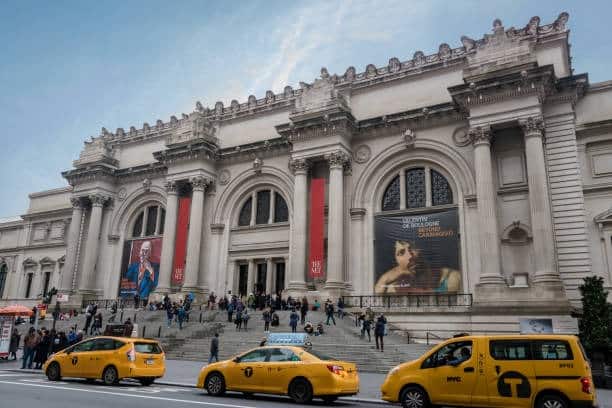
New York’s museums are world-class, but trying to do too many back-to-back ruins the experience. One major museum per day is usually enough. Pick the sections you care about and skip the rest without guilt.
Late hours during the week tend to be quieter than weekends. Smaller museums and neighborhood galleries often deliver more focused experiences and rotate exhibits frequently, which keeps visits fresh. Many offer free or reduced entry at certain times.
Depth beats coverage. You’ll remember far more that way.
Eating Well Without Paying Tourist Prices
Good food in New York doesn’t hide behind velvet ropes. It hides a few blocks away from crowds. Neighborhood restaurants price fairly because locals return often. Portions tend to be generous, and quality stays high across cuisines.
Street food covers full meals quickly and cheaply. Delis stretch sandwiches far beyond expectations. Coffee shops double as rest stops and energy resets, especially when you need a break from walking.
If a menu looks designed for visitors, walk another block. The difference shows fast.
Choosing Where to Stay Based on How You Travel
Your neighborhood matters more than your hotel category. Central locations shorten transit time but charge for convenience. Residential areas offer calmer mornings, better food nearby, and often better value, especially if you don’t mind a short train ride.
Access to multiple transit lines matters more than being next to a landmark. That flexibility saves time across several days and makes changing plans easier. Areas outside the busiest corridors often feel more relaxed without sacrificing access.
Pick a base that supports how you move, not just where you want to take photos.
What A Typical Day Actually Costs
New York feels expensive until you see how days break down. Most travelers overspend through small, repeated choices rather than big splurges.
| Expense | Typical Daily Range |
|---|---|
| Lodging | $70–180 |
| Food | $35–65 |
| Transportation | $8–15 |
| Attractions | $15–45 |
Walking more and choosing fewer paid attractions keeps totals stable. Planned splurges feel better than impulse spending.
Saving Money Without Feeling Restricted
Free experiences carry real weight here. Parks host performances, ferries deliver skyline views, and neighborhoods offer atmosphere without entry fees. Many of the city’s best moments cost nothing at all.
Discounted tickets, flexible schedules, and early planning unlock savings without sacrificing quality. Happy hour menus stretch dining budgets. Markets handle meals efficiently when you don’t want to sit down.
Saving works best when it feels intentional, not limiting.
Short Trips Need Structure
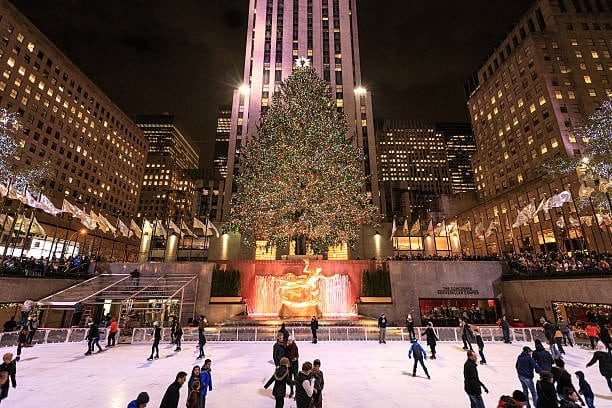
Two or three days demand restraint. Group sights by area. Start early. Walk first, ride later. End nights close to where you’re staying to avoid long returns. Trying to do everything turns short visits stressful. Focus keeps them enjoyable.
Longer Stays Change Everything
Four or five days soften the pace. You revisit places at different hours. You explore beyond the usual zones. You sit longer, rush less, and notice details you would otherwise miss. Extra time turns the city from loud to understandable.
Why Preparation Changes The Experience
New York doesn’t hide value. It hides it behind noise. Once you understand timing, movement, and neighborhood flow, the city opens up. Costs drop. Days feel smoother. Decisions get easier. Move with purpose, leave space for wandering, and let the city reveal itself one block at a time.
Make New York Easier To Book And Cheaper To Move Through
Our group inside The Miles Academy focuses on timing, not chasing deals. Members see how flight prices into New York usually behave, when they soften, and when waiting stops helping. That context makes it easier to book with confidence instead of guessing or second-guessing every price change.
When a flight price finally makes sense, this card finder tool helps you choose how to pay quickly. It compares options in one place, so you are not stuck overthinking at checkout while prices move. That speed matters in a city where fares change fast.