Flight prices move because airlines respond to pressure minute by minute. Demand shifts. Seats sell faster or slower than expected. Events pull travelers into specific cities. All of that feeds pricing systems that update constantly, often without warning. Once you understand those forces, the swings stop feeling arbitrary and start feeling readable.
The practical benefit is simple. When you know why prices change, you know when to wait and when to book.
Airlines Price Seats Like Perishable Goods
A plane seat has one flaw. If it departs empty, the value drops to zero. Airlines build pricing systems around that reality, constantly balancing two risks: selling seats too cheaply or holding out too long.
Early in the schedule, prices test demand. If bookings come in quickly, fares rise to protect remaining inventory. If sales lag, prices soften to attract attention. This feedback loop runs all day, every day, which explains why prices can change between breakfast and lunch.
The goal isn’t fairness. It’s matching the price to demand at that exact moment.
Demand Outweighs Distance Every Time
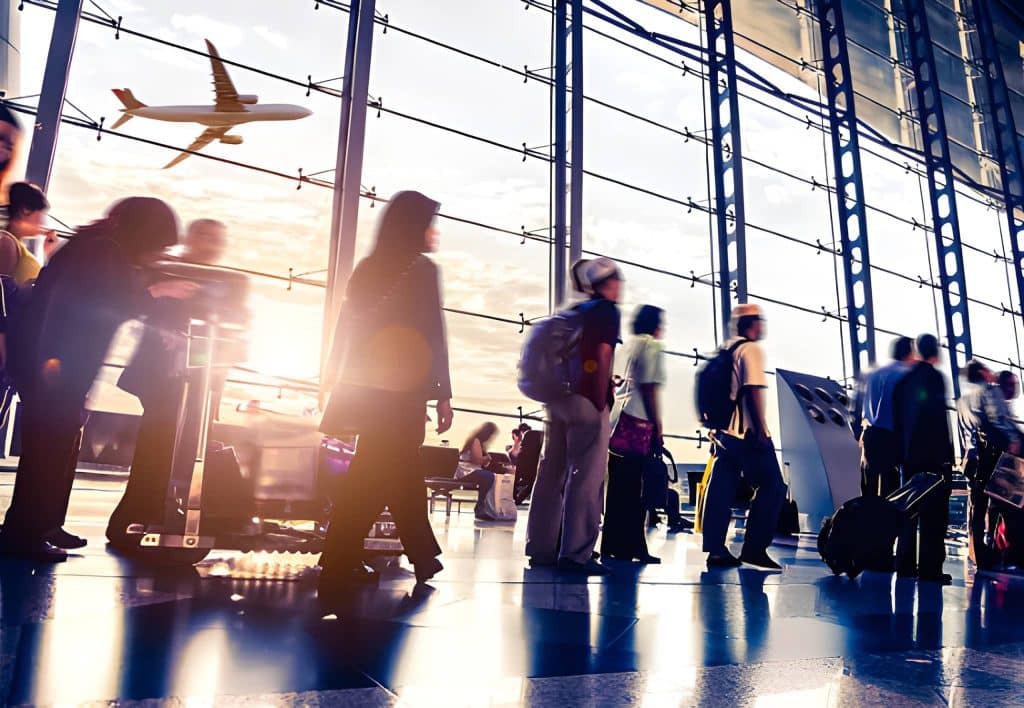
Distance feels intuitive, but it barely matters. A short flight on a busy Friday can cost more than a longer route midweek. Airlines price based on who wants to fly, not how far the plane goes.
That’s why flights surge during school breaks, long weekends, and popular event dates. It’s also why Tuesday and Wednesday departures often price lower. Fewer people want those seats, so the system nudges prices down.
Understanding this shifts how you plan. You stop anchoring on mileage and start watching calendars.
Seat Inventory Explains Sudden Price Jumps
Every flight has pricing tiers. Once a batch of lower-priced seats sells, the system unlocks the next tier automatically. That change can look dramatic even if only a handful of seats disappeared.
From your side, it feels abrupt. From the airline’s side, it’s expected. Inventory moved, so pricing adjusted.
This is why a flight can appear half empty yet still show a high fare. The cheaper inventory is gone, even if many seats remain.
Booking Timing Shapes Price Behavior
Prices don’t move randomly as departure approaches. They follow patterns.
Domestic routes often stabilize a few weeks out, then climb as urgency increases. International routes open earlier and adjust more gradually, often months ahead. Late bookings skew higher because airlines know urgent travelers accept higher prices.
There are exceptions like short sales or pricing errors, but waiting without a reason usually works against you.
Events Create Price Spikes In Specific Places
Airfare doesn’t rise everywhere at once. It rises where attention concentrates.
A major sports game, convention, or festival can push prices up for one city while nearby routes stay flat. Airlines detect that demand early through search and booking data, then raise fares accordingly.
Routes with limited competition amplify this effect. Fewer airlines mean less downward pressure on prices once demand picks up.
Competition Keeps Prices From Spiking

When multiple airlines compete on a route, prices stay tighter. When competition fades, fares climb faster.
New service often triggers short-term price drops as airlines defend market share. Reduced service has the opposite effect. Remaining carriers gain pricing power, and fares rise.
This explains why large hubs show frequent price swings while smaller markets often stay expensive.
Costs Still Matter In The Background
Demand drives most daily movement, but costs shape the baseline.
Fuel prices, labor costs, and broader economic conditions influence how aggressively airlines price seats. During slowdowns, fares soften to stimulate travel. During strong periods, higher prices stick because demand absorbs them.
These shifts happen gradually, but they frame how far prices can move up or down.
Flexibility Is The Most Reliable Advantage
Flexibility doesn’t require radical changes. Small adjustments often deliver outsized results.
Midweek departures reduce competition for seats. Early morning or late-night flights are priced lower because fewer travelers want them. Alternate airports tap into different demand pools entirely. Even shifting a trip by one day can move you into a quieter pricing window.
Flash Sales And Errors Reward Preparation
Short sales appear to move inventory quickly. They can slash prices for a brief window, often without warning. Speed matters more than planning here.
Pricing errors happen when systems misfire or data loads incorrectly. They don’t last long and reward travelers who can act immediately. Both situations favor readiness over patience.
Tracking Prices Beats Guessing Every Time

Checking fares shows snapshots. Tracking shows patterns.
Price alerts monitor routes continuously and flag moments when fares drop below typical ranges. That context matters more than the number itself. A $500 ticket might be high one week and a bargain the next, depending on history.
Tracking removes emotional booking. You wait for evidence instead of reacting to fear.
Why Price Changes Feel Personal But Aren’t
Airlines don’t raise prices because you looked yesterday. Prices rise because enough people booked faster than expected.
The timing makes it feel personal. The cause is mechanical. Once you internalize that, frustration fades, and decisions improve.
A Practical Way To Spend Less on Flights
Savings come from alignment, not tricks. Travel when demand is possible. Track prices instead of guessing. Book when fares break from their usual range, not when they simply look acceptable.
Have your details ready so you can move quickly. Hesitation often costs more than imperfect timing.
What All This Adds Up To
Flight prices change often because airlines react constantly to pressure. That pressure comes from demand, inventory, timing, competition, and cost.
When you understand those forces, pricing stops feeling chaotic. You stop chasing fares and start responding to signals. That shift is where consistent savings live.
When Flight Prices Finally Make Sense To Book
Once you understand why flight prices move, the goal shifts from watching every change to acting only when something meaningful happens.
In The Miles Academy, we break down how demand, timing, and competition actually affect fares so you know when a price drop is real and when it is just noise. That context keeps you from panic booking and helps you wait with confidence until the numbers make sense.
When a price finally breaks in your favor, this card finder tool helps you move fast without overthinking the payment side. It shows the best way to cover the fare so you can lock it in immediately instead of losing the window while second-guessing options.