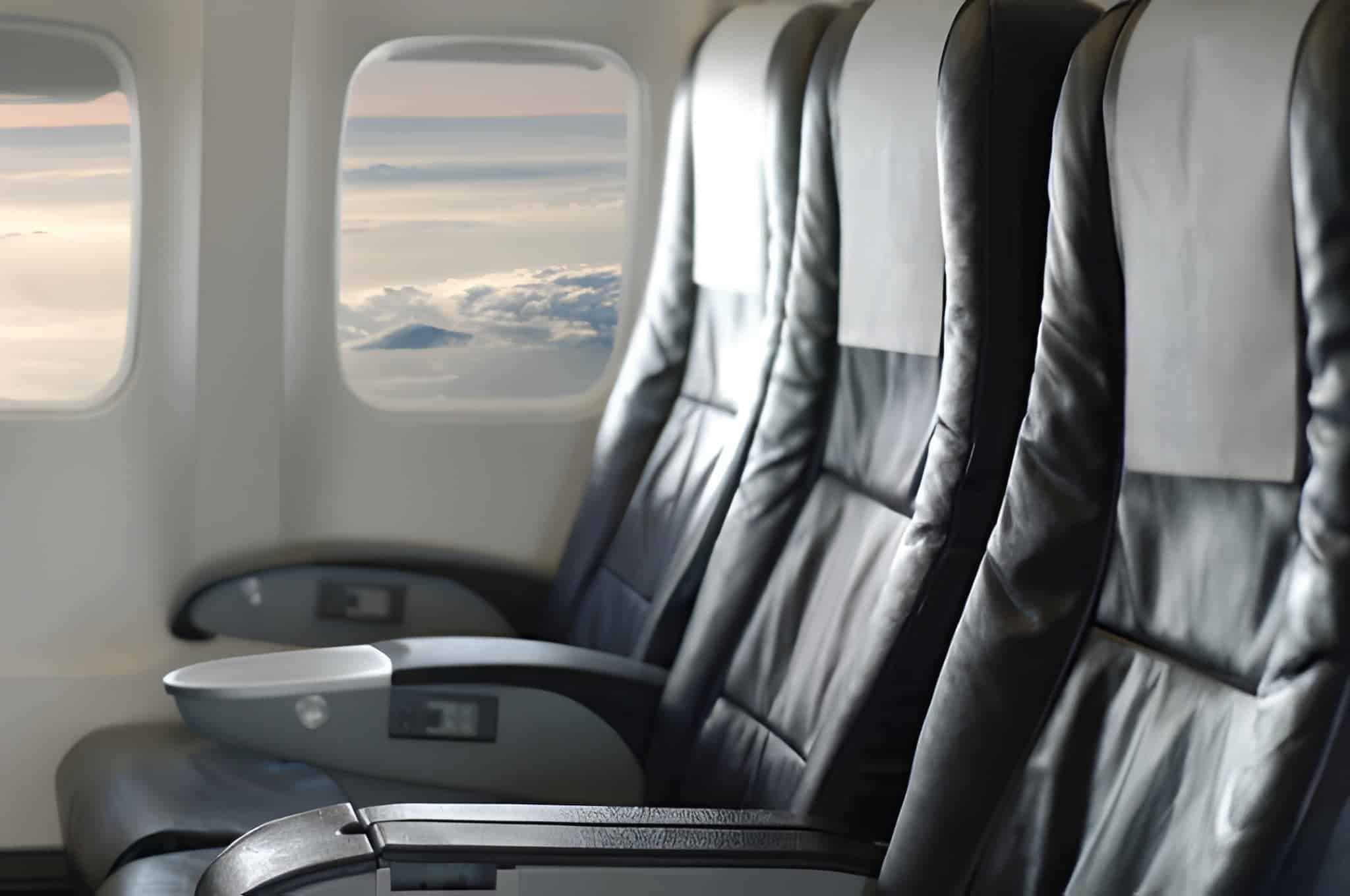
Your seat choice decides how the flight feels long before wheels leave the ground. It shapes your sleep, your energy on arrival, and how much patience you’ll need somewhere over the ocean. Airline cabins fall into four broad groups. Each exists for a reason, and none is automatically the right pick without context.
Some trips reward comfort. Others reward restraint. Knowing the difference saves money and frustration.
How Seat Classes Actually Compare
Most people hear cabin names without knowing what changes from one to the next. This table sets expectations before we get specific.
| Feature | Economy | Premium Economy | Business | First Class |
|---|---|---|---|---|
| Seat width | Narrow | Slightly wider | Wide | Very wide |
| Legroom | Tight | Noticeably better | Extensive | Expansive |
| Recline | Minimal | Deep recline | Fully flat | Fully flat suite |
| Cabin size | Large | Smaller section | Small | Very limited |
| Meals | Basic | Upgraded | Multi-course | Chef-driven |
| Lounge access | No | Sometimes | Yes | Private lounges |
| Baggage | Limited | Checked bag included | Multiple bags | Highest allowance |
| Best use | Short or cheap trips | Long flights on a budget | Overnight travel | Maximum privacy |
Numbers vary by aircraft, but the experience difference follows this pattern almost everywhere.
Economy Class Gets You There Efficiently
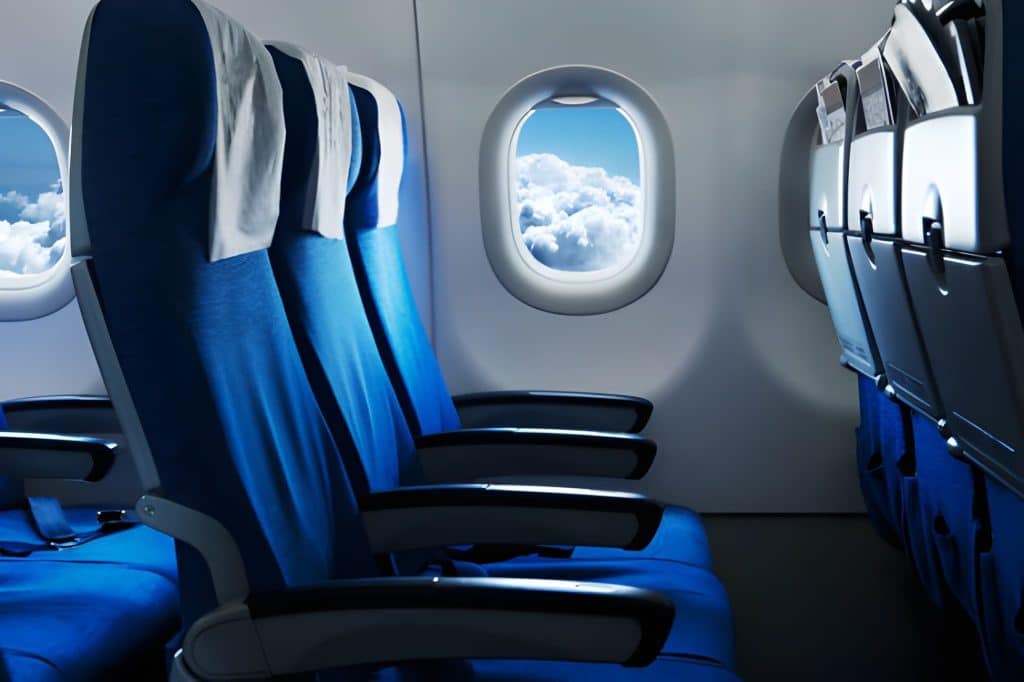
The economy exists to move people at the lowest cost. When flights are short or prices are unusually low, it often makes perfect sense.
What Economy Feels Like
Seats are narrow. Legroom usually falls in the low-30-inch range. Recline is limited, which becomes noticeable after a few hours. On newer planes, seatback screens or device streaming cover entertainment. Charging ports are common but not guaranteed.
On daytime flights under five hours, these limits rarely matter. On overnight or long-haul routes, they add up quickly.
Food And Extras
Long international flights usually include meals and soft drinks. Domestic flights often provide snacks only. Alcohol frequently costs extra. Checked bags may add fees depending on fare type.
The cheapest economy tickets may restrict seat selection and boarding order. That trade-off keeps prices down.
When Economy Makes Sense
The economy works best when:
- The flight is short
- You’re traveling light
- Cash prices are unusually low
- Arrival comfort matters less than savings
For frequent travelers, economy stays are useful when the trip itself is not the focus.
Premium Economy Fixes The Biggest Pain Points
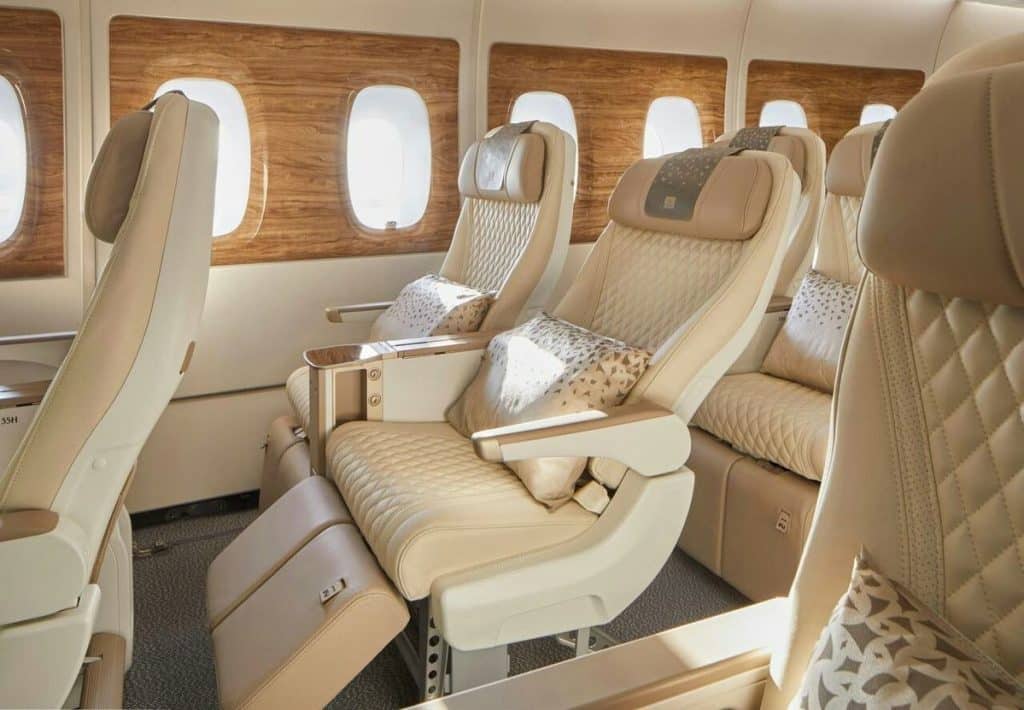
Premium economy exists for one reason. Many travelers want more space and quieter cabins without paying business-class prices.
Seating And Cabin Layout
Seats offer noticeably more legroom and deeper recline. Cabins are smaller, which reduces noise and foot traffic. Footrests, better cushioning, and stronger head support make sitting for long stretches easier. This difference matters most on flights over six hours.
Dining And Airport Flow
Meals are upgraded in both quality and presentation. Drinks are often included. Boarding happens earlier, and checked baggage is usually part of the ticket. Less waiting. Less scrambling. Fewer compromises.
Who Premium Economy Serves Best
Premium economy shines when:
- Flights stretch past one movie cycle
- You value sleep but watch spending
- Height or joint comfort matters
- The price gap stays reasonable
For many long-haul trips, this cabin delivers the best balance.
Business Class Turns Flights Into Rest Time
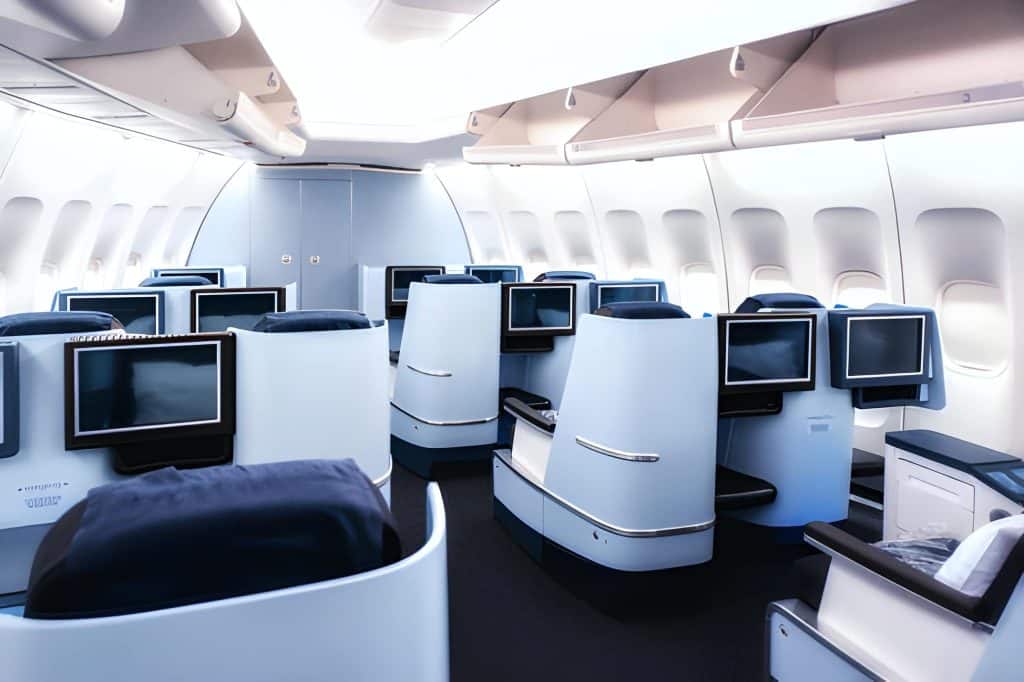
Business class changes the purpose of the flight. Instead of enduring it, you use it.
Flat Beds Change Everything
Most business seats convert into flat beds. That single feature reshapes overnight travel. Sleep becomes possible instead of aspirational. Seats are wider, storage is built in, and aisle access is easier. Privacy improves without full isolation.
Ground Experience Counts Too
Priority check-in, faster security lanes, and lounge access reduce friction before boarding. Lounges offer meals, showers, and quiet space that matter during long connections. Checked bags move first. Lines shorten. Stress drops.
Dining And Work Setup
Meals are ordered when you want them. Screens are larger. Power outlets are standard. Cabins stay quieter, making work or rest practical instead of frustrating.
When Business Class Is Worth It
Business class earns its keep when:
- Flights run overnight
- You need to arrive alert
- Physical comfort affects recovery
- Pricing dips during slower demand
For long international routes, business often delivers the strongest value per comfort dollar.
First Class Prioritizes Space And Privacy
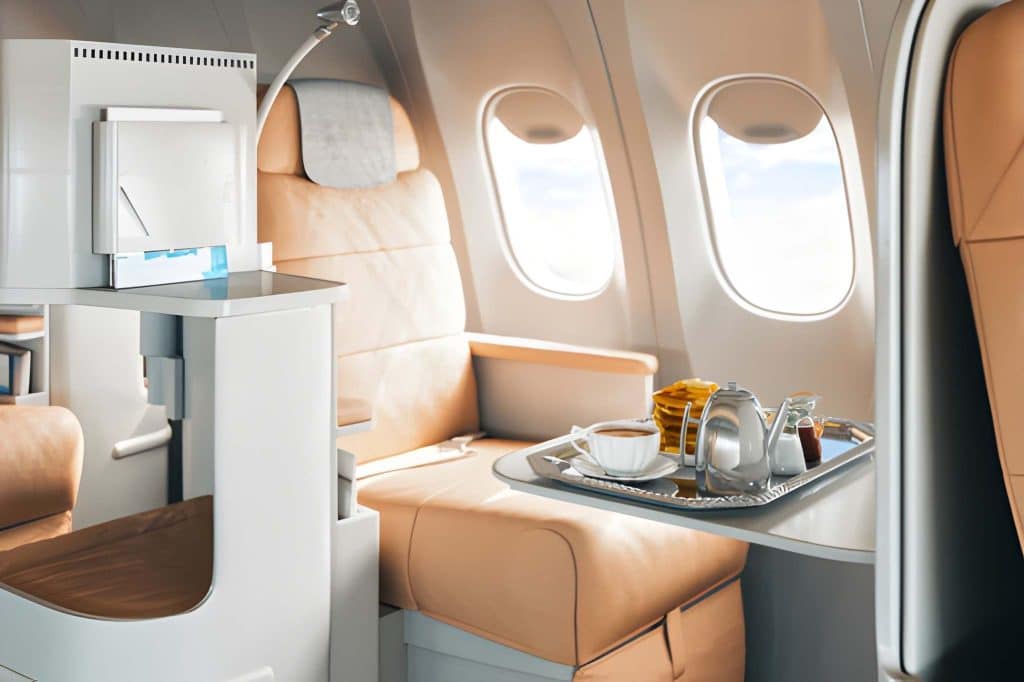
First class focuses on isolation, space, and service. It’s rare on many routes and unnecessary for most trips, but unmistakable when available.
The Experience Difference
Suites replace seats. Space expands in every direction. Service becomes highly personalized. Dining approaches restaurant quality, and amenities feel intentionally chosen rather than generic. Ground services often include private lounges and direct boarding.
Domestic And International Reality
Domestic first class usually resembles business class without flat beds. International first class stands apart, offering private rooms, larger beds, and higher staff-to-passenger ratios. Many airlines now skip first class entirely because modern business cabins cover most comfort needs.
Who First Class Fits
First class makes sense when privacy outweighs cost, a milestone trip matters, pricing becomes unusually favorable, and the flight itself is part of the experience For most travelers, business class already covers practical comfort needs.
Matching Seat Class To The Trip
Choosing well comes down to three variables:
- Flight length
- Time of day
- Arrival demands
Short daytime flights rarely justify upgrades. Overnight international routes often do.
Ask a simple question. Do you need rest or space when you land? If yes, higher cabins earn their cost. If not, economy or premium economy often wins.
Finding Better Prices Across Cabins
Seat pricing shifts constantly. Airlines adjust fares based on demand, season, and remaining inventory.
What Actually Helps
- Flying mid-week
- Avoiding peak travel windows
- Watching nearby airports
- Staying flexible at times
Premium cabins drop in price more often than most people expect, especially when business travel slows.
A Practical Way To Think About Seat Classes
Seat classes are tools, not trophies. Each one solves a different problem depending on distance, timing, and how you need to arrive.
The economy keeps costs down. Premium economy smooths long flights. Business class protects sleep and energy. First class maximizes space and privacy.
None is universally better. The right choice depends on the flight, not the label.
When seat class matches flight length, timing, and personal needs, travel stops feel like a compromise. It starts feeling deliberate.
Choose The Right Seat Class Before You Overpay
Most travelers guess their cabin based on habit or price alone. Inside our group at The Miles Academy, members see real examples of how flight length, timing, and pricing shifts change, which seat class actually makes sense, so comfort upgrades are intentional, not accidental.
When you’re comparing cabins and want to quickly see which cards offset baggage fees, seat charges, or premium-cabin costs without overthinking, this card finder tool helps narrow options fast.