
Cheap travel works best when a destination lets you slow down instead of pushing you through lines, tickets, and timed entries. The places below stay affordable because they spread visitors out, rely on walkable neighborhoods or nature, and don’t require constant spending to feel rewarding. Each one earns its spot by offering depth without density.
San Juan, Puerto Rico
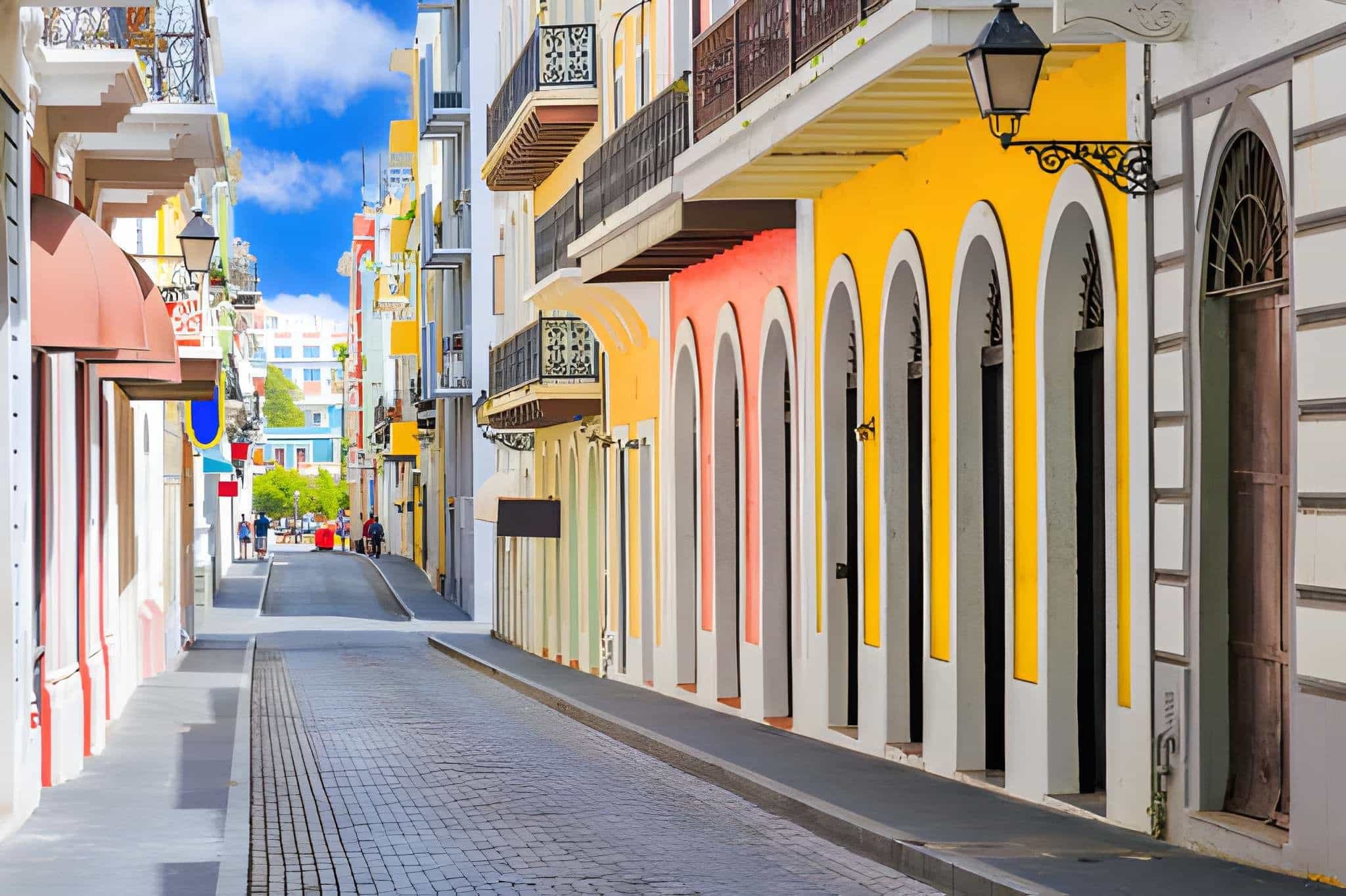
San Juan balances culture and coastline without forcing choices. Old San Juan is compact enough to explore on foot, with shaded streets, forts, and plazas that reward wandering instead of scheduling.
Public beaches like Condado and Ocean Park stay accessible, and local food spots keep prices grounded. Staying just outside the historic core often cuts lodging costs while keeping everything close. The best time to visit is late April to early June, when humidity stays manageable, and visitor numbers drop.
Cancún, Mexico
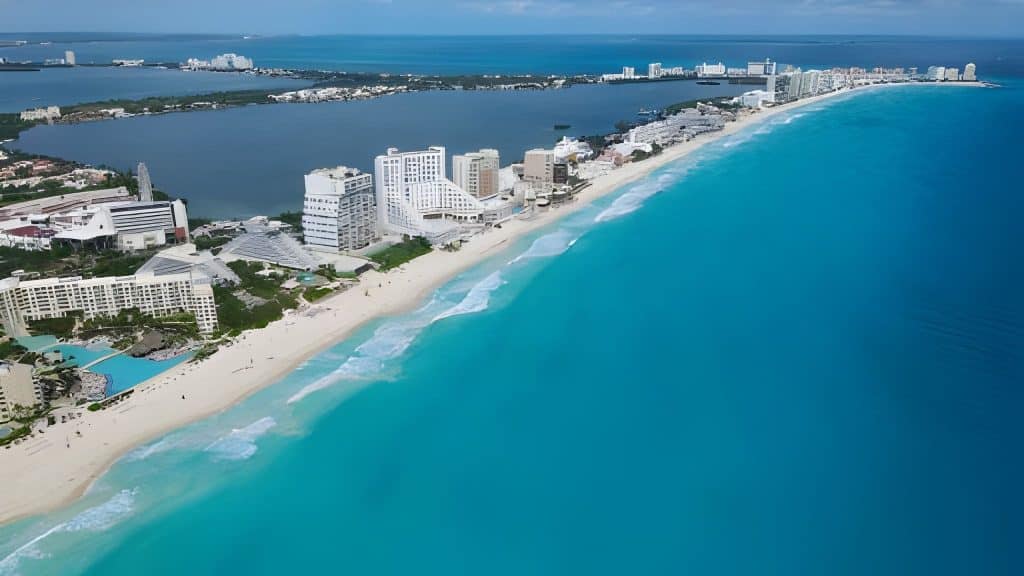
Cancún becomes far more pleasant once you move beyond the resort strip. Public beaches remain open, local buses run constantly, and nearby towns pull people away from the hotel zone. Cenotes, coastal walks, and day trips give variety without high admission costs. Staying inland lowers nightly rates while keeping transit simple and cheap. The best time to visit is late April through early June, after spring crowds thin and before summer heat peaks.
Moab, United States
Moab never feels cramped because the landscape controls the crowd. Arches, Canyonlands, river corridors, and open desert distribute visitors across miles of space. Many highlights cost nothing beyond park entry, and one base gives access to days of hiking, cycling, and scenic drives.
Early starts reward you with quiet trails and cooler air. The best time to visit is late March or early November, when temperatures ease and traffic fades.
Gulf Shores, United States
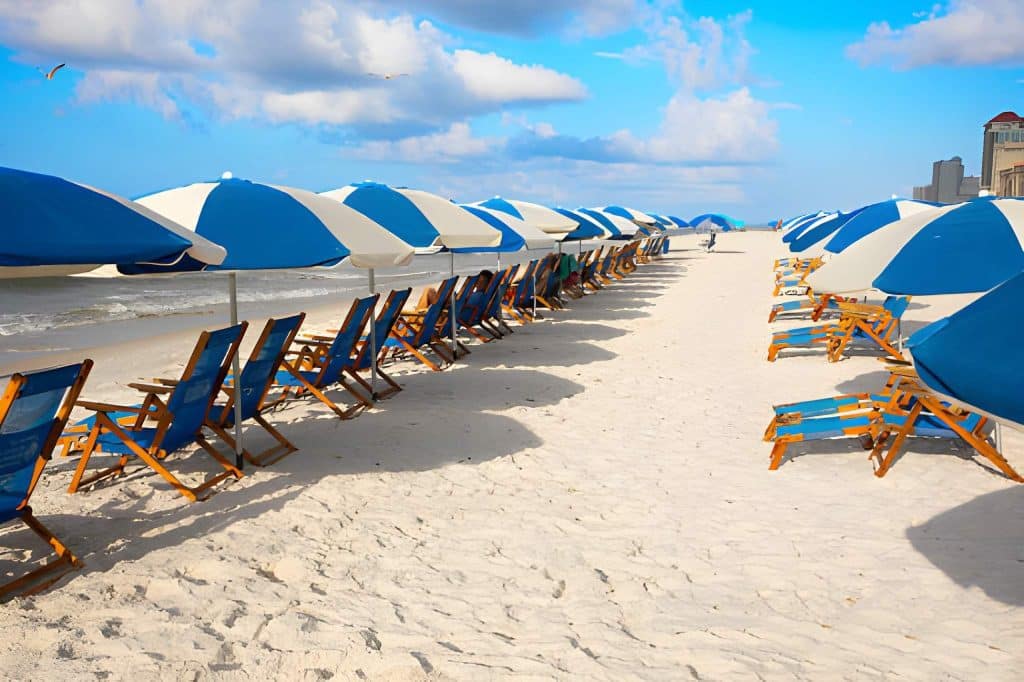
Gulf Shores works because it stays uncomplicated. Wide beaches, public access points, and casual dining keep days flexible and affordable. You can spend hours swimming, walking nature trails, or watching the sunset without paying for structured activities. It’s easy to rent modest accommodations near the water without resort pricing. The best time to visit is Early May or late September, when the water stays warm, and crowds drop off.
Bar Harbor, United States
Bar Harbor feels busiest near the harbor, yet much of the area stays calm once you step onto trails or coastal paths. Acadia’s carriage roads and shoreline walks offer long stretches of quiet, especially early or late in the day. Meals stay affordable if you eat outside peak hours, and nature handles most of the entertainment. The best time to visit is late May or early October for cooler air and lighter traffic.
Bratislava, Slovakia
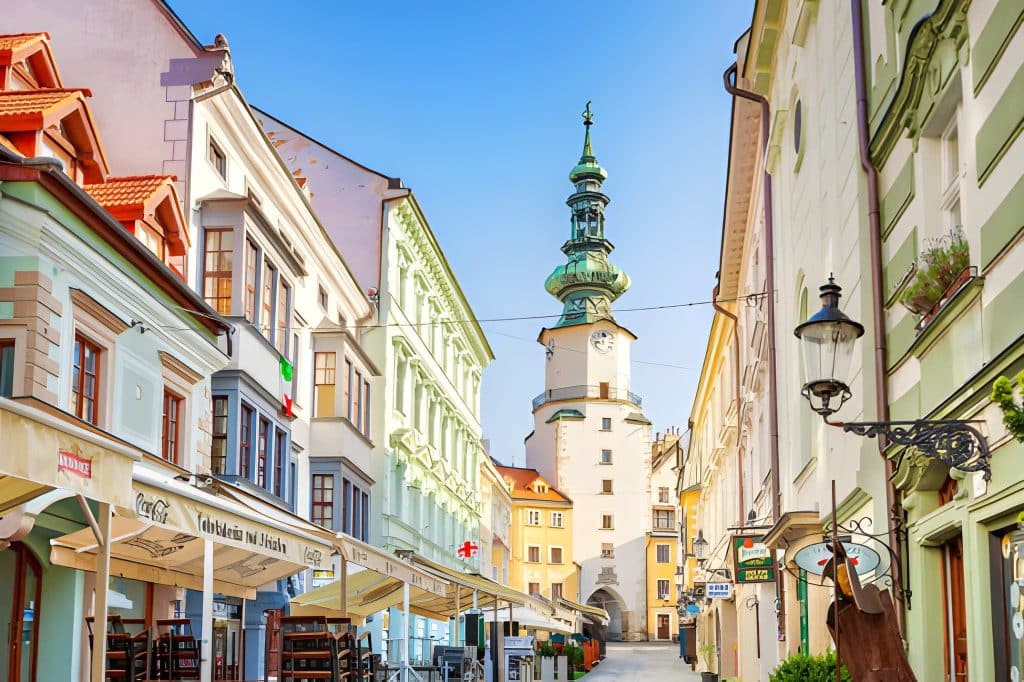
Bratislava remains overlooked thanks to nearby capitals, which keeps prices reasonable. The old town is compact, easy to walk, and full of small cafés and bakeries that reward lingering. River paths and hilltop viewpoints offer space to slow down, while public transport makes exploring nearby areas simple and inexpensive. The best time to visit is April or October, when the city feels active but never rushed.
Madeira Island, Portugal
Madeira spreads visitors across mountains, cliffs, and coastal paths instead of funneling them into one center. Levada walks, and ocean viewpoints fill days without entry fees, and many accommodations include kitchens that help control food costs.
Staying outside the capital often means quieter evenings and better value. The best time to visit is April to May, when the weather stays mild, and travel demand remains moderate.
Malta
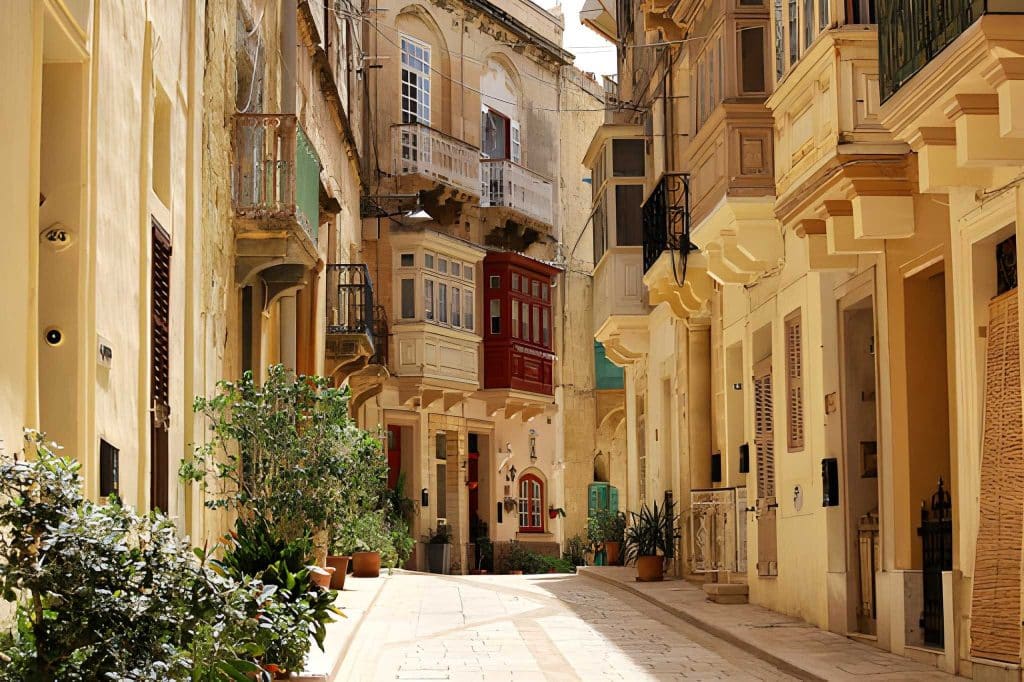
Malta rewards travelers who enjoy wandering. Compact cities, public transport, and free coastal access keep daily costs predictable. Ancient streets and seaside paths invite exploration without tickets, and swimming spots dot the coastline.
It’s easy to combine history and beach time without moving bases or overspending. The best time to visit is March or November, when temperatures stay comfortable, and crowds stay thin.
Bangkok, Thailand
Bangkok stays affordable if you move with the city instead of against it. Efficient transit, street food, and large public parks balance busy neighborhoods with breathing room. Temples, markets, and river walks provide variety without high fees, and staying near transit lines saves both time and money.
The best time to visit is late January through early March, after peak travel slows and before the hottest months arrive.
Coron, Philippines
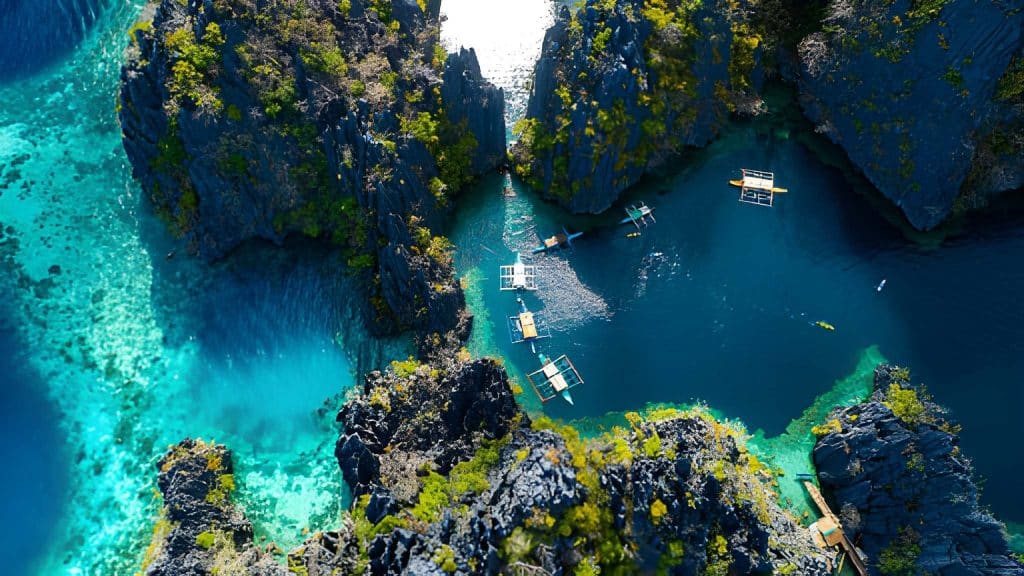
Coron thrives on shared experiences rather than constant upgrades. Island-hopping tours spread costs, beaches stay open, and simple meals keep budgets steady. The pace encourages staying put, which often saves more than hopping between islands.
Nature fills the days without needing schedules or reservations. The best time to visit is February through early May, when the seas stay calm, and visibility remains clear.
Affordable travel lasts longer when a place doesn’t demand constant spending or patience. These destinations stay rewarding because they let you choose your own rhythm, spend when it matters, and skip the parts that usually drain both time and money.
How To Keep These Trips Affordable All Year
Cheap destinations only stay cheap if you travel with intention. The place matters, but your habits matter more.
Separate Flights From Lodging Decisions
Start by separating airfare decisions from lodging decisions. Book flights first when prices dip, even if you haven’t locked in accommodations yet. Airfare fluctuates faster and disappears more quickly. Rooms are usually easier to replace.
Travel Lighter Than You Think
Travel lighter than you think you need. Carry-on travel avoids bag fees, speeds up airport time, and gives you flexibility if you switch flights or routes. In many of these destinations, laundry services are common and inexpensive, so packing less usually costs less.
Stay Just Outside The Tourist Core
Stay slightly outside the postcard center. A short bus, tram, or rideshare from the main tourist zone often cuts lodging prices in half without sacrificing access. This works especially well in walkable cities and coastal towns where transport is straightforward.
Eat Where Locals Actually Eat
Eat where locals eat, not where menus are translated into six languages. Lunch specials, bakeries, food halls, and neighborhood cafés deliver better meals at lower prices than places built for visitors. One solid local meal a day keeps food costs grounded.
Book Experiences On The Ground
Book experiences on the ground, not months ahead. Tours, rentals, and excursions often cost less when booked locally, especially in shoulder seasons. It also lets you adjust based on weather, energy, and what actually looks worth your time.
Protect Flexibility Above Everything Else
Finally, stay flexible with timing. Shifting a trip by a week, flying midweek, or avoiding school holiday windows often matters more than the destination itself. Flexibility is still the strongest money-saving tool travelers have.
Do those things consistently, and these places stay affordable long after everyone else decides they’ve gotten “too popular.”
Slow Trips Stay Cheap When You Travel On Purpose
Most destinations only stay affordable if you avoid rushing through them the way everyone else does. Inside The Miles Academy, travelers share real examples of how to choose places, timing, and neighborhoods that stretch trips without turning them into budget exercises.
When you’re lining up flights and want to compare dates, nearby airports, and routing options quickly without overthinking, this card finder tool helps narrow decisions once a good fare shows up.