
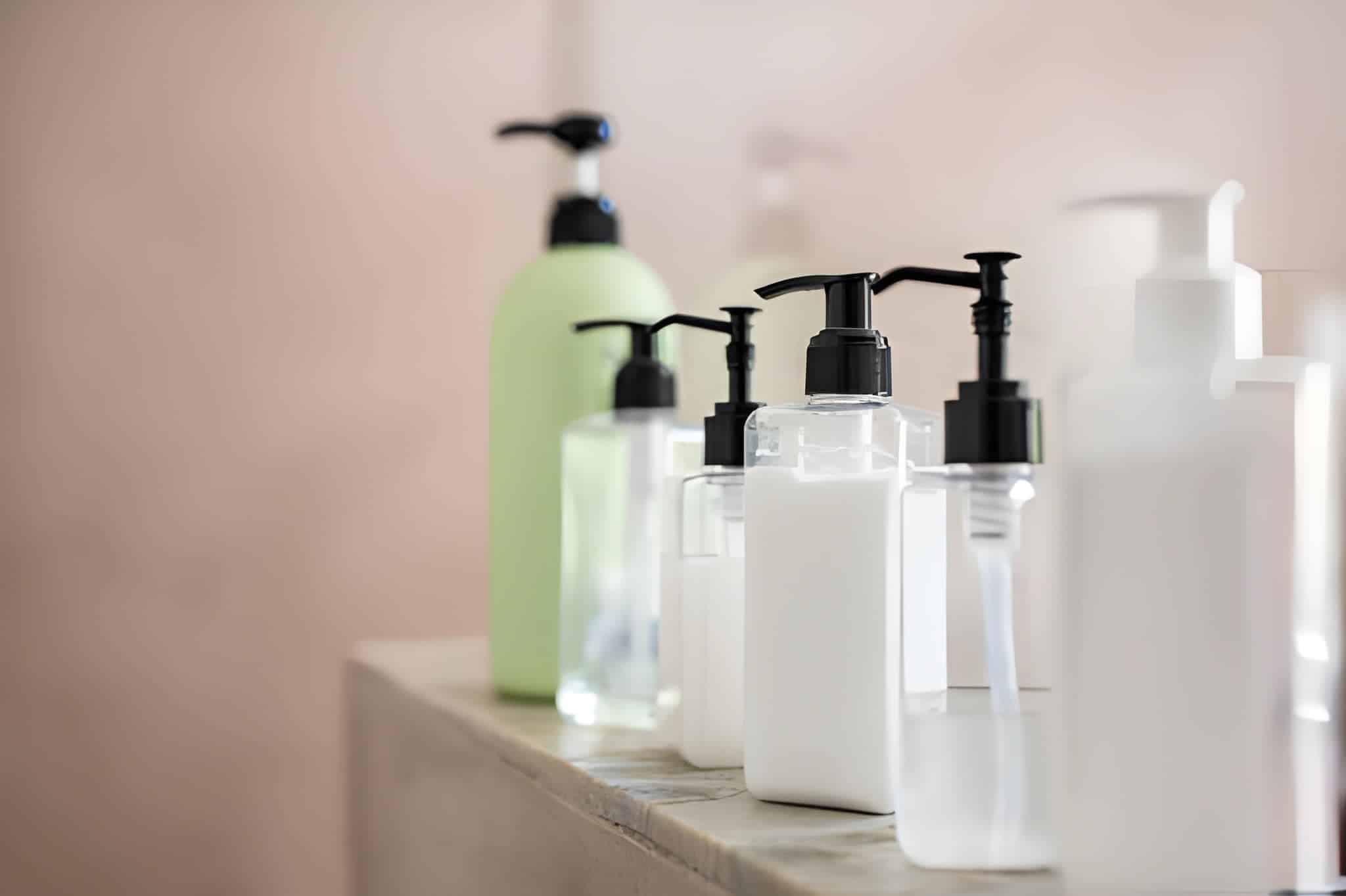
Hotel bathrooms have changed quietly over the past decade. The tiny bottles lined up on the sink are mostly gone. In their place, you’ll usually find large refillable dispensers mounted to the wall, each one neatly labeled with a polished brand name and a promise of something nicer than generic soap.
That label is part of what you’re paying for. It signals care, quality, and a certain level of consistency. The problem is that the label doesn’t always tell the whole story.
After years of staying in hotels across different price points, regions, and chains, a pattern has started to stand out. In some properties, the product listed on the bottle isn’t what’s inside it. And once you start paying attention, it’s hard not to notice how often this can happen.
Refillable Bottles Changed The Trust Equation
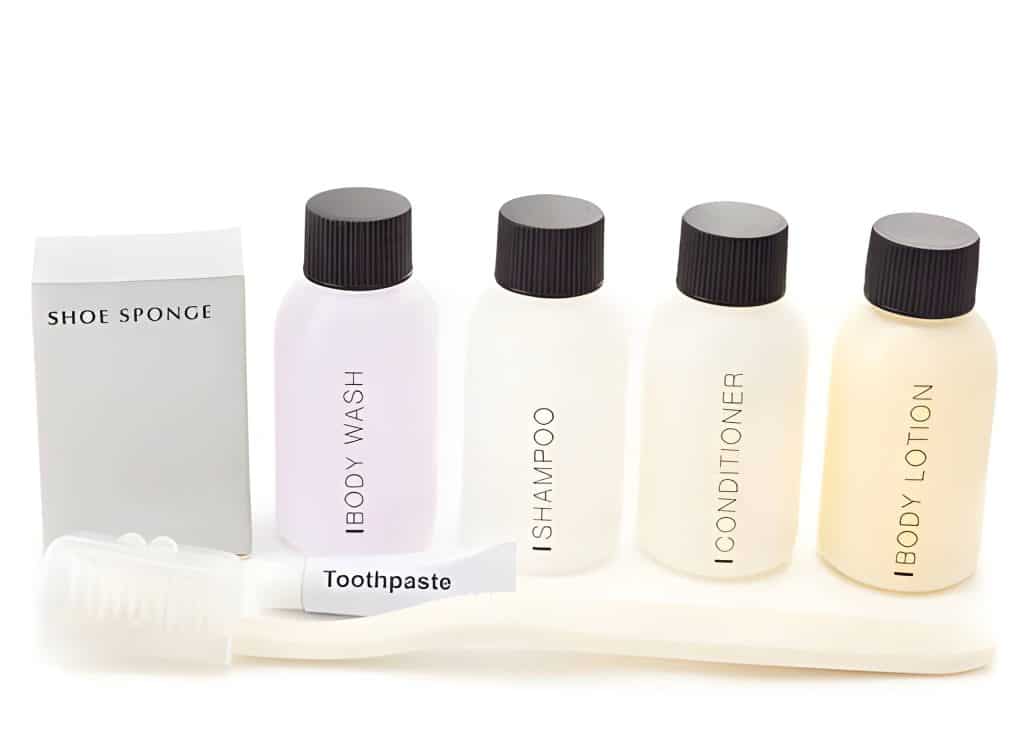
The move away from single-use bottles was framed as progress. Less plastic waste. Fewer tiny containers are thrown away each day. Lower shipping and storage costs. All of that checks out.
What changed with refillable systems is verification. When toiletries came sealed in individual bottles, guests could see exactly what they were using. The label, ingredients, scent, and texture were all fixed. You either got what was promised or you didn’t.
Refillable containers remove that certainty. Once a bottle can be opened from the top or back, guests have no way to confirm what was poured inside. Everything depends on trust and internal controls.
Why Hotels Still Advertise Specific Toiletry Partners?
Many hotels continue to highlight a particular toiletry partner on their websites and booking pages. That’s not accidental. These partnerships are marketing tools.
The hotel benefits from an upscale association. The supplier benefits from exposure to thousands of travelers who might later buy the product for home use. It’s a straightforward exchange that works when both sides follow through. The trouble starts when the branding stays, but the product changes.
How Substitutions Happen Without Much Resistance
Once refillable bottles are installed, substitutions become easy. Bulk soap is cheaper. Supply contracts fluctuate. Housekeeping teams are under pressure to move quickly and keep costs down.
From a distance, one clear liquid looks like another. Most guests won’t smell the difference right away. Fewer still will complain. That combination creates a low-risk shortcut. Swap the contents, keep the label, and hope no one notices.
Why Most Guests Never Catch It
Travel is tiring. After a long flight or a late arrival, few people analyze shampoo. You shower, sleep, and move on. Even travelers who recognize a scent difference often shrug it off. Maybe the formula changed. Maybe it’s not worth mentioning. That silence keeps the practice invisible. A mismatch that might upset guests in theory rarely leads to action in practice.
The Role Housekeeping Carts Play In All This
If you’ve ever walked past a housekeeping cart in a hotel hallway, you’ve probably seen refill jugs sitting on the lower shelves. Sometimes they’re clearly labeled. Sometimes they’re plain containers with no markings at all.
Unmarked jugs don’t prove anything on their own. They do highlight how little visibility there is once products move behind the scenes. When refills aren’t clearly labeled, it becomes harder to ensure consistency room to room, let alone property-wide.
Over time, standards can slip without anyone formally deciding to break them.
Why This Isn’t About Luxury or Entitlement
This issue isn’t about demanding premium products. Plenty of hotels offer simple, no-frills toiletries, and that’s perfectly fine when it’s presented honestly.
The concern is accuracy. If a hotel markets a specific product as part of the stay, that representation matters. Guests make booking decisions based on small details, especially when choosing between similar properties. Mislabeling, even at a small scale, erodes confidence.
How This Affects Supplier Relationships
Toiletry suppliers don’t just provide soap. They provide brand value. Their products are meant to be used, experienced, and recognized.
When a hotel fills branded containers with a different product, the supplier loses exposure while still lending its name to the experience. That undermines the entire point of the partnership.
Over time, this leads to tighter contracts, stricter oversight, or higher costs passed back to hotels. None of that improves the guest experience.
Why The Practice May Be Spreading
Cost pressure in hospitality is constant. Labor costs rise. Supply chains fluctuate. Owners push managers to protect margins wherever possible.
Refillable toiletries are one of the easiest places to cut corners quietly. Guests rarely complain. Front desk staff often have no idea what’s happening in housekeeping storage rooms. Corporate oversight is limited.
That combination makes this an attractive shortcut, even for properties that otherwise operate well.
Subtle Signs Guests Sometimes Notice
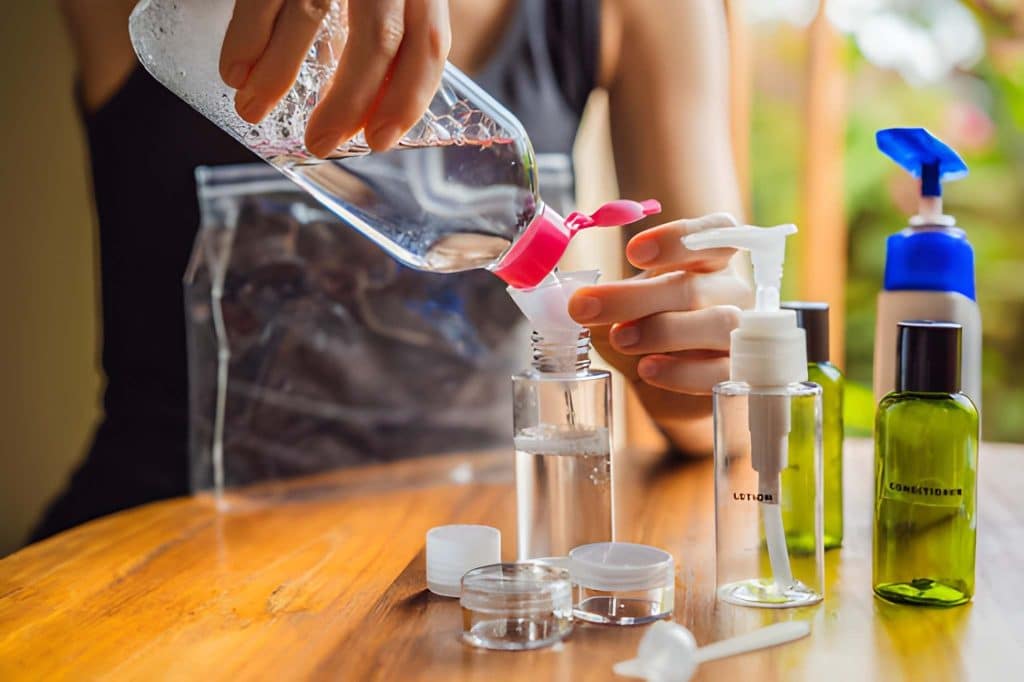
Here are a few subtle signs guests sometimes notice.
Inconsistent scent across rooms
At the same property, one room smells different from another, even though the bottles look identical. That inconsistency stands out when a brand claims uniformity.
Product performance that doesn’t match the packaging
The dispenser looks premium, but the liquid inside feels thin, weak, or cheap. Texture, lather, and longevity are hard to fake.
Noticeable differences between stays
A bottle labeled as the same product behaves differently from one visit to the next. Guests remember when yesterday’s experience felt better than today’s.
Small inconsistencies that add up
None of these alone proves anything, but together they hint at a gap between promise and delivery. It’s often the pattern, not the single detail, that raises quiet questions.
Why Refillable Systems Removed Guest Safeguards
Sealed bottles offered a basic form of accountability. Once opened, you knew what you had. Refillable systems rely entirely on internal honesty. Guests are expected to trust that what’s on the label matches what’s inside. Trust works when it’s earned and maintained. When it’s taken for granted, it fades quickly.
Environmental Progress Without Transparency Misses The Point
Reducing waste is a good goal. Refillable systems can achieve that without misleading guests. Clear labeling, honest descriptions, and consistent sourcing are not incompatible with sustainability. In fact, transparency strengthens environmental efforts by keeping guests on board. When hotels use sustainability as cover for quiet substitutions, they undermine both trust and the original goal.
Why Guests Rarely Escalate The Issue
Even when guests suspect a mismatch, escalation feels awkward. It’s not something most people want to argue about at the front desk.
Staff members usually aren’t empowered to fix it. Managers may deflect or promise to look into it later. By checkout time, the moment has passed.
What Honest Alternatives Look Like
The fix isn’t complicated. If a hotel wants to use generic toiletries, say so. Many guests won’t mind. Clear communication sets expectations and avoids disappointment.
If a hotel promotes a specific product, use it consistently. Audit refills. Label bulk containers. Hold teams accountable. Either approach works. Mixing them does not.
Long-Term Risks Hotels Often Underestimate
Short-term savings can have long-term consequences. Once guests start questioning small details, they start questioning larger ones.
- Was the room cleaned thoroughly?
- Are other amenities downgraded quietly?
- Is the property cutting corners elsewhere?
Trust is cumulative. It builds slowly and breaks quickly.
How Travelers Can Protect Their Expectations
You don’t need to confront staff or document every bottle. Awareness alone changes how you interpret the experience.
If toiletries matter to you, note whether properties consistently deliver what they advertise. Over time, patterns emerge.
Choose hotels that align with your preferences and values, whether that’s transparency, simplicity, or premium details done properly.
Why This Detail Still Matters
Travel already involves compromises. Delays happen. Rooms vary. Plans change. Clear, honest communication helps balance that uncertainty. When even basic amenities feel misrepresented, it chips away at confidence in the entire stay.
Offering simple products is fine. Offering something else while claiming it’s premium is not. Small details shape how guests remember a hotel. And once trust slips, it’s hard to regain.
Notice The Small Details That Signal How A Hotel Really Operates
Refillable toiletries are a small example of a bigger pattern. The best travel experiences come from understanding how systems actually work, not how they’re marketed. Inside The Miles Academy, travelers compare these quiet signals so expectations stay realistic and decisions get easier before booking.
And when you’re setting up the practical side of travel spending and bookings, this simple card finder tool helps narrow options quickly without adding friction.