
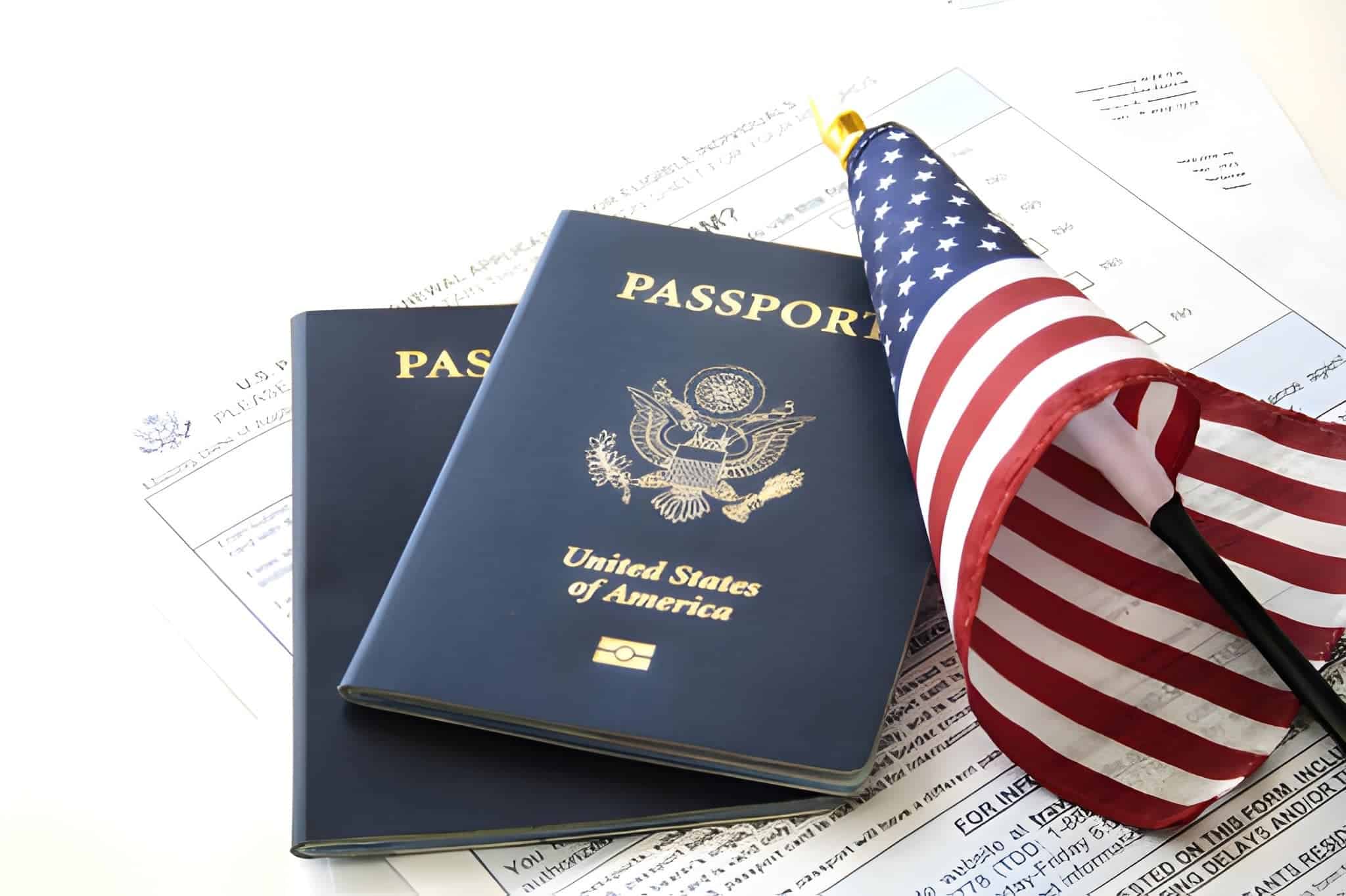
The strength of a passport shows up at the airport, not on a list. It decides whether you can book a flight tonight, whether a spontaneous work trip is possible, and how much paperwork sits between you and the gate. After slipping out of the top tier for the first time in decades, the US passport has moved back into the global top 10. That shift has practical meaning for how you travel.
What Passport Strength Actually Controls
A powerful passport reduces friction. Fewer visa forms. Fewer consulate visits. Less planning is built around government timelines instead of your own.
Most rankings measure one thing only: how many destinations you can enter without securing a visa in advance. That includes tourism and short business visits, not long stays or employment. Still, the difference between visa-free entry and advance approval shapes almost every trip decision.
When access widens, travel becomes lighter. When it shrinks, even simple trips feel heavy.
Where The US Stands Right Now
In the most recent update of the Henley Passport Index, the US climbed back into tenth place worldwide. That move followed a brief drop that broke a long streak of top-tier placement.
Today, US passport holders can enter roughly 179 destinations without arranging a visa beforehand. That covers close to four-fifths of the places people commonly travel.
The US last held the number one position more than a decade ago. The global landscape has changed since then, and other passports have gained ground faster.
Why The Ranking Shifted Upward
Passport rankings move because governments change rules, not because travelers change habits. Several countries recently removed visa requirements for Americans, reopening doors that had been closed or restricted.
At the same time, some destinations moved in the opposite direction. One major country reinstated visa requirements for US travelers after years of open access, citing reciprocity. Other nations expanded visa-free entry for select passports, but left the US out.
The net effect still favored Americans. Enough access was restored to push the US back into the top tier.
Why Reciprocity Drives These Changes
Reciprocity has become the dominant force behind visa policy. Countries increasingly mirror how their citizens are treated abroad.
If a passport holder needs a visa to enter one country, that country may respond by imposing the same rule in return. This back-and-forth explains why access can change quickly even when tourism demand stays strong.
The US allows visa-free entry to a limited group of countries. When that list does not expand, some nations adjust their own policies in response.
How This Affects Day-To-Day Travel
A top-10 passport does not guarantee smooth travel, but it increases flexibility.
You can plan shorter trips with less lead time. You can pivot routes when flights change. You can consider secondary destinations without first checking embassy websites.
For travelers who book with flexible tickets or miles, broader visa-free access also increases usable award space. Nonstop routes and simple connections matter more when entry rules are light.
The Difference Between Access And Experience
Visa-free entry does not mean effortless entry.
Length-of-stay limits still apply. Proof of onward travel is often required. Some countries allow entry without a visa but require electronic authorizations or arrival fees.
Border officers still make final decisions. Passport power opens the door, but preparation still matters.
Understanding entry rules remains part of smart travel, especially for longer trips or multi-country itineraries.
Who Leads The Rankings Now
At the very top, one Asian passport currently offers visa-free access to more destinations than any other. Close behind are several East Asian and European countries clustered tightly together.
These passports share two traits. They maintain broad reciprocal agreements and rarely lose access once granted. Their governments treat visa policy as a long-term strategy rather than a reactive tool.
The US sits just behind that group, strong but no longer dominant.
Why Rankings Change Faster Than They Used To
Passport strength once shifted slowly. That era is gone.
Governments now adjust entry rules frequently due to diplomacy, security concerns, and economic goals. Digital screening systems make it easier to manage arrivals without traditional visas, which leads to more experimentation.
As a result, rankings can swing year to year. A passport’s position today reflects current policy, not a permanent status.
What This Means For Future Travel Planning
For now, the US passport’s return to the top 10 restores stability. It signals that access is expanding rather than shrinking.
That matters most for travelers who value flexibility. Short-notice trips become easier. Backup plans become viable. Routes through less obvious gateways make more sense.
It does not mean Americans can ignore visa rules, but it does mean fewer trips are blocked before planning even starts.
Could The US Climb Higher Again?
Moving further up the rankings would require new visa-free agreements or restored reciprocity with countries that tightened access. Those changes depend on diplomacy, not demand.
Other countries continue to push aggressively to improve their rankings, so competition remains intense.
For now, the US passport has regained a solid footing. It may not lead the world, but it once again gives travelers room to move.
Why This Quietly Matters
Passport rankings rarely dominate headlines, yet they shape how travel feels.
They influence whether you book confidently or hesitate. Whether travel feels open or constrained. Whether opportunities fit your timeline or someone else’s.
The US passport’s return to the top tier brings back a level of freedom that had briefly narrowed. For travelers who care about flexibility, that change shows up every time a trip moves from idea to boarding pass.
Travel With Fewer Gatekeepers
Travel freedom isn’t just about where you can go. It’s about how quickly you can say yes when an opportunity shows up. That’s the kind of thinking people sharpen inside The Miles Academy, where travelers focus on flexibility instead of friction.
And when you want your setup to support that flexibility, the Card Finder Tool helps you narrow choices that stay useful across borders and changing plans: