
Cabin noise tests patience faster than tight seats or dry air. A baby crying cuts through engines, headphones, and half-sleep in seconds. Most travelers get stuck reacting to it instead of planning for it. That reaction is what turns an uncomfortable flight into a miserable one.
Crying on planes follows patterns. Once you understand why it happens and when it spikes, you can reduce how much it affects you. The goal is not silence. The goal is staying calm enough to rest, think, and arrive functional.
Why Do Babies Cry More In The Air?
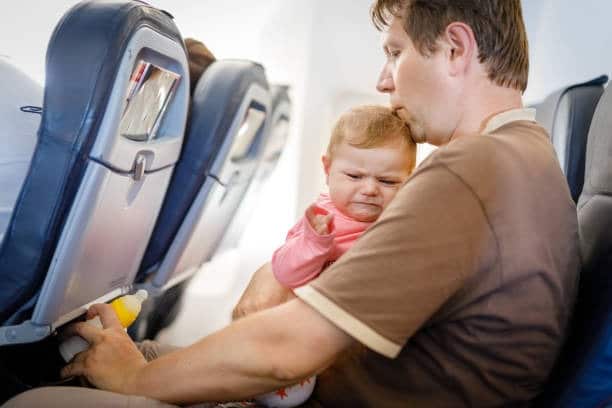
Pressure changes are the biggest trigger. During climb and descent, small ears struggle to equalize. Adults yawn or swallow without thinking. Babies cannot. Discomfort shows up fast, and crying is the only signal they have.
Overstimulation adds fuel. Cabins are loud, bright, and unfamiliar. Add hunger or fatigue and the reaction escalates. None of this is malicious or careless parenting. It is a predictable response to an environment that is tough even for adults.
Understanding this matters because frustration amplifies noise. When your brain treats crying as a threat or injustice, it keeps you alert. When you recognize it as temporary discomfort, the sound loses some of its grip.
Pick Seats With Sound In Mind
Seat choice will not eliminate noise, but it can reduce the worst of it. Random sounds are harder to ignore than steady ones.
Mid-cabin seats tend to be calmer than rows near bathrooms or galleys. Service areas create bursts of chatter, clanging carts, and foot traffic that stack on top of crying.
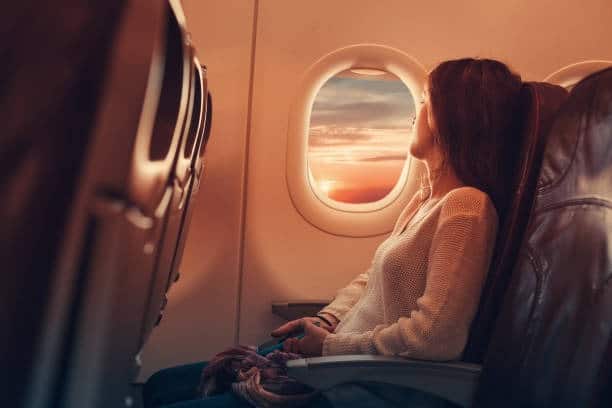
Window seats help more than people expect. One side stays blocked from movement, and leaning against the wall reduces how alert your body remains. Less movement in your peripheral vision makes sound feel softer.
If you are stuck in an aisle, lower the armrest when allowed and use it to stabilize your upper body. Physical stability helps your nervous system relax, which lowers how intrusive noise feels.
Use Sound Layering Instead Of Chasing Silence
Total quiet is not the target. Consistent sound is.
Engines create a steady hum that fades once your brain adapts. Crying breaks through because it is sharp and irregular. The fix is adding a neutral layer that smooths those spikes.
White noise, rainfall, or low instrumental audio works better than music with lyrics. Lyrics pull attention back to the cabin. Neutral sound fills gaps so sudden cries land less harshly.
Headphones that block low frequencies handle engines well but struggle with voices. Pair them with steady audio to cover higher tones. Earbuds can work just as well if they seal properly. Fit matters more than price.
Time Rest Around Cabin Rhythms
Flights have predictable, noisy phases. Boarding is chaotic. Descent is loud. The quietest window usually sits in the middle stretch after meals end and lights dim.
Eat early. Skip the first wave of movies. Settle in once carts stop moving and announcements slow down. Trying to sleep during climb or descent fights biology and cabin activity at the same time.
On overnight routes, short stretches of rest add up. Even light dozing reduces fatigue. Waiting for perfect silence wastes energy you could spend resting.
Build a Compact Noise Kit
You do not need a bag full of gadgets. A few items cover most situations.
- Headphones or earbuds that fit well
- Downloaded white noise or neutral audio
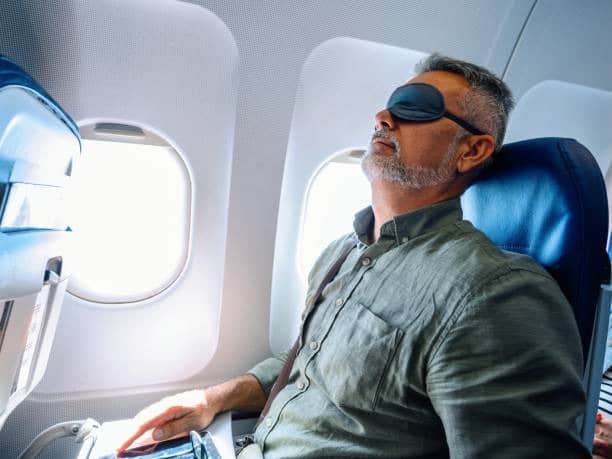
- An eye mask to cut visual stimulation
- A hoodie or scarf to dampen sound around your head
Visual calm reduces how sharp noise feels. Blocking light lowers sensory load, which makes sound easier to tolerate.
Manage Your Own Stress Response
Crying triggers a built-in reaction. Your brain interprets it as something that needs attention. That reflex keeps you awake longer than the sound itself.
A simple mental shift helps. Remind yourself that the episode is temporary. Most crying fades once pressure stabilizes or a baby falls asleep. This does not excuse the noise, but it prevents your body from staying on high alert.
Slow breathing works here. Longer exhales signal safety to your nervous system. When your body settles, sound becomes easier to ignore.
Avoid Habits That Worsen Noise Sensitivity
Alcohol fragments sleep and shortens deeper rest. It also lowers patience. Caffeine keeps your system alert and amplifies irritation. Both make cabin noise feel harsher than it is.
Hydration helps more than most people expect. Dry air increases physical discomfort, which keeps your body tense. A tense body reacts faster to sound.
Comfort matters. Loosen shoes. Keep legs uncrossed. Small circulation issues can keep your nervous system on edge, which makes crying harder to tune out.
Explore today’s best credit card offers for smarter travel planning
Accept Limits Without Giving Up Control
Some flights are loud no matter what you do. Chasing perfect sleep often backfires. Frustration keeps you awake longer than the noise itself.
Aim for rest instead of knockout sleep. Eyes closed, muscles relaxed, breathing slow. That still counts as recovery.
Preparation changes everything. Travelers who handle crying babies best are not lucky. They plan for sound, understand cabin patterns, and manage their reactions instead of fighting the environment.
Crying babies are part of flying. Knowing how to deal with them turns a draining flight into a manageable one, and that difference shows the moment you land.
Fly Calmer When The Cabin Isn’t
Handling noise is a skill, not luck. Inside The Miles Academy on Skool, travelers trade what actually helped them stay calm and rested on loud flights, from seat strategy to sound setups that work in real cabins.
When you’re dialing in the rest of your travel setup, the card finder tool helps you narrow options that fit how you fly, without adding more decisions.