
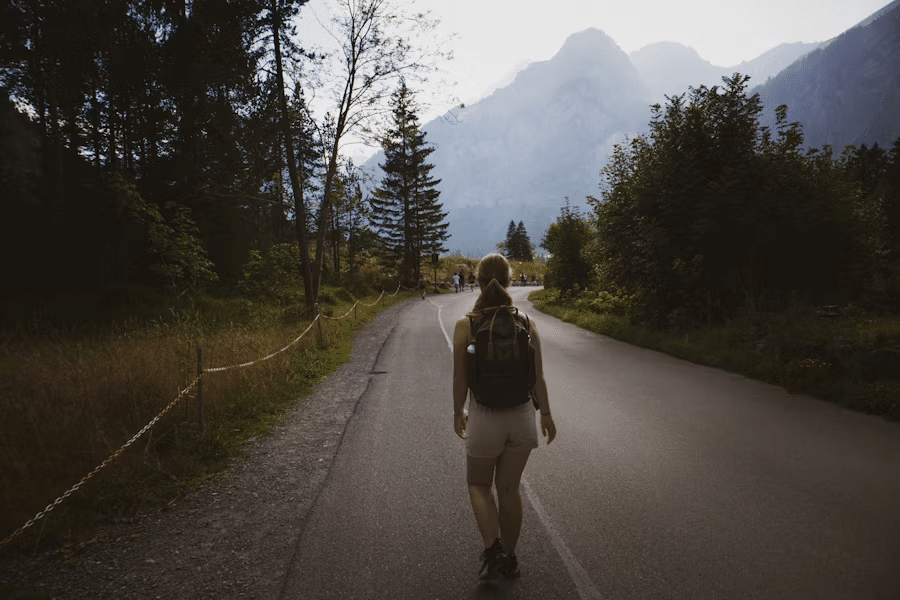
Solo travel hits differently when the setting doesn’t compete for your attention. No crowds pushing you forward. No checklist mentality. Just places where walking, sitting, and thinking feel like enough.
After decades of traveling alone, one pattern keeps proving itself. The trips that stay with you aren’t the loud ones. They’re the quiet ones, where the environment does half the work, and you don’t need to fill every hour. The destinations below share that trait. They give you space, not spectacle, and they reward patience more than planning.
Guadalupe Mountains Give Silence Room To Stretch
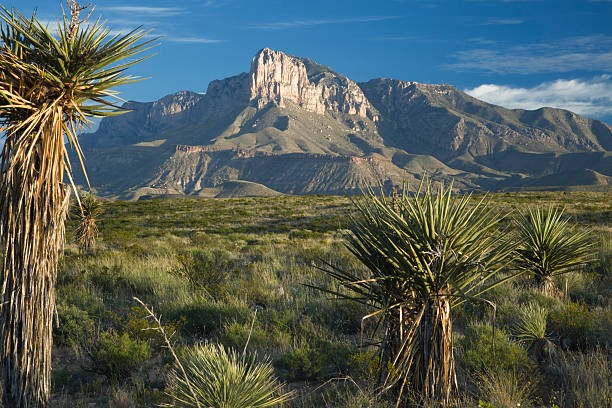
Far west Texas doesn’t advertise itself loudly, and that’s the appeal. The Guadalupe Mountains rise abruptly from desert flats, creating long views, wide skies, and trails that feel untouched most days of the year.
This park stays quiet because it requires a little effort. No lodges inside the boundaries. Limited services. Trailheads are spread far apart. Those small barriers keep numbers down and preserve the calm.
Hiking here feels personal. McKittrick Canyon outside peak foliage season becomes a long, steady walk beside a creek where pauses feel natural. The Smith Spring Loop offers shade and a quiet payoff that encourages sitting longer than planned. Out at the Salt Basin Dunes, sound drops away almost completely once the wind settles.
Staying nearby works best when you choose simplicity. Camping keeps you closest to the quiet, but nearby towns like Van Horn or Carlsbad make solid bases if you want walls and a hot shower without giving up early starts.
The Sonoma Coast Slows Your Pace Without Trying
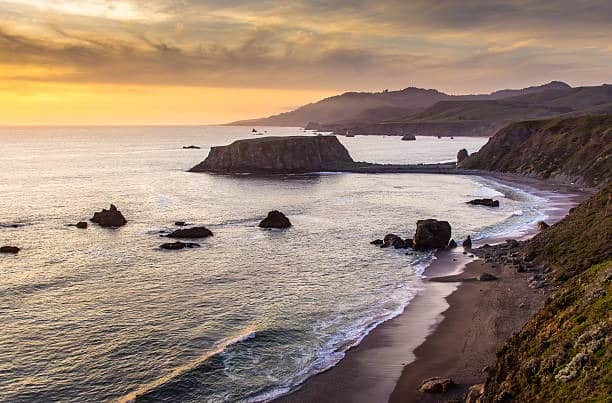
This stretch of Northern California doesn’t feel rushed, even when the rest of the state does. Fog drifts instead of rolling in. Trails follow cliffs instead of highways. Redwoods absorb sound so thoroughly that walking alone feels natural, not lonely.
The quiet holds because visitors cluster elsewhere. Early mornings and shoulder seasons open up the coastline in a way that feels generous. You can walk bluffside paths north of Jenner with nothing but waves and birds for company. In the redwood groves, time stretches. Phone service fades. Thoughts tend to settle.
Beaches here work best when you arrive early and stay longer than expected. Tide pools and sea stacks reveal themselves slowly, and the longer you linger, the fewer people you notice.
Sleeping close matters. Small inns near the coast or cabins tucked into the trees let you wake up early and step straight into stillness without driving.
Tangier Island Moves At Its Own Speed
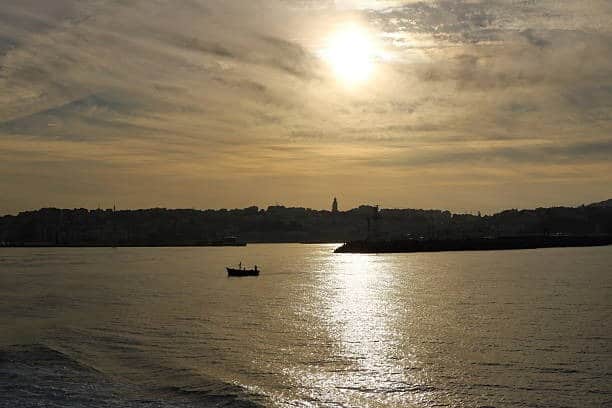
Tangier Island doesn’t rush anyone. It can’t. There’s no bridge, few vehicles, and limited access. Once the ferry leaves, the island quiets down in a way few places manage anymore.
Days unfold simply. Walking lanes between homes replace driving. Evenings bring porch lights and gull calls instead of traffic noise. Off-season visits feel especially personal, with long stretches of shoreline left untouched.
A slow walk toward the island’s southern edge opens up beaches where shell collecting becomes the activity without trying to be. Wandering the interior paths doubles as casual bird watching, with marsh birds appearing often when things stay calm.
Lodging stays small and walkable. Guesthouses and inns keep things close, and once you arrive, logistics mostly disappear.
Olympic National Park Lets You Choose Your Version Of Quiet
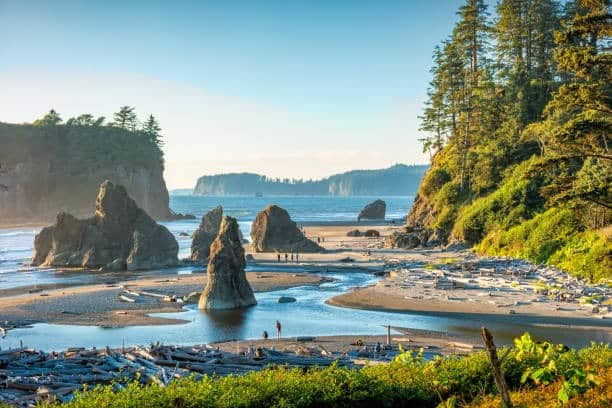
Olympic doesn’t ask you to commit to one landscape. Rainforest, coast, mountains, and lakes sit close together, letting you adjust your surroundings to your mood rather than forcing a plan.
The park’s size spreads people out. Some areas draw crowds, but many trails stay calm, especially early in the day or outside peak summer. In the rainforest, moss dampens sound so completely that footsteps feel softer. Short loops encourage slow walking rather than distance goals.
Lake Crescent’s shoreline offers places to sit near the water and do nothing without feeling out of place. Coastal sections reward patience, especially around low tide, when the beach seems to empty as the day goes on.
Staying inside or just outside the park simplifies everything. Lodges near key areas let you start early, return without rushing, and avoid long drives that pull you out of the moment.
Red River Gorge Rewards Wandering Without Urgency
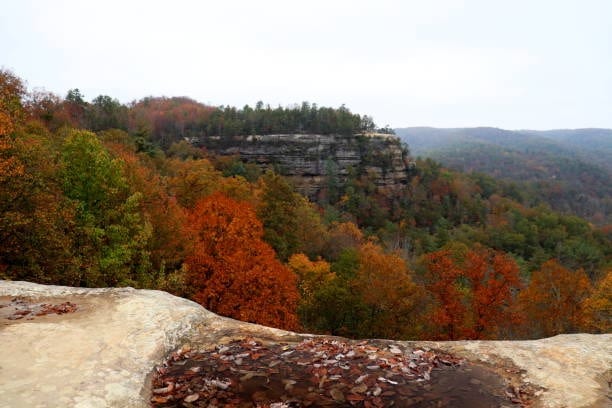
Red River Gorge in eastern Kentucky works well for solo travel because it disperses people. Trails branch constantly. Wilderness protections limit development. Motorized noise stays out.
Walking here feels exploratory rather than directed. Creekside trails wind through shade and water crossings, making natural pauses part of the route. Overlooks reward early starts with light and space. Longer wilderness routes allow hours of movement without interruption.
Evenings tend to be quiet if you choose your base carefully. Cabins and small inns away from main access roads keep nights calm and mornings flexible. Staying close to trailheads helps you avoid crowds without setting an alarm.
Why Quiet Places Suit Solo Travel Better
Solo travel removes compromise. Quiet destinations remove pressure. Together, they create space that lets you notice details you’d miss elsewhere.
These places don’t push you to consume experiences. They invite you to sit, walk, and pay attention. Wind through trees. Water over stone. Light shifting across an hour.
That’s where perspective shows up, often without effort.
If your idea of a good trip includes breathing room and unplanned time, these destinations deliver it naturally.
Choosing Places That Don’t Ask Much From You
Traveling alone works best when the destination carries less weight. Walkable layouts, quiet evenings, and simple days remove the need to plan every hour. You spend less energy managing logistics and more time actually being present.
Inside our free community, people compare places through that lens. Where walking feels natural. Where crowds thin out. Where staying put for a while makes sense. It’s a space for trading calm, low-pressure travel ideas rather than chasing highlights.
If you’re weighing different options and want an easier way to sort what fits your travel style, this simple card finder tool helps narrow choices without noise.