
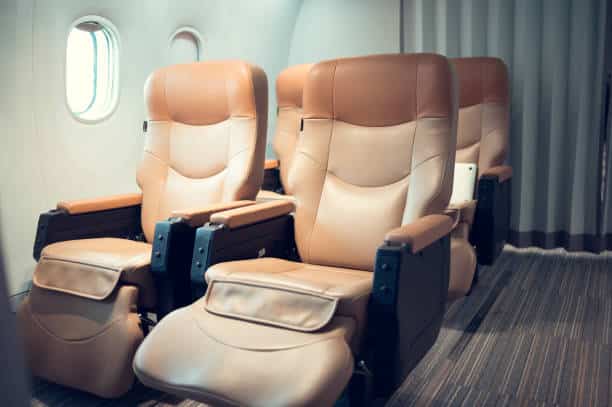
Premium economy exists to solve a specific problem. Standard economy can feel tight and draining, while business class often feels like overkill for the price. Premium economy promises a middle ground that sounds sensible. The challenge is that the value swings wildly depending on the flight, the aircraft, and how you travel.
We’ve flown this cabin across short hops, overnight crossings, crowded holiday routes, and quiet midweek departures. Sometimes it’s an easy yes. Other times, it’s money better kept in your pocket.
What Premium Economy Changes In Practice
Premium economy is about reducing friction, not creating luxury.
You usually get a wider seat, more legroom, deeper recline, and a smaller cabin. Boarding tends to be calmer. Overhead bin space is easier. Service feels less rushed because fewer rows share the same crew.
None of these changes transforms flying. Together, they can make a long flight noticeably easier to tolerate.
Seat Design Matters More Than The Cabin Name

Not all premium economy seats feel the same.
Some aircraft offer seats that are clearly wider with leg rests and deeper recline. Others deliver only modest gains for the economy. The difference shows up in shoulder space, knee clearance, and how easy it is to shift positions during the flight.
Before paying extra, it helps to check:
- Seat pitch and width
- Recline range
- Whether a leg rest or foot bar is included
On certain planes, premium economy feels like a clear upgrade. On others, it’s closer to the economy with better branding.
Distance Changes Everything
Flight length heavily influences value.
On short flights, premium economy improves comfort but rarely changes how you feel on arrival. The extra space is pleasant, not essential.
On longer routes, especially those pushing eight hours or more, the cabin starts to earn its keep. Sitting with more room reduces stiffness, makes meals easier, and helps you manage time onboard more comfortably. Distance amplifies small comfort gains.
Overnight Flights Shift The Decision Fast
Sleep is where premium economy separates itself.
Extra recline, a quieter cabin, and fewer interruptions improve rest. It’s still a seated experience, but the angle and space help more than most people expect.
If you arrive in the morning and need to function the same day, premium economy often becomes worthwhile. If you land late at night or plan to rest immediately, the value drops.
Sleep needs should drive the decision more than seat maps.
Cabin Size Shapes The Experience
Premium economy cabins are smaller, and that matters. Fewer passengers mean less aisle traffic, faster boarding, and calmer service flow. Overhead bins fill more slowly. Crew interactions feel less hurried.
These details don’t show up on booking screens, but they affect how the flight feels hour by hour. For travelers sensitive to noise and movement, cabin size alone can justify the upgrade.
Food And Service Improve, But Subtly
Meal quality improves slightly, not dramatically.
You might see a better presentation, sturdier trays, or an extra course. The larger difference is pacing. With fewer seats to cover, service feels more controlled.
If food quality drives your upgrade decisions, premium economy rarely impresses. If smoother service matters, it often delivers. Expect refinement, not reinvention.
Price Gaps Decide Most Outcomes
Value lives in the price difference, not the label. Premium economy makes sense when it sits close to economy pricing and far from business class pricing. When that gap narrows in either direction, the logic changes.
A practical way to think about it:
- Small premium often makes sense
- Moderate premium requires a long flight
- Large premium usually fails unless rest is critical
Always compare the premium economy price to both economy and business class. Sometimes the middle option is the weakest of the three.
Daytime Flights Feel Different Than Night Flights
Time of day shapes how benefits show up.
On daytime flights, you’re awake. Extra space helps with comfort and productivity, but rest matters less. Premium economy feels like a comfort upgrade, not a necessity.
On overnight flights, rest becomes the main objective. Recline, leg support, and cabin quiet matter far more. Premium economy often performs better here, even when priced higher.
The same seat delivers different value depending on the clock.
Body Type And Travel Habits Matter More Than Reviews
Comfort isn’t universal. Premium economy tends to work well for:
- Taller travelers who need knee clearance
- Broad-shouldered travelers who struggle with narrow seats
- Travelers who work on laptops during the flight
It matters less for:
- Short flights under four hours
- Travelers who sleep easily upright
- Routes with newer, roomier economy seating
Knowing how your body handles long periods of sitting clarifies the decision quickly.
What Premium Economy Does Not Solve
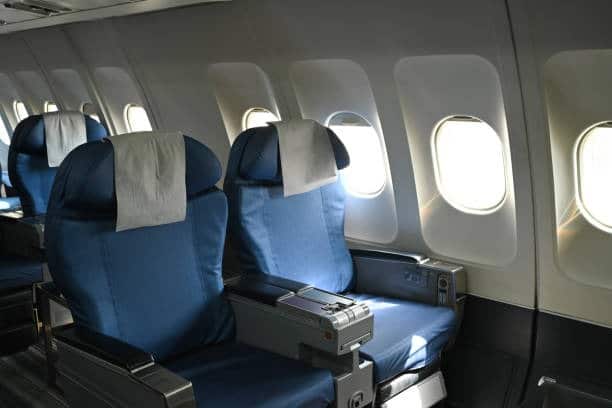
Premium economy has limits. You still sit upright. You still share a cabin. You don’t get lie-flat comfort or lounge access. Expectations matter. This cabin reduces discomfort. It doesn’t remove it. Understanding that boundary prevents disappointment.
When Premium Economy Usually Delivers Value
Certain scenarios consistently favor the upgrade.
- Overnight flights where sleep matters
- Long routes where stiffness builds quickly
- Trips where you arrive and work the same day
- Flights where the price gap stays modest
In these situations, premium economy often feels like a sensible spend.
When It Often Misses The Mark
Other situations weaken the case.
- Short daytime flights
- Aircraft with minimal seat differences
- Premium pricing that creeps toward business class
- Trips where rest timing makes comfort less important
Here, standard economy or a larger upgrade may perform better.
A Simple Comparison That Helps Decide
Looking at features side by side can clarify the choice.
- The economy offers the lowest cost with limited space
- Premium economy adds room, calmer cabins, and better pacing
- Business class focuses on rest and privacy at a higher cost
The best option depends on which problem you’re trying to solve, not which cabin sounds best.
How To Evaluate A Specific Flight
Avoid deciding based on cabin names alone. Check the aircraft layout, seat measurements, and price differences across nearby dates. Small shifts can change the value equation quickly.
Ask yourself what matters most on that specific trip. Space, sleep, quiet, or cost all point to different answers.
The Long View On Premium Economy
Premium economy works best as a selective tool.
When the flight is long, the cabin design is solid, and the price stays reasonable, it delivers steady value. When those factors don’t align, it becomes an awkward middle ground.
The travelers who get the most from premium economy don’t book it automatically. They match the cabin to the trip. Do that consistently, and premium economy becomes a smart option instead of a question mark.
Matching The Cabin To The Trip
Premium economy works when it solves a real problem. Longer flights, overnight timing, and meaningful seat differences are where it helps. Short daytime routes or small seat gains usually don’t justify the extra cost.
Inside our free community, travelers talk through specific flights they’re considering. We look at aircraft layout, timing, and price gaps together so you can see which cabin fits the trip instead of guessing.
If you’re sorting through options and want a simpler way to narrow choices, this card finder tool helps cut through clutter based on how you travel.