
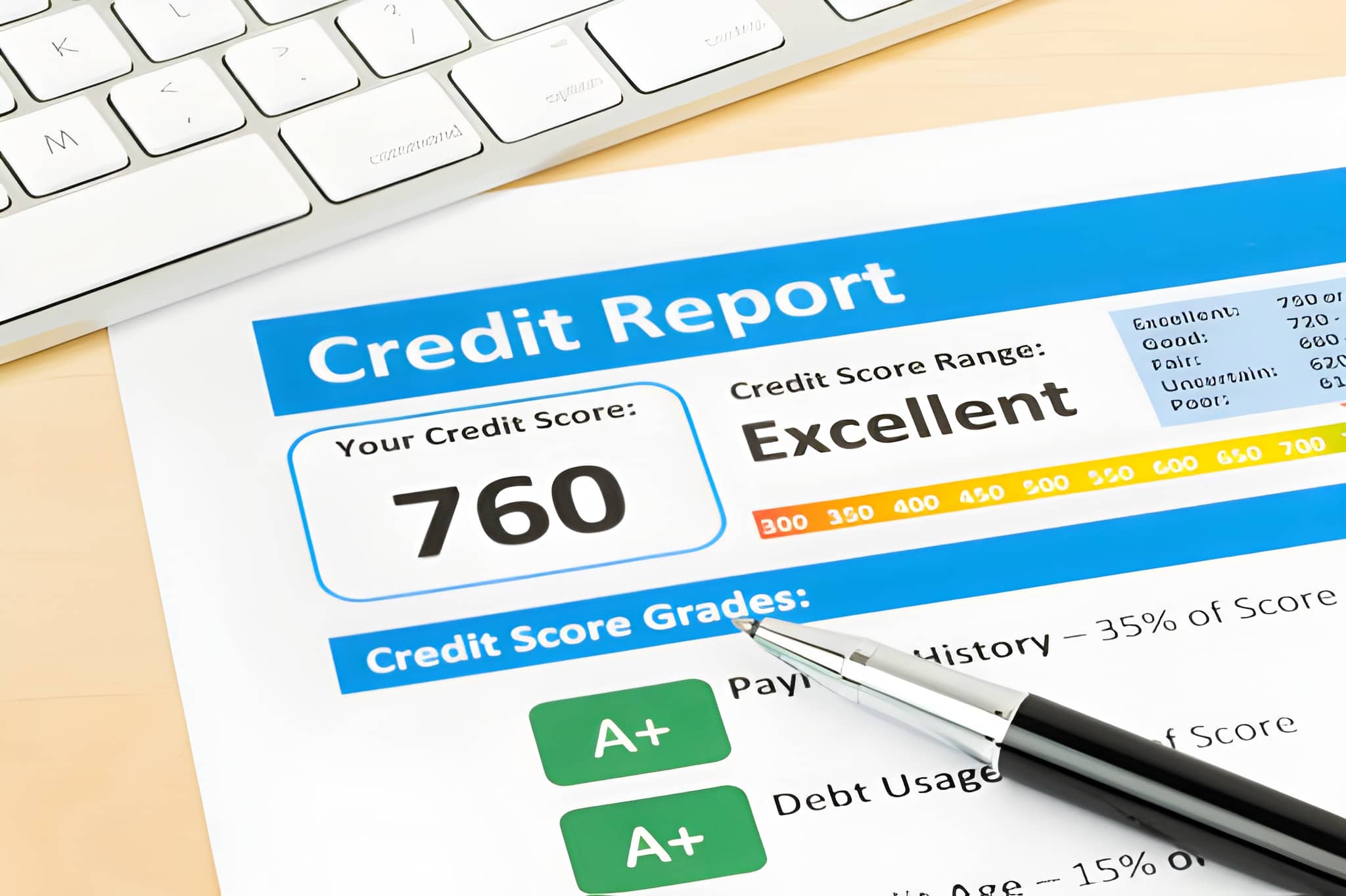
Your credit score is the gatekeeper for two things that matter a lot in 2026. It helps decide whether you get approved, and it helps decide how much you pay for borrowing. When this number is healthy, lenders tend to offer better rates and smaller fees. When it is shaky, the same loan can cost more, and approvals can turn into long, annoying conversations.
For travel, the payoff is straightforward. Strong scores improve your odds of qualifying for top travel rewards cards, which makes it easier to earn points and miles on the spending you already do. We have booked trips with points for decades, and the unglamorous truth is this: the best redemptions in the world do not matter if your approvals get blocked by preventable score problems.
Your 2026 30-Day Action Plan
- Days 1 To 7: Pull all three credit reports, verify every line, and start disputes for anything incorrect.
- Days 8 To 14: Lock in a payment system that cannot miss a due date, even on your worst week.
- Days 15 To 21: Fix utilization by managing statement timing and lowering reported balances.
- Days 22 To 30: Write a debt payoff plan you can follow, then automate the first step.
After day 30, you keep the system running with a short monthly routine that protects your score before you apply for a loan or a travel rewards card.
Week 1: Make Sure Your Reports Tell The Truth
Scores can only reflect what is on your reports. If the report is wrong, your score can be wrong in ways that cost you money.
Errors are common enough to justify this as a first step, not a “maybe later” step. A consumer survey in 2024 reported that a large share of people who reviewed their reports found at least one mistake. Most were not dramatic fraud stories. They were problems like a late payment marked incorrectly, a balance that never updated, or a file mixed with someone else who has a similar name.
Start by pulling reports from all three nationwide reporting companies through the official free-report process. Save a PDF copy of each report the day you pull it. That copy becomes your baseline, and it prevents the common problem where the report changes and you cannot prove what you saw.
Next, read the report like you are verifying a passport before an international trip. Small details matter.
- Personal Information: Names, addresses, and employers should match your history. A strange address can be a hint of a mixed file or identity misuse.
- Account List: Every account should be yours. Anything unfamiliar needs attention immediately.
- Payment Status: Look for late marks, collections, and charge-offs that you do not recognize or that conflict with your records.
- Balances And Limits: Watch for paid-off balances still showing, or limits that look incorrect, because those can inflate utilization.
- Inquiries: Confirm that each hard inquiry was initiated by you.
If you find a mistake, keep your dispute clean and easy to investigate.
Name the exact item. State why it is wrong. State what it should be. Attach copies of supporting documents like statements, receipts, or letters. Keep your tone calm and factual. Disputes that wander or feel emotional tend to get slower results.
Send the dispute to the credit reporting company, then dispute the same item with the company that provided the information if needed. That second step matters because it fixes the source. If only the report changes but the source does not, the error can return later.
If the issue looks like identity theft, do not start with a dispute. Start with defense. Freeze your reports with all three reporting companies so nobody can open new accounts in your name without you lifting the freeze. Then work the cleanup steps in parallel. This order saves you from whack-a-mole problems where new accounts appear while you are still disputing the old ones.
Week 2: Build A Payment System That Cannot Slip

Payment history is the biggest driver in most scoring systems. A single late payment can drop a score quickly, and it can stick around long enough to ruin the timing of a loan application or a new card application.
First, turn on automatic payments for every loan and every card account. If paying the full statement balance every month is comfortable, that is the cleanest setup because it prevents interest while protecting your score. If that is not comfortable yet, set automatic payments to at least cover the minimum due. Then make extra manual payments on top as your budget allows. This protects your payment record while you work down balances.
Second, add a backup that does not rely on memory. Put two reminders in your calendar for each due date, one about a week before and one two days before. The week-ahead reminder is for planning. The two-day reminder is for catching surprises like a due date shift, a new account you forgot to enroll in autopay, or a bank balance that will not cover the scheduled payment.
Third, line up due dates with your cash flow. Many issuers allow you to move a due date. If your income lands on a predictable schedule, choose due dates that hit after payday, not right before it. This single change prevents “late by accident” situations.
Fourth, protect autopay from its most common failure. Autopay fails when the money is not there. Keep a small buffer in the bank account that funds autopay. This is not about saving huge amounts. It is about preventing a bounced payment that triggers fees and still counts as late.
If you have irregular income, use a different approach. Set autopay for the minimum due, then schedule a second payment a few days after your typical income deposits. This splits the risk and keeps you current.
Week 3: Lower Utilization Without Cutting Your Life In Half
Utilization is where most people get confused. They hear “pay in full” and assume that is enough. Paying in full is great. The scoring system also cares about what balance gets reported, and reporting is often tied to statement closing dates.
Every card has a statement closing date. That is the day the issuer takes a snapshot of your balance to create your statement. That snapshot balance is often what gets sent to the reporting companies. The payment due date comes later.
This is why someone can pay every bill in full and still look “high utilization” on paper. If you charge a lot of spending early in the month and the statement closes before you make the payment, the report captures the high balance.
The highest impact fix is a pre-close payment.
If your statement closes on the 20th, make a payment on the 16th or 17th. You are not paying extra. You are paying earlier so the balance that gets reported is smaller.
A clean example shows how powerful this is.
You have a $4,000 limit. During the month you spend $2,000. If your statement closes with a $2,000 balance, the report may show 50% utilization. You pay in full a week later, which is good for your wallet, but the reported percentage still looked high.
Now change only timing. Pay $1,600 before the statement closes. The statement closes near $400. The report may show around 10% utilization. Same spending, same income, a very different signal.
Aiming under 30% is a common baseline. If you want faster improvement, aiming under 10% often helps. You do not need to force utilization to zero. A small balance that reports and gets paid can show healthy activity without making you look stretched.
Also watch utilization per account, not only your total across accounts. One card that looks maxed out can hurt even if your overall percentage is fine. If you tend to put all spending on one card, consider splitting spending across two cards so no single account looks overloaded.
One more detail travelers run into: large, legitimate travel charges can spike a statement balance at the worst time. If you book a family trip and your statement closes the next day, your report may capture that big balance. The fix is the same: pay part of the balance before statement close so the reported number stays calm.
Increase Available Limit With Guardrails

Lower utilization is easier when your total available limit is larger, as long as your spending stays the same. The trap is treating a higher limit as permission to spend more. The score improvement only comes from the percentage.
There are two main ways to increase available limit.
One is requesting a limit increase on an existing account. Sometimes that request uses a soft review, sometimes it triggers a hard inquiry. Read the request screen before submitting so you know which it is.
The other is opening a new card account. This typically adds a hard inquiry and a new account, which can cause a short-term dip. Over time, the new available limit can help.
If you plan to apply for a mortgage or a car loan soon, avoid opening new accounts beforehand. New credit activity can lower your score temporarily and can add extra questions during underwriting.
The math is straightforward.
If your total limit is $5,000 and your typical statement balance is $2,000, you are at 40% utilization.
If your total limit rises to $10,000 and your typical statement balance stays $2,000, you drop to 20% utilization.
Week 4: Turn Debt Into A Plan You Can Follow
Debt hurts scores in two ways. It raises utilization on revolving accounts, and it increases the risk of missed payments when your monthly budget gets tight.
If you are carrying balances, vague intentions will not change your score. A written plan will.
Start by listing every balance, the interest rate, and the minimum payment. Put it all in one place. This instantly shows you which balances cost the most each month.
Then choose one payoff method and commit to it for at least 90 days.
If you want to pay the least interest overall, focus extra payments on the highest interest rate while paying minimums on the rest.
If you want faster psychological momentum, focus extra payments on the smallest balance first while paying minimums on the rest.
Both approaches work when you stay consistent. The wrong approach is the one you quit because it feels too complicated.
Two common traps deserve special attention in 2026.
Promotional low-rate periods end. Put the end date in your calendar and plan the payoff before the rate changes.
Deferred-interest offers can charge back interest if you do not pay the full balance by a deadline. Treat those deadlines like a flight departure time. If you miss it, the cost can jump.
If you struggle to stay consistent, switch from one monthly payment to weekly payments. A smaller payment each week keeps balances lower throughout the month, which can help your reported utilization and makes progress feel less overwhelming.
If your debt load is heavy, contact your issuer and ask about a hardship plan or a temporary rate reduction. These options are not guaranteed, but when they exist they can buy you breathing room so you can pay down principal faster.
Monitoring Protect What You Build

Monitoring rarely boosts a score instantly. It prevents surprises that quietly damage your score for months before you notice.
Set up alerts for new accounts, new inquiries, and late payment marks. Many banks and financial apps offer free alerts, and the key is speed. You want to know about a problem while it is small.
Then add the strongest defense move most people ignore. Keep your reports frozen when you are not actively applying for new credit. Freezes reduce the risk of identity thieves opening new accounts in your name, and they reduce the cleanup work you would otherwise face.
Avoid any service promising instant removals of accurate negative information. If the information is correct and current, it does not disappear because someone charged you a fee. The reliable path is accuracy, time, and consistent payments.
The 90-Day Setup Before A Loan Or A New Travel Rewards Card
If you are planning a mortgage, an auto loan, or a new travel rewards card application, treat the final 90 days as your quiet period.
Keep utilization low by making pre-close payments so smaller balances report.
Avoid opening new accounts unless you have a clear reason and you understand the impact.
Do not close older no-fee cards without thinking it through. Closing can reduce your available limit and raise utilization overnight.
If you recently corrected a major reporting error and you are close to a loan closing date, ask your lender whether they can refresh your credit data. Some lenders can update credit information faster when the documentation is clean and the change is significant.
Why This Works For Our Travel Community
A better score gives you options. It can reduce borrowing costs on big loans and improve approval odds for the travel rewards cards that help you earn points and miles faster.
This system works because it focuses on the levers that scoring models reward. Accurate reports, on-time payments, lower reported balances, shrinking debt, and basic monitoring move scores in a typical life. Keep it steady through 2026 and your score has room to climb when it matters most.
Turn Your Score Gains Into Smarter Applications
If you are putting in the work to raise your score, you should also make sure your next application is worth it. Inside our free TheMilesAcademy community, we swap proven ways to stay on top of statement dates, keep utilization calm, and time applications so you do not accidentally derail a loan or a new rewards card.
When you are ready to apply, use our free Card Finder Tool to narrow down options based on your score range, travel goals, and spending style. That way you are not guessing, and you are not applying blind. Better timing plus a better match is how you turn score progress into approvals and better terms.