
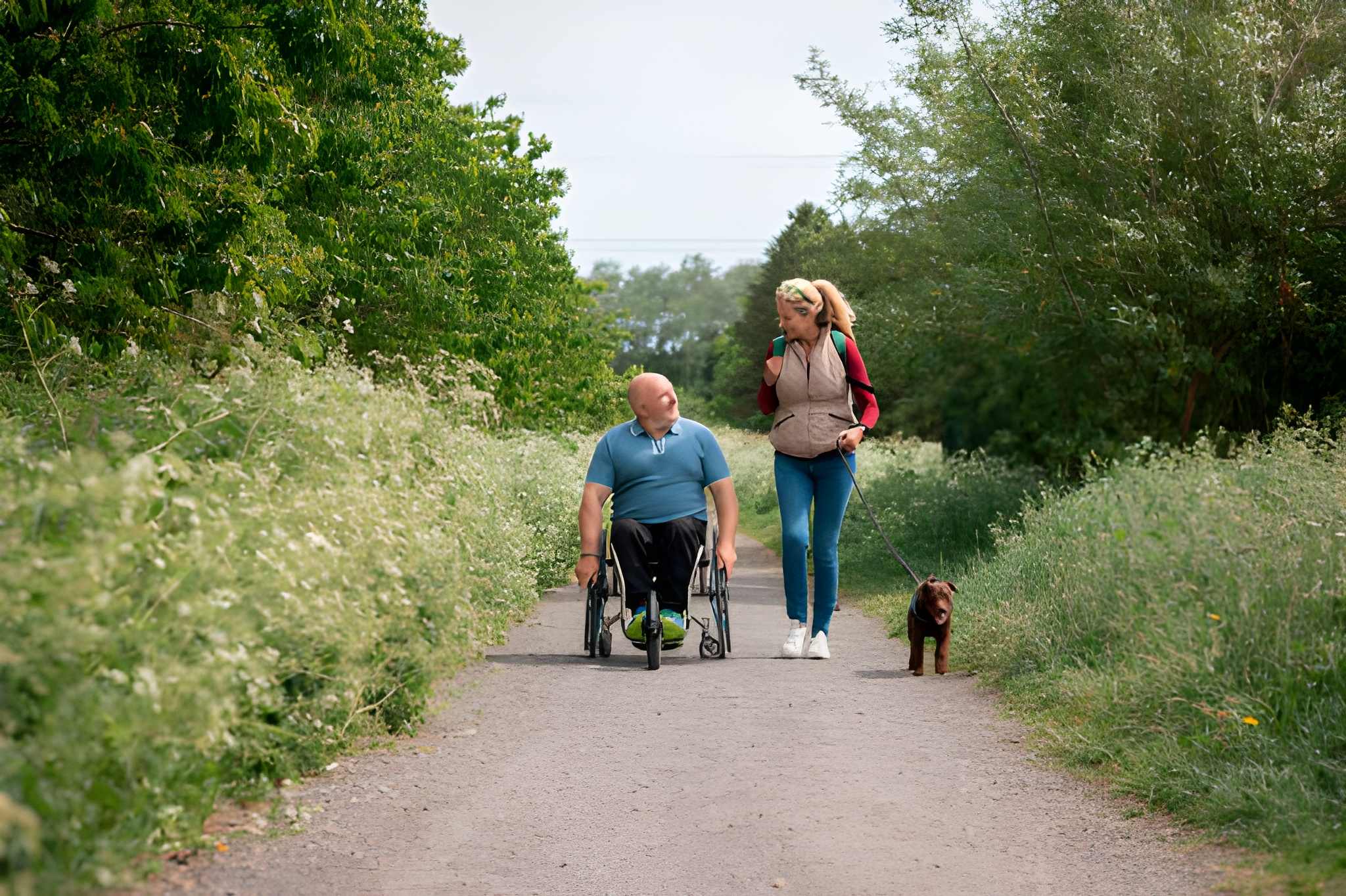
Travel costs add up fast, especially when you are booking for a whole family. If you or someone traveling with you has a disability, you may have access to price breaks that are not always advertised. We have seen everything from free entry to reduced tickets, plus situations where a caregiver gets the same deal or is admitted at no cost.
A Simple Reality Check That Discounts Exist But They Are Not Automatic
Many transportation providers and attractions offer reduced pricing for disabled visitors. Some also extend benefits to a caregiver, companion, or personal support person. The tricky part is that you usually have to request it, and some places require approval in advance.
You can get turned away from a discount for one boring reason: you did not bring the right documentation, or you tried to request it at the last second. That is why preparation matters.
What To Do Before You Book Or Buy Tickets
A little planning often saves you more than chasing a promo code. When you research accessibility and pricing together, you avoid surprises at the entrance and protect your time.
Here is our compact pre-trip checklist:
- Search the accessibility page first. Many sites list companion entry rules there, not on the main ticket page.
- Look for words like “companion,” “caregiver,” “support person,” or “accessibility aide.” That is where discounts often hide.
- Ask about verification timing. Some places approve you instantly, others require a form review.
- Save a screenshot of the policy. Ticket staff rotate, and written policies prevent awkward debates.
- Budget extra time for arrival. Verification or alternative entrances can add a few minutes.
Reduced Fares And Better Seating Can Both Be On Rail And Public Transit
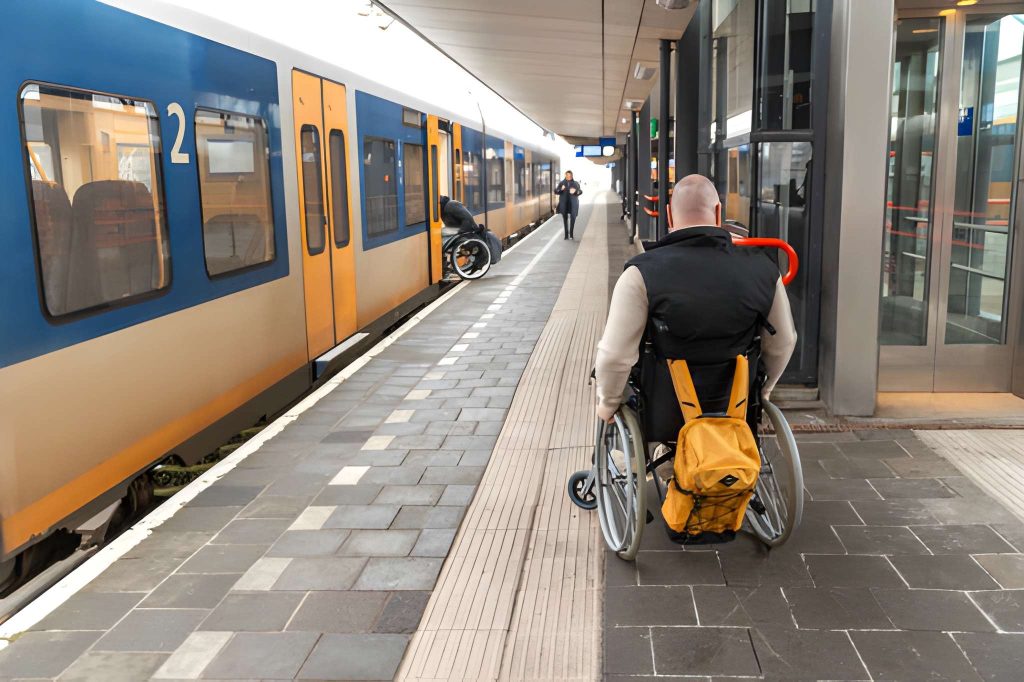
Trains and local transit can be one of the easiest ways to explore a city while keeping travel days calm. Many public transportation systems offer reduced fares for riders with disabilities. Some require a special card or registration process, while others let you present documentation at purchase.
There is another angle that surprises people: the most accessible seating is sometimes located in a higher service section. On certain train layouts, the wheelchair-friendly area may be placed near larger seats, wider aisles, or accessible restrooms that are otherwise sold as a premium cabin. When that happens, you might pay an economy-level price and still sit in a more spacious zone because it is the only accessible option.
Our tip: when you book rail tickets, check the seating map and accessibility notes. If the system lets you select an accessible space, do it early. Those spots can sell out long before the rest of the train.
Companion Entry Is Common At Museums And Indoor Attractions
Cultural attractions often have the clearest discount rules. Many museums provide reduced or free tickets for disabled visitors, and it is also common for a caregiver or companion to receive free entry. Some institutions call this a “care partner” policy, others list it as a “companion ticket.”
If you are visiting multiple museums in one city, these savings can become meaningful. They can also reduce stress because you do not need to choose between cost and support. A companion policy acknowledges that assistance is not optional for many travelers.
Apply Early And Confirm The Rules At Theme Parks And High-Demand Venues
Large entertainment venues sometimes offer a percentage discount for disabled guests. They may also provide a process that helps you access attractions more smoothly, like timed return systems or alternate queues.
The key detail is timing. These venues are more likely to require pre-approval or verification before the day you visit. If you show up without completing the process, you might still get accommodations, but you could miss the discount or lose time sorting it out.
Look For “Aide” Or “Personal Support” At Zoos And Aquariums
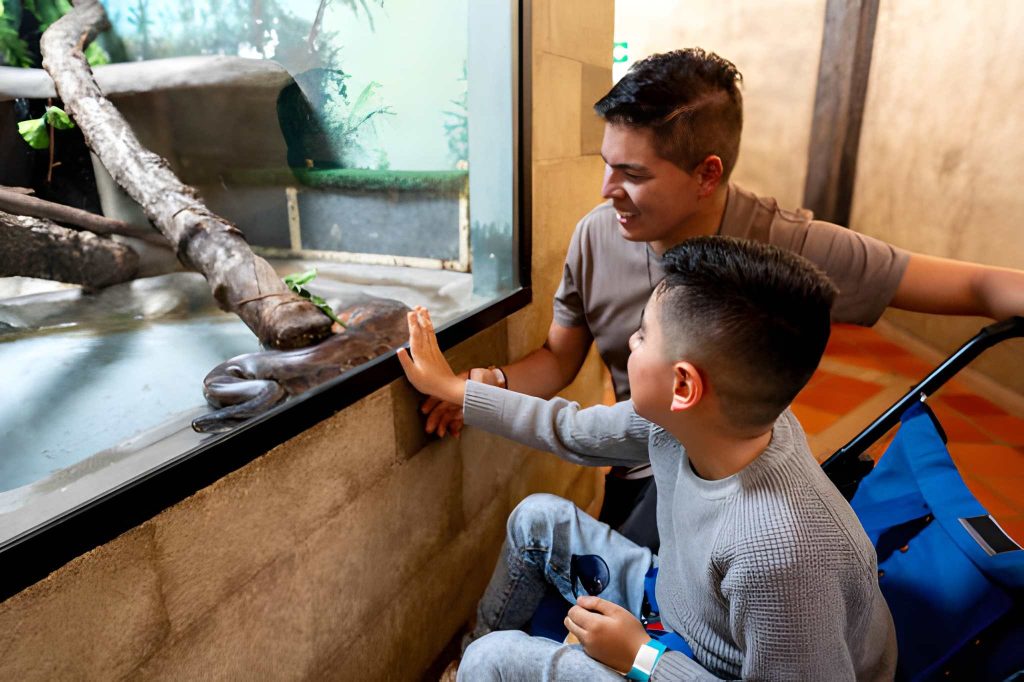
Animal attractions are often generous with companion entry, especially when the visit involves mobility support, communication support, or behavioral assistance. Many zoos and aquariums allow an aide or personal support person to enter at no cost when accompanying a disabled visitor.
Policies vary. Some require the disabled guest to purchase a regular ticket, then the companion ticket is added at the gate. Others let you reserve both in advance through accessibility services.
Because these venues can be outdoors and spread out, it is also worth asking about:
- wheelchair rentals or accessible route maps
- quiet areas for breaks
- sensory-friendly programs on specific days
These are not discounts, but they can dramatically improve the experience.
Outdoor Travel Savings Are Often Available In National Parks And Public Lands
If you are traveling in the United States, there is a well-known access pass for public lands that can provide free entry to many national parks and federal recreation sites for eligible citizens and permanent residents with a permanent disability that substantially limits major life activities. You can often obtain it online or at participating park sites.
In some locations, that pass can also reduce fees for certain amenities like camping or other services. Rules vary by location, so treat it as a strong starting point, not a blanket promise.
Our approach is to check the specific park’s fees page and then call the visitor center if the policy is not clear. Frontline staff usually know how it works at that specific site.
Discount Passes Exist But Eligibility Differs In State Parks And Local Recreation Areas
Many states offer their own discount programs for state parks, historic sites, and recreation facilities. These may include reduced vehicle day-use fees, lower camping costs, or discounts on boat launches and similar fees.
State programs can be more complicated than federal sites because each state sets its own rules. You might need proof of residency, a disability-related certification, or an application submitted before you arrive.
If you travel across multiple states, do not assume one pass transfers. Treat each state like its own system and verify before you plan your days.
Your Placard May Unlock Free Or Reduced Meter Fees With Public Parking
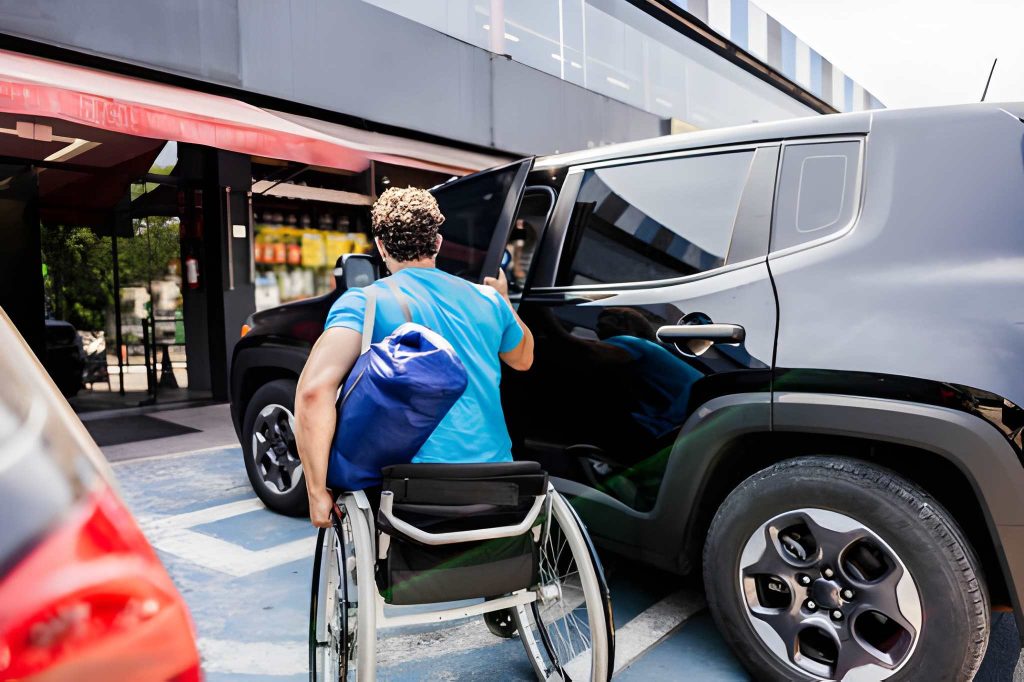
Road trips bring a different kind of cost, and parking is a sneaky one. Some places offer free metered parking for vehicles displaying a valid accessible parking placard or accessible license plate. Other places offer reduced rates, time extensions, or specific exemptions based on the type of disability.
This is one area where rules can change city by city, even within the same state. Your safest move is to check the official parking page for the city you are visiting. If you are unsure, call or email the parking authority before you arrive.
Accessibility May Be Limited But Discounts Still Show Up At Historic Landmarks
Historic sites do not always meet modern accessibility standards. Some buildings are exempt from full modifications, and you might encounter stairs, narrow passages, or limited elevator access.
Even so, many landmark operators work hard to accommodate visitors, and many still offer free or reduced admission for disabled guests and a companion. Sometimes the most helpful feature is not inside the building at all, such as an accessible public transit stop nearby, an alternate entrance, or staff assistance at a side gate.
When you plan a historic visit, confirm both pricing and access routes. If you only check one, you risk paying full price for an experience that is not workable.
Discounts Often Extend To A Support Person In Botanical Gardens And Arboretums
Gardens and large plant collections are underrated vacation wins. They are usually calm, educational, and easy to enjoy at your own pace. Many offer free admission for an accessibility aide or personal support person when accompanying a disabled visitor. Some also provide discounted tickets for the disabled guest.
If you or your companion needs physical assistance, ask about wheelchair-friendly paths, shuttle options, and where accessible restrooms are located. If you need sensory breaks, ask about quiet zones or low-traffic hours.
Proof Privacy And What “Verification” Usually Means
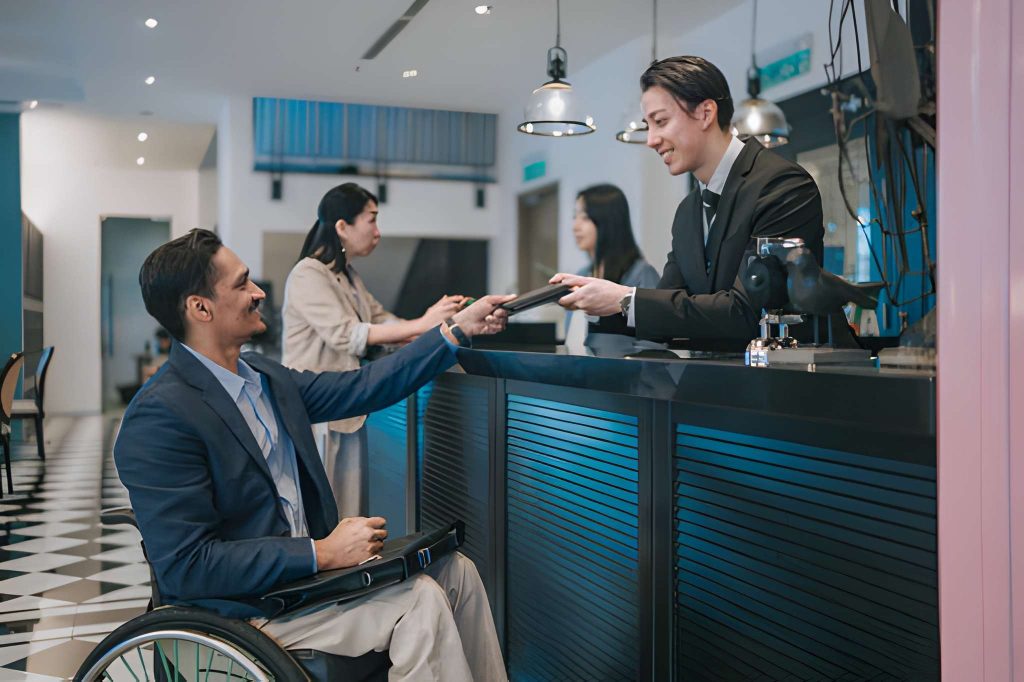
You deserve respect, not interrogation. Still, many discounts require some form of proof, and that is common across transportation and attractions.
Verification can look like:
- a government-issued disability certification or benefit documentation
- a disability ID issued by a transit agency or local authority
- a completed form reviewed by the venue’s accessibility team
Rules differ, and you should not feel pressured to overshare personal details. If a policy is vague, ask what documents are accepted and whether copies are allowed.
Keep Planning Support In Your Corner With TheMilesAcademy
If you want more help making travel smoother and more affordable, join our free TheMilesAcademy community. It is a simple place to swap expert tips, learn what questions to ask before you buy tickets, and pick up planning habits that protect your budget and your energy.
And when you are ready to map out how you pay for travel, use our free Card Finder Tool. We built it to help you match your everyday spending to a points system that fits your goals, so you can stack smart savings on top of the accessibility discounts you already deserve.