

Travel can still change you. New streets, new languages, and small conversations with strangers have a way of widening your world. When we travel regularly, we tend to notice patterns we miss at home, and we often return with more confidence and curiosity.
If you have never traveled alone, consider doing it once in 2026. Solo trips push you to problem-solve, trust your judgment, and connect more naturally with people around you. You do not need to go far or go for long. You just need to go.
Travel has gotten more expensive in recent years, and many routes and destinations still carry higher price tags than they used to. Demand stays strong, and availability can tighten fast during peak seasons.
So if costs feel heavier, how do you keep traveling without draining your savings?
We travel smarter. Budget travel is not dead. It just asks for more intention, better habits, and a few reliable systems.
Below are nine strategies we use and teach at TheMilesAcademy to help you travel cheaper, stay out longer, and enjoy more of what you came for.
1) Start With a Local Routine, Not a Tourist Budget

One of the fastest ways to overspend is to treat every hour like it must be a paid activity. Most people who live in your destination do not spend like that. Neither do you at home.
Bring your normal-life mindset with you.
Walk when it is reasonable. Use public transit instead of ride services when it is safe and convenient. Spend an afternoon in a park, along a waterfront, or in a public market. Build slower days into your itinerary so you are not buying your way out of exhaustion.
A helpful way to think about it is that you only need a few “big” moments in a trip. The rest can be simple. Simple is usually cheaper and often more memorable.
2) Use Hostels as Your Value Base
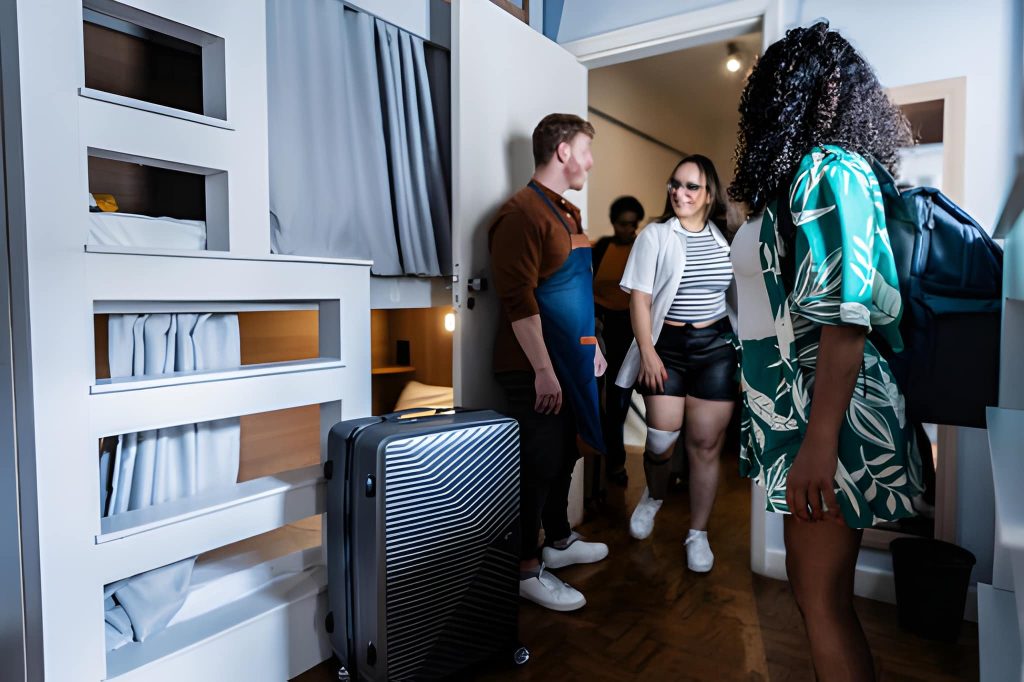
Hostels are still one of the best lodging deals in many cities, and they have evolved a lot. Plenty of modern hostels feel clean, organized, and comfortable, with features that make them appealing even if you are not a party traveler.
You can often find:
- Private rooms for more privacy
- Work-friendly common areas
- Kitchens that let you cook and save money
- Lockers and storage for better security
- Sleep-focused dorm setups like curtains and personal outlets
We still book hostels, especially private rooms, because the value can be outstanding. You also gain built-in community, which is a huge plus if you want to meet people quickly.
To pick a good one, focus on three things: recent reviews, location near transit, and clear security practices.
3) Borrow the Hostel’s Local Knowledge, Even If You Sleep Elsewhere
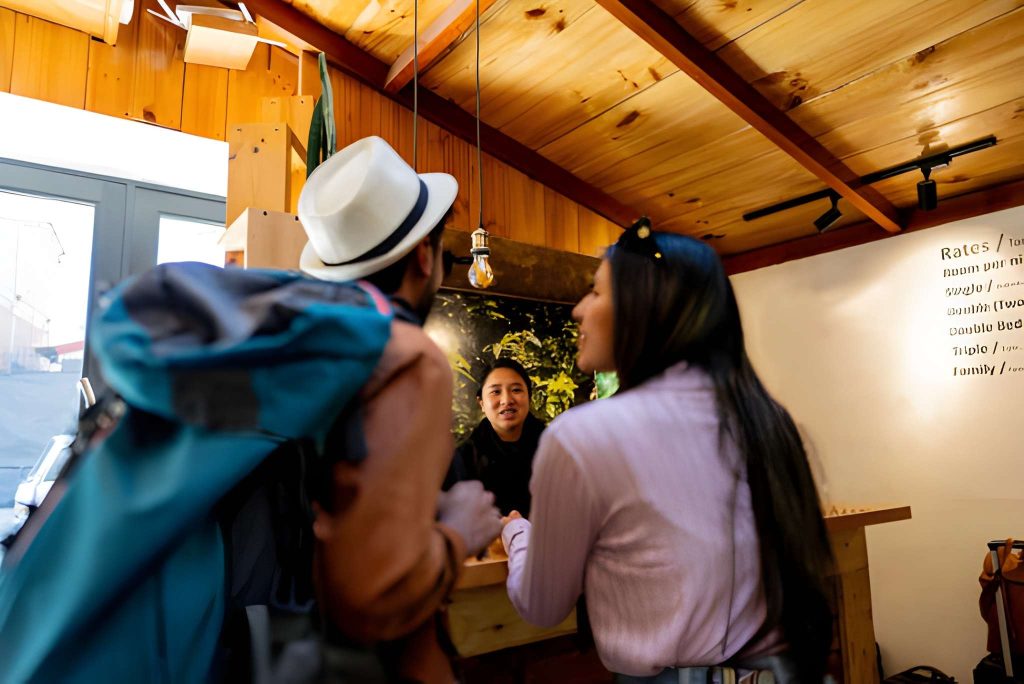
Hostel staff become experts in budget travel because they help travelers all day, every day. They hear what is overpriced, which attractions are skippable, and where you can eat well without paying tourist prices.
Even if you are staying in a hotel or rental, you can still stop by a hostel lobby and ask for tips. Be polite, keep it quick, and ask questions. For example:
- Where can we get a cheap, filling meal nearby?
- What is a fun free thing to do tonight?
- Which neighborhood should we explore for local food?
That five-minute chat can save you money for the rest of the trip.
4) Get Oriented With Walkable City Tours That Cost Little

When you land somewhere new, the first day can be expensive because you do not know what is worth paying for yet. A low-cost or tip-based walking tour can fix that.
These tours give you a fast overview of:
- How the city is laid out
- Which areas are tourist-heavy
- What local history matters for context
- Which streets are better for food and casual nightlife
We love walking tours because you can ask questions and get answers, not sales pitches. Guides are often locals or long-term residents, and they will usually point you toward neighborhoods and eateries that do not show up in the most obvious tourist lists.
Check hostel boards, tourism offices, and trusted local listings to find options. Wear comfortable shoes and bring water, especially in warmer months.
5) Eat Like a Local With the “Five Blocks Away” Habit

Food can destroy a budget faster than almost anything, especially near famous sights.
Here is a simple rule we use in most cities: avoid eating within five blocks of major tourist attractions.
Once you walk a bit away from the center of the crowd, prices often drop and quality often rises. You will notice fewer menus trying to grab attention and more places that look like they rely on repeat customers.
When you search for affordable meals, use general map reviews, local recommendation pages, and neighborhood food blogs. You can also look at what local food writers share on social media, since they tend to spotlight smaller spots.
One more detail that matters is to ask locals, “Where do you eat?” instead of “Where should we eat?”
That change nudges people to share their personal favorites, not the places tourists already know.
6) Use Community-Based Options to Cut Costs and Add Meaning

The sharing economy has made it easier to travel affordably while connecting with residents, and that combination can improve both your budget and your experience.
Depending on where you are, community platforms can help you line up budget-friendly rooms or homestays, local rides and shared transport, neighborhood experiences hosted by residents, group activities and meetups, and even food experiences that feel more personal than restaurants.
The best part is that you often spend less while getting a more human view of the place, but the tradeoff is that quality can vary a lot from one option to the next. To protect yourself, read recent reviews closely, confirm cancellation rules before you commit, and keep your communication inside the platform when possible so there is a clear record if something goes wrong.
When you meet someone for the first time, choose a public place when it makes sense, especially if you are arranging an experience or a ride, and pay attention to your instincts. If anything feels off, you can step back and pick a different option without turning it into a big drama.
7) Stop by the Tourism Office and Price-Check a City Pass

Tourism offices are not just brochure stands. They often have updated information on what is happening right now, including free events, seasonal festivals, and local deals that do not show up on big travel sites.
We like to walk in and ask two questions:
- What are the best free or low-cost activities this week?
- Where do you go after work to eat or unwind?
That second question tends to unlock the local spots.
Many destinations also offer a tourism card or city pass that bundles attraction entry into one price. Some include public transit too. These passes can be a great deal if you plan to visit several included attractions in a short window.
Before you buy, compare the pass price to your plan. If you are a slow traveler who prefers neighborhoods, parks, and markets, a pass may not help. If you want museums and major sights daily, it can save you a lot of money.
8) Treat Travel Insurance Like a Basic Safety Tool

Travel insurance is easy to ignore until the moment you need it. Then it becomes the best purchase you did not want to make.
Trips can go sideways in ways you cannot predict: cancellations, missed connections, theft, illness, or an injury that forces a change of plans. Coverage can help reduce the financial hit when something unexpected happens, depending on the policy.
When you shop for coverage, read the details and confirm what counts as a covered event, what paperwork you need, and how claims work. Save receipts, keep copies of important documents, and store emergency contact information in more than one place.
We do not buy insurance because we expect problems. We buy it because problems get expensive fast.
9) Earn Travel Rewards Points to Offset Flights and Lodging

One of the biggest levers for cheaper travel is using a points system responsibly.
When you earn points through a points-earning card and everyday spending, you can lower the cash you pay for flights and lodging. The key is to do it in a way that actually saves money, not in a way that creates debt.
Our core rules:
- Earn points on spending you already do, like groceries, transportation, and bills
- Keep your setup simple enough to use consistently
- Pay balances in full so interest does not wipe out value
- Redeem strategically based on pricing, availability, and your itinerary
In some cases, flexible points can also be moved into an airline loyalty program or a points-based hotel program when it supports a specific trip. Rules vary by issuer and by loyalty program, so always verify details before you transfer or book.
If you want help choosing a setup that matches your habits and goals, use our free Card Finder Tool. Also review our Best Cards with Special Offers to see what is worth considering.
Join Our Free TheMilesAcademy Community and Keep Improving Your Travel Strategy
If you want to keep traveling smart all year, you do not have to figure everything out alone. Inside our TheMilesAcademy community, we share tips that make these nine ideas easier to apply, like how to plan cheaper travel days, how to spot overpriced areas faster, how to build a simple points routine, and how to stay flexible when prices change.
You can also ask questions, compare notes with other travelers, and learn what is working right now for budgeting, booking, and stretching your trips without cutting the fun.
Join us, bring your next trip idea, and let’s make 2026 your easiest year to travel more for less.