

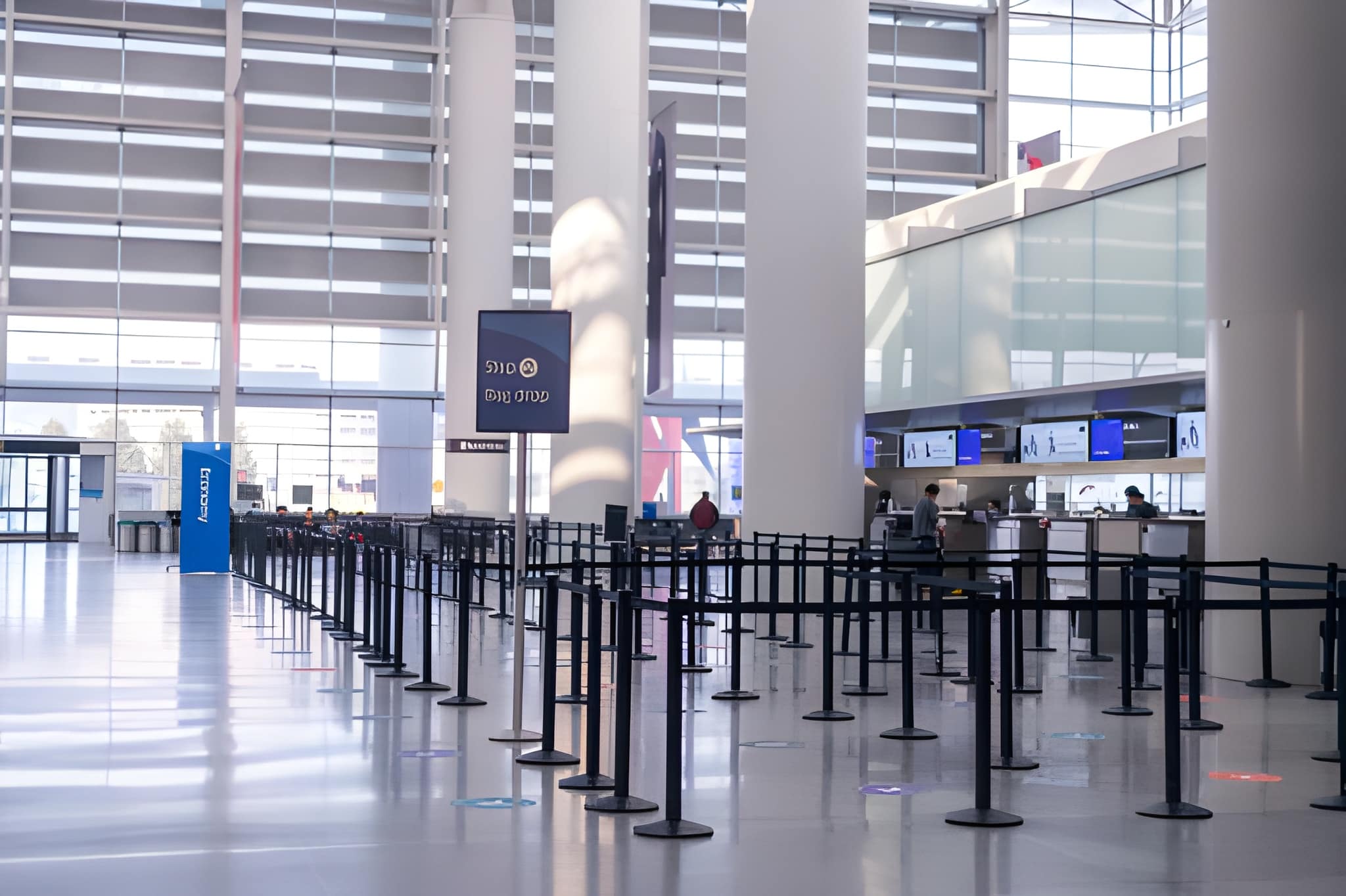
Picture the travel calendar like a crowded cafeteria. When the whole school shows up at the same time, the line is long and everything costs more. When half the room is empty, you get choices, breathing room, and usually better deals.
That quieter stretch is what people mean when they say “dead weeks.” The name sounds harsh, but the idea is friendly. Fewer travelers are booking trips, so prices for flights and places to stay often soften. You also get something that is hard to buy: less crowding.
A travel expert and TV personality, Samantha Brown, recently pointed to the Monday after Thanksgiving as the start of one of the best dead-week windows. She said this lull can make airfare and hotels much cheaper than their summer peak levels.
In a follow-up interview with a major travel publication, Brown added an important detail. These dead weeks usually begin the Monday after Thanksgiving and can stretch up to two weeks. She also said the slowdown can feel stronger when Thanksgiving lands earlier on the calendar, since there is more time before the late-December holiday rush.
A spokesperson from a large travel booking company backed up the same basic pattern. They described early December as a mini “in-between season” after Thanksgiving and before the price jump closer to Christmas.
They shared one example: a roundtrip flight from New York City to Paris might start around $620 in that early-December window, then climb to over $1,000 once mid-December hits, starting around the 17th. Prices change constantly, so check current fares before you book.
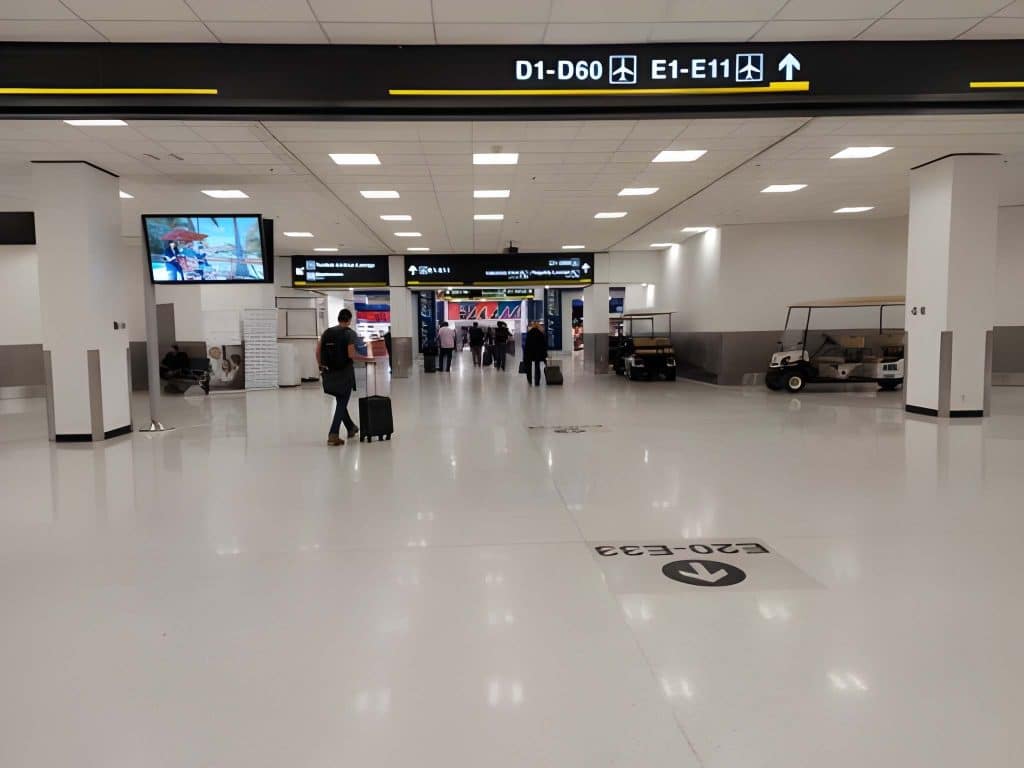
What Dead Weeks Actually Look Like at the Airport
Dead weeks do not mean airports turn silent overnight. Many travelers now fly home on the Monday and Tuesday after Thanksgiving weekend to avoid the Sunday return crowds and higher prices. So even right after the holiday, you can still see busy lines at major New York City area airports like John F. Kennedy International Airport, Newark Liberty International Airport, and LaGuardia Airport.
The lull tends to show up after that first return wave. If you can wait a few days, you are more likely to see the quieter version of travel that people talk about.
Why Prices Dip During These Quiet Windows
When demand drops, travel businesses have to work harder to fill seats and rooms. That is why dead weeks often bring lower prices on flights and lodging.
Vacation rentals can follow this pattern too. A major vacation-rental platform has reported that occupancy and average nightly rates tend to fall during the first two weeks of December. You may see more available properties and more reasonable pricing.
This season can also be helpful if you use points and miles. When an airline or hotel prices awards based on demand, lower demand can sometimes mean lower award rates. Dead weeks are one of the times when demand-based pricing can finally feel like it is working for you.
A Winter Europe Trip That Still Feels Fun
Early December can be a surprisingly good moment for Europe. You often get the start of the holiday atmosphere without the summer-style crowds.
Brown described winter in Europe as magical in part because you are not juggling three things at once: heavy crowds, high heat, and peak pricing. She also mentioned that Christmas markets pull in a lot of attention. The busiest markets can still be packed in major cities like Munich, Cologne, and Vienna, since people travel specifically for them.
Even so, you do not have to chase only the most famous spots. Brown pointed out that Portugal has Christmas markets too, and they can feel more low key and more local.
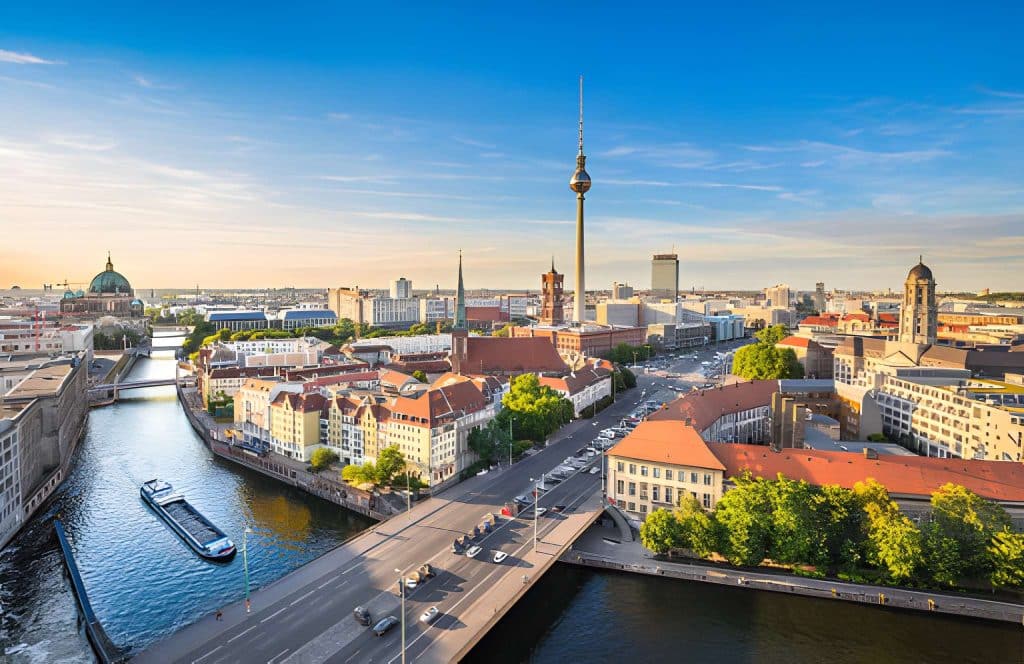
If we want to keep costs down, we can also choose cities that do not always sit at the top of every tourist list. Brown said it is often easier to save money in strong secondary cities beyond places like Paris and London. She specifically said she loves Vienna and Budapest at this time of year.
Winter comes with earlier sunsets, but those cities can look incredible at night. Monuments and historic buildings light up, and the streets can feel calmer.
Vienna also makes cold weather easier to handle because you can duck into museums, including former palaces that now hold collections worth spending hours with.
Budapest has a different kind of winter highlight. Brown said the baths are a must, since soaking in hot water can feel great even in frigid temperatures. If you go, keep your comfort simple: bring a warm layer for the walk outside afterward, and keep your towel and dry clothes easy to reach.
Not Just Europe: Other Regions Where Timing Can Help
Dead weeks are not locked to one continent. Brown noted that you can often find lower rates in Mexico, the Caribbean, and South America in the weeks after hurricane season wraps up in late November and before peak holiday travel hits in late December.
She also suggested Southeast Asia for value around this time of year. In places like Vietnam and Cambodia, winter can be a busy season, especially in big cities. Still, she said your money can often go farther there than it does in many other destinations.
To keep your planning simple without turning this into a complicated spreadsheet life, we can focus on a few habits that make dead-week travel easier.
- Give yourself even small date flexibility, since shifting by one or two days can change the price.
- Compare nearby airports if it is practical, because one airport can price very differently from another.
- For winter trips, plan a mix of indoor and outdoor activities so the weather does not control your whole day.
The Other Dead Period: Right After New Year’s
If you missed the post-Thanksgiving window, you still get another big chance. January and February are often quiet months for travel, except for a few predictable spikes.
Ski destinations and warm-weather beach resorts can stay busy, but many other places slow down after New Year’s. The long weekends around Martin Luther King Jr. Day and Presidents Day are the big demand bumps.
A major hotel booking site coined the phrase “cold shoulder season” for those overlooked weeks when hotel prices can drop after the New Year. A communications leader from a large group of travel brands used the term to describe the same idea: people stop traveling, and rates can plunge.
Vacation rentals can swing sharply in this period too. A major vacation-rental platform has shared that average nightly rates can fall in early January after New Year’s, rise during the Martin Luther King Jr. Day long weekend, then drop again before the February holiday period. They cited one example schedule for 2025, with a dip around the week of January 5 and another drop around the week of January 26. The exact dates will shift by year, so you should check the calendar for your specific season.
Even expensive cities can benefit from the lull. Brown said New York City knows how to take advantage of quieter travel weeks and pointed to winter deal periods tied to dining and lodging, including Restaurant Week and Hotel Week from January 21 to February 9 in early 2026.
A Fall Slowdown That Shows Up Like Clockwork
Dead weeks also show up right after Labor Day. When school starts back up in September, family travel demand often drops, and that can pull prices down.
A large travel booking platform shared 2024 data showing airfare in the week after Labor Day ran about $100 lower than peak summer prices. Not every route will follow that exact pattern, but the idea is consistent. When the summer rush ends, prices often cool off.

Cruises Get a Dead-Week Discount Too
Flights and hotels are not the only things that can get cheaper when demand dips. Cruises can have strong pricing during quieter travel weeks as well.
For example, cruising in the Mediterranean and Hawaii can be at its cheapest in the fall after school starts, especially in November. If you are looking at shoulder-season sailings, focus on the full cost of the trip, not just the cruise fare. Think about what you will spend to get to the port and what seasonal weather can mean for sea days and port time.
Plan Around the Lulls
Dead weeks are the calm pockets in the travel year when fewer people travel, so prices and crowds often drop. The first two weeks of December, right after Thanksgiving and before the Christmas surge, are one of the clearest examples.
If early December does not work for you, we still have other windows worth circling. The weeks right after New Year’s, the gaps between winter long weekends, and the week after Labor Day can offer many of the same benefits.
We cannot control airline pricing or the school calendar. We can control when we book and when we go. Dead weeks reward timing, and timing is one of the few travel advantages that does not require luck.
Keep Your Next Trip Cheaper With TheMilesAcademy
Dead weeks work best when we plan ahead, compare options, and stay flexible with dates. That gets easier when you have other travelers sharing what they are seeing, what worked for them, and what to watch out for during the slow seasons.
If you want more practical tips like this, join our free TheMilesAcademy community. We share simple strategies for finding better flight prices, picking smarter travel dates, and spotting the quieter windows that most people miss.
When you are ready to choose how you want to earn toward your next trip, use our free Card Finder Tool to match your travel style with an option that fits your goals. It is a quick way to narrow things down without getting lost in endless tabs.

