
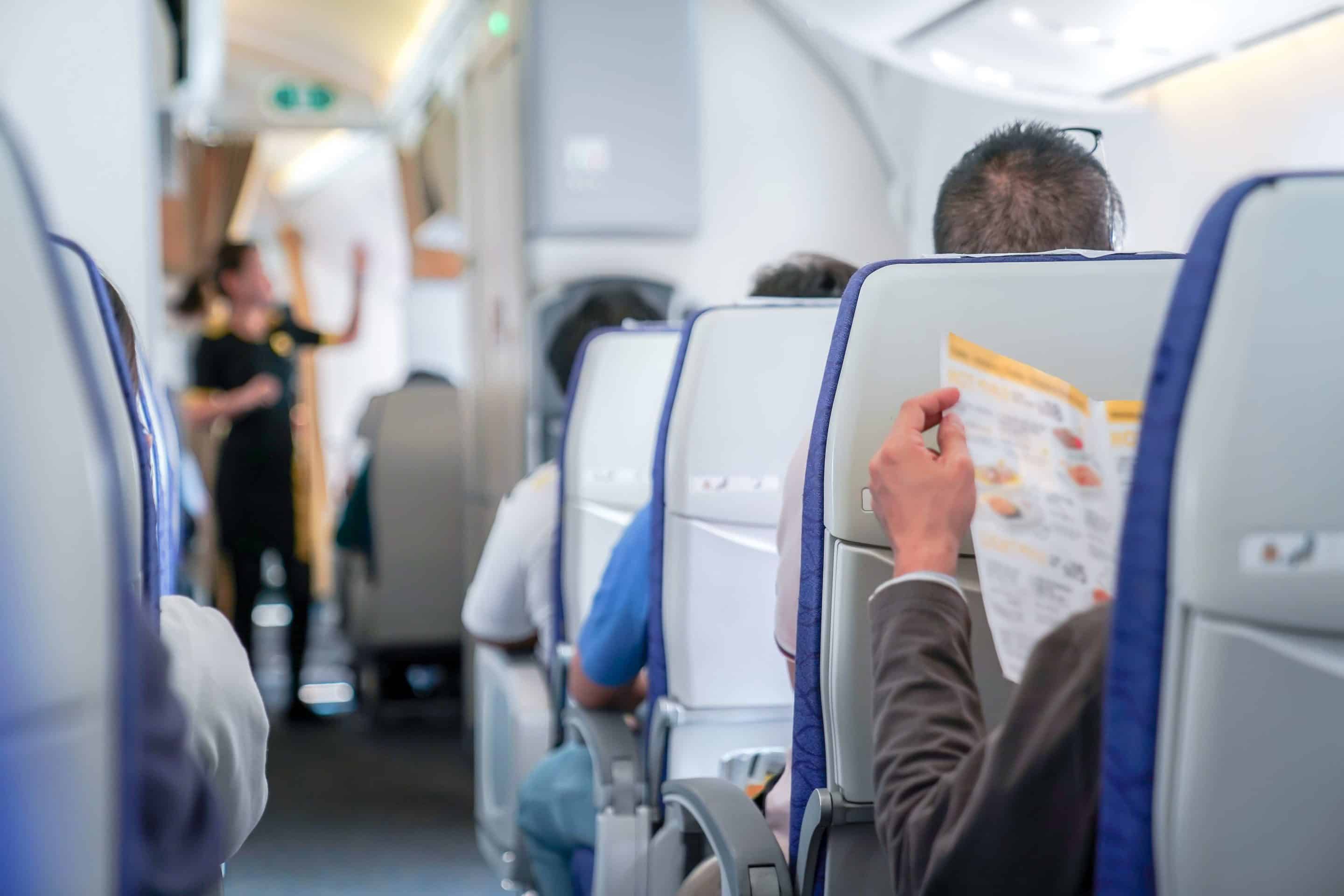
Millions of people fly every day, from small local airports to huge international ones. Planes land, passengers get off, cleaners come in for a short time, and then new people get on. Everything has to move fast so flights stay on time.
Because cleaning time is short, crews usually deal with the biggest and most obvious messes first. They do not always have time to clean every small surface. This means some spots on the plane get touched again and again without a good wipe. Germs, dirt, and spills can build up more than most travelers realize.
Cabin crew members see all of this on every trip. They know which parts of the plane feel the dirtiest by the end of the day. We are using that experience here so you can notice those problem areas and protect yourself.
Before we talk about each spot, think about a simple routine you can follow on every flight.
Quick Clean Routine Before You Settle In
- Take out a small bottle of hand sanitizer and a few cleaning wipes.
- Wipe the things you know you will touch, like your table, screen, and armrest.
- Keep one wipe or tissue ready for the bathroom door and the overhead bin.
Now let us look at nine places on the plane that often have more germs than you might expect.
1. Fold Down Meal Tables
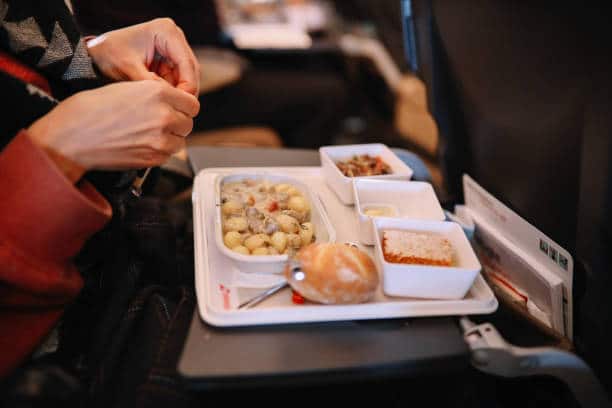
The small table that folds down from the seat in front of you is very handy. You can put your drink on it, use your laptop, or set out snacks. It is also one of the dirtiest spots on many airplanes.
Crew members and health tests both show that these tables can hold a lot of bacteria. People use them for full meals, sorting medicine, placing personal items, and sometimes even changing a baby’s diaper. When cleaners are in a hurry between flights, they might only give the table a quick wipe, or they may not reach the sides and latch.
Treat your table like a place that always needs cleaning. When you sit down, use a disinfecting wipe and clean the whole top. Run the wipe along the surface, the edges, and the part that locks into place.
Let it dry for a minute before you put food or electronics on it. If you are flying with children, clean their tables too. Try not to set pacifiers, napkins, or utensils directly on the bare plastic.
2. Bathroom Doors, Buttons, And Sinks
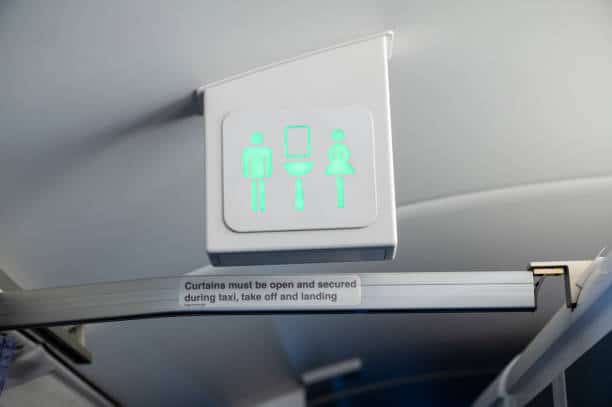
Airplane bathrooms are tiny, and a lot of people use them on every flight. The toilet itself usually gets cleaned often, but many other parts of the bathroom are not as fresh.
Door locks and handles are touched by almost everyone who goes in and out. The flush button is pressed over and over. Not every passenger washes their hands long enough, and some people skip the soap completely when they rush. Tests show that these surfaces can hold a lot of germs.
To protect yourself, use a paper towel or tissue when you open the door or slide the lock, if there are any available. When you get back to your seat, use hand sanitizer again, even if you already washed your hands in the bathroom.
The small sink can also cause problems. Some studies have found that the water tanks on planes are not cleaned as often as they should be. This means the tap water can pick up germs before it reaches the faucet.
Because of that, many health experts say you should not drink tap water on planes. Some people even avoid using it for hot drinks. If you are not sure how clean it is, use bottled water for drinking and rely on sanitizer or wipes after a quick rinse.
3. Safety Cards In Seat Pockets
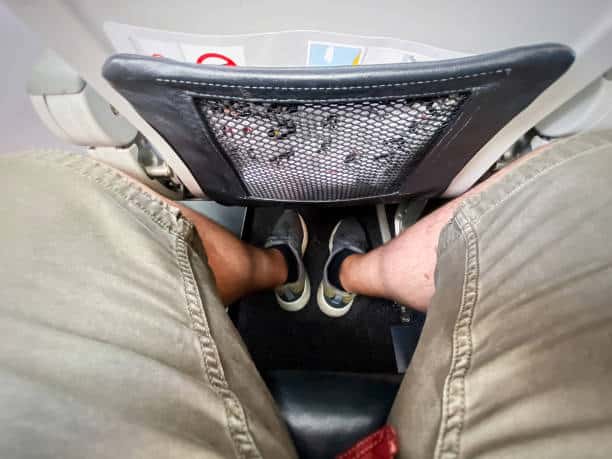
The safety card in front of you may look clean and harmless. It is just thick paper or plastic, but many people touch it during the day.
Passengers pull it out with hands that may already be dirty from snacks, phones, or the airport bathroom. Children sometimes play with the card, bend it, or put it on the floor. Drinks can spill on it. Food crumbs can stick to it. If someone coughs into their hand and then touches the card, germs can sit on the surface.
Unlike tray tables, which sometimes get wiped, safety cards are rarely cleaned carefully between flights. They usually go right back into the pocket for the next person.
Our simple tip is this: read the safety instructions, put the card away, then clean your hands. A small bottle of hand sanitizer in your bag makes this easy. If you want to be extra careful, you can gently wipe the card with a disinfecting wipe before you hold it for very long.
4. Lap Belts And Buckles
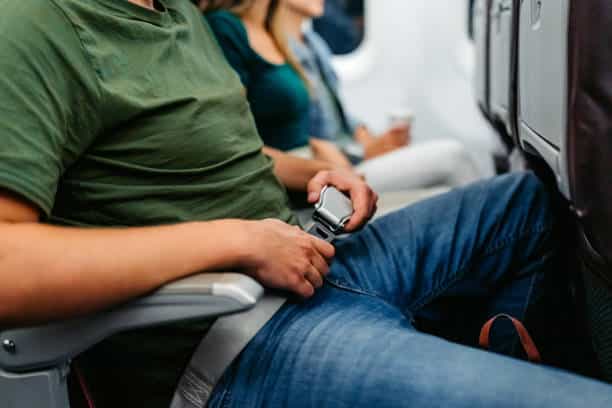
Seat belts keep you safe during takeoff, landing, and turbulence. They are also another thing that almost everyone on the plane touches many times.
You pull the belt across your lap, click the metal parts together, slide the strap to make it tighter or looser, and move it aside when you stand up. You do all of this with hands that may have already touched tray tables, overhead bins, and armrests.
Because seat belts are made of fabric and metal, they are harder to clean well. Cabin cleaning teams often focus on faster jobs, like picking up trash, fixing pillows and blankets, and wiping smooth surfaces.
On your next trip, add one quick step. After you fasten your seat belt, use hand sanitizer. If you have cleaning wipes, you can gently wipe the buckle and the part of the belt closest to it. This matters even more for kids, who may grab the belt and then put their fingers in their mouth or touch their face.
5. Overhead Bin Handles And Lids
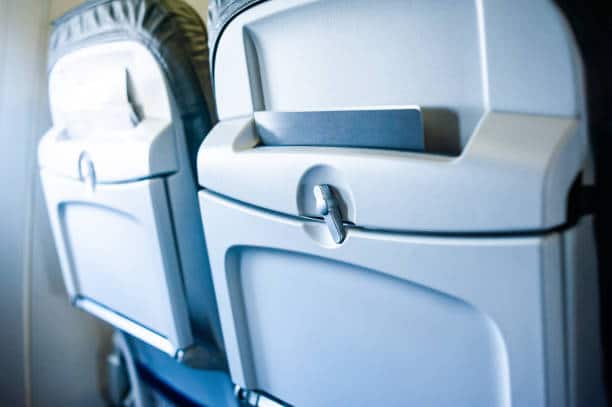
Overhead bins may look fine when you glance up at them, but the handles are touched by a long line of travelers on every flight.
Think about boarding at a busy airport. People walk in from the terminal, still carrying germs from railings, food court tables, train seats, and restroom doors. Then they lift their bags above their head, move other luggage around, and grab the handle to close the bin.
Cleaning teams usually pay more attention to trash in the seat pockets or spills on the floor. The outside of the bin might get a quick wipe now and then, but the latch and the inner edge of the door can be missed when time is short.
To lower your risk, try not to grab the handle with your bare hand if you can help it. Use a tissue, your jacket sleeve, or a small cloth. Once your bag is stored, use sanitizer before you touch your face, your phone, or your seat belt.
6. Seatback Entertainment Screens
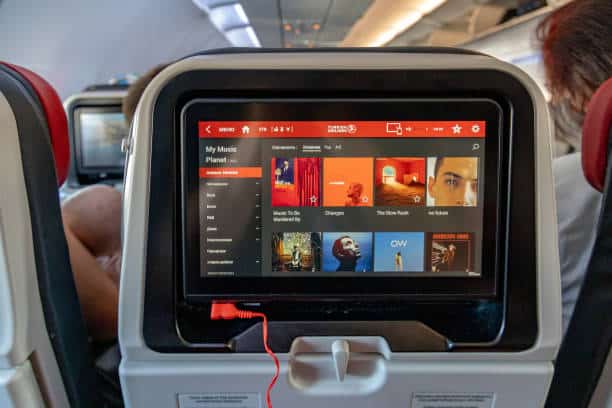
Seatback screens can make long flights feel much easier. You can watch movies, check the route map, or play games. The problem is that many people have already touched that screen before you.
Passengers tap the screen after handling money, snacks, and luggage. They swipe to pick a show right after coming back from the bathroom. Even when cleaners move quickly through the cabin and wipe screens, they may not reach the corners, buttons, or the little remote some seats have.
When you first sit down, use a wipe on the places you know you will touch. Clean the screen frame, any buttons, and the controller if one is attached to your seat. Then clean your hands too.
During the flight, try not to rub your eyes or touch your mouth right after using the entertainment system. Wait until you can use sanitizer again. These small habits are simple for both adults and kids once you get used to them.
7. Seat Fabric And Headrests
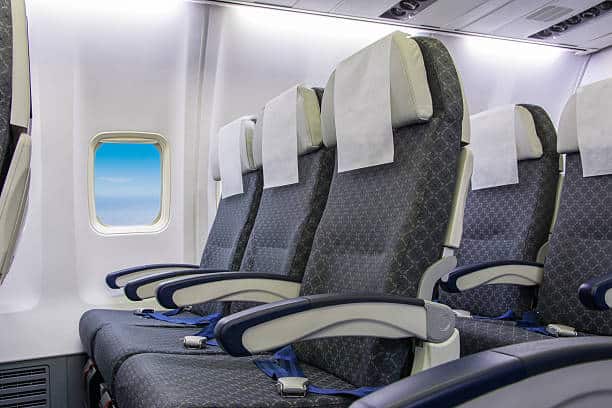
At first, the seat and headrest may look fine. In some cabins, you might even see a cover on the headrest. But many cabin crew members say the fabric is not changed as often as travelers might think.
Spilled drinks, sweat, hair products, and food can all end up on seat fabric. If there is a big stain or a strong smell, crew members may ask for extra cleaning or a cover. Smaller messes can be missed or only wiped in a hurry instead of being washed properly.
Because planes often run tight schedules, there is not always time to change covers or deep clean the seats between flights. That means you might sit where several other passengers have already left behind oils and germs.
If that makes you uncomfortable, bring something that can act as a barrier. A light scarf, a thin travel blanket, or a disposable seat cover can help. Place it over the seat and headrest so your skin and clothes touch your own layer instead of the shared fabric.
8. Armrests And Seat Controls
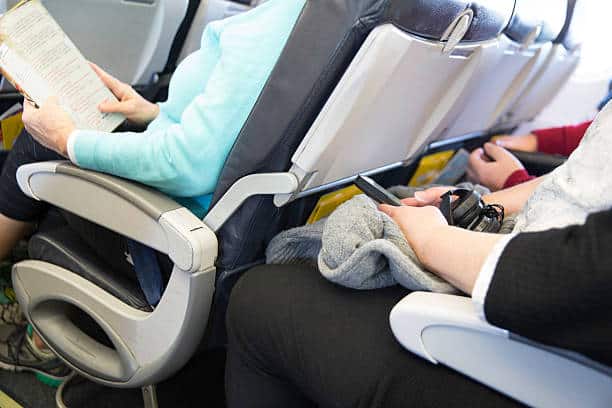
Armrests seem simple, but they get a lot of use. Travelers grab them when they sit down, rest their hands on them during the flight, and push on them when they stand up.
If your seat has buttons or controls on the armrest for reclining or for sound, those get even more touches. People press them after eating, playing with their phone, or fixing their shoes.
Cleaning crews often give the top of the armrest a quick wipe, but they might not reach every edge, cup holder, or small button.
You can protect yourself by wiping your armrest, seat controls, and cup holder when you first sit down. Try not to place food directly on the armrest, and clean your hands before you snack.
9. Window Shades And Cabin Walls
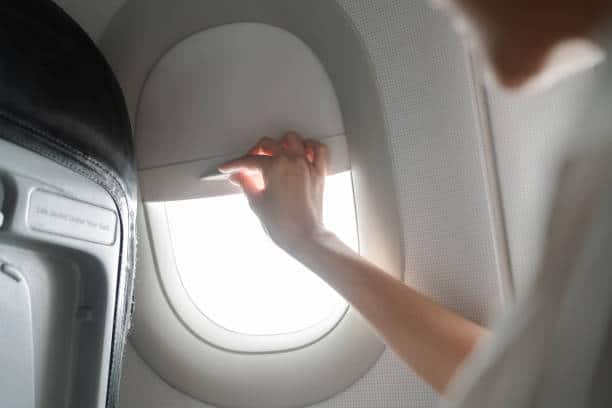
If you like a window seat, you probably touch the shade and the wall without thinking about it. You might lift and lower the shade many times during the flight to block the sun, take a photo, or look out.
Many passengers rest their head on the wall to sleep. Children may press their hands or faces against the window. All of this leaves behind skin oils, makeup, and germs.
These spots are harder to reach during a fast clean, so they may not be wiped as often as other surfaces. If you love sitting by the window, try not to rest your bare skin right on the wall. Use a travel pillow, hoodie, or scarf between you and the surface.
You can also give the window shade handle a quick wipe if you plan to move it up and down during the flight.
Stay Healthier And Travel Smarter With Us
When you know which parts of the plane are the dirtiest, it is easier to make good choices and build habits that keep you healthier. We want you to feel calm, prepared, and confident every time you fly, not worried about every surface you touch.
If you like simple tips like these, we invite you to join our free TheMilesAcademy community. Inside, we share more easy guides on staying healthy while you travel, getting more value from your trips, and using your points and miles in a smarter way.
You can also use our free Card Finder Tool to explore travel and rewards cards that fit your goals and habits. It is designed to help you match your everyday spending with options that can support future trips, so every flight and every purchase can work together for your next adventure.
We are here to help you travel cleaner, safer, and smarter, one flight at a time.

