
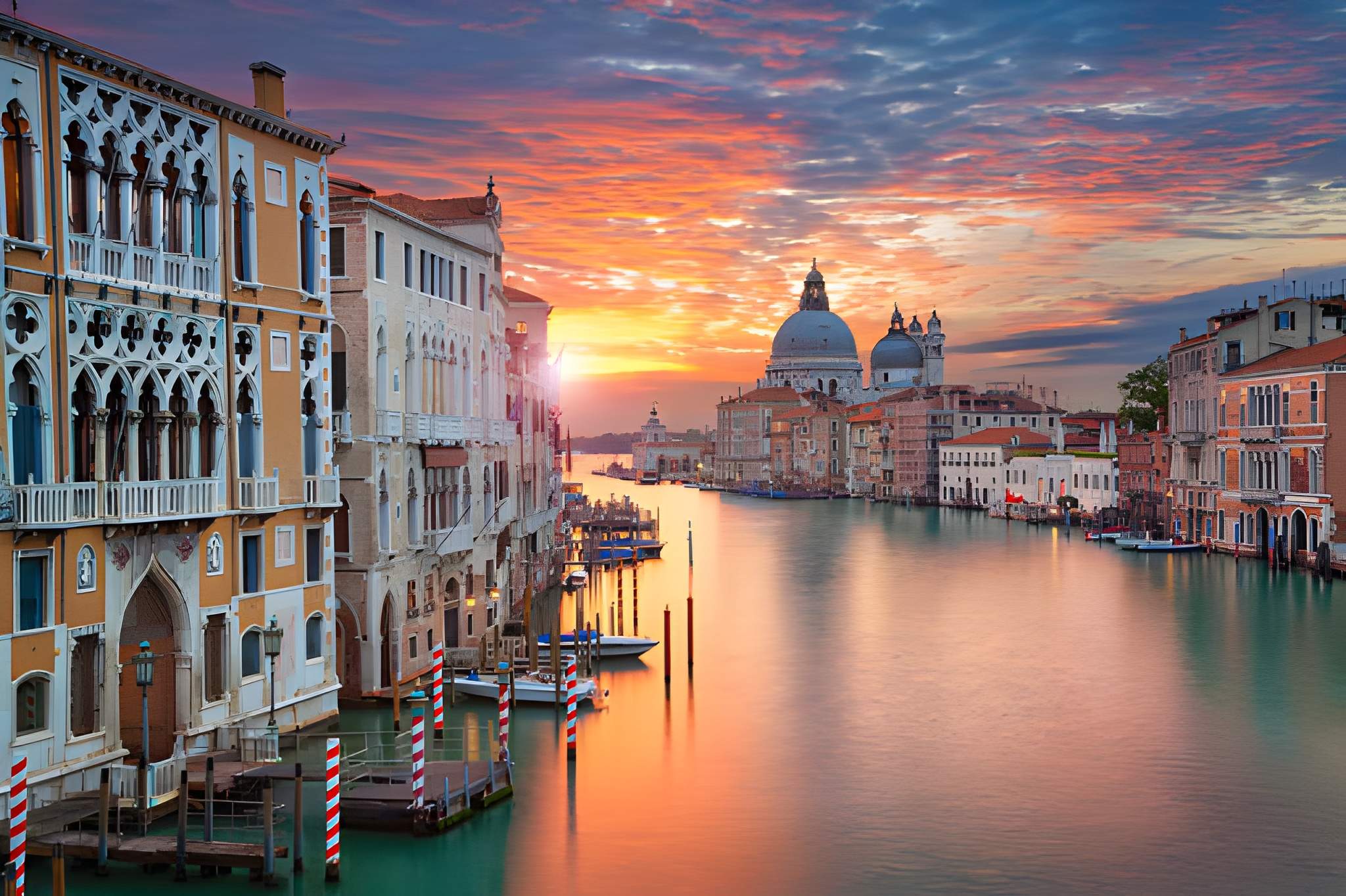
We all want the same thing when we book a Europe trip: a great experience that does not destroy our budget. The tricky part is that Europe can be cheap or wildly expensive depending on when you go and where you land.
Europe works year-round. Fall brings huge events like Oktoberfest in Munich. Winter is famous for Christmas markets in places like Strasbourg. Spring has flower festivals like Amsterdam’s tulip season. Summer is packed with big music festivals like Glastonbury in England. The problem is that the busiest seasons usually come with the biggest crowds and the highest prices.
Shoulder season is still one of our favorite ways to spend less, but we do not lock it to one exact set of months. What really drives price is demand. When schools are in session, major holidays are not happening, and big events are not pulling crowds into one place, airfare and hotels often cool down.
Instead, we use a simple routine that works year after year. We check a few nearby departure airports, search flexible dates across a couple of weeks, and watch fares for a short stretch before buying.
The cities below tend to work well as entry points because they have steady flight options and competitive routes. Use them as your starting map, then choose the airport that gives you the best total cost after you factor in the ride into the city.
Let’s get into eight cities that can help you enter Europe for less, plus simple ways to save money once you land.
1. Madrid, Spain
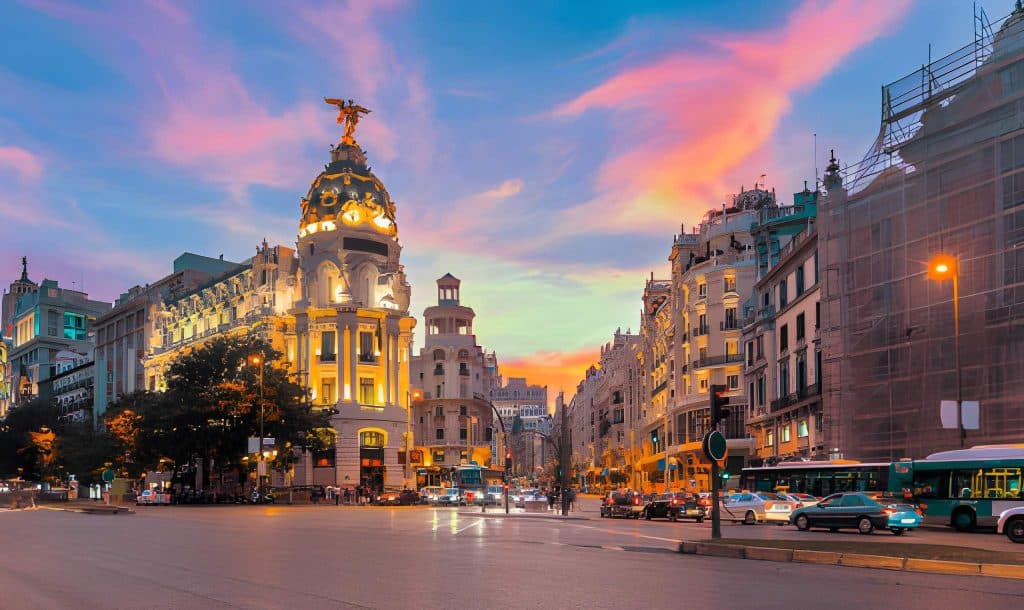
Madrid-Barajas Airport (MAD) is the main airport, and it connects well to the city through public transit.
For culture, the Museo Nacional del Prado is one of the big draws, with a massive art collection. You can also spend time in El Retiro Park, which we see as the city’s cultural heart and one of the easiest ways to experience Madrid’s relaxed outdoor lifestyle.
Madrid also shines in its public squares. Plaza Mayor and Puerta del Sol are perfect for people-watching, photos, and casual strolling. You do not need a ticket to feel the city’s energy.
For food, the Mercado de San Miguel is a well-known stop where you can try local favorites like paella, cured ham, and churros. If you want to keep costs under control, share a few items instead of buying a full meal at every stall.
We also recommend exploring on foot. Several tour companies offer walking tours, including options that operate on a tip-based model. That can be a helpful way to get a guided experience while still deciding what it is worth to you.
2. London, United Kingdom
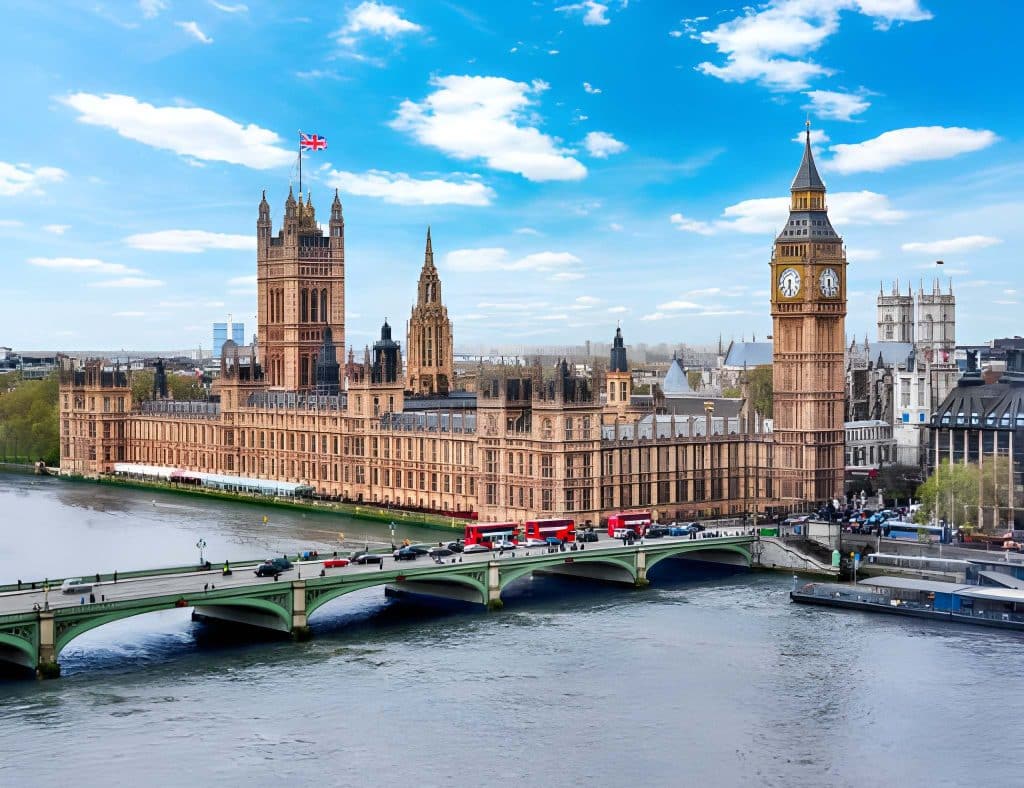
London has several airports, and the cheapest flight might land at one that sits farther from the city center. The main options include Heathrow (LHR), Gatwick (LGW), Stansted (STN), Luton (LTN), London City (LCY), and Southend (SEN). When you compare fares, also compare the ground transportation cost and time into the city so you do not “save” money on the flight and then pay it back on the train.
Once you are in London, you can visit world-class museums with free entry. Beyond the most famous museums, we like smaller collections that still deliver a lot of value, such as The Wallace Collection and the Museum of the Home.
Here is a lesser-known budget trick that also feels special. You can sometimes enter famous churches like Westminster Abbey or St. Paul’s Cathedral without paying a sightseeing fee by attending Evensong, which is a choral service. It gives you a peaceful way to experience these places, and you get the music too.
If you want theater, check the official discount booth for same-day West End tickets. For food, keep things simple. Seek out casual restaurants and neighborhood spots that serve great meals without the high prices of the busiest tourist blocks. For budget-friendly meals, we like Syrian mezze, Nigerian small plates, and classic fish and chips at places that keep prices reasonable.
3. Warsaw, Poland
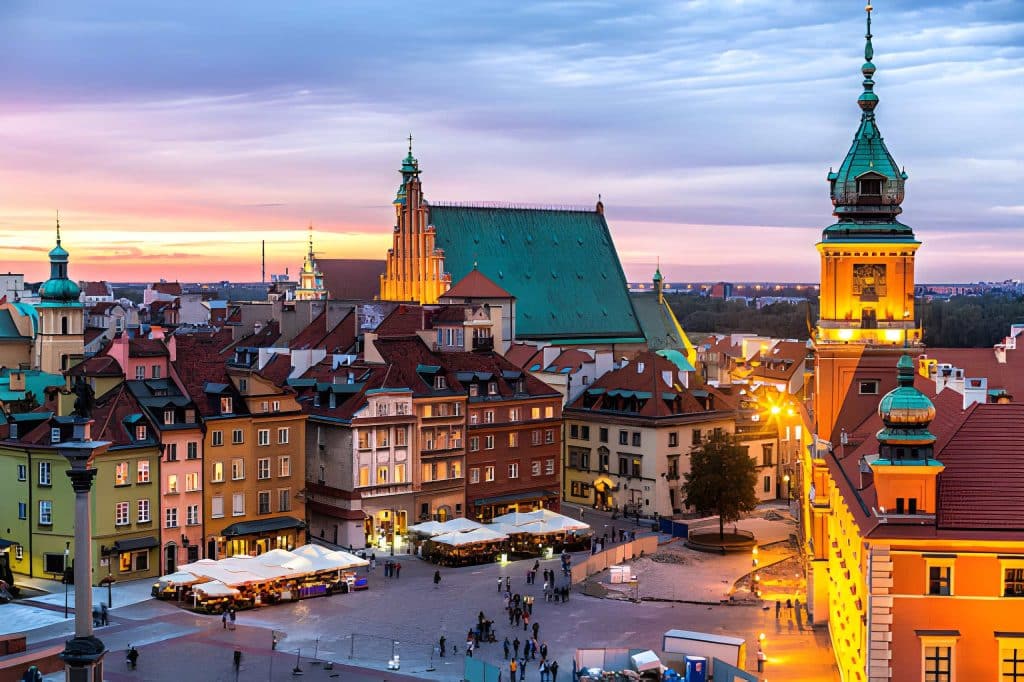
Warsaw gives you a mix of old and new. You can walk through historic streets, then turn a corner and see modern buildings.
Warsaw Chopin Airport (WAW) is the main airport. Budget-focused routes sometimes use Warsaw Modlin Airport (WMI), which sits farther from the city. As with any city with multiple airports, compare the full cost of getting downtown.
Once you arrive, spend time in the Old Town, a UNESCO World Heritage Site that feels like a step back in time. Then head to Łazienki Park, where locals gather year-round. In warmer months, the park becomes a cultural hotspot thanks to Chopin concerts held every Sunday from May to September in front of the Chopin Monument.
For a royal-style visit, Wilanów Palace offers elegant Baroque architecture and well-kept gardens. For skyline views, do not skip the viewing terrace at the Palace of Culture and Science. From the terrace, you get a wide perspective of Warsaw’s changing skyline for much less than many other observation decks.
To get around cheaply, use public transportation and the city’s bike-sharing system. The bike-share program can make short trips easier, and the original source noted that the first 20 minutes may be free, which can really add up if you use it for quick rides.
4. Copenhagen, Denmark
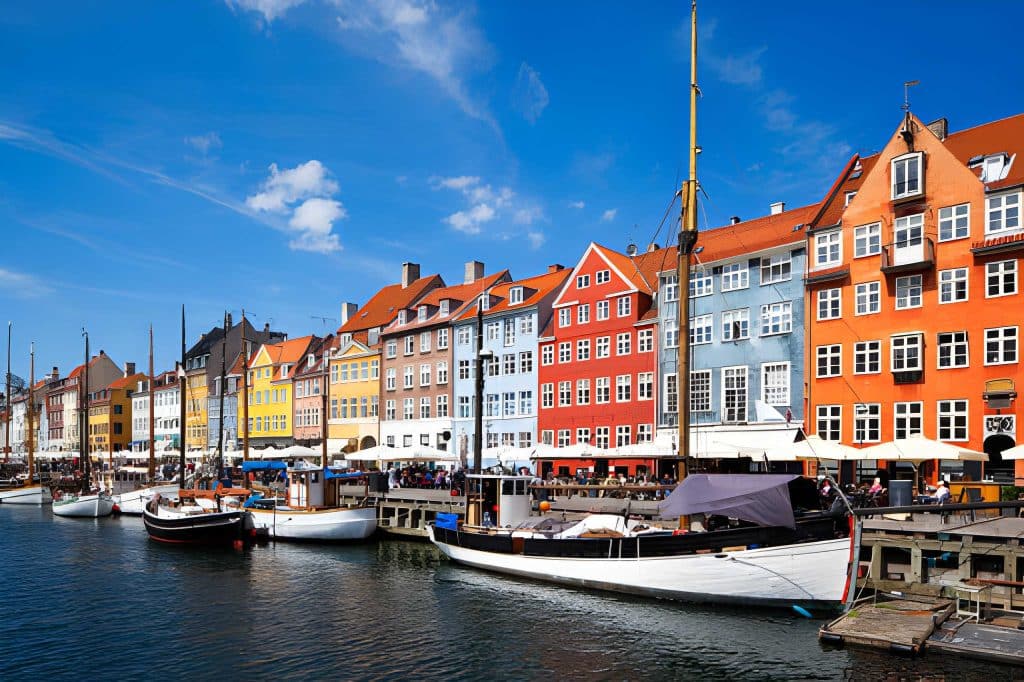
Copenhagen feels like a design and history city, but it is also a place where everyday life becomes the attraction. You can save money here by doing what locals do: bike around, walk the neighborhoods, and spend time near the water.
Copenhagen Airport (CPH) is the main gateway. From there, public transportation can get you into the city quickly, which helps you avoid expensive transfers.
Biking is one of the best budget moves in Copenhagen. Renting an electric bike can be an efficient and affordable way to see the city, especially because the bike lanes make it safer and easier even if you do not ride often at home.
We also love Copenhagen’s harbor baths. They are free, they feel very local, and they can turn a regular afternoon into a real Copenhagen memory. Islands Brygge and Sluseholmen are popular places to start.
Copenhagen’s layout also helps your budget. The city is compact, so you can stay in a less expensive area and still reach the main sights with a short metro ride or bike trip. If you plan to visit many paid attractions, consider an attraction and transportation pass. These passes can include entry to big-ticket places like Tivoli Gardens plus unlimited public transit, but you should check the current terms and included attractions before buying.
5. Berlin, Germany
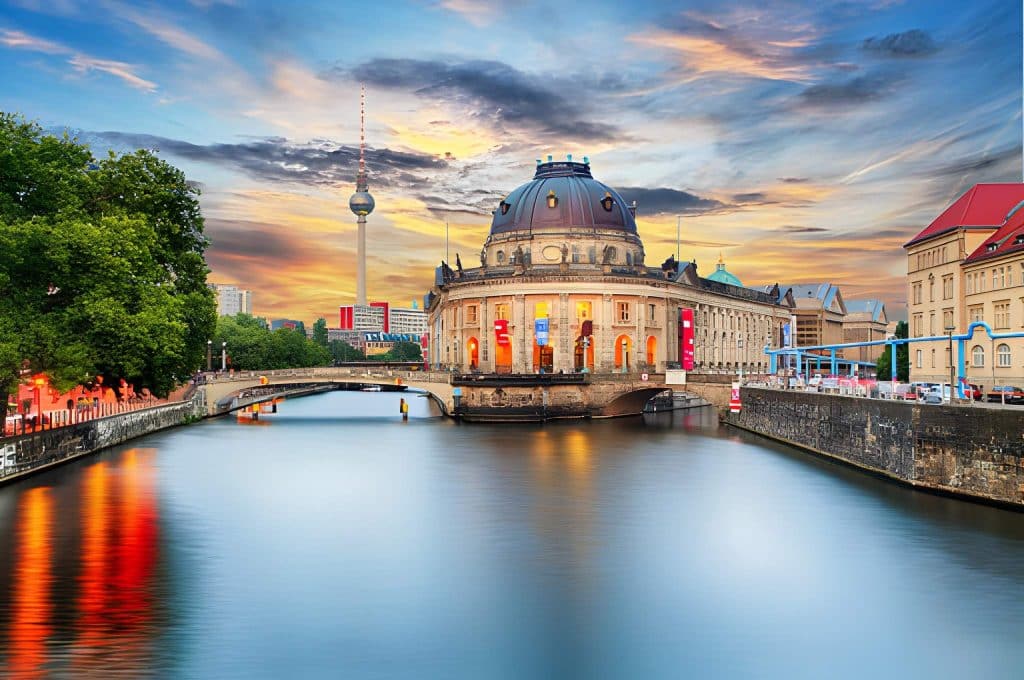
Berlin Brandenburg Airport (BER) is the city’s main airport. From there, public transportation can get you into town without spending much.
If you love history, you can walk through major landmarks and memorials for free. Highlights include the Holocaust Memorial, the Berlin Wall Memorial, Brandenburg Gate, Alexanderplatz, and the Reichstag Building.
The Reichstag Dome is one of the best values in the city, because it is free and it gives you great views. The key is planning ahead. You need to reserve a time slot in advance, and you cannot count on last-minute availability.
For art, the East Side Gallery is a must. It is a long stretch of open-air murals on a preserved section of the Berlin Wall. If you want museums, Museum Island is a big draw. It is a UNESCO World Heritage Site with five museums. It is not free, but it can feel worth it if you choose a couple of collections that match what you love.
When you want open space, visit Tempelhof Field. It is a historic airfield turned public park that locals use for biking, walking, and relaxing.
For cheap meals, lean into Berlin’s street food culture. We suggest skipping pricey restaurants and grabbing classics from a fast food stand, like currywurst, döner, or a fresh pretzel.
6. Dublin, Ireland
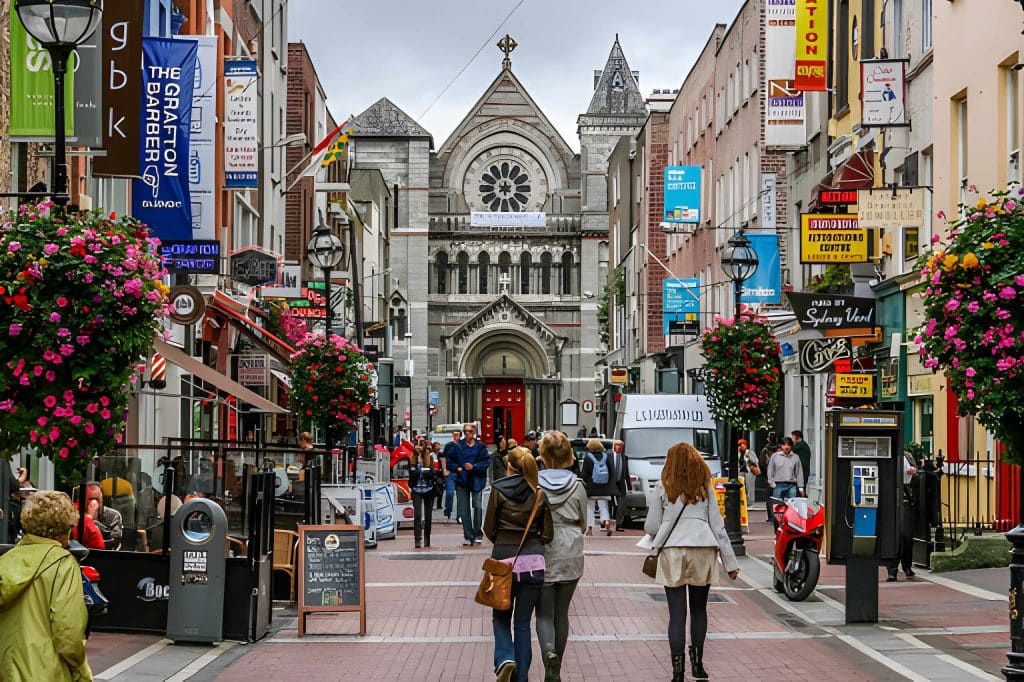
This is a good pick when you want a city break that feels historic and lively, but you still want plenty of low-cost activities.
Dublin Airport (DUB) is the main airport for most travelers flying in. Once you land, you can get to the city center by bus or other public options, which usually cost much less than using a taxi.
In the city, you can visit major landmarks that often cost less than $12 to enter, including Dublin Castle, Kilmainham Gaol, and St Patrick’s Cathedral. A couple of popular paid attractions include Trinity College’s famous manuscript exhibit (listed from $26.22) and a well-known brewing museum experience (listed from $20.98). Prices can change, so it is smart to check current entry rates before you go.
When you want free places to explore, spend time at Glasnevin Cemetery and the National Botanic Gardens. They offer a calm, meaningful way to see another side of Dublin without paying an entry fee.
For nightlife, we recommend choosing your music spots carefully. Some areas attract big crowds and charge higher prices because they know visitors will pay. Instead, look for a traditional music pub that locals actually use, where musicians play informal sessions and you can enjoy the atmosphere without a cover charge.
To save money on transportation, use a short-term visitor transit pass that covers buses, trams, and trains. If you plan to ride more than a couple of times a day, the pass can cost far less than paying per ride.
7. Paris, France
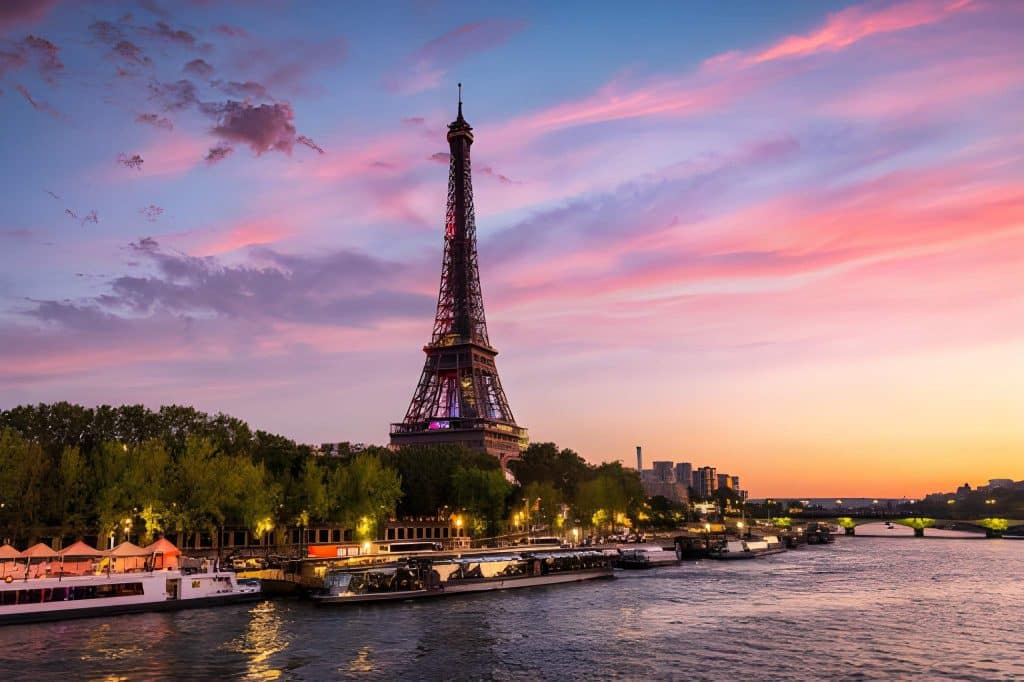
Paris has multiple airports. The two main ones are Charles de Gaulle (CDG) and Orly (ORY). Some low-cost routes also use Beauvais (BVA), which is farther out and can add extra time and transportation cost.
Start with green spaces. The Jardin des Tuileries and Parc Monceau are classic picks, but we also recommend Parc des Buttes-Chaumont. We consider it one of the most scenic yet least-visited parks in the city. It has waterfalls, cliffs, and great city views, and it costs nothing.
Museums can be one of the biggest expenses in Paris, so use the calendar to your advantage. We recommend planning museum visits around the first Sunday of the month, when some major museums may offer free entry. For example, the Musée d’Orsay and the Centre Pompidou often participate. Rules can change, and lines can be long, so check the current schedule, arrive early, and plan your day around one or two key visits.
8. Reykjavik, Iceland
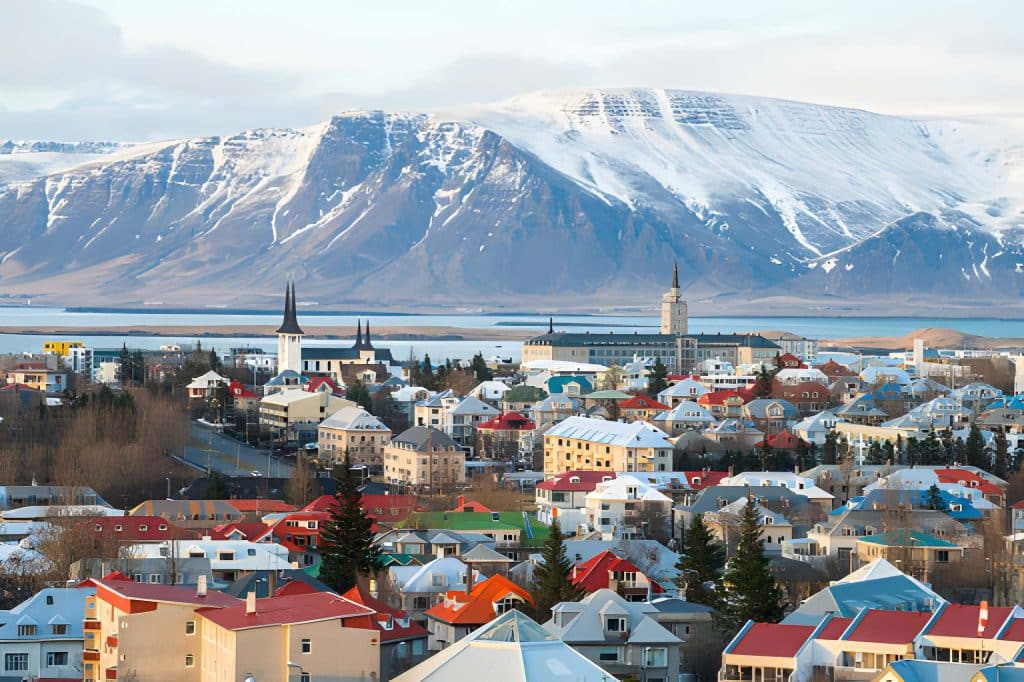
If you want a trip that feels like a big adventure without paying for a long list of expensive attractions, Reykjavik can work really well. You can fill your days with museums, architecture, and nature, and a lot of it costs little or nothing.
Most international travelers fly into Keflavík International Airport (KEF), which sits outside the city. From there, you can reach central Reykjavik by bus, shuttle, or rental car. Reykjavik Airport (RKV) mainly handles domestic flights and short regional routes, so it is useful to know the difference when you search.
Once you are in town, you can visit Hallgrímskirkja, the largest church in Iceland, and explore cultural spots like the Living Art Museum and the National Museum of Iceland. We also recommend stepping inside Harpa Concert Hall. You do not need a ticket just to enjoy the building. You can walk around, check out the glass design, and sometimes even catch a free event.
If you plan to visit several museums and use public transportation often, a city sightseeing and transit pass can help you save. These passes typically bundle museum entry with unlimited bus rides for a set number of days. Always compare the pass cost to your real plan before you buy.
For hot springs, we suggest skipping the most famous, most crowded lagoon experience if you want to keep costs down. Instead, look at Reykjadalur Hot Springs, where you can soak in a warm river surrounded by nature, or smaller geothermal pools near the Grótta Lighthouse for a quieter, oceanfront option. Conditions and access can change with weather, so check local updates before you go.
Join Our Free TheMilesAcademy Community for More Budget Flight Wins
If you liked this list, you will love what we share inside our free TheMilesAcademy community. We regularly post simple tips that help you spot cheaper routes, compare airports, and plan smarter travel dates so you can stretch your budget further on every Europe trip.
Before you book your next flight, take a minute to use our free Card Finder Tool. It helps you match your travel style with the right rewards-earning options, so you can build a points strategy that supports trips like these without guessing.
