
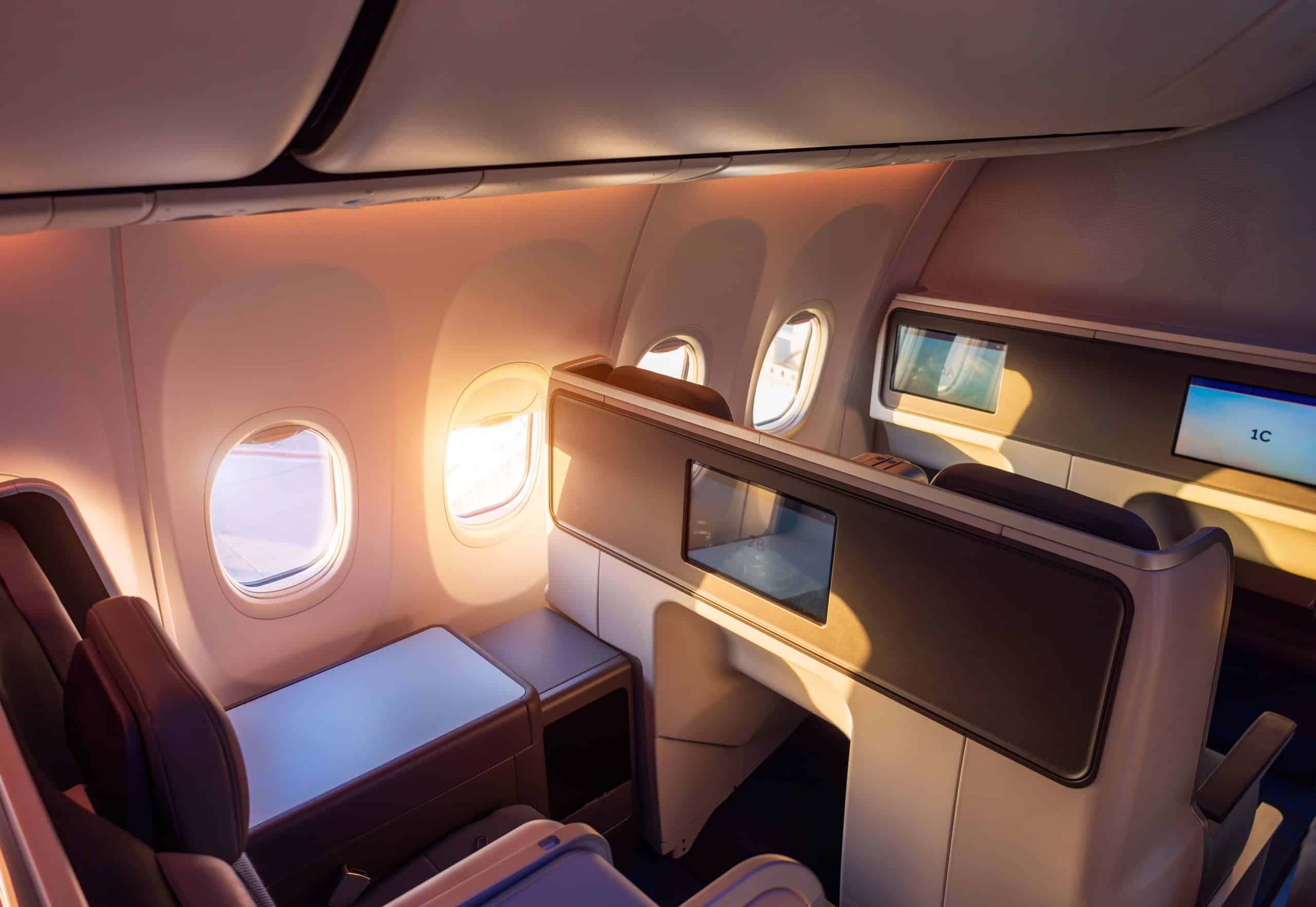
We are very used to flying in the back of the plane.
Most of the time, we glide through economy travel without thinking. We use TSA PreCheck and Global Entry, pull out laptops, shoes and tiny liquid bags at the security line in seconds and lift a carry on into the overhead bin like it weighs nothing. Then we open the airline app, pick a movie and settle in almost on autopilot.
But when we moved to business class, we suddenly felt like beginners.
Before this trip, we had not flown in a premium cabin for more than ten years. Then we found out we would be flying between Washington, D.C. and London in business class on two different airlines. We got excited very fast. More space, lie flat seats, a quieter cabin and better food. It all sounded perfect.
We thought that was the whole story. Then we talked to a few coworkers who fly up front more often. They asked which exact seats we picked, which lounge we planned to use at Washington Dulles International Airport (IAD) and London Heathrow Airport (LHR), and what kind of business cabin each plane had.
That is when we learned something important. Business class is not just “a bigger seat.” Our tickets included extra perks and helpful details that the airlines never clearly explained in emails or in the app. Without that advice from coworkers, we would have missed many of the best parts of the trip.
If you are getting ready for your first long haul business class flight in a while, we want you to feel confident, not confused.
Here are eight business class travel tips from our own flights to help you enjoy your time in the front of the plane.
Tip 1: Arrive Early So You Can Actually Enjoy The Lounges

Inside the lounge, the terminal stress mostly disappears. Instead of fighting for a charger and paying a lot for snacks, you sit in a quiet area with free food, free drinks and plenty of outlets. Some lounges even have showers, work areas and views of the runway.
The tricky part is that airlines do not always make lounge access clear. Emails and apps may not shout, “You can use the lounge.” That is why it helps to check the airline website or ask at check in which lounge you can enter and where it is.
Once you know, plan your timing around it. Arrive early enough to check in, clear security and still spend a bit of time in the lounge. Have a real meal, drink some water, charge your devices and use the bathroom. You will board feeling much calmer than if you had rushed from a crowded gate.
In the United States, a small tip for drinks and a bit more for a full meal is kind. In many parts of Europe and Asia, tipping in lounges is usually not expected. When in doubt, follow local custom and be polite.
Tip 2: Choose Your Seat Carefully Because Cabins Can Be Very Different
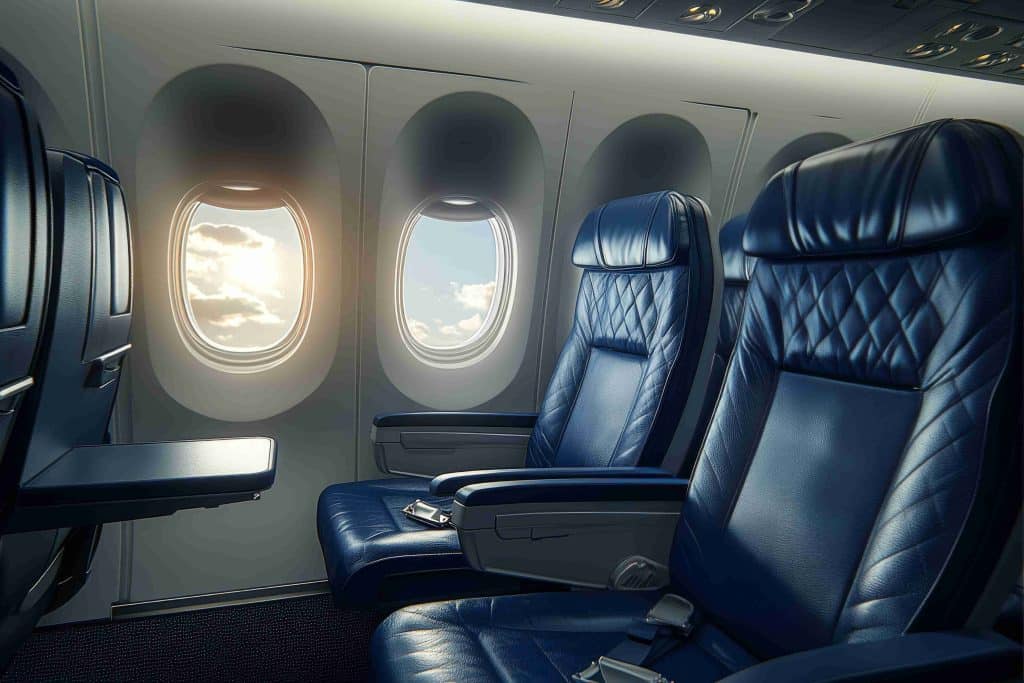
Some planes have newer pods that turn into flat beds with more privacy. Others use older layouts where you feel more open to the aisle. Seat maps in the booking screen do not always show how big those differences are.
On one of our flights, we sat in a modern cabin with pod style seats and lots of storage. On another, we flew in an older herringbone layout where many seats faced the aisle. Both were called business class, but the comfort and privacy felt very different.
Even in the same cabin, window seats in one row can feel private, while the next row is closer to the aisle and feels more exposed. Small details like that matter on a long flight.
Before you choose a seat, look up the aircraft type and search for photos or a short review of that exact cabin. Focus on which seats are best for solo travelers, couples or people who want extra privacy. Spending a few minutes on this can turn “nice flight” into “this actually feels like my own little space.”
Tip 3: Plan Your Sleep And Meal Strategy Before You Fly

On our first overnight flight, we made a common mistake. We treated dinner like a big event, watched a full movie and only tried to sleep near the end of the flight. By then, there were just a few hours left before breakfast.
Many experienced travelers do the opposite. They eat a full meal in the lounge, change into comfortable clothes and try to sleep as soon as the plane is in the air. On board, they ask for lighter food or a snack and request breakfast closer to landing so they can sleep longer.
Think about what helps you rest. If screens keep you awake, skip the long movie and use an eye mask and earplugs from your amenity kit. If you wake up thirsty, ask for extra water before the lights go down.
On daytime flights, you might stay awake most of the time. Use meals to break up the trip and take short walks to stretch. The main goal is to use the seat, food and timing on purpose so you step off the plane feeling more ready for your day.
Tip 4: Look For The Special Check In Area Instead Of Joining The First Line
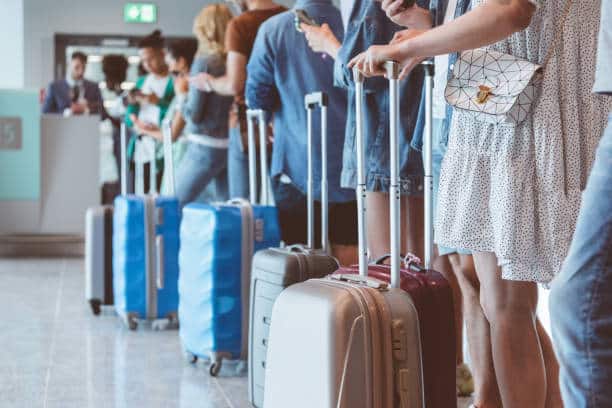
Your business class experience starts in the terminal, not only on the plane.
Many airports have special check in counters for business and other premium passengers. These areas often have shorter lines and connect to faster security lanes. The problem is that they are not always easy to find. Signs can be small, and staff may assume frequent flyers already know where to go.
At some airports, the dedicated check in hall is tucked to the side or designed for people arriving by car. If you walk in from another entrance, you might miss it and end up in a crowded general line.
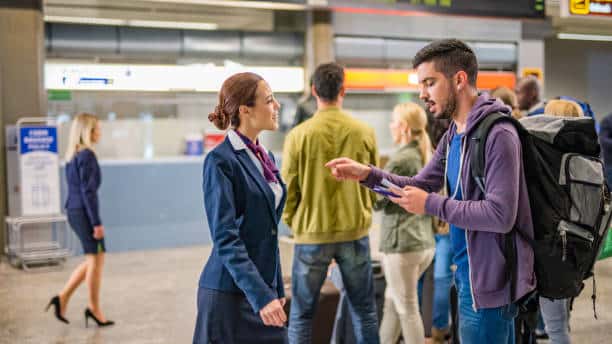
To avoid this, look up the airport map and airline information before your trip. Check if there is a special check in area for your cabin and how to reach it. When you arrive, do not be shy about asking a staff member, “Where is the business class check in?”
Staff there can also remind you about lounge access and show you the easiest route from check in to security, to the lounge and finally to your gate.
Tip 5: Ask The Crew To Show You How Your Seat Works
Business class seats can be confusing at first. They fold, slide and twist into different positions, and many controls are hidden.
You do not have to guess.
On our first flight, we tried to figure out the buttons on our own and wasted time pressing things at random. On the next flight, we changed our approach. As soon as we sat down, we asked the flight attendant, “Can you show us how this seat works?”
In just a few minutes, the crew member showed us how to move between sitting, relaxing and sleeping positions, where the tray table was, how to find the power outlets and which spots were best for small items like glasses and phones.
That short tour made the whole flight easier. We could settle in quickly, plug in devices and stop worrying about breaking something. It also gave us a chance to notice any problems with the seat before takeoff.
Tip 6: Be Careful With Special Meals And Extra Snacks
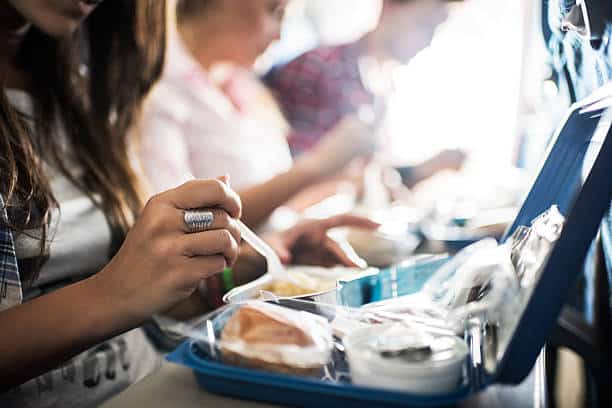
On one of our flights, the special meal looked basic next to the regular menu options. By breakfast, we asked to switch back to the standard choices and ended up with a lighter meal that tasted much better.
Many business cabins already offer at least one fish dish and one vegetarian or plant focused option. If those work for you, you may want to skip the special order so you can decide on board.
Part of the fun is how the food is served. Trays often come with real plates, metal cutlery and small design touches that remind you this is not the back of the plane.
Keep in mind that popular dishes can run out. If there is something you really want, tell a flight attendant early so they can try to save it.
On overnight trips, consider eating a full meal in the lounge and keeping things light on the plane so you can sleep sooner. On daytime flights, crews usually offer snacks between meals or set up a small area with treats, so you rarely need to pack extra food unless you have very specific needs.
Tip 7: Speak Up About Amenities And Extra Comfort

If you are used to flying in the back, asking for extras can feel uncomfortable. In business class, though, many of those extras are meant for you.
On some long routes, airlines may offer items like pajamas, mattress pads, extra pillows or thicker blankets. Many cabins also have amenity kits with socks, an eye mask, earplugs, a toothbrush and small skincare items.
These things are not always placed at the seat right away. If you do not see them, ask. On one of our flights, amenity kits were still in the cupboard until a passenger spoke up. Once she asked, the crew quickly passed them around.
You can also talk to the crew about how you want your flight to go. If sleep is your top goal, ask to skip some of the main meal so they can help you set up your bed early. They might bring a light snack instead and serve breakfast closer to landing.
At some airports, your ticket may even give you access to an arrivals lounge with showers and light food. These are not always open, so it is worth asking a flight attendant or ground agent if one is available.
Tip 8: Remember That The Extra Space Is The Best Part

With all the focus on lounges, menus and little gifts, it is easy to forget the main reason business class feels special. The real upgrade is space.
In economy, tall people and long legs often mean cramped knees, limited movement and a constant struggle to get comfortable. Even shorter travelers can feel boxed in when the person in front reclines.
In a business class seat that turns into a flat bed, you finally have room to move. You can stretch your legs, change positions without bumping your neighbor and get up to walk around more easily. You can work, watch a movie or rest without stacking everything in your lap.
The food will not always be amazing, and you might not sleep perfectly on every flight. Noise and turbulence still exist. What changes is how human you feel when you land.
Even if you miss the lounge, skip a dessert or forget to ask for an amenity kit, that extra personal space is still there. For many of us at TheMilesAcademy, that is the main reason we work to earn miles and status. We want you to step off a long flight feeling more like yourself.
Join TheMilesAcademy Community And Plan Your Next Business Class Trip
Flying in business class feels easier when you can learn from other travelers who have done it before. Inside our the community, we share simple tips on earning and using points, booking long routes and getting more comfort from every trip.
If you want to turn these business class travel tips into flights, you can also use our free Card Finder Tool to explore travel focused options that match your goals and spending style.
With the right points setup and support from the community, your next comfortable seat in the front of the plane can move much closer to reality.
