

Japan makes good food easy, but great food still rewards attention. The meals people remember tend to come from understanding everyday eating habits, not from chasing famous names. These six habits consistently lead to better meals with less effort.
1. Pick Restaurants That Commit To One Dish

Specialization matters. Restaurants that focus on one category, like noodles, grilled meats, or rice bowls, tend to outperform places with long menus. Repetition sharpens technique. Ingredients turn over quickly. Staff know the timing by instinct.
Small menus also remove decision fatigue. When a room full of people orders the same few items, you know what that kitchen does best. Some of the strongest meals come from narrow spaces with handwritten menus and no translations.
2. Let Local Lines Do The Screening
Lines in Japan work differently than in many other countries. A queue often signals reliability, not hype. The key detail is who is waiting. Office workers, students, and older locals lining up at normal meal times usually mean the kitchen delivers the same quality every day.
These lines move fast because menus are tight and service is efficient. A short wait often leads to food that arrives exactly as intended. If the crowd looks like it eats there weekly, that place has earned trust over time.
3. Use Maps To Narrow Options, Not Decide
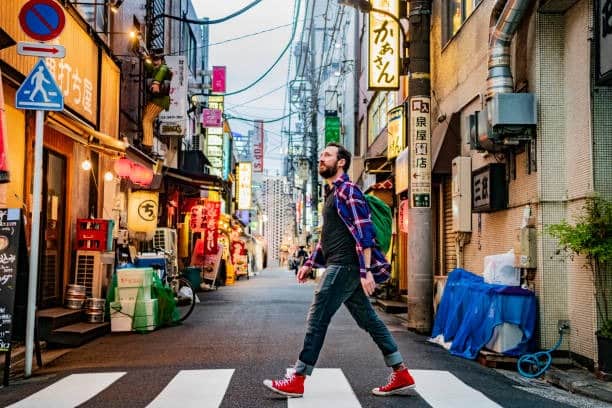
Maps help filter, not choose. Use them to spot clusters of well-reviewed places, then walk past those options yourself. Look for restaurants with steady ratings and a solid number of reviews rather than perfection.
Photos matter more than scores. Repeated images of the same dishes suggest consistency. Crowded counters and small dining rooms usually signal efficiency. Skip places that rely on novelty descriptions or oversized signage to pull people in.
4. Treat Convenience Stores Like Everyday Kitchens
Convenience stores in Japan function as daily food stops, not backup plans. Locals rely on them for breakfast, lunch, and late dinners. The food is built for regular eating, which keeps standards high.
Rice balls, bento boxes, sandwiches, and desserts rotate often and follow seasonal patterns. Portions make sense. Prices stay low. These stores shine on travel days, early mornings, or nights when you want something good without committing to a full restaurant experience.
5. Eat Where Workdays End
Pay attention to where people stop after work. Office workers choose places that balance speed, price, and consistency. They rarely gamble on novelty after a long day.
Train stations and nearby side streets often hide clusters of casual restaurants built entirely around evening routines. These areas may look unremarkable during the day, then fill up right on schedule. Following that pattern often leads to meals designed for repeat customers, not one-time visitors.
6. Let The Region Choose The Meal
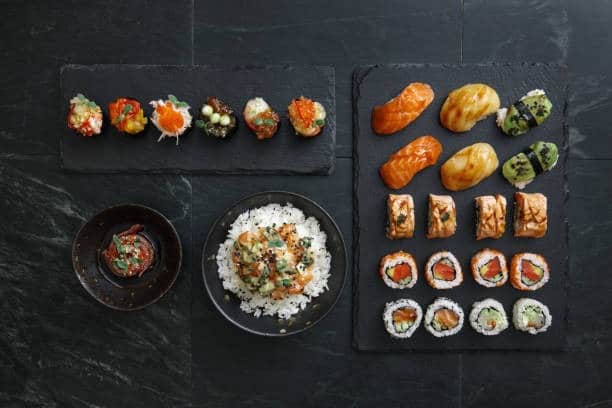
Japan cooks locally. Cities and regions build identity around specific foods, and the difference shows. A dish that tastes fine elsewhere often feels sharper where it belongs.
Before arriving somewhere new, learn what that area does best and start there. Street food districts, noodle towns, seafood regions, and grilling hubs all exist for a reason. This approach simplifies choices and usually leads to stronger meals with less searching.
How Seasoned Travelers Structure Food Days
Eating well in Japan often comes down to pacing rather than volume. Small choices shape the entire day.
- Lunch delivers strong value for sit-down meals, often with thoughtful sets
- Staying longer in one neighborhood reveals repeatable spots instead of one-off meals
- Leaving dinner flexible allows room for tips picked up during the day
The common thread is trust. Trust places that feed locals every day. Trust focus over variety. Trust timing more than buzz. Japan rewards travelers who watch patterns and let habits guide them to the table.
Building Food Instincts That Travel With You
Eating well in Japan is a skill, not a list. Once you learn it, it works everywhere: stations, side streets, small towns, big cities.
That’s what people practice inside the Miles Academy on Skool. Learning how to spot reliable places quickly so food becomes easy instead of something you research.
For the rest of your travel setup, this simple card finder tool helps narrow choices without turning it into homework.
