
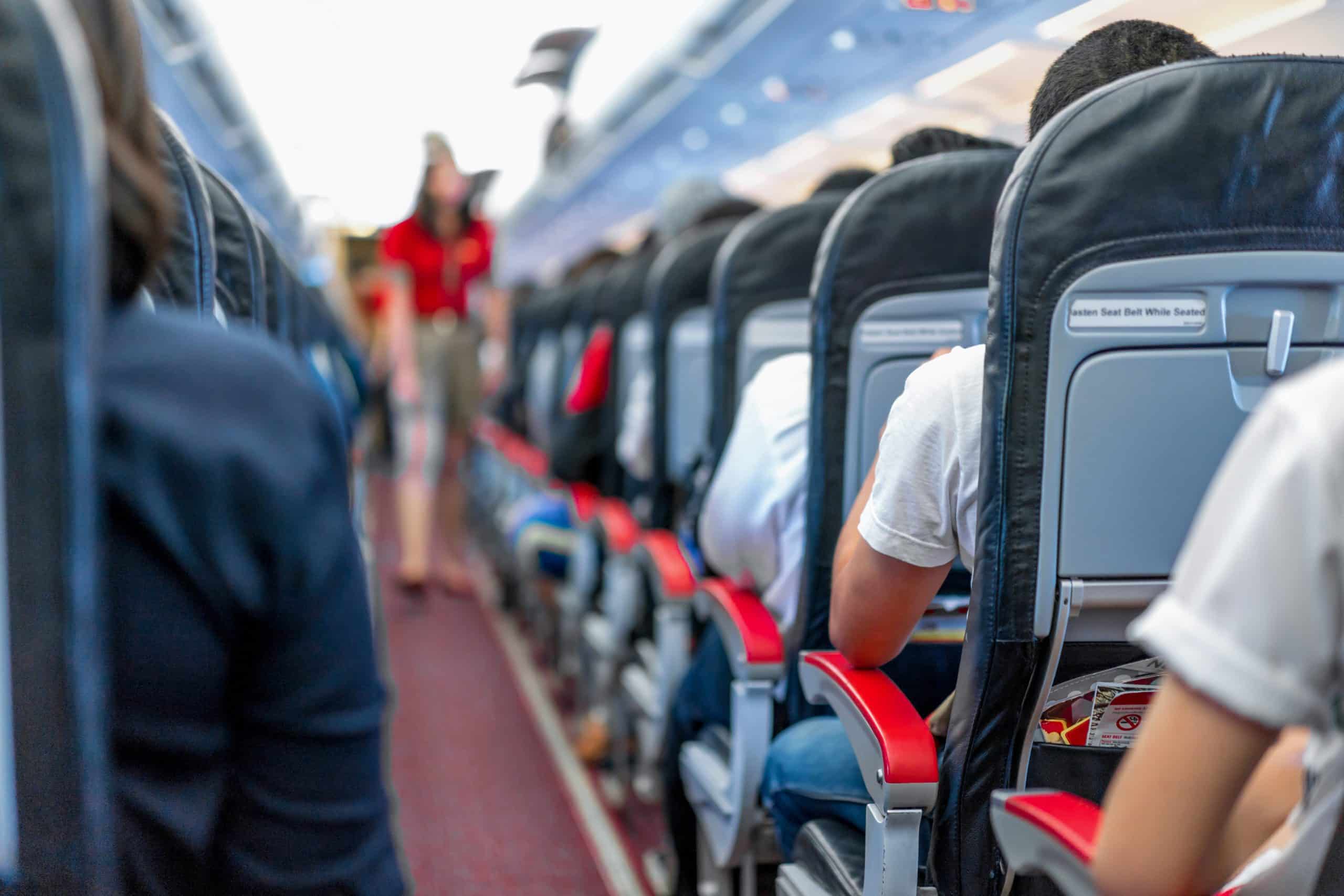
Having a whole row on a plane to yourself feels amazing. You can use both armrests, lean your seat back without bothering anyone, put your bag in the overhead bin, and still stretch your legs.
We know that having space and comfort can make your whole trip feel better. That is why many of us like to check how full a flight is before we go to the airport. If you see that the main cabin is almost full, you might decide to switch to another flight, choose a quieter time, or pay for a better seat so you feel more relaxed.
There are a few simple ways to guess how many people will be on your flight. None of them are perfect. Airlines can still add passengers at the last minute, move crew between airports on your flight, or clear long standby lists at the gate. Think of these ideas as helpful clues, not exact answers.
Here are six easy ways to check how crowded your flight might be, plus extra tips to avoid packed planes.
1. Check The Seat Map In Your Airline App Or On The Website
The easiest way to start is to look at the seat map for your flight. Most airlines show this in their app or on their website.
When you open your trip, you usually tap or click on something like “My Trips,” “Trips,” or “Manage Booking.” You can then open a seat map that shows the inside of the plane and which seats already have people in them. Seats that are taken are often marked as occupied. Seats that are still open are usually shown in a different color.
Some airlines let you see the seat map even if you are not logged in to a loyalty account. In that case, you put in your last name and confirmation number to bring up your trip. You might need to go through the steps to change your seat to see the whole map, but you can exit before saving anything if you only want to look.
This seat map gives you a fast, simple picture of how many people are already on your flight. You can notice patterns, like a full front section with only a few seats left, or a back section with many open seats. Just remember that things can change. Airlines keep assigning and changing seats during online check in, and gate agents can move people around to keep families together, help travelers who need special seating, or handle other problems.
2. Use An Upgrade Or Availability Tool To See More Detail
If you want more information than a basic seat map can give you, you can use a flight availability tool. These are websites or apps that help travelers see how many seats are still open on a flight.
These tools often show live seat maps that highlight which seats are open, which are taken, and which are blocked by the airline. You can usually make a free account to see basic features. Then you can decide if you want to pay for extra tools later.

These tools cannot see every change that an airline makes behind the scenes. They also cannot predict last minute standbys, schedule changes, or crew moves. The number of people on your flight can still change right up to boarding. Use seat maps as strong hints, not promises. Most of the time, the picture is clearest in the last 24 hours before your flight.
Some advanced tools show even more. They can tell you how many seats are left in each fare class for a flight, sometimes many months ahead. Paying users can set alerts so they get a message when more seats open, when upgrade space appears, or when a better route shows up.
When you run a search in these tools, you usually see a fare code with a number next to it. The code shows which fare bucket you are looking at, and the number shows how many seats the airline is willing to sell in that bucket. If you tap or move your mouse over the code, you might see a short note about the rules for that fare. This gives you a deeper look at how full the plane is and how much room you have to change flights or get a better seat.
3. Check The Seat Map Again During Online Check In
Another smart time to check how full your flight is comes when online check in opens. Most airlines let you check in 24 hours before your flight, and one main step is picking or confirming your seat.
When you get to the seat screen during check in, you see a new version of the seat map. It shows recent bookings, changes, and standbys. This is often the closest you will get to a real time view of how busy your plane will be.
At this point, you can usually tell in just a few seconds if your flight is crowded or calm. If you see only a few single seats scattered in the middle of the cabin, your flight is probably going to feel full. However, if there are full rows or big groups of open seats, especially in the back, your flight might still be pretty light.
If you have elite status, you may have even more choices. Some airlines let status members make same day confirmed changes. That means you can move to another flight in the same cabin on the same day without paying a change fee or fare difference, as long as there is space in the same fare bucket. Always check the latest rules before you count on this kind of perk, because airline policies can change.
4. Ask Customer Service How Full The Flight Is
If you like getting answers from a real person, you can contact your airline’s customer service team and ask how full your flight is. A phone agent can look up your flight and often tell you if it is lightly booked, almost full, or oversold.
If you do not want to sit on hold, you can look for chat or text options instead of calling. Most airline apps have a help or support area where you can talk with an agent through an in app chat. Many airlines also offer chat on their websites.

Some airlines let you text customer service. You send a message to a special number, then an agent replies when it is your turn. This can feel easier than staying on hold, because you can go on with your day and answer when they write back.
When you talk to an agent, be clear and polite about what you are trying to learn. Agents may not be allowed to share exact passenger counts, but they can usually describe the flight in simple terms like “very full,” “moderately full,” or “lightly booked.” They may also help you find another flight with more open seats if you tell them you are hoping for a less crowded plane.
5. Use Travel Seasons And Days As A Quick Check
Checking one flight is useful, but you can also use travel patterns as a quick way to guess how full flights might be before you even choose a ticket.
Travel data from big booking sites often shows that some months are calmer than others. For many places, January is one of the quieter months. The holiday rush is over, most people are back at school or work, and fewer families are taking trips.
Late summer months, like August, are usually much busier. Families try to squeeze in one more vacation before school starts again, many spots are in peak season, and lots of people are traveling for fun. If you can move a trip from late summer to early spring or mid winter, you may have a better chance of finding less crowded flights.
The day you fly also affects how crowded your flight feels. Several travel reports show that Tuesday is often one of the quieter days for flying. A Tuesday flight might give you more space to lean your seat back, find a spot in the overhead bin, and move around the cabin.
Many studies say that Sunday is one of the most crowded and stressful days at airports. Weekend trips are ending, business travelers are going out for Monday meetings, and families are trying to get home before the school and work week starts. This can lead to long lines, packed gates, and full planes.
If your schedule is flexible, you can use these patterns as a quick “check” before you book. Try to fly more on Tuesdays or other midweek days and less on Sundays. Even small changes, like coming home Monday instead of Sunday or leaving on Tuesday instead of Sunday, can make a big difference in how busy your flight feels.
6. Check Time Of Day Patterns To Avoid Crowds

The time of day you fly also gives you another way to check how crowded a flight might be. Feedback from traveler surveys often shows that early morning flights are calmer and less crowded than flights later in the day.
Flights around 4 a.m. and those between 7 a.m. and 8 a.m. often have fewer passengers and higher satisfaction scores. Waking up that early is not fun, but these flights have real benefits. Early flights are less likely to be delayed by problems that pile up during the day. Airports are usually quieter in the morning, and many travelers are more focused on getting settled than on competing for space.
If you really want to avoid crowds, try to combine an early flight with an off peak day. For example, a Tuesday morning flight in a slower month is much more likely to feel calm than a Sunday afternoon flight at a busy time of year.
When you use time of day, day of week, and month of travel together like this, you are using another quick way to “check” your chances of a crowded or calm flight before you even look at a seat map.
Join Our Free Community For Smarter, Less Crowded Trips
If you want more help finding calmer flights and easier travel days, we would love to have you in our TheMilesAcademy community. We share simple tips, step by step guides, and trip stories that help you choose better routes, spot less crowded flights, and feel more in control when you travel.
Inside the community, you can ask questions, learn from other travelers, and see how different people use points and miles to improve their trips. It is a friendly space where you can learn at your own pace and get clear answers.
You can also use our free Card Finder Tool to match your travel goals and daily spending with the types of cards that fit you best. The tool helps you compare rewards categories, travel perks, and costs in a simple way so you can pick options that support your next flights and future trips.
When you combine the ideas in this guide with our free community and the card finder tool, you give yourself a much better chance at smoother trips, calmer cabins, and flights where you actually feel like you can relax.
