
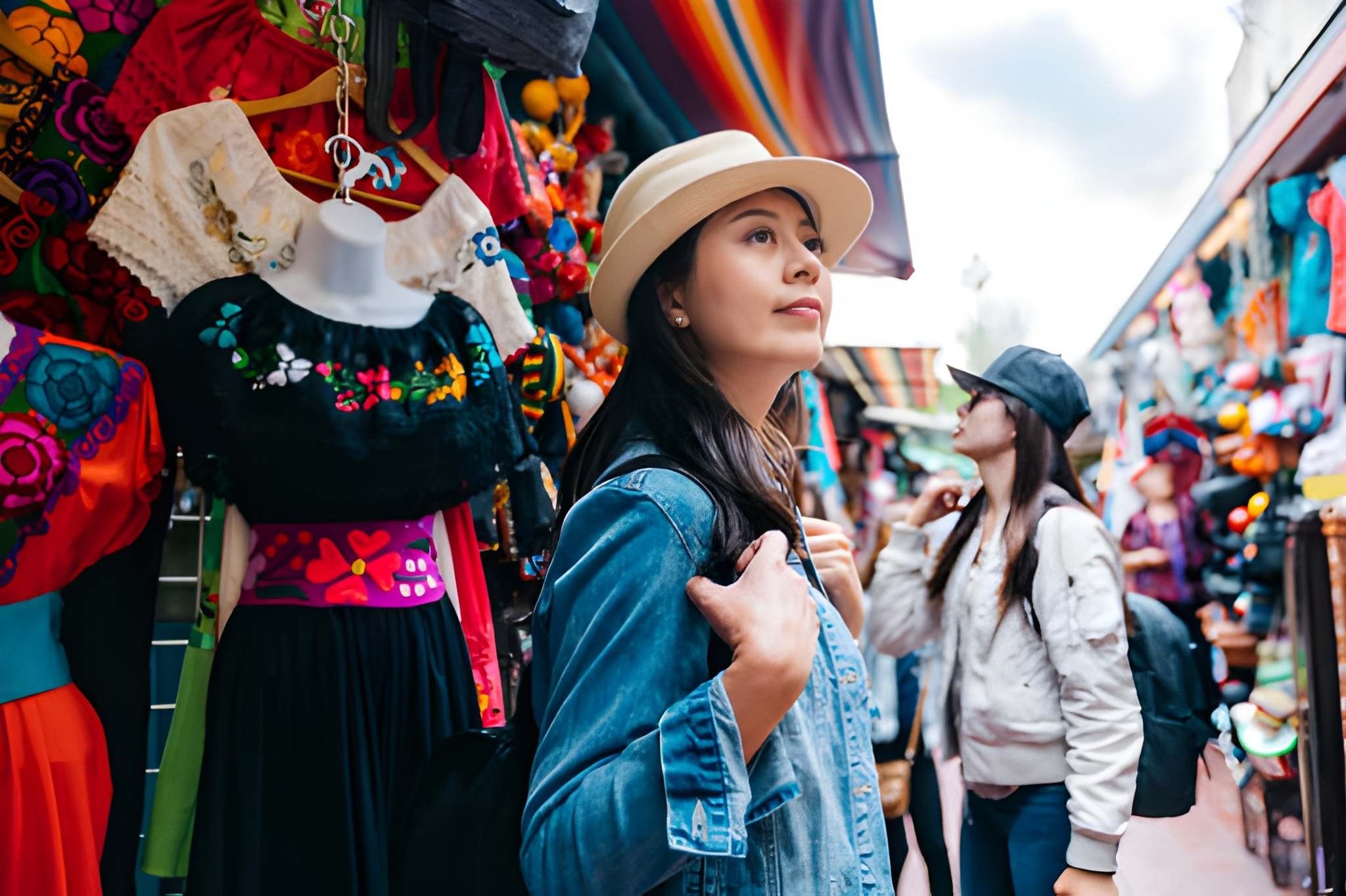
Travel leaves marks. Some are obvious, like crowded streets and rising prices. Others are quieter, like which businesses survive, whose traditions continue, and whether a place still feels like home to the people who live there. Being a better tourist is not about doing everything perfectly. It is about paying attention to where your money, time, and behavior land once you arrive.
These five habits come from years on the road, watching what actually helps communities instead of overwhelming them. None are trendy. All are practical. And everyone makes travel more rewarding for you, too.
Five Choices That Matter More Than You Think
Here are everyday choices that quietly shape how your travel affects the places you visit.
1. Check Your Hotel’s Credentials Before You Book

Where you stay shapes more than your sleep. Hotels influence local jobs, water use, waste systems, and which businesses get steady contracts. Ignore vague promises and look for specifics. Properties that care usually explain how they manage energy, laundry, food sourcing, and staff pay in plain language.
Size matters. Small guesthouses and locally run hotels often hire neighbors, buy nearby produce, and keep profits close to home. Larger properties can still do well when they publish clear standards, track waste, and work with local suppliers instead of importing everything.
If information is missing, ask directly. A thoughtful answer tells you more than a slick website ever will. The goal is not perfection. It is visible effort and accountability.
A good place to stay should support the area, not drain it.
2. Show Respect For Local Culture In Everyday Moments
Respect is not performative. It shows up in small, ordinary choices. How you dress. How loudly you speak. When you take photos. Whether you learn even a few basic greetings.
Before you arrive, spend half an hour reading about customs and social norms. It saves embarrassment and builds goodwill fast. Many places expect shoulders or knees to be covered in religious spaces. Others discourage public displays of affection or casual photography. These are not obstacles. They are cues about shared values.
Timing matters too. Religious observances, festivals, and periods of fasting change daily rhythms. Shops close. Menus shift. Streets fill or empty. Planning around those patterns keeps you from feeling inconvenienced and helps businesses operate on local terms.
You do not need deep expertise to be respectful. You just need awareness and humility.
3. Eat Local And Seasonal Whenever Possible
Food is the most direct way travelers support a local economy. Restaurants buying from nearby farms, fisheries, and markets circulate money through the community instead of sending it elsewhere. Seasonal cooking also reduces transport strain and waste.
Look for short menus that change often. They usually reflect what is available nearby. Neighborhood cafés, food stalls, and markets tell you more about a place than polished dining rooms ever will. Eating where locals eat is not about chasing novelty. It is about trust.
Ask simple questions.
- What is fresh today?
- Where does the fish come from?
Staff who know their ingredients tend to care about them. That care shows up on the plate. Meals chosen with intention support livelihoods and preserve food traditions that do not survive on volume alone.
4. Buy Souvenirs From People Who Made Them
Souvenirs should connect you to a place, not a supply chain. Mass-produced items sold in tourist hubs rarely benefit local creators. Artisan markets, small studios, and cooperatives put earnings directly into skilled hands.
Look for work tied to regional materials and techniques. Pottery shaped from local clay. Textiles dyed with native plants. Woodwork reflecting traditional forms. When possible, talk to the maker. Understanding the process often matters more than the object itself.
Avoid items linked to wildlife exploitation or mass extraction. Cultural heritage lasts when it is respected, not stripped for profit.
A meaningful souvenir carries a story you can tell without explanation.
5. Spend Money Where It Stays Local
Independent businesses feel tourism pressure first. They also benefit most when travelers choose them deliberately. Markets, family-run restaurants, small shops, and local service providers rely on steady, fair support.
Pay fairly. Aggressive bargaining saves little for you and cuts deeply for sellers. If a price feels reasonable, accept it. Fair exchange builds mutual respect and keeps businesses viable.
Think beyond shopping. Book local guides. Use neighborhood transport. Attend community-run events. Each choice shifts money toward people who live there year-round.
Where you spend matters as much as how much you spend.
Simple Habits That Make These Choices Easier

- Walk a few blocks farther: Tourist zones concentrate chains and inflated prices. Side streets reveal daily life.
- Ask one question before booking: How does this business support local workers or suppliers?
- Buy fewer things with more meaning: Quality beats quantity every time.
Follow local cues: Dress, volume, and behavior often tell you what is welcome. - Leave thoughtful feedback: Reviews help good businesses survive.
Being a better tourist does not require grand gestures or rigid rules. It comes from consistency. Choosing where to sleep, eat, shop, and how to behave forms a pattern. Over time, that pattern either supports places or strains them.
Travel feels richer when you know your presence helps rather than harms. The places you visit stay stronger. And you leave with experiences that last longer than any photo.
Turn Good Intentions Into Easy Habits
Most people want to travel responsibly. The hard part is knowing what that looks like in real moments.
Inside The Miles Academy, travelers talk through those everyday decisions together. Not rules. Not guilt. Just practical ways to move through places thoughtfully without overthinking every choice.
And when you’re setting up the money side of travel, the card finder tool helps narrow options based on how you actually spend, so fees and friction stay out of the way.
