
Crowded landmarks have changed how experienced travelers choose destinations. When every meal needs a reservation, and every street feels choreographed, the trip stops feeling restful. People who value space respond by shifting sideways, not farther away. They stay in familiar countries but choose places that still operate at a livable pace.
What follows are four destinations that keep surfacing in private planning conversations. They are not hidden. They simply allow you to control your time without fighting the crowd.
Paros Keeps Greece Livable
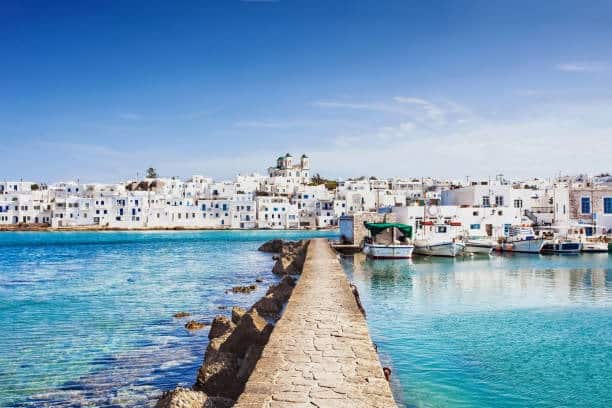
Some islands in Greece feel staged from morning to night. Paros does not. Tourism exists here, but it shares space with daily life. Villages function. Beaches remain usable. Even during busy months, meals happen without structuring your entire afternoon around a table.
Distances stay short. Decisions stay simple. That balance explains why many travelers return instead of moving on. When a destination asks less of you, the days stretch naturally.
Why Paros keeps its appeal
- Beaches that stay comfortable from morning through evening
- Restaurants that serve locals and visitors side by side
- Nightlife that feels social without overwhelming volume
- Infrastructure that supports comfort without spectacle
Kanazawa Lets Japan Breathe
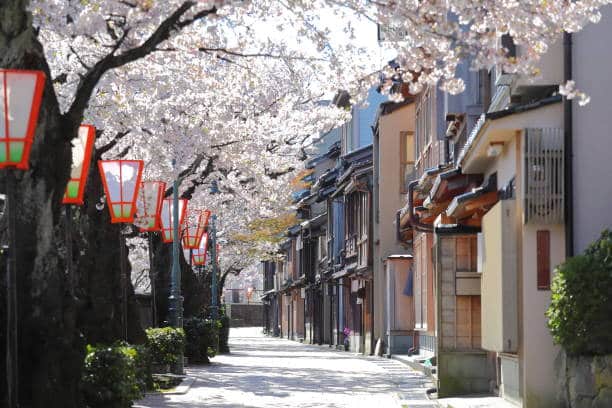
Japan offers depth, but its busiest cities compress the experience. Kanazawa delivers cultural weight without constant pressure. Streets invite walking. Historic districts allow wandering without lines forming behind you. Museums and gardens reward patience rather than speed.
Meals follow the same philosophy. Dining focuses on craft, season, and pacing. Service remains calm. Days unfold without the sense that you need to move on quickly to justify being there.
Why Kanazawa stands out
- Historic neighborhoods designed for wandering
- Cultural sites that reward time instead of throughput
- Dining is built around restraint and technique
- A layout that supports quiet exploration
Puglia Rewards Staying In One Place
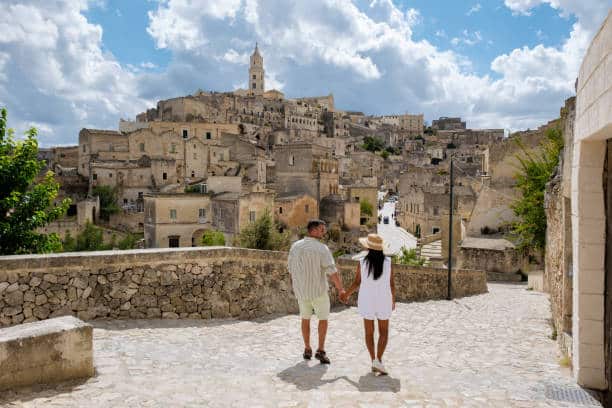
Southern Italy works best when you stop moving, and Puglia quietly enforces that rule. The region pulls travelers into a slower orbit built around food, walks, and long afternoons. Instead of bouncing between cities, people settle into restored farmhouses or coastal homes and let days repeat gently.
Once you unpack, logistics fade. You shop locally, cook often, and choose beaches based on light, wind, and timing rather than popularity. The consistency becomes a luxury. You stop planning tomorrow and start noticing today.
Why travelers shift to Puglia
- Towns shaped for daily living rather than sightseeing loops
- Countryside stays that prioritize privacy and distance
- Coastal access without cruise schedules dictating the day
- Food culture is driven by season and timing instead of reservations
Alentejo Trades Buzz For Breathing Room
Portugal’s popularity has pushed its major cities into constant motion. Alentejo sits just beyond that noise. Stretching across rolling plains and a rugged Atlantic coast, the region unfolds through cork forests, vineyards, and small hill towns that resist hurry.
Travelers come here to settle in. Properties spread outward, not upward. Mornings begin quietly. Evenings end early by choice. The coastline stays wide and wind-shaped, more influenced by weather than umbrellas.
What keeps people returning is how little coordination the region demands. You drive when you want. You stop when something catches your eye. Time stretches without effort.
Why Alentejo stays under the radar
- The countryside stays with land, space, and open views
- Coastal towns untouched by cruise traffic
- Food built on simplicity and local sourcing
- A rhythm that favors staying put
How Seasoned Travelers Structure These Trips
Choosing the right place matters, but structure matters just as much. Travelers who prioritize space tend to plan differently, even when visiting popular countries.
Staying Longer Changes Everything
Short stays create urgency. Longer stays create rhythm. Many experienced travelers choose one base and explore slowly rather than bouncing between cities. This reduces transit stress and opens room for spontaneous days.
Longer stays also unlock better lodging options. Private homes, small properties, and rural settings work best when you are not packing every other morning.
Timing Beats Avoidance
Skipping peak weeks does not mean skipping summer. Arriving just before or after the busiest stretch often delivers similar weather with far less pressure. Even shifting a trip by a single week can change restaurant availability, service quality, and overall tone.
This approach improves access without requiring special arrangements or insider status.
Anchors Work Better Than Schedules
Instead of planning full days, seasoned travelers anchor each day around one main focus. That might be a long lunch, a coastal walk, or a museum visit. Everything else stays flexible.
This structure leaves room to adjust for mood, weather, or local advice without feeling behind.
Distance Often Improves Comfort
Staying next to a landmark sounds convenient, but it usually brings noise and foot traffic. Slightly removed locations offer better rest and more control over mornings and evenings.
A short walk or drive often delivers quieter days, which matters more than proximity once you settle in.
Why These Places Still Feel Different
These destinations succeed because they sit just outside mass itineraries. They offer enough infrastructure to stay comfortable without turning every moment into a managed experience. Travelers who choose them value control over pace more than proximity to famous sights.
Quiet travel today is less about exclusivity and more about choosing places that still allow you to think, eat, walk, and rest without interruption.
Space Comes From How You Set The Trip Up
Crowds don’t just come from destinations. They come from tight schedules, constant movement, and staying where everyone else stays. When you slow the structure down, even well-known places start to feel livable again.
That’s why people use The Miles Academy on Skool to talk through trips like these. Not to chase hidden spots, but to figure out where staying longer, shifting neighborhoods, or changing timing restores control over the day.
If you’re weighing different options and want a simple way to sort what fits your pace and comfort level, this simple card finder tool helps narrow choices without overthinking it.
