
Using a card feels easy. You tap or swipe, the bill is paid, and you might even earn rewards. The trouble starts when you use a card for things you cannot pay off quickly. Interest builds, balances grow, and what should be a helpful tool can quietly cause money stress.
At TheMilesAcademy, we care about points and miles, but we care even more about helping you stay in control of your finances. As a simple rule, we prefer to use a card only for costs we can clear in full each month or for charges that fit safely inside a 0% interest period. Before you pull out a card, it also helps to think about any extra fee you might pay and compare that cost with the real value of the rewards you expect.
In this guide, we walk through ten common expenses that can be risky to put on a card. Our goal is to show you where charging a bill can end up costing more than it gives back so you can make calmer, smarter choices.
Paying Your Tax Bill

If you owe federal income taxes, you usually have more than one way to pay. You can mail a paper check or have the money sent directly from a bank account, and these choices normally do not come with a separate processing fee. You pay what you owe, and that is it.
There are also approved payment services that let you pay your taxes with a card. These services charge a fee that usually falls somewhere between 1.96% and 1.99% of the amount you pay. There is no special bonus earning category for tax payments, so you are typically earning at your card’s basic rate while paying a separate fee on top of your bill. Sometimes the rewards can come close to the fee if you earn at a strong rate and pay the statement before interest, but the gain is often small.
If you cannot pay the card balance in full, using a card for taxes becomes much more expensive. In that situation, it is usually better to look at options from the tax agency itself. You may be able to arrange a payment plan so you can spread the bill over time, apply for a temporary delay in collection if you are facing serious hardship, or look into special resolution programs if you qualify. These routes are not always fun, but they often cost less than carrying a high-interest balance that started as a tax bill.
Hospital And Doctor Bills
Medical expenses can appear suddenly and feel scary. A large bill from a hospital or doctor can make you want to solve everything quickly by putting the amount on a card. You might tell yourself that at least you will earn some rewards while you deal with the problem later.
Before you do that, take a moment to check the bill carefully. Make sure any health plan you have has processed the claim correctly and that you see the right discounts or negotiated rates. Ask for an itemized bill so you can see each charge. Mistakes happen more often than people realize, and you do not want to pay interest on charges that are wrong.
If you cannot pay the full amount at once, call the number on the bill and explain your situation. Many medical offices and hospitals are willing to work with you when you reach out early. They may be able to reduce the total amount in certain cases, set up a monthly payment plan that has a lower cost than your card’s interest rate, or let you pay over time with no interest as long as you follow an agreed schedule. When that kind of plan is available, it is usually much friendlier to your budget than letting a medical bill turn into a large revolving balance.
Using a card for medical costs can still make sense if you know you will pay the next statement in full and you want the purchase protection or rewards. If you are not sure you can do that, it is usually better to make a direct arrangement with the medical provider.
College Tuition Costs

Some colleges and universities let you pay tuition with a card, either online or through the school’s payment office. At first, this sounds like a clever move. You cover a big bill, earn a lot of rewards in one shot, and keep your cash in the bank for a bit longer.
The problem appears if you do not pay that balance in full before interest starts. Tuition amounts are large. Even a modest interest rate on a big balance can add a lot of extra cost, and that extra cost can easily be higher than the value of any rewards you earned.
Before you pay tuition with a card, look at the other paths your school may offer. Many schools have monthly tuition plans that break one big bill into several smaller payments throughout the term. Some students qualify for scholarships or grants based on grades, need, or special programs. You may also have access to student loans that have a lower interest rate than a revolving account, although you still need to be careful with any long-term debt.
If you do consider a student loan, pay attention to whether the interest rate is fixed or variable, how long you will be paying it back, and what happens if you are late with a payment. Build a simple repayment plan before you sign anything, and always check current loan terms and school policies so you know exactly what you are agreeing to.
Paying Off Student Debt
After school, student loans often become one of your biggest monthly expenses. It may seem tempting to move those payments onto a card and then pay the card off slowly, especially if you feel like you are chasing rewards or trying to free up cash.
Most loan servicers do not accept cards directly, or they treat those payments in a way that adds extra fees. Sometimes a third-party bill service offers to handle the payment for you, but these companies usually charge their own processing fees. Once you add everything together, the costs can climb quickly.
If you are thinking about using a card to pay student loans, you need to run the numbers very carefully. You should add up the processing fee, ask how the transaction will be coded, and find out whether it will count as a normal purchase or as a kind of cash-like transaction. Then you need to look honestly at your budget and decide whether you can pay the full balance before interest appears.
In many cases, it can be smarter to explore your options within the student loan system instead of shifting the debt onto a card. You might be able to refinance or consolidate eligible loans to look for a lower interest rate, especially if your credit profile has improved. You may qualify for an income-driven repayment plan that adjusts what you pay based on your earnings. If things are very tight, you may also be able to request deferment or forbearance for a limited time. None of these steps are instant fixes, but they usually cost less than turning long-term student debt into high-interest card debt.
Rent And Home Loan Payments

Housing is one of the biggest costs in most budgets, so it can be tempting to pay rent or a home loan bill with a card. You might want to earn rewards on such a large charge or keep more cash in your bank account a little longer.
The challenge is that it is still uncommon for landlords or home loan companies to take card payments without extra charges. In many cases, you have to use a separate bill service that accepts your card and then sends the money to your landlord or lender. These services often charge a fee that falls somewhere in the range of 2.5% to 3% of the payment amount.
When you add that fee, the picture changes. Even if you pay the card balance in full and avoid interest, the service charge comes straight out of your pocket. The value of the rewards you earn often does not fully cover that cost. Over a full year of rent or home loan payments, the total in fees can be surprisingly high.
Taking Out Cash From A Card
Many companies that issue cards advertise that you can get cash from an ATM or write special checks linked to your account. These features are called cash advances, and they almost always come with high costs.
When you take a cash advance, you usually pay a separate fee based on the amount you withdraw. On top of that, you generally do not earn any rewards on the transaction. Interest also starts right away, often at a higher rate than the rate for normal purchases. There is no grace period where you can avoid interest by paying the next statement in full. The balance begins growing with interest from the moment you take the cash.
Because of this, cash advances are one of the most expensive ways to borrow money. If you need cash quickly, it is usually better to look at other options. You may be able to use a debit card to pull money from your own bank account, move funds electronically and wait a short time for them to arrive, or talk with someone you trust about a small, short-term loan. These choices may not feel as quick, but they are often much cheaper in the long run.
Big Buys Near Your Limit
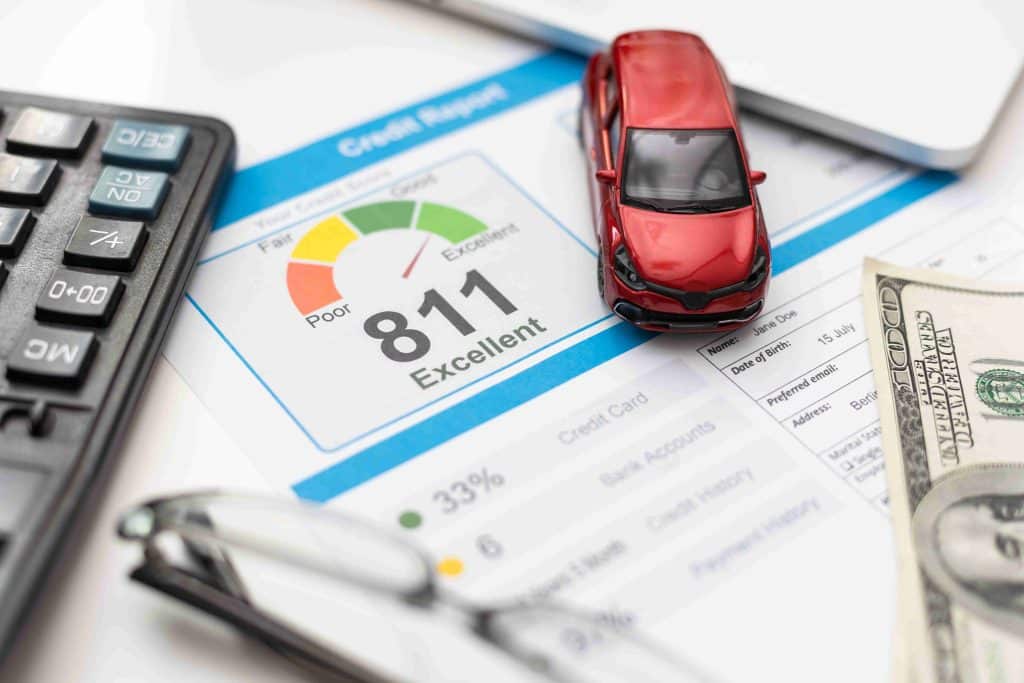
Using a card for a large purchase can be useful. You might want extra purchase protection, or you may be using a special 0% interest offer for new charges. The problem is that a single big purchase can use up most of your available limit and change how your credit usage looks.
Your credit utilization ratio compares the total amount you owe on revolving accounts with the total amount of revolving credit you have. For example, if you have a limit of 1,000 and your balance is 900, your utilization is 90%. Many experts suggest keeping this ratio below about 30% most of the time. Lower usage usually looks better on your credit profile.
When one large purchase pushes your balance close to the limit, your utilization jumps. This can cause your score to drop, at least for a while. The effect may fade after you pay the balance down, but there are still real risks. You have less room left for emergencies, it becomes easier to accidentally go over the limit and trigger extra fees, and a high balance can tempt you to pay only the minimum each month, which keeps you in debt for a long time.
If you know a big expense is coming, consider setting aside money for it ahead of time so you do not need to charge the full amount. You might also look for a structured low-interest plan when one is available. Planning in advance helps you keep your utilization lower and avoids the stress of seeing your balance pushed right up against your limit.
Unplanned Splurge Spending
Most people have at least one spending weak spot. It might be sports gear, clothing, shoes, gadgets, concert tickets, or last-minute trips. With a card in your hand and an online store on your screen, it is very easy to tell yourself that you deserve a treat and forget about what the bill will look like later.
If you have no debt and a solid budget, occasional splurges might only slow down your savings a little. If you are already carrying balances or feeling pressure from other bills, those quick decisions can make your monthly statement much higher than you expected.
To keep unplanned splurges from turning into long-term debt, it helps to set up a few simple guardrails. One helpful step is to build a basic budget that includes a small, fixed amount each month just for fun purchases. Another strategy is to stay away from apps, websites, and stores where you know you usually overspend. You can also remove stored card details from your favorite sites so every purchase takes more effort instead of being only one click away.
Some people like to use a cooling-off rule, such as waiting a full day before buying anything that is not truly needed. Another option is to use cash or a separate debit account for treats and to stop spending when that money runs out.
Using A Card For Gambling

Gambling already comes with risk, and paying for it with a card usually increases that risk. Many financial institutions treat gambling-related transactions as a type of cash-like charge. This is true whether you are loading money into an online betting account or using a card at a casino to get chips or withdraw cash.
When a gambling cost is coded in this way, you often face a separate fee and you usually do not earn rewards on the amount you spend. Interest typically starts right away, and the rate for this type of transaction is often higher than the rate for regular purchases. In short, you are borrowing money at a high cost to take part in an activity where you may lose it.
Because of this, it is usually safer to bring a set amount of cash or use a debit card funded with money you already have if you choose to gamble. That way you are not risking money you still owe to a lender.
There is also the emotional side of gambling. It is easy to get caught up in the noise, lights, and fast action in a casino or in the rush of an online game. Without clear limits, you can end up spending much more than you planned.
Putting Your Wedding On A Card
Weddings are full of emotion, and that mix of excitement and pressure can make it very easy to overspend. When you add up the cost of the venue, food, clothes, flowers, photos, travel, and all the smaller details, the total can end up much higher than you expected. Using a card can feel like the fastest way to cover everything and tell yourself you will worry about it later.
If you cannot pay the balance off before interest starts, though, the celebration can turn into a long-lasting bill. You might still be making payments long after the special day is over, which can put a strain on your new life together.
When you and your partner have strong savings or stable income, you may decide to put some wedding and honeymoon costs on a card and then pay the balance in full. In that situation, the rewards you earn can help lower the cost of travel or future trips. The important part is having a clear, realistic plan to pay what you owe right away instead of hoping it will just work out.
When A Simpler Wedding Is Smarter
In many other cases, it makes more sense to design the wedding around the money you already have or can save within a reasonable time. You might shorten the guest list, choose a simpler venue, or trim back on extras like decorations and favors. Another option is to look for ways to bring in a bit of extra income for a short period so you can build a wedding fund without borrowing as much.
Some couples think about using a special 0% interest offer to cover wedding costs. If you go this route, it helps to write out a detailed payoff plan before you charge anything. You should know exactly how much you will pay each month and how you will handle the bill if your income changes. It is also important to read the current terms and conditions carefully so you understand what happens if you pay late or still have a balance once the promotional period ends.
Get Support While You Improve Your Money Decisions
Changing how you use a card does not happen overnight. It takes practice to say no to easy swipes, to slow down before a big purchase, and to choose payment plans that actually help you instead of hurting you. It is much easier to stay on track when you are not trying to figure everything out alone.
That is why we invite you to join our free TheMilesAcademy community. Inside, you can ask real questions about card use, managing debt, earning rewards, and building better habits. You will see how other people avoid the kinds of charges we covered in this guide, how they recover from mistakes, and how they use points and miles in a way that fits their real life.
We also created a free card finder tool to help you be more intentional when you choose a new card. Instead of guessing, you can use the tool to match your goals, spending patterns, and travel plans with card options that make sense for you. When you use the card finder tool before you apply for anything new, you are more likely to pick products that fit your budget and less likely to add a card that pulls you off course.
If you use what you learned in this article, stay active in the community, and lean on tools that keep you focused, you can enjoy rewards while still keeping your money and your peace of mind at the center of every decision.
